No single laxative suits every constipated cat, and not all ten options below are things you should give at home. They fall into four groups: oral medicines given under veterinary direction, fiber and diet approaches, a suppository, and a clinical enema that a veterinarian or trained staff member administers. Which one is appropriate depends on what is causing the constipation, whether the cat is dehydrated, and how severe or long-lasting the problem is. If your cat is straining without passing stool, the safest first step is a veterinary examination, not a trip through the pharmacy shelf.
Why the choice depends on the cause and the cat’s condition
Constipation in cats is a symptom with several possible causes. Stool may be hard and dry because of low water intake, a diet with the wrong balance of fiber, reduced activity, pain that makes a cat avoid the litter box, or a blockage of the colon. Each of these calls for a different response, which is why a laxative picked from a list can help one cat and do harm to another.
Two conditions are worth understanding before you consider any treatment. Obstipation describes a severe state in which the colon is so full of hard feces that the cat cannot pass stool at all. Megacolon describes a colon that has become enlarged and loses its ability to move feces along, often after repeated episodes of constipation. Both may need hospital care. The Merck Veterinary Manual’s review “Constipation, Obstipation, and Megacolon in Small Animals” (full review June 2025) describes these as conditions that can require treatment beyond oral medicines.
Hydration is the other deciding factor. Several of the treatments below are unsafe in a dehydrated animal, and a veterinarian will often check hydration before choosing one.
Crashes, No Sound, or Screen Glitches?
Random freezes, missing sound and display glitches usually trace back to one bad driver. Find and replace yours safely.Free scan · under a minuteWindows Errors? Fix Them Before They Spread
Repair common Windows errors and clear accumulated junk for a smoother, more stable PC - no reinstall needed.Free scan · no reinstall#1 Best Overall
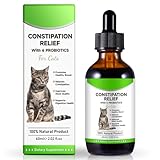
- Fast-acting formula - Experience rapid relief for your pet with our premium product, designed to alleviate discomfort swiftly through the power of natural ingredients and a carefully balanced composition.
- 100% Natural product - Our latest formula is crafted with gentle, natural ingredients, ensuring optimal efficacy without any artificial additives. Trust in our Cat Constipation Relief, now in liquid form, for a pure and effective solution.
- Convenient dosage - Administering our tincture is effortless with our user-friendly dropper, allowing you to give your cat the precise dosage required for quick and effective relief, saving you time and simplifying the process.
- Safe solution - Join cat owners worldwide in trusting our tincture as a safe and reliable solution for addressing feline constipation. Rest assured, our product prioritizes your pet's health and well-being.
- Happy cat, happy home - Bid farewell to the worry of managing your cat's discomfort and welcome a happier, more contented feline companion into your home. Our reliable constipation relief solution promises not just relief for your cat, but also a happier and more harmonious household.
The ten options at a glance
The table sorts the options by what they are and who should make the decision. None of them should be started, dosed, or changed without veterinary direction.
| # | Option | Type | Who decides and gives it |
|---|---|---|---|
| 1 | Polyethylene glycol 3350 (PEG 3350) | Oral osmotic agent | Veterinarian directs use and dose |
| 2 | Lactulose | Oral osmotic laxative | Veterinarian directs use and dose |
| 3 | Docusate sodium | Oral stool softener | Veterinarian directs use and dose |
| 4 | Psyllium | Bulk-forming fiber | Suitability set by veterinarian |
| 5 | Veterinary fiber-supplemented diet | Dietary management | Chosen with a veterinarian for selected cats |
| 6 | Canned pumpkin | Source of insoluble fiber | Only after veterinary advice |
| 7 | Wheat bran | Fiber source | Amount set by clinician |
| 8 | Glycerin suppository | Rectal suppository | Veterinary advice required; cat must be handled safely |
| 9 | Bisacodyl | Stimulant laxative | Veterinary assessment required first |
| 10 | Veterinarian-administered enema solution | Clinical procedure | Given by a veterinarian or trained staff; home use only where a veterinarian has trained the owner and the cat is compliant |
Oral osmotic agents and stool softeners
These are medicines a veterinarian may prescribe for a cat whose stool needs more water or softening to pass. They work through different mechanisms, so the choice between them is clinical rather than a matter of preference.
1. Polyethylene glycol 3350 (PEG 3350)
PEG 3350 is an osmotic agent: it holds water in the intestine, which softens the stool. Merck and VCA both describe it as a veterinary treatment option. If your veterinarian recommends it, the powder form is the one most often named in veterinary discussions. Ask for the exact product, dose, and duration in writing, because the appropriate amount depends on the cat’s size and condition, and the veterinary references do not give an owner-facing schedule.
2. Lactulose
Lactulose is another osmotic laxative. Merck discusses it in the context of chronic constipation and megacolon, which is why it is more often part of a longer management plan than a one-off remedy. Because it draws water into the bowel, it is only appropriate when the veterinarian has confirmed the cat is not dehydrated.
Rank #2

- Natural and Gentle Care: Made with a blend of gentle, natural ingredients, our tincture provides soothing relief to your cat’s digestive system without any harsh chemicals or synthetic additives.
- Rapid-Action Formula: Experience the fast-acting benefits of our cat constipation relief tincture. Designed to work quickly, it helps alleviate your cat’s discomfort, ensuring they feel better in no time.
- Precise and Easy Dosing: The easy-to-use dropper ensures accurate dosing, making it effortless to give your cat the exact amount needed for effective relief, all while saving you time and reducing stress.
- Comfort for Your Cat, Peace for Your Home: Relieve your cat’s discomfort and bring happiness back to your home.
- Easy-to-follow daily directions make it simple to give the right amount for your cat’s size while supporting overall digestive wellness.
3. Docusate sodium
Docusate sodium (DSS) is a stool softener, or emollient laxative. Merck and VCA both list it as an option. Softeners are generally considered milder than osmotic agents, but a veterinarian still needs to decide whether it fits the cat’s diagnosis; the sources do not establish that it works in every case.
Fiber and dietary approaches
Fiber is the category most owners already think of when constipation starts, and it is useful in some cats. It is also the category most likely to go wrong when used casually, because the type and quantity matter.
Cornell’s feline health reference explains that insoluble fiber tends to lower the water content of stool, which can help bulk and moisten the feces passing through the colon. Soluble fiber can work differently: too much of it can produce loose stool and may interfere with how well nutrients are absorbed. For that reason, adding fiber without a plan can make the picture worse rather than better, and a veterinarian usually selects the fiber source and sets how it is introduced.
4. Psyllium
Psyllium is a bulk-forming fiber. Whether it suits a particular cat depends on the diagnosis and the cat’s overall condition, so it should be a veterinarian’s choice rather than a pantry decision.
The Tool Desk
Outbyte PC Repair FREEClear out junk files and repair common Windows errorsFree Scan →Outbyte Driver Updater FREEFix the driver behind crashes, sound loss and screen glitchesFind Drivers →Rank #3
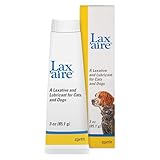
- Soothing Digestive Relief: Lax'aire is a tasty ointment that eases digestive discomfort in dogs and cats. It acts as a gentle laxative to relieve constipation and can also be used to help relieve irritation from hairballs.
- Hairball Treatment for Cats: Its lubricating formula helps hairballs to pass comfortably through the digestive tract and can be used for acute treatment or regular maintenance.
- Pet-Friendly Taste: Purposefully flavored to appeal to both dogs and cats, Lax'aire is a tasty treatment that's easy to give, and even easier to take!
- Supports Healthy Digestion: Formulated with essential vitamins, fatty acids, and iron to support normal and healthy digestion.
- Easy to Use: Packaged in a convenient, squeezable tube, simply dispense a ribbon of ointment, and let your pet do the rest!
5. Veterinary fiber-supplemented diet
A therapeutic diet with added fiber is a dietary management approach for selected cats, not a universal laxative. It is often the most practical long-term option because it changes what the cat eats every day rather than adding a separate product. Switching foods abruptly can itself upset the digestive tract, so any change should go through your veterinarian.
6. Canned pumpkin
Cornell identifies canned pumpkin as a source of insoluble fiber. That makes it a reasonable topic to raise with your veterinarian, but it is not a proven cure, and it is not the right choice for every cat. Plain canned pumpkin, not pie filling, is the form the reference describes as a fiber source.
7. Wheat bran
Merck lists wheat bran among fiber options. The amount and suitability are a clinical decision, and the reference does not offer an owner-level amount.
Suppositories, stimulants, and enemas
These options act directly in the lower bowel or stimulate it, which makes them more invasive to use and more dependent on accurate diagnosis.
What’s actually slowing this PC down?
Pick the symptom - the matching free tool is one click away.
Rank #4

- 【Liquid Laxative for Relief】Our advanced liquid tincture is engineered for speed and effectiveness. It quickly gets to work to soften hard stools and stimulate gentle bowel movements, providing your cat with rapid relief from constipation and associated discomfort. Witness a noticeable improvement in your cat's comfort levels in no time.
- 【100% Natural with Probiotics】We go beyond just being natural. Our formula is powered by a blend of gentle, plant-based ingredients, enriched with 6 Probiotics and Digestive Enzymes. This powerful combination not only provides immediate constipation relief but also actively helps to balance gut flora and improve overall digestive health, preventing future issues.
- 【Gentle Stool Softener】Say goodbye to harsh chemical laxatives. Our remedy acts as a gentle yet effective stool softener for cats, carefully formulated to be mild on even the most sensitive stomachs. It alleviates straining and gastrointestinal discomfort without causing stress or irritation to your pet's system.
- 【Effortless dosing】Administering the correct dose is quick and stress-free for both you and your cat. The included easy-to-use dropper ensures precise and easy dosing every time. Simply add the recommended amount directly into your cat's mouth, mix with their wet food, treats, or water—they'll love the roast chicken flavor!
- 【Vet-Recommended Formula】Give your feline companion the comfort they deserve and restore harmony to your home. Our reliable cat constipation relief drops are a trusted choice for caring pet owners. By promoting regular bowel movements and overall digestive wellness, we help ensure your cat is happy, healthy, and back to their playful self.
8. Glycerin suppository
Merck lists glycerin suppositories among the agents that may be used in mild cases of constipation. The reference frames them as a pediatric option, so they are not a stand-alone home treatment for cats. Inserting a suppository requires a cat that can be held still and handled safely, and the advice of a veterinarian before use. A struggling cat can be injured during insertion.
9. Bisacodyl
Bisacodyl is a stimulant laxative that Merck discusses as an option. It is contraindicated when there is a bowel obstruction, and an obstruction is exactly what a cat with severe constipation may have. Because a veterinarian needs to rule out obstruction first, this medicine should never be given on the basis of a guess.
10. Veterinarian-administered enema solution
An enema can soften and clear the lower colon, but it is a clinical procedure, not a home remedy. Cornell says enemas may be given at home only to compliant cats whose owners have appropriate training from a veterinarian, and some cats need sedation and veterinary help. Merck lists several solutions for clinical use. Do not use mineral oil or any over-the-counter enema product on a cat unless a veterinarian has specifically directed it.
Independent reader supportYour contribution helps us test, update, and keep practical guides available for everyone.Phosphate enemas and dehydration: the two rules that prevent harm
Two safety rules apply across the whole list, and they are the points most likely to be overlooked when a cat is uncomfortable and an owner is searching for relief.
Free tools Windows power users keep installed
One-click scans. No signup required.
Best Value

- Nature's Gentle Embrace for Your Cat's Tummy:PuPulse CONSTIPATION RELIEF is a harmonious blend of the softest, most natural elements. It's like a tender caress for your cat's digestive system, warding off discomfort without a single harsh chemical or artificial additive in sight. Just pure, natural goodness that your cat's body will welcome with open paws.
- Swift - Acting Relief Formula:CONSTIPATION RELIEF features a remarkable formula designed for rapid results. It springs into action promptly, steadily working to ease your cat's discomfort. Before you know it, your feline friend will start to feel a significant difference, on the way to regaining their usual comfort.
- Effortless and Precise Administration:The dropper of CONSTIPATION RELIEF is crafted for simplicity and accuracy. With it, you can accurately measure and administer the right amount to your cat without any hassle. This precision dosing not only ensures effective relief for your cat but also saves you time and eliminates stress during the application.
- Feline Comfort, Household Harmony:CONSTIPATION RELIEF steps in to relieve your cat's discomfort, smoothly ushering in a wave of happiness that permeates your entire home. It's not just about helping your cat; it's about restoring tranquility and joy to every corner of your living space.
- Trusted Worldwide for Cat Care:PuPulse CONSTIPATION RELIEF has earned the trust of cat owners across the globe. It's their top - choice remedy for feline constipation. With its proven track record, people are assured that it can effectively keep their furry friends healthy and happy.
- Do not give laxatives to a dehydrated cat without veterinary management. Merck states that laxatives should be avoided in dehydrated animals, and osmotic agents in particular can worsen fluid loss.
- Do not use phosphate-containing enemas in cats. Merck’s quote-ready statement reads: “Phosphate-containing enemas must be avoided in cats due to the potential for developing severe electrolyte imbalances.” Many commercial enema products contain phosphate, so check the label before anyone uses one.
Signs that mean see a veterinarian now
The reviewed veterinary sources do not establish a single universal time threshold after which every cat must be seen. What they do support is a clear list of warning signs that justify prompt veterinary assessment:
- Straining in the litter box without passing stool
- Passing only small, hard, or dry pieces over an extended period
- Pain, crying, or reluctance to be touched around the abdomen
- Vomiting, weakness, lethargy, or loss of appetite
- Any sign that the cat looks unwell, dehydrated, or distressed
Severe and recurrent cases need hospital care
When constipation is severe, does not respond to first-line treatment, or keeps returning, veterinary references describe a more intensive approach. Depending on the cat, that can include hospital treatment, rehydration with fluids, enema administration under veterinary supervision, and removal of impacted feces under anesthesia. Recurrent cases also prompt a check for megacolon, because a stretched colon can keep the cycle going. Cornell, Merck, and VCA each describe these options in their references, although the decision belongs to the veterinarian examining the individual cat.
What to bring to your veterinarian
A productive visit goes faster when you can answer the questions the veterinarian will ask. Bring a short written record that includes:
- How often the cat has passed stool over the last several weeks, and what it has looked like.
- Whether the cat has strained, vomited, or stopped eating.
- The cat’s full diet, including treats, and any fiber, pumpkin, or supplement already given.
- Any medicine or enema product already tried, with the amount and timing.
- Whether the cat drinks water and how much fluid it appears to take in.
Then ask your veterinarian which of the ten options fits your cat, what hydration check is needed first, and what signs should prompt a return visit. Keep any prescribed medicine labeled with its exact name and dose.
Quick wins for a faster PC:
Fix the driver behind crashes, sound loss and screen glitchesFind Drivers →Clear out junk files and repair common Windows errorsFree Scan →Constipation that keeps coming back is a sign to ask your veterinarian to look for the underlying cause rather than to keep adjusting home remedies.
Quick Recap
Product prices and availability are accurate as of the date/time indicated and are subject to change. Any price and availability information displayed on Amazon at the time of purchase will apply.




