The Tool Desk
Outbyte Driver Updater FREEScan for outdated or missing drivers - takes under a minuteDriver Scan →Outbyte PC Repair FREERepair Windows errors before they cause bigger problemsFix Now →Livestock guardian dogs (LGDs) protect sheep, goats, poultry, and other farm animals through presence, vigilance, barking, patrolling, and, when necessary, confronting predators. They are not herding dogs: a herding dog moves livestock, while an LGD lives among the animals and guards them.
These are established guardian breeds, not a ranking of the “best” dogs. The right choice depends on predator pressure, climate, livestock, property, fencing, neighbors, and the individual dog’s working behavior. A proven working-line dog is generally a better prospect than one chosen for appearance alone.
10 livestock guardian dog breeds
1. Great Pyrenees
The Great Pyrenees was developed in the Pyrenees Mountains to guard sheep from wolves and other predators. It is a familiar LGD, valued for its size, vigilance, independence, and generally steady temperament around people and livestock.
Great Pyrenees often suit sheep and goat farms, smallholdings, and owners seeking a comparatively approachable guardian. They can be territorial and vocal, especially at night. Their dense coat requires particular care in hot climates; shade, water, ventilation, heat management, and regular grooming matter.
Crashes, No Sound, or Screen Glitches?
Random freezes, missing sound and display glitches usually trace back to one bad driver. Find and replace yours safely.Free scan · under a minutePC Slower Than It Used to Be?
A free scan shows the junk files, broken settings and background clutter dragging Windows down - then fixes them in one click.Free scan · Windows 10 & 11#1 Best Overall

- [4 Custom Humane Training Modes] Train with confidence and build better behavior at home. This dog training collar helps reduce excessive barking, jumping on guests, leash pulling, chasing wildlife, and other unwanted behaviors, making everyday life more peaceful at home. Features Beep (1-8 Levels), Vibration (1-16 Levels), Safe Shock (0-99 Levels), and Shock Boost (10% Higher Stimulation) for fully customizable control. The shock function can also be turned off for a no-shock option when preferred.
- [4500FT Remote Range] Enjoy reliable off-leash training in backyards, dog parks, beaches, hiking trails, farms, and large open areas. Whether practicing recall or reinforcing commands from a distance, this e collar for dogs helps maintain consistent communication. Ideal for 2-dog households, the dual-channel remote controls up to 2 dogs and remembers each dog's settings for easy, simultaneous use.
- [IPX8 Waterproof Receiver Collar] Let your dog enjoy outdoor life without limits. Whether running through rain, playing in muddy yards, or swimming at the lake or beach, this shock collar for dogs is designed for active, adventurous dogs. The IPX8 waterproof receiver ensures consistent use in wet and outdoor environments, so training and playtime can continue naturally without interruption.
- [Fits Dogs 10-120lbs] Designed for small, medium, and large breeds with adjustable sizing for necks from 7.8" to 24.4". Ideal for growing puppies, active family dogs, and strong working breeds. The adjustable electric dog collar provides a secure and comfortable fit for daily wear and consistent use. For comfortable daily use, we recommend using the collar for no more than 12 hours per day.
- [Long Battery Life & Safety Lock] Spend more time training and less time charging. Perfect for daily walks, weekend trips, travel, and outdoor adventures, the ecollar receiver lasts up to 35 days on standby, while the remote lasts up to 45 days. Fast USB-C charging keeps things simple and convenient, while the built-in security lock helps prevent accidental corrections during everyday use.
- Good fit: Sheep, goats, and small farms needing a relatively calm guardian.
- Watch for: Heat, heavy shedding, barking, and roaming if fencing is inadequate.
2. Anatolian Shepherd Dog
The Anatolian Shepherd Dog is a Turkish flock guardian bred to make decisions independently in difficult terrain. It is territorial, intelligent, patient, loyal, and capable of working with little direction from its owner.
This independence can suit a large property or open range with predator pressure, but may challenge an inexperienced owner. Secure fencing, early socialization, and calm, consistent handling matter because an Anatolian may regard unfamiliar people, dogs, or vehicles as threats.
There is a naming complication: the American Kennel Club (AKC) uses “Anatolian Shepherd Dog” and lists Kangal among its alternate names, while the Fédération Cynologique Internationale (FCI) separately recognizes the Kangal Shepherd Dog. Dogs advertised as “Anatolian,” “Kangal,” or “Anatolian Kangal” may not represent the same registry-defined breed.
- Good fit: Large properties and experienced owners dealing with predator pressure.
- Watch for: Territorial behavior, roaming, and visitor management.
3. Akbash
The Akbash is a white livestock guardian from western Turkey, historically used to protect sheep from predators. It is lean, athletic, fast, and agile while still large enough to deter or confront substantial predators.
Akbash dogs are generally calm and independent when properly raised with stock, but may be suspicious of strangers and reactive toward unfamiliar dogs entering their territory. The United Kennel Club says individuals may take two to three years to reach physical and temperamental maturity. An adolescent may not yet show its finished working behavior.
- Good fit: Farms needing a mobile guardian that can respond quickly across a larger area.
- Watch for: Dog aggression, stranger suspicion, and a long period of maturity.
4. Maremma Sheepdog
Often called the Maremma Sheepdog or Maremmano-Abruzzese Sheepdog, this Italian breed’s current official FCI English name is Abruzzes and Maremma Shepherd Dog. It was developed to guard sheep and is known for staying close to the flock rather than ranging widely.
That working style can help where sheep or goats need a guardian that stays with them in a defined pasture. Success depends heavily on how the dog is raised. A puppy that bonds correctly with livestock can become a reliable presence; one encouraged to treat people or other dogs as playmates may be harder to manage. The FCI breed page gives the official name and breed details.
Rank #2

- GENTLE, EFFECTIVE CONTROL – Patented humane design helps discourage leash pulling and reinforce obedience with gentle correction.
- WATCHBAND LINK SYSTEM – High-strength links can be added or removed to size the collar precisely for a secure, comfortable fit.
- TRAINING TOOL - Rounded tips and martingale style collar offer gentle, effective control for training and preventing lunging or pulling behaviors.
- EXPERT CREATED – Developed by certified training and behavior experts at Starmark Academy for effective, positive training.
- SUPERVISED TRAINING ONLY – Includes a backup nylon slip collar for security; never leave any training collar on an unattended dog.
- Good fit: Sheep and goat operations where staying near the flock is important.
- Watch for: Barking, independence, and poor behavior if early livestock bonding is mishandled.
5. Komondor
The Komondor is a large Hungarian flock guardian recognized by its distinctive white, corded coat. The coat creates a substantial grooming and hygiene commitment.
Free tools Windows power users keep installed
One-click scans. No signup required.
Komondors are independent, strongly territorial, and protective of the flock and property they consider theirs. Their instincts can complicate visits, unfamiliar dogs, and routine handling. This is a working guardian rather than a casual companion breed, particularly for homes with frequent guests or limited outdoor containment.
- Good fit: Cold or moderate climates and experienced owners managing traditional flock-guarding work.
- Watch for: Specialized coat care, territorial behavior, and difficulty with unfamiliar visitors.
6. Kuvasz
The Kuvasz is a Hungarian guardian historically used to protect livestock and property. It is large, white, intelligent, fearless, independent, and loyal to its family and animals.
A Kuvasz can guard a flock while also serving as a property guardian, but both roles require responsible management. Early socialization should teach the dog to distinguish ordinary farm activity from a genuine threat. Secure fencing and an owner who understands guardian-breed behavior are essential.
- Good fit: Sheep or goat farms needing both livestock and property protection.
- Watch for: Independence, protective behavior around strangers, and inadequate fencing.
7. Tibetan Mastiff
The Tibetan Mastiff is an ancient Himalayan guardian used for livestock and property protection. It is imposing, watchful, aloof, territorial, and devoted to its family while often suspicious of strangers.
Its territorial instinct may suit a large, private property, but can create management and liability concerns around visitors, public roads, and neighboring animals. It is generally a poor choice for a first-time guardian-dog owner or a farm where people regularly enter animal areas without a clear system.
- Good fit: Experienced owners with substantial, securely fenced properties.
- Watch for: Visitor control, public access, dog-to-dog conflict, and nighttime barking.
8. Spanish Mastiff
The Spanish Mastiff was associated with the long-distance movement of Merino sheep in Spain and bred to protect flocks from wolves and other predators. It is very large and powerful, generally calm with its own people, and determined when it identifies a threat.
Rank #3
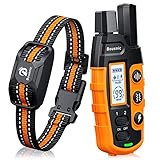
- Humane and Safe, Eliminate Bad Behavior Effectively: Bousnic Dog shock collar features 3 humane training modes with adjustable beep(1-8 levels), vibration(1-16 levels), safe shock(1-99 levels). It helps your unruly and hard-headed dogs learn to be a better part of your household.
- Extended 3300FT Range: Bousnic Dog Training Collar covers up to 3300Ft allowing your pet to roam farther. With dual-channel, It is perfect to train 2 dogs simultaneously outdoor at distances up to 3/4 mile.
- Fits for All Sizes of Dogs 5-120lbs: Bousnic training collar for dogs is ideal to control dogs as small as 5 pounds and as big as 120 pounds. Instant response security on/off switch button allows you to carry it without any fear of accidental touch.
- IP67 Waterproof Receiver: Bousnic electric dog collar can be used in any weather and any condition thanks to the IP67 waterproof design of the receiver (You’ll have to keep the remote control away from water).
- Incredible Battery Life: Bousnic e collar for dogs training has a decent battery life. The receiver’s battery can last for up to 15 days in working modes while the remote for over 1 month. the long battery runtime is a true lifesaver on those camping or tailgating weekends.
The FCI standard describes a deep, low-pitched bark audible from considerable distance. That can deter predators, but may become a neighborhood problem near other homes. The breed’s size and strength also make secure gates, fencing, and careful visitor procedures essential.
- Good fit: Large-flock operations and spacious properties needing a substantial deterrent.
- Watch for: Physical strength, barking, containment, and handling around strangers.
9. Polish Tatra Shepherd
The Polish Tatra Shepherd comes from Poland’s Tatra region and was developed primarily for flock guarding rather than herding. It is predominantly white, calm, alert, intelligent, strong, and mobile.
Recommended Free Tools
This breed may appeal to owners seeking a traditional guardian for sheep in a cold or mountainous environment, especially where genuine working stock is available. It remains an independent LGD, not a conventional obedience-focused farm dog. Its instincts should be shaped through appropriate livestock exposure rather than harsh training.
- Good fit: Sheep operations in cold or mountainous settings.
- Watch for: Independence, size, barking, and the need for proper livestock socialization.
10. Caucasian Shepherd Dog
The Caucasian Shepherd Dog comes from the Caucasus region, where dogs were used to protect livestock and property from wolves and other threats. It is very large, bold, fearless, self-confident, and highly protective.
This is one of the most serious choices on the list. Its size, territorial behavior, and independence can suit experienced handlers with significant guarding needs, but can make obedience training and visitor management difficult. The AKC describes it as a serious guardian breed; it is unsuitable for many first-time owners and properties where strangers frequently enter the dog’s territory.
- Good fit: Experienced handlers with serious guarding needs and excellent containment.
- Watch for: Liability around people and dogs, difficult handling, and inadequate socialization.
How to choose an LGD breed
Start with the predator, not the breed’s reputation
A dog that discourages coyotes may not provide the same protection against wolves or other large, pack-hunting predators. Consider predator species, numbers, and hunting patterns. A small goat pasture beside a road presents a different challenge from a large, remote sheep range.
Quick wins for a faster PC:
Scan for outdated or missing drivers - takes under a minuteDriver Scan →Clear out junk files and repair common Windows errorsFree Scan →Breed size and intensity should match the threat, but “more aggressive” is not automatically better. A highly reactive dog can injure stock, threaten harmless visitors, fight neighboring dogs, or create legal and community problems. A peer-reviewed study found commonly used U.S. LGD breeds effective against coyote depredation but apparently less effective against wolves; protection is not guaranteed. Read the study.
Rank #4

- [4 Effective Training Mode - Recall & Correct Unwanted Dog Behavior] Featuring advanced Safe-Tech with 4 modes: Beep(1-8), Vibration(1-16), Shock(1-99 levels), and Emergency Shock Mode (stimulation for emergency behavior correction), our dog shock collar with remote control lets you customize the intensity and mode for efficient training, whether you're teaching basic commands at home or stopping excessive barking during outdoor walks.
- [Extended 4500FT Range - Ultimate Outdoor Freedom] The e collar for dogs training gives you exceptional long-range control - up to 4,500 feet - perfect for parks, beaches, and hiking trails. Train off-leash with total confidence. This dog training collar also supports 2 dogs with 1 remote, making it ideal for multi-dog homes. Plus, the smart remote remembers each dog’s settings, so switching between pets is seamless and hassle-free!
- [IPX8 Waterproof Collar - Ready for Any Adventure] With industry-leading IPX8 waterproof rating, the dog training collar is built to handle it all: rain, mud, lake swims, or even accidental dunks. No more worrying about water damage. Whether it’s a sudden downpour or a day at the beach, this shock collar for dogs stays fully functional. Let your dog splash, play, and train freely!
- [Adjustable & Comfortable Collar - Perfect for Most Dogs] Designed to fit dogs’ neck sizes from 7.8" to 24.4", this training collar suits small(10+lbs), medium, and large breeds up to 120 lbs - from energetic Terriers and smart Shepherds to playful Labradors, Huskies, and Golden Retrievers. The secure yet gentle fit ensures effective training without discomfort. For your dog’s well-being, we recommend using the collar for no more than 12 hours per day.
- [Long Lasting Battery & Safe-Lock] Enjoy up to 35 days of standby for the ecollar and 45 days for the remote. When it's time to recharge, a 2-hour fast charge gets you back quickly. Plus, the remote’s one-touch Safe-Lock can instantly lock the controls to prevent accidental pushes, so you can carry the remote worry-free in your pocket or bag. Train longer, train safer!
Evaluate the individual dog
There is substantial variation within every LGD breed. Ask breeders or rescue organizations for evidence that the parents or adult dogs have lived successfully with the livestock you keep. Observe whether the dog is attentive to stock, neither excessively playful nor fearful, comfortable resting among the animals, and willing to accept basic handling.
Working genetics generally matter more than fashionable appearance or a registration certificate. A reputable breeder should explain the dog’s family history, health, temperament, livestock experience, and expected adult size. Texas A&M and Ontario’s selection guidance both emphasize individual suitability and responsible selection.
Plan the raising and training
LGD training is mostly about teaching the dog to work safely within your system. A young dog must learn to:
Do these 3 things before closing this tab:
1Scan for outdated or missing drivers - takes under a minute2Repair Windows errors before they cause bigger problems3Fix the driver behind crashes, sound loss and screen glitches- Remain with livestock rather than chase them.
- Respect fences, gates, and boundaries.
- Accept routine feeding, veterinary care, and restraint.
- Ignore normal farm activity while responding appropriately to threats.
- Avoid treating people, pets, or stock as play objects.
Early bonding with suitable livestock is critical. Puppies raised mainly as household pets may be friendly and obedient but fail to develop the right attachment to a flock. Conversely, a dog isolated from people may become unnecessarily difficult or dangerous to handle. Ontario’s guidance discusses selection and appropriate raising.
Account for fencing and neighbors
Many LGDs patrol at night and may test weak spots in a fence. Before bringing one home, inspect gates, corners, livestock panels, and road-facing boundaries. Texas A&M recommends identification tags stating that the dog is a livestock-protection animal, notifying neighbors, and posting signs along public roads.
Barking is normal LGD behavior, not a training failure by itself. Consider whether the property can accommodate the noise without creating conflict.
Remember that an LGD is only one layer of predator control
A guardian dog does not replace good husbandry. Secure night housing, sound fencing, prompt carcass removal, appropriate livestock grouping, deterrents, and local predator-management measures may all be necessary. The USDA Animal and Plant Health Inspection Service (APHIS) recommends an integrated approach rather than relying on one tool.
Best Value

- 3300FT Long-Range Training for Multi-Dog Control – Train your dogs confidently indoors and outdoors. Works well in parks, backyards, or hiking trails. Single remote supports up to 3 dogs simultaneously, allowing effective control over barking, jumping, and leash-pulling with this shock collar for dogs.
- 3 Training Modes – Beep, Adjustable 0-20 Vibration & Shock Levels. Adjust intensity according to your dog's size and sensitivity. Doparet dog training collar with remote provides safe and consistent behavior correction for small, medium, and large dogs.
- LED Light & Night Safety – E-collar and remote include built-in LED lights for nighttime visibility. Helps locate your dog during evening walks, outdoor adventures, or low-light conditions. Suitable for shock collar for small dogs users who train after dark.
- Comfortable Fit & Adjustable for All Breeds – Collar fits necks 8–27 inches and dogs 8–120 lbs. Lightweight and durable design minimizes burden while training. Works for a wide range of dog sizes, including those using a dog shock collar.
- Rechargeable, Waterproof & Safety Lock – IP67 waterproof design allows use in rain, swimming, or muddy terrain. Fast USB charging with up to 35 days standby on collar and 45 days on remote. Safety lock prevents accidental shocks, making this shock collar suitable for extended outdoor use.
LGDs can also affect non-target wildlife. Texas A&M warns that some dogs harass or kill small game, and that changes in available prey may influence predator behavior. Monitor the dog’s impact beyond the livestock pasture, especially where wildlife conservation matters.
Independent reader supportYour contribution helps us test, update, and keep practical guides available for everyone.Breed comparison
| Breed | Typical strength | Key management concern |
|---|---|---|
| Great Pyrenees | Approachable, steady flock guardian | Heat, coat, barking, roaming |
| Anatolian Shepherd | Independent guardian for large properties | Territorial behavior and fencing |
| Akbash | Fast, athletic, protective | Stranger and dog suspicion |
| Maremma Sheepdog | Stays close to the flock | Correct early bonding |
| Komondor | Territorial Hungarian flock guardian | Cords and visitor management |
| Kuvasz | Livestock and property guardian | Independent protective instincts |
| Tibetan Mastiff | Imposing territorial guardian | Visitor management |
| Spanish Mastiff | Powerful large-flock deterrent | Size, barking, containment |
| Polish Tatra Shepherd | Traditional flock guardian | Cold-climate suitability and independence |
| Caucasian Shepherd | Very serious predator and property guardian | Experienced handling required |
FAQ
What is the best livestock guardian dog breed?
There is no universally best LGD breed. Predator species, climate, livestock, property size, fencing, neighbors, and the individual dog’s working temperament all matter. A proven working dog from a reputable breeder is often a better choice than a popular breed selected without regard to those conditions.
Are livestock guardian dogs the same as herding dogs?
No. Herding dogs are bred to move livestock in response to a handler. LGDs usually live with the animals and protect them through vigilance, territorial behavior, barking, patrolling, and possible confrontation with predators.
Can an LGD protect livestock from wolves?
An LGD may help deter or confront wolves, but protection is not guaranteed. A peer-reviewed study found commonly used U.S. LGD breeds may be less effective against wolves than coyotes. Large-predator areas may require multiple dogs and additional husbandry and deterrent measures.
What’s actually slowing this PC down?
Pick the symptom - the matching free tool is one click away.
Can a livestock guardian dog be a family pet?
Some LGDs are affectionate with their families, but they remain independent, territorial working dogs. Their behavior around visitors, unfamiliar dogs, roads, and neighbors must be managed carefully. A dog raised only as a household pet may also fail to bond appropriately with livestock.
The Bottom Line
Choose an LGD for the job and the individual dog, not simply for size, color, or popularity. Match working temperament to predator pressure, raise the dog correctly with livestock, provide secure containment, and combine it with other predator-management measures. Even a well-bred guardian is not a substitute for good fencing, husbandry, and responsible supervision.
Quick Recap
Product prices and availability are accurate as of the date/time indicated and are subject to change. Any price and availability information displayed on Amazon at the time of purchase will apply.




