Australia’s frightening bugs are not all equally dangerous. A funnel-web spider is a genuine emergency, while a huntsman is mostly a large, fast-moving housemate. For pet owners, the main concerns are venomous bites and stings, paralysis ticks, disease-carrying mosquitoes, and invasive fire ants that may attack animals in groups.
Keep pets away from nests, woodpiles, long grass, rock piles and undisturbed garden debris. After walks or time outdoors, check dogs and cats carefully—especially around the ears, face, neck, between the toes and under collars. If your pet may have been bitten or stung and develops breathing trouble, weakness, vomiting, tremors, collapse or unusual drooling, contact a veterinarian immediately.
1. Sydney funnel-web spider
Atrax robustus is one of the best-known members of Australia’s eastern funnel-web group. Funnel-webs are usually around 1–5 cm in body length, but their heavy bodies, shiny dark colouring and prominent fangs make them especially alarming when discovered in garages, gardens or swimming pools.
Their venom can cause sweating, nausea, muscle twitching, breathing difficulty and loss of consciousness in people. A dog or cat that mouths one may drool, vomit, tremble, become weak or collapse. Treat a suspected bite as a veterinary emergency. Do not wait to identify the spider or try home remedies; take a photograph only if it can be done safely.
#1 Best Overall
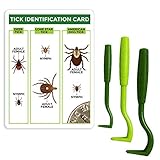
- ✔️ EASY & AFFORDABLE TICK REMOVAL - The hook tip is designed to safely and easily remove ticks from humans or pets, and can be easier to use on a thick-furred, feisty dog or cat than a pair of tweezers.
- ✔️ DURABLE & COMPACT DESIGN - These tick removers are durable, lightweight, and pocket sized, which makes it easy to take with you in your first aid kit or backpack
- ✔️ INCLUDES THREE SIZES OF TICK REMOVER - Keep them together to provide more options, or give one to each member of your family!
- ✔️ FREE TICK ID CARD & STORAGE POUCH - This 3-piece set includes a free pocket-sized Tick Species ID Card, plus a resealable storage pouch
- ✔️ UNIVERSITY RECOMMENDED TICK REMOVAL - Follow the included instructions for safe and complete tick removal by pulling, not twisting, the tick
2. Redback spider
Redbacks live across Australia and commonly build tangled webs around sheds, garden furniture, outdoor toilets, pot plants and other sheltered structures. The female is roughly the size of a large pea and usually has a conspicuous red stripe on her abdomen.
A redback bite can cause intense, persistent pain, sweating, headache, muscle weakness and spasms. Modern treatment means bites are generally not life-threatening to people, but a pet that has been bitten still needs prompt veterinary advice. Dogs and cats often investigate webs with their noses or paws, so keep them away from cluttered corners and shake out bedding stored outdoors.
3. Mouse spiders
Mouse spiders in the genus Missulena are stocky, short-legged spiders with bulbous heads. They grow to about 10–35 mm and are often mistaken for funnel-webs, especially when a large black individual emerges from soil or leaf litter.
Bites are uncommon, but some have caused serious symptoms resembling funnel-web envenomation. No human death has been recorded from a mouse-spider bite, yet that is not a reason to handle one—or allow a curious terrier or cat to play with it. Keep pets away from burrows and call a veterinarian if neurological or breathing symptoms follow a suspected bite.
Free tools Windows power users keep installed
One-click scans. No signup required.
4. Australian tarantula, or barking spider
Australian tarantulas can have a body length of 2–11 cm and a leg span of up to 20 cm. Some can make a barking or whistling sound by rubbing parts of their body together. Their fangs may approach 1 cm, which explains why even a usually defensive spider deserves plenty of space.
They are not generally aggressive, but a provoked bite can be painful. Nausea and vomiting lasting six to eight hours have been reported in people. A pet may be injured if it corners one in a shed or under a log, so use a barrier to separate the animal rather than trying to catch the spider by hand.
5. Huntsman spider
Huntsman spiders are the classic Australian jump scare: they appear on walls, behind car sun visors and across dashboards, sometimes with a leg span of about 15 cm. Their size and speed are unsettling, but they are not considered dangerous to humans and generally try to escape instead of attack.
Rank #2

- ✔️ BEST TICK REMOVERS FOR PEOPLE OR PETS - Kit includes stainless steel tick remover for safely removing larger embedded ticks, and a specially shaped super-fine-tip tweezer for removing nymphs and small deer ticks, in a leatherette pouch
- ✔️ UNIVERSITY TESTED - The tools in this tick removal kit have been field-tested and designed for easily and safely removing embedded adult and nymph ticks from humans, dogs, cats, or other pets
- ✔️ FREE TICK IDENTIFICATION CARD to easily identify the most common species of ticks in the United States
- ✔️ SUPPORT LYME RESEARCH - A portion of the proceeds of this tick remover kit helps fund university research on ticks and Lyme
- ✔️ PERFECT FOR OUTDOORS ENTHUSIASTS - Keep your tick remover kit in your first aid kit, glove compartment, or backpack to easily remove ticks wherever you go
They are also not Australian tarantulas; the two groups are unrelated. A huntsman may cause a pet to bark, panic or swat, but it is not usually a serious venom threat. Avoid spraying it with insecticide indoors. Move pets to another room and, if necessary, have the spider removed using a container and stiff card—or ask a local wildlife or pest professional for help.
Outdated Drivers Are Slowing You Down
One free scan finds every outdated or missing driver and matches the right update for your exact hardware.Free scan · exact hardware matchWindows Errors? Fix Them Before They Spread
Repair common Windows errors and clear accumulated junk for a smoother, more stable PC - no reinstall needed.Free scan · no reinstall6. Giant centipede
Ethmostigmus rubripes is Australia’s largest native centipede, reaching about 16 cm. It occurs across the country and hides under rocks, logs, bark and garden debris. Its modified first pair of legs, called forcipules, inject venom.
A bite can cause severe pain lasting several days. Australian centipede bites have not been recorded as fatal, but a dog or cat may suffer significant pain after nosing through leaf litter or disturbing a hiding place. Wear gloves when moving garden materials, keep pets away from piles of timber and contact your vet if swelling, pain or abnormal behaviour persists.
7. Bull ant or bulldog ant
Australia has around 90 bull-ant species in the genus Myrmecia. They range from about 8 mm to 40 mm and have unusually good vision. Some will track an intruder and chase it away from the nest.
A bull ant grips with its mandibles, curls its abdomen forward and stings—often more than once. Multiple stings can be particularly dangerous for a pet, and the venom may trigger a severe allergic reaction. Keep dogs on a lead around visible ant activity and do not let them dig at nests. Sudden facial swelling, hives, weakness, vomiting or breathing difficulty requires immediate veterinary care.
Quick wins for a faster PC:
Clear out junk files and repair common Windows errorsFree Scan →Fix the driver behind crashes, sound loss and screen glitchesFind Drivers →8. Australian paralysis tick
The Australian paralysis tick, Ixodes holocyclus, is concentrated mainly in humid coastal areas of eastern Australia. It can infest wildlife, livestock, dogs, cats and people. Adult ticks are unpleasant enough to find; larvae may be only about 0.5 mm across and can be almost impossible to spot without a careful search.
Tick bites may cause allergic reactions and, rarely, paralysis; tick typhus is another possible complication. In pets, warning signs may include a changed bark or meow, gagging, coughing, vomiting, weakness in the back legs, wobbliness or difficulty breathing. Use a veterinary-approved tick preventive appropriate for the species and weight of your pet, and inspect the animal after outdoor trips. Never apply a dog tick product to a cat unless the label specifically says it is safe for cats.
Rank #3

- 10-IN-1 COMPLETE TICK REMOVAL KIT - This all-inclusive set serves as the best tick remover for dogs, cats, and family safety. It strictly includes: 3x Stainless Steel Tools (Tick Remover + Tweezers + Clips), 2x Spoon-Shaped Tick Removal Tools, 2x Flea Combs, 1x Magnifying Glass, 10x Cleaning Pads, 1x Tick Identification Card, and 1x Breathable Mesh Storage Bag. This tick kit outperforms single tools, providing the right instrument for every tick removal scenario.
- INNOVATIVE SPOON-SHAPED TICK REMOVER TOOLS - Our newly designed scoop-levers function as an effective tick puller and tick pick. Unlike a flat tick key, the curved spoon shape allows you to catch the pest during the twist action. This tick tool enables you to slide under the object and lift it intact, making it a superior tick remover for engorged pests.
- PRECISION TICK TWEEZERS FOR HUMANS & PETS - Crafted from rust-resistant stainless steel, these tweezers for tick removal feature ultra-fine tips to grasp tiny nymphs. Whether used as a tick remover for humans or a tick remover for dogs, the high-tension grip allows for steady manual extraction without slipping, ensuring the head is removed alongside the body.
- SAFE MECHANICAL TICK REMOVER PROTOCOL - Designed solely for physical extraction, this tick remover tool works by mechanical leverage. The V-slot tick puller for dogs allows you to lift the pest without squeezing its abdomen. This manual tick removal tool for dogs and cats avoids the risks associated with chemical sprays, offering a gentle solution for sensitive skin.
- PORTABLE DOG TICK REMOVER TOOLS FOR OUTDOORS - Lightweight and compact, this tick removal tool for humans and pets is essential for hiking or camping. It fits easily in backpacks alongside other tick stick gear. The included magnifier and comb help you spot pests early, making this the ultimate tick removal tool set for active owners and their four-legged companions.
9. Australian scorpions
Australia has 29 described scorpion species in six genera. They are mostly nocturnal and live in places ranging from gardens and forests to deserts and tropical regions. Some grow to about 12 cm, and northern species tend to be larger and more venomous.
Scorpion stings usually cause local pain and inflammation lasting several hours, but the exact risk depends on the species and the victim. A cat batting at a scorpion or a dog investigating one with its mouth can receive a sting to the face or tongue. Shake out shoes, bedding and outdoor gear before use, and ask a veterinarian for advice after any suspected sting.
10. Cicada-killer wasp
Australian cicada-killer wasps in the genus Exeirus can reach about 4 cm and are sometimes incorrectly called “Australian hornets.” Australia has no native hornets; these large insects are wasps.
The female captures and paralyses a cicada, drags it underground and leaves it as food for her larva. Despite their size, cicada-killer wasps are not aggressive and are unlikely to sting unless extremely provoked. A dog that snaps at one may still receive a painful sting, so discourage chasing insects and leave active burrows alone.
11. Paper wasp
Paper wasps build open, papery nests beneath branches, verandas and house eaves. Native Polistes species occur throughout Australia, and the introduced Asian paper wasp has also been reported in several inner-city Sydney suburbs. They are usually tolerant when left alone, but nest disturbance can provoke defensive attacks.
One sting is painful; multiple stings can cause a more serious systemic reaction. Keep pets away from nests rather than knocking them down while animals are nearby. If a nest is close to a kennel, cat door or frequently used path, use a qualified pest professional and follow any instructions about keeping pets away during treatment.
12. Mosquitoes
More than 350 mosquito species occur in Australia. Only females bite, and most Australian mosquitoes do not carry disease, but infected mosquitoes can transmit illnesses including Ross River virus and Japanese encephalitis.
Rank #4
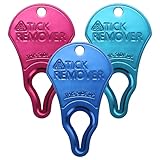
- Emergency Tool
- Portable and Daily
- Safe and Reliable for Humans and Pets
- Fast and Painless for Skin and Hair
- Essentials Tool for Outdoor Activities
Ross River virus can cause fever, rash and prolonged joint pain. Japanese encephalitis can cause serious neurological disease and can be fatal in a small proportion of symptomatic cases. Pets can also suffer from mosquito bites and, depending on species and location, mosquito-borne disease. Reduce exposure by removing standing water from pot saucers, buckets and children’s toys, keeping pets indoors during peak mosquito activity where practical, and discussing region-appropriate preventives with your veterinarian. Never use human insect repellent on an animal unless a vet has specifically approved it.
13. Red imported fire ant
The red imported fire ant, Solenopsis invicta, is not native to Australia. Established populations are contained in south-east Queensland, while isolated incursions elsewhere have been detected and treated. Biosecurity authorities also reported a Sydney interception in 2025.
These ants attack in groups and can sting repeatedly. Pets may step into a nest or lie on an infested patch, receiving many stings before they can escape. Signs can include intense distress, swelling, vomiting, weakness and breathing problems. Move the animal away from the ants without putting yourself at risk, contact a veterinarian urgently if symptoms are significant, and report suspected fire ants through the relevant state or territory biosecurity channel. Do not disturb or transport a suspected nest.
Recommended Free Tools
Scary Australian bug myths that need retiring
White-tailed spiders do not have a proven flesh-eating bite
More than 100 investigated white-tailed spider bites found no cases of the necrotic ulcers popularly blamed on these spiders. Bites can still cause pain, redness, swelling or irritation, so a worsening wound should be assessed by a doctor or veterinarian—but “flesh-eating spider” is not a reliable diagnosis.
Huntsman spiders are not medically important monsters
Their size, speed and habit of appearing indoors make huntsmen memorable. They are nevertheless regarded as low risk to people and are usually more interested in escaping than attacking. The same common-sense approach applies around pets: prevent swatting, but do not panic or reach for a fogger.
Daddy-long-legs are not proven to be the world’s most venomous spiders
There is no good evidence that their venom is dangerously toxic to humans. Their small fangs also generally cannot pierce human skin effectively. They are not a reason to poison every web in a shed.
Independent reader supportYour contribution helps us test, update, and keep practical guides available for everyone.What to do after a suspected bite or sting
- Move the pet away from the insect or spider. Avoid being bitten or stung yourself, and do not handle the animal responsible.
- Call your veterinarian or an emergency veterinary hospital. Describe the location, time, symptoms and any preventive medication the pet uses.
- Watch breathing and consciousness. Collapse, weakness, tremors, repeated vomiting, facial swelling, paralysis or breathing difficulty means urgent transport.
- Do not give human painkillers or antihistamines unless a veterinarian tells you to. Several common human medicines are toxic to pets, and the correct dose depends on the animal.
- Do not apply ice, alcohol, essential oils, insecticide or a tourniquet. These can worsen injury or delay proper treatment.
For people, a suspected funnel-web or other large black-spider bite is an emergency: call 000, keep the person still, and use a pressure-immobilisation bandage and splint. That technique is not a substitute for veterinary guidance in an animal and should not be used for ordinary spider bites or redback bites.
The Tool Desk
Outbyte Driver Updater FREEScan for outdated or missing drivers - takes under a minuteDriver Scan →Outbyte PC Repair FREEClear out junk files and repair common Windows errorsFree Scan →Best Value
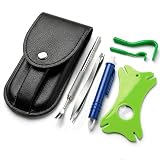
- 6-in-1 Professional Tick Removal Kit: The ultimate tick remover kit from VENOMKILLER includes precision stainless steel tick removal tweezers, multi-size tick hooks, and a slim tick removal card for complete coverage. A powerful, all-in-one tick removal tool for dogs and trusted tick remover for humans-built for real outdoor situations
- Fast, Safe & Controlled Tick Remover For Dogs and Cats: Remove embedded ticks cleanly without squeezing. This tick removal tool works as a reliable tick puller for dogs and cats, effective pet tick remover tool, and precise tick puller for humans, helping you act immediately after every tick check
- Precision Stainless Steel + Multi-size Pet Accessory Tools: Professional-grade tweezers for tick removal deliver superior grip and accuracy, while durable plastic tick hook and tick spoon remover options adapt to small and large ticks. Built for repeated use and easy cleaning in any environment
- Compact First Aid Essential For Outdoors: Organized in a premium leather pouch, this tick remover for humans doubles as a compact tick remover first aid kit. Lightweight, portable, and always ready in your backpack, glove box, hiking gear, or travel bag
- Designed For Families & Pet Owners: A dependable pet tick remover and versatile tick removal tool for cats and dogs. This complete tick kit keeps your household prepared for camping, hiking, gardening, vacations, and everyday outdoor adventures
FAQ
Which Australian bug is the biggest danger to dogs and cats?
There is no single answer for every region, but paralysis ticks, funnel-web spiders, bull ants and fire ants are among the most urgent concerns. Paralysis ticks are especially important because a bite may be difficult to see while envenomation can rarely cause paralysis.
How can I protect my pet from Australian paralysis ticks?
Use a veterinary-approved tick preventive suited to your pet’s species and weight, and check the animal after walks or garden time. Examine the ears, face, neck, toes, groin and under collars. If your pet develops weakness, gagging, vomiting, a changed voice or breathing trouble, seek emergency veterinary care.
Should I kill a huntsman spider if I find one in the house?
Usually not. Huntsman spiders are large and startling but are not considered dangerous to humans. Keep pets away, then relocate the spider with a container and card or ask a pest or wildlife professional for help. Avoid spraying insecticide around animals.
What should I do if my pet is bitten or stung?
Remove the pet from the area, prevent further exposure and call a veterinarian. Do not give human medication or apply household chemicals. Treat breathing difficulty, collapse, severe swelling, tremors, vomiting, weakness or suspected paralysis as an emergency.
Do these 3 things before closing this tab:
1Fix the driver behind crashes, sound loss and screen glitches2Repair Windows errors before they cause bigger problems3Scan for outdated or missing drivers - takes under a minuteThe Bottom Line
Australia’s most intimidating bugs are a mixed group: some are mostly harmless, some deliver painful venom, and paralysis ticks and fire ants can pose serious risks to pets. Prevention does the most work—use reliable tick control, inspect animals after outdoor activity, keep pets away from nests and clutter, and never assume a bite is harmless because the culprit is small.
Sources: Australian Museum funnel-web information, Australian Museum Australian paralysis tick guide, Healthdirect mosquito information and Australian Government fire-ant information.
Quick Recap
Product prices and availability are accurate as of the date/time indicated and are subject to change. Any price and availability information displayed on Amazon at the time of purchase will apply.




