A bird dog is a practical term—not an AKC breed category—for dogs bred to locate, flush, or retrieve game birds. Pointers and setters indicate upland birds, spaniels typically flush birds from cover, and retrievers specialize in bringing downed birds back, especially from water. The right breed depends on your quarry, terrain, training experience, exercise capacity, and the dog’s breeding line.
The breeds below are options, not an objective ranking, and none is automatically a top-notch hunter or an ideal pet. Field- and show-oriented lines can differ, and a dog’s performance depends on breeding, health, early exposure, training, handler skill, and individual temperament.
As an Amazon Associate I earn from qualifying purchases.
Bird dog breeds at a glance
| Breed | Traditional job | Best suited to | Main household consideration |
|---|---|---|---|
| Brittany | Pointing | Upland hunting in a compact package | Needs substantial daily activity |
| German Shorthaired Pointer | Pointing, retrieving, tracking | All-purpose hunting | Very high energy and prey drive |
| German Wirehaired Pointer | Pointing and retrieving | Rough terrain and cold, wet conditions | Needs both physical and mental work |
| English Setter | Pointing | Quail, pheasant, grouse, and other upland birds | Field lines can have considerable stamina |
| Vizsla | Pointing and retrieving | Close-working active owners | Does poorly with isolation and boredom |
| Irish Setter | Pointing | Fast-paced upland work and active families | Young dogs mature slowly |
| English Springer Spaniel | Flushing and retrieving | Birds in grass, bramble, and cover | Requires exercise, grooming, and interaction |
| Boykin Spaniel | Flushing and retrieving | Compact waterfowl and small-boat work | Small size does not mean low energy |
| American Water Spaniel | Flushing and retrieving | Land-and-water hunting | Can be aloof or stubborn |
| American Cocker Spaniel | Flushing | Smaller upland hunting dogs | Working ability varies greatly by line |
| English Cocker Spaniel | Flushing | Compact, energetic upland work | Working and conformation lines differ |
| Labrador Retriever | Retrieving | Waterfowl hunting and family life | Young Labs can be very exuberant |
| Golden Retriever | Retrieving | Active families and field work | Companion lines may lack hunting drive |
| Chesapeake Bay Retriever | Retrieving | Cold, rough waterfowl conditions | More independent and reserved |
| Wirehaired Pointing Griffon | Pointing and retrieving | Versatile work across land and water | Not a low-exercise house dog |
Pointing breeds and setters
Pointing dogs search for birds and indicate their location by stopping, freezing, or otherwise directing the hunter toward the game. Setters perform the same broad job, traditionally using a distinctive, often lower stance. These dogs are generally best for upland hunters who want to find birds before the shot rather than have the dog immediately push them from cover.
Outdated Drivers Are Slowing You Down
One free scan finds every outdated or missing driver and matches the right update for your exact hardware.Free scan · exact hardware matchPC Slower Than It Used to Be?
A free scan shows the junk files, broken settings and background clutter dragging Windows down - then fixes them in one click.Free scan · Windows 10 & 111. Brittany
The Brittany is a medium-sized, agile pointing dog valued for stamina, scenting ability, and willingness to work. Its manageable size can be appealing when you want an athletic hunting partner without a large retriever or pointer.
#1 Best Overall

- Easy-to-blow design
- Long range control
- Protects handler's ear
- Directs sound forward
At home, Brittanys can be affectionate and cooperative, but they are not naturally suited to a sedentary routine. Regular running, training, scent work, and field exercise help prevent the frustration that can make an underworked Brittany difficult to live with.
Best fit: An upland hunter wanting a relatively compact, energetic dog.
Watch-out: It is not a low-exercise household pet.
2. German Shorthaired Pointer
The German Shorthaired Pointer, or GSP, was developed as an all-purpose hunting dog. It can point, retrieve, track wounded game, and work on land or in water. That versatility makes it attractive to hunters who want one dog for several jobs.
What’s actually slowing this PC down?
Pick the symptom - the matching free tool is one click away.
GSPs are usually affectionate, intelligent, eager to please, and family-oriented. Their energy, however, is considerable. Without enough exercise and mental work, a GSP may become destructive or difficult to manage. The adolescent period can be especially demanding; owners should be prepared for a challenging stretch from roughly 6 months to 3 years of age.
Best fit: Active hunters who want a versatile pointing, retrieving, and outdoor-sports dog.
Watch-out: A poor match for a sedentary owner.
3. German Wirehaired Pointer
The German Wirehaired Pointer combines pointing ability with retrieving versatility. Its harsh, weather-resistant coat helps protect it while working through rough cover and cold water, making it a practical choice for hunters who deal with changing conditions.
This is an intelligent, responsive, affectionate breed, but its coat is easier to maintain than its lifestyle. German Wirehaired Pointers need daily physical activity, training, and time with their people. Long periods alone can contribute to unwanted behavior.
Best fit: A hunter needing a rugged pointing and retrieving dog for land and water.
Watch-out: Easy-care grooming does not make the breed low-maintenance.
4. English Setter
English Setters locate upland birds by scent and indicate where they are rather than immediately flushing or chasing them. They have traditionally been used for birds such as quail, pheasant, and grouse.
The breed is known for a sweet, sociable temperament in the home. Field-bred English Setters can have substantial stamina, though, so prospective owners should ask exactly what a breeder selects for. A show-oriented dog and a field-oriented dog may not have the same working drive or exercise requirements.
Rank #2

- Easy-to-blow design and convenient key ring connector
- High-pitched sound, excellent for puppies and close-work
- Will not freeze, making it ideal for colder weather
- No trill, pealess design
Best fit: Upland hunters who want a pointing setter.
Watch-out: Ask whether the line is field-bred, show-bred, or intended to combine both traits.
Free tools Windows power users keep installed
One-click scans. No signup required.
5. Vizsla
The Vizsla is an energetic Hungarian pointing breed that often enjoys retrieving as well as field work. Its short coat is simple to maintain, and its affectionate, people-focused temperament makes it a close companion for an active owner.
That attachment can become a problem when the dog is routinely left alone or receives little exercise. Vizslas generally suit people who want an involved outdoor partner for hunting, running, hiking, training, or other demanding activities—not someone looking for an independent dog that is content to lounge most of the day.
Best fit: An active hunter who wants a close-working, people-oriented dog.
Watch-out: Boredom and separation-related problems can develop when companionship and activity are neglected.
6. Irish Setter
The Irish Setter is a fast, high-spirited upland dog recognized for its red or mahogany coat, stamina, and graceful movement. It can be both an athletic hunting partner and a friendly, affectionate family dog.
Recommended Free Tools
Irish Setters mature slowly compared with what some owners expect. A young dog may remain exuberant and physically demanding for several years, so a future owner needs a realistic plan for exercise, obedience, and safe outlets for that energy.
Best fit: An active family or hunter wanting an outgoing upland companion.
Watch-out: Do not mistake a friendly temperament for a calm puppyhood.
Flushing spaniels
Flushing spaniels work closer to the hunter than many pointing breeds. They search grass, brush, bramble, and other cover, then push birds into flight so the hunter can take a shot. Many also retrieve the bird afterward.
7. English Springer Spaniel
The English Springer Spaniel was bred to find and flush game birds from cover and retrieve downed birds. It is energetic, intelligent, eager to please, and strongly attached to its family.
That combination makes the Springer a popular dual-purpose dog: capable in the field and affectionate at home. It still needs regular exercise, training, grooming, and human interaction. A Springer that spends most of its time inactive may become noisy, restless, or destructive.
Rank #3
- Ergonomic & Ear-Friendly - The SportDOG Roy Gonia Special Whistle features a comfortable, easy-to-blow design that protects handler's ears during everyday use and obedience whistle training
- Long Range Projection: Lower-pitched, loud whistle with a forward sound output carries commands far for effective field training, long-distance pet communication, and hunting dog recall
- Durable & Visible – This comfortable training device features a rugged tough build with durable plastic construction and high visibility colors for easy spotting and reliable outdoor use
- Built for the Field: SportDOG gear was designed by professionals who demand durable, no-nonsense tools that perform in real-world conditions without fail
- Trusted by Serious Trainers: Professionals rely on SportDOG for proven performance, consistent control, and expert-backed training guidance that gets results
Best fit: Pheasant hunters and families wanting a close-working, biddable dog.
Watch-out: Plan for both field conditioning and coat care.
8. Boykin Spaniel
The Boykin Spaniel is a medium-sized flushing and retrieving breed developed in South Carolina. Its history includes work in lakes and swamps, and it is a capable swimmer and waterfowl dog. Its size can be useful for hunters who work from smaller boats or want a more compact partner.
Boykins are typically eager, trainable, affectionate, and gentle in the home. They nevertheless need substantial daily exercise. A small or medium body should not be confused with a small need for work.
Best fit: A hunter wanting a compact flushing and retrieving dog, particularly for waterfowl.
Watch-out: It still needs an active daily routine.
9. American Water Spaniel
The American Water Spaniel was developed in the Upper Midwest for retrieving on land and in water. It generally enjoys swimming and field work and offers versatility in a medium-sized body.
The breed is upbeat and eager, although individual dogs can be aloof with strangers or somewhat stubborn. Early training and steady expectations matter, especially for owners accustomed to more immediately biddable retrievers.
Best fit: A hunter seeking a medium-sized land-and-water dog.
Watch-out: The breed is relatively uncommon, so finding an experienced breeder may take time.
The Tool Desk
Outbyte PC Repair FREEClear out junk files and repair common Windows errorsFree Scan →Outbyte Driver Updater FREEScan for outdated or missing drivers - takes under a minuteDriver Scan →10. American Cocker Spaniel
The American Cocker Spaniel descends from dogs bred to find and flush game birds. It is smaller than many traditional gundogs and is widely kept as a companion, with an affectionate and trainable temperament.
Hunting ability varies significantly between lines. A working-bred Cocker may be an enthusiastic field dog, while a companion- or show-bred dog may not have the same drive, stamina, or interest in hunting. Ask breeders about field records and working titles rather than relying on the breed name alone.
Best fit: A hunter wanting a smaller flushing dog that can also be a close family companion.
Watch-out: Do not assume every pet-bred Cocker is a field dog.
Rank #4
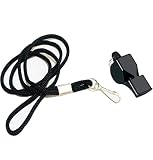
- Versatile Pealess Whistle – Ideal for hunters who want to avoid their whistle failing in cold weather due to freezing, jamming, or deterioration this small dog whistle doesn’t contain a pea to ensure it works in any condition.
- Enhanced ABS Plastic Construction – Crafted with high-impact ABS plastic our bird dog whistle is completely waterproof and works even when you’re out there hunting waste deep in your favorite pond, so you can be prepared for real-world training.
- Compact and Portable – As a bird hunter you’re always on the move and putting yourself in pretty uncomfortable situations to get the right angle, shot, or placement which is why our dog whistle training tool fits in pockets, bags, and pouches.
- Sharp, Clear Whistle Tones – We want to ensure your dog can respond to your calls quickly and with precision which is why when you’re looking for a dog whistle to make dogs come to you get a HuntEmUp that never fails you out there in the field.
- Trusted US-Based Company – As an American-made company we take pride in the quality of our products and the responsiveness of our customer support, so you can be sure every order comes with unmatched US-based service that can’t be beat.
11. English Cocker Spaniel
The English Cocker Spaniel is a compact flushing breed known for energetic field work and a comparatively mellow home temperament. It can participate in hunting tests and field trials and is often a practical choice for upland hunters who prefer a smaller dog.
In the United States, the English Cocker and American Cocker are separate AKC breeds. Their names are not interchangeable, and working ability can vary within both breeds according to the line.
Best fit: An upland hunter wanting a compact, energetic flushing dog.
Watch-out: Check whether the breeder’s dogs are selected for field work or conformation.
Retrievers
Retrievers specialize in bringing downed birds back to the hunter. They are especially valuable for waterfowl, where a dog can enter cold or difficult water and deliver the bird without damaging it. Many retrievers are also adaptable family dogs, but they still need daily exercise and training.
12. Labrador Retriever
The Labrador Retriever is one of the most versatile retrieving breeds and was developed to bring back downed birds, particularly from water. Labs are generally outgoing, affectionate, trainable, and adaptable, which helps explain their popularity as both hunting and family dogs.
Do these 3 things before closing this tab:
1Scan for outdated or missing drivers - takes under a minute2Clear out junk files and repair common Windows errors3Fix the driver behind crashes, sound loss and screen glitchesA Lab is not automatically calm simply because it has a friendly reputation. Young dogs can be physically exuberant, and an under-stimulated Lab may become hyperactive or destructive. Daily exercise, retrieving games, obedience, and access to appropriate outlets are important.
Best fit: A waterfowl hunter wanting a highly trainable family retriever.
Watch-out: “Easygoing” does not mean inactive.
13. Golden Retriever
The Golden Retriever was developed as a working retriever and remains capable of hunting and field activities. Its friendly, intelligent, adaptable nature often makes it one of the easier bird dogs to integrate into an active family.
There is important variation between lines. A field-bred Golden may have the stamina and drive needed for demanding work, while a companion-bred dog may be better suited to recreation than serious hunting. Goldens also shed moderately throughout the year and more heavily during seasonal changes.
Quick wins for a faster PC:
Repair Windows errors before they cause bigger problemsFix Now →Fix the driver behind crashes, sound loss and screen glitchesFind Drivers →Clear out junk files and repair common Windows errorsFree Scan →Best fit: An active family wanting a sociable retriever that can also work in the field.
Watch-out: Evaluate the breeder’s actual field records, not just the breed label.
Best Value

- Preferred by Labrador, Retriever, Collie, Greyhound and larger breeds. Offers a longer range than the 210.5, approximately 450-500 yards.
- Developed over four years in collaboration with World Champion dog trainers to create an unrivalled whistle. Patented sound chambers offer a more efficient use of air. That means brighter sound giving you better command and a more responsive dog, close- to and over distance.
- Standardized Frequency: 5400Hz. The Acme 211.5 Alpha maintains a standardized frequency, ensuring your dog recognizes your call. Choose a different color whistle for your partner, family members, dog walker, or even to match an outfit for a special occasion, knowing that your dog will respond to the whistle, whoever is blowing it!
- Made from BPA-free plastic to food-grade standards, with new and improved all over ergonomic grip offers softness in the mouth and perfect handling in all conditions.
- Genuine ACME whistle made and rigorously tested in the UK by specialists with over 150 years of experience.
14. Chesapeake Bay Retriever
The Chesapeake Bay Retriever is a powerful American waterfowl dog built for difficult conditions. Its oily, wavy, water-resistant coat and physical strength help it work in rough, cold water.
Chessies are loyal and affectionate with their families but are often more independent and reserved with strangers than Labradors or Goldens. They benefit from early socialization, consistent obedience training, extensive exercise, and a job to do. This is usually a better choice for an experienced working-dog owner than for someone seeking an effortlessly social pet.
Best fit: An experienced waterfowl hunter needing a durable dog for challenging conditions.
Watch-out: Expect more independence and reserve than in many other retrievers.
15. Wirehaired Pointing Griffon
The Wirehaired Pointing Griffon was developed as a versatile dog able to point and retrieve on dry land, in marshes, and in water. Its dense undercoat and wiry outer coat provide protection in wet, cold, and abrasive environments.
This combination makes the breed attractive to hunters who want one dog for varied terrain and several jobs. It also means the Griffon needs an active lifestyle. It is a poor match for anyone looking for a quiet, low-exercise house dog.
Best fit: A hunter wanting a versatile pointing and retrieving dog for changing terrain and weather.
Watch-out: Its outdoor versatility comes with high exercise requirements.
How to choose the right bird dog
- Start with the birds and terrain. Choose a pointing breed for many upland situations, a flushing spaniel for birds in dense cover, and a retriever for downed birds—especially waterfowl. Versatile breeds can combine jobs, but no dog should be assumed to excel at every task.
- Decide how much dog you can exercise. Most bird dogs need more than a short walk. Consider daily conditioning, training sessions, retrieving, scent work, and safe opportunities to run.
- Ask about the line, not only the breed. Request information about the parents’ hunting records, field tests, titles, health screening, and temperament. Use terms such as “field-bred” and “dual-purpose” only when records support the description.
- Match independence to your experience. A Chesapeake may suit an experienced handler who values a serious water dog, while a Labrador or Golden may be easier for some families to manage socially. Individual temperament still matters.
- Plan for the household as well as hunting season. Consider shedding, grooming, swimming access, time alone, children, other pets, fencing, and what the dog will do during the off-season.
- Train the individual dog. Natural instinct is a starting point, not proof that a dog is trained or field-proven. Hunting-test eligibility only means a dog can participate under defined rules; a title does not replace real hunting experience or reliable training.
Important naming and expectation details
The AKC officially changed the breed name from “Brittany Spaniel” to Brittany in 1982 because the breed was considered more closely aligned with pointing dogs than spaniels. Also, “Cocker Spaniel” and “English Cocker Spaniel” refer to separate AKC breeds in the United States.
Crashes, No Sound, or Screen Glitches?
Random freezes, missing sound and display glitches usually trace back to one bad driver. Find and replace yours safely.Free scan · under a minuteWindows Errors? Fix Them Before They Spread
Repair common Windows errors and clear accumulated junk for a smoother, more stable PC - no reinstall needed.Free scan · no reinstallFinally, “family-friendly” should not be confused with “easy.” The same stamina, prey drive, scenting ability, and eagerness that make a bird dog effective can create digging, chewing, roaming, barking, or restlessness if the dog lacks sufficient work. Breeding, early exposure, health, training, handler skill, and individual temperament all influence the result.
FAQ
What is the best bird dog for a family?
There is no universal best choice, but Labrador Retrievers, Golden Retrievers, English Springer Spaniels, and some Brittanys can combine hunting ability with an affectionate family temperament. The individual dog, its breeding line, and your ability to provide daily activity matter more than reputation alone.
Which bird dogs are best for waterfowl hunting?
Labrador Retrievers, Chesapeake Bay Retrievers, Golden Retrievers, Boykin Spaniels, American Water Spaniels, German Wirehaired Pointers, and Wirehaired Pointing Griffons can be strong choices for water work. Match the breed to water temperature, terrain, retrieving demands, and your training experience.
Are pointers and setters good house pets?
They can be, especially in active homes, but they are not usually low-maintenance pets. Pointers and setters need regular exercise, training, and mental stimulation, and some field-bred dogs have much more stamina than a typical companion household expects.
Recommended Free Tools
Is a field-bred dog always better for hunting?
A field-bred dog is generally selected with working ability in mind, but that does not guarantee that every individual will be a successful hunter. Ask about the parents’ documented performance, health, temperament, and training, then assess whether the dog’s drive fits your experience and hunting style.
The Bottom Line
The right bird dog is the one whose traditional job, energy level, temperament, and breeding line match your hunting and home life. A Labrador may be the practical choice for waterfowl and family companionship; a Brittany or setter may suit an upland hunter; and a spaniel may be ideal for working thick cover. Whatever the breed, plan for daily activity and training long after hunting season ends.
Quick Recap
Product prices and availability are accurate as of the date/time indicated and are subject to change. Any price and availability information displayed on Amazon at the time of purchase will apply.




