Outdated Drivers Are Slowing You Down
One free scan finds every outdated or missing driver and matches the right update for your exact hardware.Free scan · exact hardware matchPC Slower Than It Used to Be?
A free scan shows the junk files, broken settings and background clutter dragging Windows down - then fixes them in one click.Free scan · Windows 10 & 11Dragonflies are attracted by suitable habitat, not by flowers for nectar: adults hunt flying insects, while their aquatic nymphs live underwater and eat aquatic invertebrates. Plants help by providing underwater cover, egg-laying surfaces, emergence stalks, perches, shelter, and habitat for prey insects.
For dependable dragonfly habitat, combine a sunny, persistent freshwater pond with locally native plants in submerged, floating, emergent, marginal, and upland layers. A flower garden without water may attract passing adults, but usually cannot support the complete life cycle. The 17 plants below are candidates for a diverse habitat, not a universal ranking or a guarantee of mosquito control. The National Park Service explains the aquatic nymph stage; see the Xerces Society and Migratory Dragonfly Partnership backyard-pond guidelines.
What dragonflies actually need
Dragonflies spend much of their development underwater. Nymphs shelter among submerged vegetation, hunt aquatic prey, and eventually climb a stem or other firm surface to emerge. Adults use stems, grasses, shrubs, rocks, logs, and open vegetation as perches and hunting platforms.
A useful dragonfly garden offers persistent freshwater, shallow edges, submerged cover, some floating vegetation, emergent stems, open water, sunny basking places, shoreline plants, prey, and limited fish and pesticide pressure. Species lay eggs in different ways: some insert them into plant tissue, while others lay them on water, mud, rocks, or another surface. A varied pond serves more needs than a single plant. The National Park Service describes dragonfly egg-laying strategies.
Quick wins for a faster PC:
Clear out junk files and repair common Windows errorsFree Scan →Fix the driver behind crashes, sound loss and screen glitchesFind Drivers →Repair Windows errors before they cause bigger problemsFix Now →#1 Best Overall

- Natural Filtration: Helps control nitrates and ammonia levels in your water environment
- Shade and Shelter: Protects fish and reduces water evaporation
- Fast Growth: Quickly covers surface areas for enhanced water coverage
- Low Maintenance: No planting required; simply float and allow to grow naturally
- Package Contents: Healthy greenhouse grown Water Hyacinth, carefully packaged for safe arrival, not collected from the wild
What each plant layer does
| Plant layer | Main value for dragonflies |
|---|---|
| Submerged | Refuge and hunting structure for nymphs, plus habitat for aquatic prey. |
| Floating | Resting surfaces, shade, surface structure, and possible egg-laying sites. |
| Emergent | Stems for climbing, emergence, perching, and sometimes egg-laying. |
| Marginal | Shoreline cover, erosion control, prey habitat, and transition from water to land. |
| Upland | Adult perches, wind shelter, roosting places, and habitat for prey insects. |
Not every plant below directly supports nymphs or provides egg-laying surfaces. Upland flowers and shrubs support the wider food web and provide structure; dragonflies may hunt insects around flowers, but do not visit them for nectar.
12 aquatic, marginal, and pond-edge plants
Placement depends on mature size, water depth, and local native range. A plant native somewhere in North America is not automatically appropriate everywhere.
1. Pickerelweed (Pontederia cordata)
Layer: Emergent and shallow margin.
Pickerelweed grows in shallow water or saturated soil. Its upright stems and leaves add structure for perching, shelter, and possible egg-laying; flowers can increase insect activity nearby. It is native across much of eastern North America but can spread vigorously. Use a container in a small pond. Penn State Extension discusses pickerelweed and wildlife ponds; see the Missouri Botanical Garden profile.
2. Blue flag iris (Iris versicolor)
Layer: Emergent or wet margin.
Its upright leaves and flower stalks diversify the pond edge and provide structure. Plant it in wet soil or shallow water in a suitable sunny position. Choose an appropriate locally native blue-flag species; do not casually substitute yellow flag iris (Iris pseudacorus), which is invasive or regulated in some areas. See Penn State’s blue-flag profile and its water-garden species guide.
3. Common arrowhead (Sagittaria latifolia)
Layer: Emergent shallow-water plant.
Common arrowhead suits shallow shelves and muddy or gently sloping pond margins, where its leaves and stems add cover. Use a regional native Sagittaria species if S. latifolia is not local. Give it room to spread or thin it periodically in a small pond. See the Illinois Extension native-plant list and University of Minnesota rain-garden plant list.
4. Soft rush (Juncus effusus)
Layer: Emergent, saturated-soil, and shallow-water plant.
Soft rush provides vertical stems for perching, shelter, and nymph emergence. Plant it in clumps along a wet edge rather than as a wall around the pond. Leave open water between clumps. Penn State Extension includes rushes among useful pond plants.
5. Bottlebrush sedge and other native sedges (Carex comosa and regional Carex species)
Layer: Marginal and wet meadow.
Sedges make a transition between water and upland habitat. Their foliage and stems provide shoreline cover and structure. Carex is a diverse genus, so select a species native to the watershed and suited to the site’s moisture, sun, height, and spread. See Minnesota Extension’s rain-garden list and Illinois Extension’s wetland list.
The Tool Desk
Outbyte Driver Updater FREEScan for outdated or missing drivers - takes under a minuteDriver Scan →Outbyte PC Repair FREERepair Windows errors before they cause bigger problemsFix Now →6. Native bulrushes (Schoenoplectus or regionally appropriate Scirpus species)
Layer: Emergent and shallow water.
Bulrushes provide tall stems and dense underwater and shoreline structure. They generally suit larger ponds or wetland-style plantings better than tiny container ponds. Check mature height and spread so a stand does not crowd out open water. See Illinois Extension’s native pond-plant list.
7. Common bur-reed (Sparganium eurycarpum)
Layer: Emergent shallow-water plant.
Common bur-reed adds upright structure and shallow-water habitat where it is locally native. It may be difficult to find in ordinary garden centers. Buy from a reputable native or aquatic-plant nursery, confirm the identity, and do not collect wild plants without permission.
Rank #2
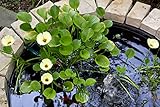
- IMPORTANT: DO NOT ORDER IF ITS TOO HOT!! Please note that during times of extreme weather, live plants will suffer due to extreme temperatures. During winter, do not order live plants when temperatures are expected to go below 20F at the lowest point during the day. During summer, avoid ordering plants when temperatures are above 100F. Additionally, these plants will get damaged if your region experiences strong cold winds.
- You get one Water Poppies plant bareroot. These are grown plants, ready to reproduce. They can float but do best when planted in aquatic soil.
- They serve as natural biofilters to your pond, helping clear the water naturally
- Grown pesticide free by Aqualeaf Aquatics TM
8. Cattail (Typha latifolia or another locally appropriate Typha)
Layer: Emergent plant.
Cattails provide tall stems and cover that nymphs may use while emerging. A Nova Scotia pond study found cattails were the most important macrophyte associated with larval distribution at that site; this is not a universal ranking. Cattails can dominate a small pond, reduce open water, and displace other plants. Confine and thin them as needed. See Penn State Extension’s aquatic-plant guidance and the Nova Scotia pond study summary.
9. Coontail or hornwort (Ceratophyllum demersum)
Layer: Fully submerged plant.
Coontail provides nymphs with underwater cover and creates habitat for aquatic prey. Use native or locally approved stock and monitor growth so open-water corridors remain. See Penn State’s aquatic-plant overview and Illinois Extension’s pond-plant list.
Do these 3 things before closing this tab:
1Clear out junk files and repair common Windows errors2Scan for outdated or missing drivers - takes under a minute3Repair Windows errors before they cause bigger problems10. Wild celery (Vallisneria americana)
Layer: Fully submerged plant.
Its ribbon-like leaves add underwater structure and refuge for nymphs and other aquatic life. It suits ponds with adequate depth, light, and stable water. Verify local native status before buying.
11. Native pondweeds (Potamogeton species)
Layer: Submerged and sometimes floating plant.
Native pondweeds provide foliage for nymph cover, aquatic prey, and possible egg-laying surfaces. Species differ in depth and growth habit, so buy an identified plant rather than an unlabeled mix. Avoid invasive curly-leaf pondweed and check state restrictions. See Penn State’s native aquatic-garden guidance and its invasive aquatic-plant guidance.
12. Native hardy water lily, such as fragrant water lily (Nymphaea odorata)
Layer: Floating plant.
Water-lily leaves offer resting surfaces, shade, and structure. Keep them from covering the entire pond: dragonflies need open water, and floating foliage does not replace submerged or emergent plants. Confirm the plant’s identity and local status. See Penn State’s water-garden guide and the Xerces pond-habitat guide.
5 shoreline and upland plants
These plants do not replace a pond or submerged habitat. They mainly support prey insects, provide perches and shelter, and buffer wind.
13. Swamp milkweed (Asclepias incarnata)
Layer: Moist soil, rain garden, or wet meadow.
Plant swamp milkweed at the wet edge rather than in deep water. Its stems and flowers support a broad insect community that may supply prey near the pond. Choose a milkweed species native to the region; swamp milkweed needs more moisture than many other milkweeds.
14. Joe-Pye weed (Eutrochium species)
Layer: Tall shoreline or moist upland.
Joe-Pye weed offers tall stems and flowers that attract insects, which may become prey for dragonflies. Choose a species suited to local climate and soil moisture; some forms grow very tall, while cultivars may be shorter. See Clemson Extension’s profile and the USDA Natural Resources Conservation Service native-plant guide.
15. Cardinal flower (Lobelia cardinalis)
Layer: Moist margin or rain garden.
Cardinal flower grows in saturated soil or moist margins. Its main value for dragonflies is indirect: it helps create a plant-rich shoreline that can support other insects. Plant it in moist soil, not deep water unless the site is suitable.
16. Wild bergamot or another native bee balm (Monarda fistulosa or regional Monarda)
Layer: Sunny shoreline meadow or upland.
Wild bergamot supports insects that may become prey for adults and adds stems and vegetation around the pond. Plant it in the surrounding meadow, not as a substitute for aquatic vegetation. Choose a regional species and provide air circulation.
Free tools Windows power users keep installed
One-click scans. No signup required.
Rank #3

- ✅ FLOATING BEAUTY! Most popular floating pond plant; perfect for beginners! Glossy, succulent green leaves float beautifully on the water’s surface! Experience sporadic bursts of gorgeous lilac blooms!
- ✅ FAST GROWING & EASY CARE! Simply toss your bare root hyacinths right into water to watch them grow & thrive! No messy soil & no planting!
- ✅ NATURAL FILTRATION! Incredible floating root systems increase natural filtration! Improves the health of your pond’s ecosystem!
- ✅ PROTECT YOUR PRIZED FISH! Floating plant cover is vital for protecting your precious koi & goldfish from predators! Plants spread quickly, providing life-saving shelter & shade for beloved outdoor pets!
- ✅ 100% QUALITY GUARANTEED! We grow and ship our plants with expert care! Your plant is guaranteed to arrive alive & healthy!
17. Buttonbush (Cephalanthus occidentalis)
Layer: Wetland-edge shrub.
Buttonbush suits a larger pond, wetland edge, or spacious rain garden. Its flowers support insects, while the shrub provides shelter, wind buffering, and woody perches. Allow room for mature growth and keep soil moist.
A smaller or drier-yard substitute
Where buttonbush or another large wetland plant is impractical, consider locally native black-eyed Susan (Rudbeckia hirta where appropriate). It supports an insect-rich planting and provides stems and perches, but not aquatic breeding habitat.
Best plant combinations for different gardens
For a small wildlife pond
- One submerged plant, such as coontail.
- One identified native pondweed.
- Pickerelweed in a contained shallow section.
- A small clump of soft rush.
- One locally native sedge.
- A wet-edge flower such as swamp milkweed or cardinal flower.
This mix provides underwater cover, emergent stems, marginal structure, and nearby prey habitat. Keep some surface open and contain vigorous plants.
For a larger naturalistic pond
- Submerged pondweed or wild celery, plus coontail.
- A limited planting of native hardy water lily.
- Arrowhead, pickerelweed, and blue flag iris on shallow shelves.
- Sedges and rushes between water and land.
- Bulrush or bur-reed where there is room.
- Joe-Pye weed, swamp milkweed, and buttonbush around the edge.
Aim for a mosaic of open water, submerged cover, floating leaves, emergent clumps, and diverse shoreline plants—not a wall of vegetation.
For a garden without a pond
- Joe-Pye weed.
- Swamp milkweed.
- Wild bergamot or another regional bee balm.
- Cardinal flower where soil stays moist.
- Black-eyed Susan or another locally native perennial.
- Native grasses, shrubs, rocks, logs, and standing stems for perches and shelter.
This may attract adults hunting or resting, especially if water is nearby. It usually will not support the aquatic nymph stage.
For a rain garden or container pond
A rain garden or wet meadow can provide prey, shoreline structure, and temporary water. A container pond may attract visiting adults or damselflies, but reproduction depends on size, permanence, water quality, plant structure, and local species. A birdbath that dries, freezes solid, or is repeatedly scrubbed is better understood as a brief water source than dependable breeding habitat. Xerces’ backyard-pond guidance explains why permanence and structure matter.
How to design and plant a dragonfly pond
- Choose a sunny site with some wind protection. Dragonflies use sunny water and warm surfaces for basking. Nearby shrubs can buffer wind, but avoid shading the whole pond. Locate underground utilities, check local rules, and plan safe access for children and pets, including a shallow escape shelf or ramp.
- Build several depths, including a shallow shelf. Use gently sloping edges and a planting shelf about 9 to 18 inches deep. A deeper center helps retain water through hot weather and winter. The Xerces guide recommends a deepest section of about 2.5 feet for a small pond up to about 215 square feet, and about 4 feet or more for larger ponds, especially in colder regions. These are guidelines, not requirements for every species.
- Keep a mixture of open water and vegetation. The Xerces and Migratory Dragonfly Partnership guide suggests approximately 50–70% total vegetation cover, with about 5% emergent, 10–25% floating, and 25–50% submerged plants. Treat these as approximate starting points, not a rigid formula. Thin aggressive growth before it crowds out open water or other plant layers.
- Use baskets when plant control matters. Mesh baskets or pots help confine vigorous plants and place them at different depths. Use heavy, clay-rich aquatic soil rather than lightweight potting mix, and cover the soil with gravel. Buy from reputable native-plant or aquatic-plant suppliers; never release aquarium plants into natural waterways.
- Add perches and an irregular shoreline. Place a few light-colored rocks, logs, or branches near the water, along with stems of different heights. Leave open edges instead of making the entire perimeter an impenetrable thicket.
- Keep the pond fish-free if dragonflies are the priority. Fish eat dragonfly and damselfly nymphs and other aquatic invertebrates; their waste can add nutrients that encourage algae. Fish-containing ponds can still support adults, but nymph survival and the resulting community may be reduced or changed. A separate fish-free wildlife pond generally offers better odds when fish are already present. See the Xerces pond guide.
Plants and practices to avoid
Invasive or unidentified aquatic plants
Check the scientific name and local restrictions before planting. Examples invasive or regulated in at least some regions include purple loosestrife, yellow flag iris, Eurasian watermilfoil, hydrilla, curly-leaf pondweed, and, depending on the region, parrot feather. Invasiveness varies geographically; check your state invasive-species program, extension service, or aquatic-plant regulations. Penn State Extension’s guidance is a useful starting point.
Excessive plant growth
Cattails, rushes, lilies, or submerged plants can become harmful when they form a monoculture. Dense growth may remove open flight space, trap organic matter, restrict circulation, and contribute to water-quality problems. Plant in clumps and thin selectively.
What’s actually slowing this PC down?
Pick the symptom - the matching free tool is one click away.
Fish and broad-spectrum insecticides
Fish may eat nymphs and alter aquatic invertebrate communities. Broad-spectrum sprays can kill adult dragonflies, nymphs, and other beneficial insects; runoff containing pesticides, herbicides, fertilizer, or sediment can degrade the freshwater food web. Avoid treating the pond with broad-spectrum insecticides. Manage mosquitoes first by removing or draining small containers not intended as wildlife habitat. Do not assume aquatic larvicides are harmless to all wildlife. Xerces explains how gardening practices affect waterways.
Routine pond sterilization
A dragonfly pond is an ecosystem, not a swimming pool. Repeatedly scrubbing every surface or removing all plant debris and sediment can eliminate prey and nymph habitat. Control excessive algae and invasive growth while preserving some natural structure.
Rank #4

- The Original And Best Selling Barley Straw Pond Treatment From Summit
- Keep Your Pond Water Clean And Clear Year-Round
- Clear your pond, fountain and fish tank naturally
- Acts As A Natural Filter To Keep Your Pond Clean And Clear
- Each Bale Treats 1000 Gallons2 Bales Per Package
How to choose local equivalents
Use the species above as examples of functions, then substitute plants native to your ecoregion or watershed. Search by scientific name, moisture, sun, mature size, and spread; common names such as iris, rush, sedge, or water lily can refer to different species. The Lady Bird Johnson Wildflower Center Native Plant Database, state extension services, native-plant societies, and watershed organizations can help verify suitability.
- Local native status: Prefer plants native to your state, ecoregion, or watershed.
- Correct layer: Combine submerged, floating, emergent, marginal, and upland plants.
- Water permanence: A temporary rain garden and a multiyear pond support different communities.
- Sun: Keep at least part of the pond sunny.
- Spread: Confine vigorous plants or plan to thin them.
- Water quality: Reduce fertilizer, sediment, herbicide, and insecticide runoff.
- Predators: Avoid fish when nymph production is the main goal.
- Identification: Buy labeled stock and never release aquarium plants outdoors.
Will dragonflies eliminate mosquitoes?
No. Dragonflies eat mosquitoes, but they are generalist predators that also eat other flying insects. Their numbers vary with weather, season, prey, nearby wetlands, water permanence, and local species. A wildlife pond may support a healthier food web, but it is not guaranteed mosquito control. Avoid claims that every dragonfly eats a fixed number of mosquitoes daily; feeding rates vary. University of California Agriculture and Natural Resources discusses dragonflies and mosquitoes.
What to expect after planting
Dragonflies may visit a new pond before it supports reproduction. Colonization depends on nearby wetlands, regional climate, water permanence, vegetation, predators, and water quality. Some visitors will be damselflies; the habitat recommendations overlap, but the groups are distinct. Look for adults using sunny stems, aquatic insects, shed nymph skins on emergent plants, and varied growth rather than one plant taking over. A functioning habitat does not guarantee daily sightings.
FAQ
Can dragonflies live in a garden without a pond?
Adults may visit a sunny garden to hunt or rest, especially near wetlands or ponds. Native grasses, flowers, shrubs, rocks, logs, and standing stems provide perches, shelter, and prey habitat. A flower garden normally cannot support the aquatic nymph stage or a reproducing population without suitable freshwater.
Should I add fish to a dragonfly pond?
Usually not if reproduction is the main goal. Fish eat nymphs and other aquatic invertebrates and can change the pond community. Some fish-containing ponds still support dragonflies, but fish-free water generally gives nymphs better odds of survival.
Are water lilies enough to attract dragonflies?
No. Water lilies provide floating leaves, shade, and resting surfaces, but do not replace submerged plants, emergent stems, shallow shelves, open water, and a diverse shoreline. Keep lily coverage limited.
Will a container pond support dragonfly breeding?
It may attract visiting adults or damselflies, but breeding depends on size, permanence, water quality, depth, plant structure, and local species. A small container that dries or freezes quickly is more likely to be a temporary water source than dependable breeding habitat.
How much of a pond should be covered by plants?
The Xerces and Migratory Dragonfly Partnership guide suggests roughly 50–70% total vegetation cover, with approximate ranges for emergent, floating, and submerged plants. Treat these as a starting framework, maintain open water, and thin plants that crowd the pond.
The bottom line
Start with habitat rather than flowers: provide a sunny, persistent, preferably fish-free pond with shallow shelves, open water, submerged cover, floating leaves, emergent stems, and a locally native shoreline. Choose plants for different functions, control aggressive growth, avoid invasive aquatic species and broad-spectrum pesticides, and treat mosquito reduction as a possible side benefit—not a guarantee.
Quick Recap
Product prices and availability are accurate as of the date/time indicated and are subject to change. Any price and availability information displayed on Amazon at the time of purchase will apply.
Recommended Free Tools




