The Tool Desk
Outbyte Driver Updater FREEScan for outdated or missing drivers - takes under a minuteDriver Scan →Outbyte PC Repair FREEClear out junk files and repair common Windows errorsFree Scan →Most “mosquito-repellent plants” will not create a bite-free patio simply by sitting in a pot. Some plants contain volatile compounds that mosquitoes may avoid, but an intact plant usually releases too little fragrance to protect people at patio scale. Extension guidance from Clemson and Iowa State says that leaves generally need to be crushed—or their oils concentrated and formulated—to produce a meaningful repellent effect. Clemson Extension explains the evidence and limitations.
That does not make the plants useless. Catnip, citronella grass, lemon eucalyptus, lemongrass, basil, lavender, rosemary, mint, thyme, marigolds, bee balm, and other aromatic plants can be attractive additions to a garden, balcony, or herb collection. Just treat them as supplemental landscaping—not as a substitute for an EPA-registered repellent, screens, protective clothing, or standing-water control.
As an Amazon Associate I earn from qualifying purchases.
What “repel” means in this list
The evidence behind these plants comes in several different forms. Some plants have compounds used in registered repellent products. Others have shown activity only in laboratory tests using essential oils or extracts. A third group is commonly recommended by gardeners but has little direct evidence showing that a living plant protects people outdoors.
- Stronger plant-derived evidence or regulatory relevance: catnip, citronella grass, lemon eucalyptus, lemongrass, and plants associated with 2-undecanone, such as wild tomato.
- Promising oil or extract evidence: basil, lavender, rosemary, peppermint, thyme, sage, marigold, scented geranium, neem, lemon balm, lemon verbena, oregano, spearmint, and bee balm.
- Primarily aromatic garden choices: lemon thyme and several of the herbs above, where the evidence is indirect or based on concentrated oils rather than passive planting.
The U.S. EPA lists catnip oil, citronella oil, oil of lemon eucalyptus or PMD, and 2-undecanone among plant-derived active ingredients used in registered skin-applied repellents. That regulatory relevance applies to an appropriately formulated product—not automatically to a plant growing beside your chair. See the EPA’s list of skin-applied repellent ingredients.
#1 Best Overall

- HELPS REPEL MOSQUITOES FROM YOUR SPACE – A plant-based scent repel mosquitoes and create a more comfortable environment. Whether relaxing outside or resting indoors, enjoy your time with added comfort and peace of mind.
- COVERS UP TO 120 SQ FT, INDOOR AND OUTDOOR – Works across patios, backyards, decks, lawns, camping trips, tents, bedrooms, and living rooms. Mosquitoes don't stay in one place, so wider coverage means fewer spots where they can keep bothering you.
- UP TO 60 DAYS OF USE – Designed to last, so you're not always replacing products. Fewer repeat problems mean less frustration, less effort, and less money spent trying one thing after another.
- PLANT-BASED INGREDIENTS – Made with plant-based ingredients for everyday use. A convenient choice for families looking for a plant-based mosquito solution.
- EASY TO USE, EASY TO MOVE ON – Just place it where needed and you're done. No mixing, no setup — one simple step that clears the problem off your mind so you can relax again.
19 plants associated with mosquito deterrence
1. Catnip (Nepeta cataria)
Catnip contains nepetalactone, a compound associated with mosquito deterrence. Catnip oil has been tested against Aedes aegypti, including in a 2024 olfactometer study, and the EPA lists catnip oil as an active ingredient in registered repellents. Read the 2024 catnip-oil study.
The important qualification is that the research concerns concentrated oil or a formulated product. A catnip plant left untouched will not reliably create a protective zone around a patio. Catnip is still an easy, useful herb to grow—especially if you also enjoy having cats around—but keep in mind that many cats are strongly attracted to it.
Best use: Grow it as an aromatic herb and experiment with gently handling the foliage, without treating it as personal protection.
Quick wins for a faster PC:
Clear out junk files and repair common Windows errorsFree Scan →Scan for outdated or missing drivers - takes under a minuteDriver Scan →Grow-from-seed option: Catnip seeds can be a practical way to start this plant. Growing catnip is not equivalent to applying tested catnip-oil repellent.
2. Citronella grass (Cymbopogon nardus and Cymbopogon winterianus)
Citronella grass is the genuine plant source associated with citronella oil. Citronella oil has a long history as a repellent ingredient and appears in formulated candles, sprays, and other products. EPA material discusses citronella-based repellent products.
Do not confuse the grass with a “citronella geranium.” The grass itself is not the same thing as a candle or spray: concentration, how the oil is released, formulation, and exposure all affect performance. A clump of grass beside a door should be considered landscaping, not a mosquito barrier.
3. Lemongrass (Cymbopogon citratus)
Lemongrass is related to citronella grass and has strongly scented, culinary leaves. Its essential oil has shown activity in laboratory mosquito studies, but that finding does not prove that a living lemongrass plant will protect people sitting outdoors. Review the plant-based mosquito-repellent literature.
Do these 3 things before closing this tab:
1Fix the driver behind crashes, sound loss and screen glitches2Repair Windows errors before they cause bigger problems3Scan for outdated or missing drivers - takes under a minuteGrow lemongrass for cooking and fragrance first. Crushed leaves or extracted oil may release more volatile compounds than an untouched plant, but do not apply homemade extracts to skin without appropriate safety and formulation guidance.
4. Lemon eucalyptus (Corymbia citriodora)
Lemon eucalyptus is the source of oil of lemon eucalyptus, commonly abbreviated OLE. Its important repellent constituent is PMD. CDC recommends EPA-registered OLE/PMD products as one option for mosquito protection.
Pure lemon eucalyptus essential oil is not equivalent to an EPA-registered OLE/PMD repellent. The product’s formulation and label directions matter. OLE/PMD products should not be used on children younger than 3. See CDC mosquito-prevention guidance.
Rank #2
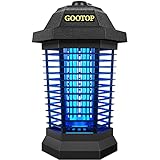
- Effectively eliminate most flying insects: Mosquito, Aedes, gnats, midges, flies, fruit flies, house flies, horse flies, moths, wasps, etc. Please use this exterminator at night and in the dark.
- EPA Registered: The bulb light attracts flying insects, and the high-voltage electric grid zaps them on contact. Efficient physical mosquito control. So you don't have to put up with the smell of sprays, insecticides and attractants. You also don't have to worry about your pets eating insects that have been killed by pesticides.
- Easy to use & Light weight : It’s very light so you can hang it everywhere you like. No warm up, Starts working when plugged in.
- Replaceable bulb & Easy to clean : Dead bugs will fall onto the tray, you just need to clean the tray with brush provided. 15W Bulb is replaceable. If your bulb becomes less effective at attracting flying insects, you can replace it.
- Area Coverage up to 1/2 Acre. Good for home, patio, balcony, courtyard, front porch, garden, pergola, deck, backyard, camping, swimming pool, garage, farm, etc.
5. Basil (Ocimum basilicum)
Basil essential oils and extracts have been studied for mosquito repellency. Compounds such as linalool and eugenol may contribute to the aroma and activity observed in some tests.
Crashes, No Sound, or Screen Glitches?
Random freezes, missing sound and display glitches usually trace back to one bad driver. Find and replace yours safely.Free scan · under a minuteWindows Errors? Fix Them Before They Spread
Repair common Windows errors and clear accumulated junk for a smoother, more stable PC - no reinstall needed.Free scan · no reinstallBasil is best recommended as a cooking herb and garden plant with potentially useful volatile compounds. Its intact foliage should not be described as a dependable repellent. Any stronger effect suggested by research generally involves damaged leaves, concentrated extracts, or a formulated oil.
6. Lavender (Lavandula spp.)
Lavender oil has shown mosquito-repellent activity in laboratory research and reviews, but protection varies with concentration, formulation, exposure time, and mosquito species. A lavender plant near a chair provides fragrance; it is not a substitute for a registered topical repellent. See the review literature on plant-derived mosquito repellents.
Choose lavender for its scent, flowers, and garden value. If you use a lavender oil product, follow that product’s directions rather than assuming that “natural” means suitable for direct application.
7. Rosemary (Salvia rosmarinus)
Rosemary essential oil appears in reviews of plant-derived mosquito repellents. The plant is also a practical choice for sunny containers because it is fragrant, useful in cooking, and relatively drought tolerant once established.
Its dense foliage does not repel mosquitoes across a yard. Rosemary is a sensible aromatic planting, but dependable bite prevention requires a product or physical measure designed for that purpose. Review evidence on plant oils and mosquito repellency.
8. Peppermint (Mentha × piperita)
Peppermint oil has demonstrated mosquito-repellent activity in experimental studies and reviews. The strong scent comes from concentrated volatile compounds, which is one reason oil and extract results cannot be transferred directly to an undisturbed plant.
Peppermint spreads aggressively. Grow it in a container if you want to prevent it from taking over garden beds. Consider it a culinary and aromatic plant, not a reliable personal shield.
9. Spearmint (Mentha spicata)
Spearmint is another useful aromatic mint supported mainly by research on mint oils and extracts. It is a reasonable container herb for cooking and fragrance, but there is limited justification for claiming that a living spearmint plant prevents nearby mosquito bites.
Like peppermint, spearmint can spread rapidly in open soil. Container growing makes it easier to manage and lets you place the herb where its fragrance is most enjoyable.
Rank #3

- KILLS FAST: Kills mosquitoes, listed ant types, fleas and other listed insects.
- QUICKFLIP HOSE-END SPRAYER: Hose-end-sprayer activates spray at the flip of a switch – just grip, flip and go.
- LASTS ALL SUMMER: Controls up to 12 weeks against house crickets, carpenter ants, harvester ants, lady beetles and earwigs.
- COVERAGE: 1 bottle treats up to 5,000 square feet of lawn.
- NO MIXING REQUIRED: Attach the sprayer to a garden hose to treat your lawn, landscape and outdoor surfaces where insects hide.
10. Lemon balm (Melissa officinalis)
Lemon balm belongs to the mint family and has pleasantly lemon-scented leaves. It is often included in garden recommendations for mosquito-deterring plants, but direct evidence that a living lemon-balm plant protects people outdoors is limited.
Grow lemon balm for its fragrance and culinary uses. Plant it in a container if you do not want it to spread through the garden.
11. Lemon verbena (Aloysia citrodora)
Lemon verbena is a fragrant herb included in extension and gardening recommendations. Its citrus aroma makes it an appealing patio plant, but the evidence for a passive potted plant is relatively weak. Concentrated oil evidence should not automatically be treated as evidence that the whole plant forms a mosquito barrier.
Free tools Windows power users keep installed
One-click scans. No signup required.
12. Lemon thyme (Thymus citriodorus)
Lemon thyme is a compact, citrus-scented herb frequently included in mosquito-plant lists. Its aromatic oils or crushed foliage are more relevant to the evidence than simply placing the plant outside.
It is best described as promising but unproven as a patio barrier. Grow it for cooking, fragrance, and its compact habit rather than guaranteed mosquito control.
13. Common thyme (Thymus vulgaris)
Thyme oils contain strongly aromatic compounds, including thymol and carvacrol, and thyme appears in reviews of plant-based mosquito repellents. The research does not mean a thyme plant will prevent bites around a yard.
Never rub undiluted thyme essential oil on skin. Essential oils can irritate or sensitize skin, and plant-derived does not mean harmless at every concentration. Use only products labeled for the intended purpose and follow their directions.
What’s actually slowing this PC down?
Pick the symptom - the matching free tool is one click away.
14. Sage (Salvia spp.)
Sage oils and extracts appear in mosquito-repellency reviews, and sage is a common aromatic garden recommendation. The practical evidence for an intact sage plant protecting people is much weaker than the evidence for a tested extract or formulation.
Use sage as a culinary and ornamental herb, with any mosquito-deterring effect considered experimental or supplemental.
15. Oregano (Origanum vulgare)
Oregano is an easy culinary herb with strongly aromatic essential oil. Oregano oil appears in plant-repellent reviews, but a growing oregano plant alone does not prevent mosquito bites.
Rank #4
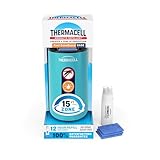
- SCIENTIFICALLY PROVEN MOSQUITO PROTECTION: Thermacell is tested and proven to repel mosquitoes from a 15FT zone. Trusted by outdoor experts to work as a Mosquito Repellent Outdoor Patio solution, at the campsite, and beyond for over 25 years. This convenient starter pack comes complete with a repeller and 12 hours of DEET-free refill. Packaging may vary.
- 15FT ZONE OF MOSQUITO PROTECTION: Engineered to precisely diffuse heat-activated repellent, creating a large zone of protection. Consistent repellent protection won't weaken over time. The Fuel-ZoneGuard Base repeller is powered by a safe and compact fuel cartridge with up to 12 hours of run time.
- EASY TO USE, NO SPRAY NEEDED: This on-demand mosquito repellent outdoor patio solution starts heating immediately, reaching max protection in 15 minutes. No need to apply sticky DEET sprays or lotions, clean up dead bugs, or reapply to your yard throughout the season. Unscented repellent mats last up to 4 hours each and change color when time to replace. Scent-free, no smoke, and no flames.
- PEOPLE AND PET FRIENDLY: Independently tested and EPA reviewed for safety & effectiveness. Repels tough mosquitoes. For outdoor use only.
- 100% SATISFACTION GUARANTEE: At Thermacell, we stand behind the performance and quality of our products. If you are not happy with your purchase, you may return it to us for repair, replacement or refund. Please contact [email protected].
Its strongest case is as a useful garden plant that may contribute aromatic compounds when foliage is handled—not as a treatment for an infested patio.
16. Marigold (Tagetes spp.)
Marigolds are widely promoted as insect-repellent companion plants, and some Tagetes oils or extracts have shown activity in experimental studies. Results vary considerably by marigold species, preparation, mosquito species, and test method. Clemson Extension discusses the limits of plant-based insect-repellent claims.
Plant marigolds for their flowers and possible supplemental value. Do not rely on a border of marigolds to protect a seating area.
17. Scented geranium, including “citronella geranium” (Pelargonium spp.)
Scented geraniums are often sold as “mosquito plants,” but that marketing name can overstate what the plant does. They are not the same as citronella grass. Their foliage may release aromatic compounds when handled, yet passive placement has weak support.
A scented geranium can be a pleasant container plant. It should not be presented as working like citronella oil, a citronella candle, or a registered repellent product. Clemson Extension addresses the citronella-geranium distinction.
Recommended Free Tools
18. Bee balm (Monarda spp.)
Bee balm is an aromatic North American native often included in extension gardening lists. Its main strengths are its flowers, fragrance, and value in a pollinator-friendly garden. It may contain compounds of interest for insect deterrence, but there is no basis here for promising reliable mosquito protection from a living plant.
Choose bee balm for habitat and ornamental value, then use separate bite-prevention measures when mosquitoes are active.
19. Neem (Azadirachta indica)
Neem appears in research on plant-derived mosquito repellents, particularly as an oil or extract. That makes neem a researched botanical ingredient—not a passive yard solution.
Use commercial neem products only according to their labels. Avoid improvising homemade skin applications, since concentration, formulation, and safety may be uncertain.
Why crushed leaves and oils are different from living plants
Plants release volatile chemicals at low levels. Crushing foliage ruptures cells and releases more fragrance temporarily. Distillation or extraction concentrates particular compounds; a repellent manufacturer can then combine an active ingredient with a formulation intended to remain on skin or function in another specific way.
Best Value

- 3 Pack (Contains 12 coils & 6 coil stands)
- Each Coil Burns for 5 - 7 Hours
- One Coil covers up to 10 feet
- These Mosquito insect repellent Should be Used only outdoors. It is perfect to use for Patios, porches, Camping trips, Pool areas, backyards and any outdoor activities
Those are three different situations:
- Untouched plant: usually releases too little scent, too inconsistently, to protect people nearby.
- Crushed foliage: releases more odor for a short time, but the amount and duration are unpredictable.
- Tested oil or formulated repellent: has a defined concentration, intended use, directions, and—when registered—regulatory review for its labeled claims.
Do not turn the second option into unsafe advice. Applying crushed leaves or undiluted essential oils to skin can cause irritation or sensitization, and pure lemon eucalyptus oil is not interchangeable with an EPA-registered OLE/PMD repellent.
A practical garden plan
If you want plants that are genuinely useful even when their mosquito effect is modest, choose based on growing conditions and ordinary garden value:
| Goal | Plants to consider | Reality check |
|---|---|---|
| Cooking herbs | Basil, rosemary, thyme, oregano, sage, lemongrass, mint | Useful herbs first; mosquito deterrence is conditional and usually indirect. |
| Fragrant containers | Lavender, lemon balm, lemon verbena, scented geranium, peppermint | Fragrance is not the same as a protective zone. |
| Flowers and pollinators | Marigold, bee balm, lavender | Good garden choices, but not reliable mosquito control. |
| Plants with stronger repellent-ingredient relevance | Catnip, citronella grass, lemon eucalyptus | Evidence is strongest for oils or registered formulations, not passive planting. |
For a small space, containers are especially useful for mint, catnip, lemongrass, lemon balm, and scented geranium. A compact “garden plan” could combine catnip, basil, lavender, rosemary, lemon thyme, marigold, bee balm, and lemongrass. Aromatic herb seeds are a reasonable gardening purchase, but no seed packet should be treated as a mosquito-control product.
What works better than plants alone
Plants can improve a garden, but mosquito control starts with removing breeding habitat. Once a week, empty, scrub, turn over, cover, or discard anything that holds water: buckets, saucers, toys, clogged gutters, tarps, and outdoor containers. Even small amounts of standing water can support mosquitoes.
For personal protection, CDC recommends using an EPA-registered repellent according to its label. Effective active ingredients include DEET, picaridin, IR3535, OLE/PMD, and 2-undecanone. CDC’s mosquito-prevention guidance also recommends long sleeves and pants, screens on doors and windows, and other measures that reduce exposure.
When shopping, look for an EPA-registered mosquito repellent containing an approved active ingredient, and use it exactly as directed. Registration and labeling do not mean every product is right for every person, age group, or situation; read the label carefully. For resting or sleeping outdoors, a properly fitted outdoor mosquito net or screened enclosure can provide a physical barrier that plants cannot.
Safety notes for households with pets and children
- Do not assume an essential oil is safe just because it comes from a plant.
- Do not apply undiluted essential oils or improvised plant extracts to skin.
- Do not substitute pure lemon eucalyptus essential oil for an EPA-registered OLE/PMD product.
- Do not use OLE/PMD products on children younger than 3.
- Keep concentrated oils, extracts, and garden chemicals in their original containers and follow their labels.
- Prevent children and animals from chewing unfamiliar plants or accessing concentrated products; consult a veterinarian or poison-control resource if exposure occurs.
The plants in this article are best enjoyed for their fragrance, culinary uses, flowers, and habitat value. Any mosquito-deterring effect from passive planting should be treated as a possible bonus, not a promise.
Frequently Asked Questions
Do mosquito-repellent plants really work?
Some plants contain compounds that mosquitoes may avoid, and several plant-derived ingredients are used in tested or registered repellents. However, an intact plant usually releases too little fragrance to protect people across a patio or yard. The strongest evidence generally concerns concentrated oils, extracts, or formulated products.
What is the best plant to repel mosquitoes?
Catnip, citronella grass, lemon eucalyptus, and lemongrass have relatively strong plant-derived or ingredient-level relevance, but none should be treated as a guaranteed mosquito barrier when simply planted outdoors. For reliable personal protection, use an EPA-registered repellent and reduce standing water.
Is a citronella geranium the same as citronella grass?
No. A scented or “citronella” geranium is a Pelargonium, while true citronella grass is Cymbopogon nardus or Cymbopogon winterianus. The geranium’s marketing name should not be taken to mean that it works like citronella oil or a registered citronella product.
Can I rub crushed leaves or essential oil on my skin?
Do not apply undiluted essential oils or homemade extracts to skin. They can irritate or sensitize skin, and their concentration and safety are unpredictable. Use a product labeled for skin application and follow its directions. Pure lemon eucalyptus oil is not the same as an EPA-registered OLE/PMD repellent.
The Tool Desk
Outbyte Driver Updater FREEFix the driver behind crashes, sound loss and screen glitchesFind Drivers →Outbyte PC Repair FREERepair Windows errors before they cause bigger problemsFix Now →The Bottom Line
Grow catnip, citronella grass, lemongrass, lavender, basil, rosemary, mint, thyme, marigolds, bee balm, or other aromatic plants because they are attractive and useful—not because they will make a patio mosquito-proof. Remove standing water, use screens and protective clothing, and choose an EPA-registered repellent when dependable bite prevention matters.
Quick Recap
Product prices and availability are accurate as of the date/time indicated and are subject to change. Any price and availability information displayed on Amazon at the time of purchase will apply.




