Beneficial garden insects pollinate flowers, prey on pests, parasitize pest insects, or help break down organic matter. The best way to support them is to provide suitable flowers and shelter, identify them by life stage, and use pest treatments selectively. The examples below are broad groups—not a guarantee that every member eats the same pests or benefits every garden. One entry, spiders, is a useful predatory arthropod but is not an insect.
How beneficial insects help a garden
Garden-friendly insects do not all do the same job. Some transfer pollen between flowers; predators kill and eat other animals; parasitoids develop on or inside a host and usually kill it; and decomposers help break down dead plant or animal material. Some familiar garden visitors contribute in more than one way, depending on their species or life stage.
For example, hover-fly larvae of some species eat aphids, while adult hover flies visit flowers for pollen and nectar. Butterfly caterpillars feed on host plants, whereas adult butterflies generally feed on nectar. Identify the life stage before deciding whether an insect is helping, feeding on a plant, or simply passing through.
Predators: insects and other arthropods that eat pests
Predators capture, kill, and consume prey. Their diets vary by species and life stage; a predator’s presence does not mean it will control every pest in the garden. The following are examples, not a species-level identification key.
#1 Best Overall

- Includes a Ladybug educational sheet with Release Tips, Release Rates, Ladybug Fun Facts and FAQ's
- Can be used indoors and outdoors!
- Ladybugs are general predators that feed on many slow-moving insects including; Aphids, Moth eggs, Mites, Scales, Thrips, Leaf Hoppers, Mealybugs, Chinch Bugs, Asparagus Beetle larvae, Whitefly and others.
- Ladybugs are good bugs, great for kids, birthday parties, school projects!
- Nature's Good Guys mesh bag of Live adult ladybugs
1. Lady beetles
Many lady beetle species eat aphids and other small prey. Both adults and larvae may be predatory, so an alligator-shaped larva on an aphid-infested plant can be a useful garden ally.
2. Green lacewings
Green lacewing larvae consume small pests, including aphids. Adult diets vary; some adults feed on nectar or pollen. A flower-friendly garden can provide resources for adults as well as prey for larvae.
3. Damsel bugs
Damsel bugs are generalist predators. They may attack a range of small insects, but their exact prey depends on the species and what is available.
4. Assassin bugs
Assassin bugs are predators of other insects. Some species may bite if handled, so observe them rather than picking them up.
Free tools Windows power users keep installed
One-click scans. No signup required.
5. Big-eyed bugs
Big-eyed bugs prey on small insects and eggs. They are distinct from damsel bugs, even though both groups are generalist predators.
Rank #2

- Includes a Ladybug educational sheet with Release Tips, Release Rates, Ladybug Fun Facts and FAQ's
- Can be stored in the refrigerator for up to 2 weeks!
- Ladybugs are general predators that feed on a variety of slow-moving insects including Aphids, Moth eggs, Mites, Scales, Thrips, Leaf Hoppers, Mealybugs, Chinch Bugs, Asparagus Beetle larvae, Whitefly and others
- Ladybugs are good bugs great for kids, birthday parties, school projects!
6. Minute pirate bugs
These small predators feed on various tiny arthropods and insect eggs. Their size can make them easy to overlook while inspecting plants.
7. Ground beetles
Many ground beetles hunt on or near the soil surface. They use sheltered places such as grass and debris, so leaving some undisturbed habitat can help them persist.
8. Soldier beetles
Some soldier beetles feed on small insects, and adults may visit flowers. The benefit depends on the species and life stage; not every soldier beetle has the same diet.
Quick wins for a faster PC:
Repair Windows errors before they cause bigger problemsFix Now →Fix the driver behind crashes, sound loss and screen glitchesFind Drivers →9. Hover flies (syrphid flies)
Some hover-fly larvae prey on aphids, while adults visit flowers for pollen and nectar. This is a clear example of why identifying life stage matters: an adult at a flower and a larva on an aphid-covered stem do different jobs.
10. Predatory mites
Predatory mites eat plant-feeding mites and other small arthropods. Because pest mites and beneficial mites can be difficult to distinguish, avoid treating every mite as a plant pest.
Rank #3
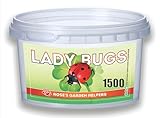
- Step-by-Step Usage Guide – Each order includes detailed instructions on how to release, store, and maximize the benefits of your ladybugs for a thriving garden.
- Ideal for Any Outdoor Space – Whether it’s a small home garden, a greenhouse, or a large farm, our ladybugs adapt easily and provide valuable garden support.
- Natural Garden Balance – These beneficial insects help maintain the health of your plants by naturally managing garden challenges.
- Fresh & Active on Arrival – Carefully packaged with temperature control to ensure they reach you in top condition, ready to be released.
- Great for Learning & Fun – Perfect for educational projects, school activities, and interactive experiences with nature lovers of all ages.
11. Spiders
Spiders are not insects, but they are useful garden predators. They capture other arthropods in webs or by hunting, depending on the kind of spider.
12. Rove beetles
Rove beetles are a varied group of predatory beetles. Their prey differs among species, so a broad identification should not be taken as proof of a particular pest-control effect.
13. Predatory stink bugs
Some stink bug species prey on other insects. Do not confuse these predators with plant-feeding stink bugs; the common name alone is not enough to tell whether a visitor is beneficial.
14. Robber flies
Robber flies capture and eat other insects. They are predators, but that does not mean they are targeted controllers of a particular garden crop pest.
Parasitoids: insects that develop on or inside a host
Parasitoids differ from typical parasites because they usually kill the host as they develop. Many are small and are easiest to recognize by their behavior or by the effects on a host insect. Host relationships are often specific, so a wasp or fly group name alone does not identify which pest it affects.
Rank #4

- Ladybugs are general predators that feed on a variety of slow-moving insects including Aphids, Moth eggs, Mites, Scales, Thrips, Leaf Hoppers, Mealybugs, Chinch Bugs, Asparagus Beetle larvae, Whitefly and others
- Ladybugs are good bugs great for kids, birthday parties, school projects!
- Storing the beetles can be done at a temperature of 40°F to 60°F for 1 – 3 weeks. Ladybugs can begin reproducing immediately with a good source of food and water. Several generations of Ladybugs may occur during one season.
- Ladybugs, 1500 Live Ladybugs for garden, Live Delivery Guaranteed! 1500 ladybugs = 1000 sq. ft.
15. Braconid wasps
Braconid wasps are parasitoids of various insect hosts. Which host is affected depends on the wasp species.
Do these 3 things before closing this tab:
1Clear out junk files and repair common Windows errors2Fix the driver behind crashes, sound loss and screen glitches3Repair Windows errors before they cause bigger problems16. Ichneumonid wasps
Ichneumonid wasps have parasitoid relationships with insect hosts. These relationships can be host-specific, so avoid assuming that every ichneumonid targets a familiar garden pest.
17. Tachinid flies
Tachinid flies are parasitoids; many target caterpillars or other insect hosts. They may be inconspicuous, but their role is part of the garden’s natural food web.
18. Other parasitoid wasps
Many additional wasps have parasitoid life cycles. A reliable identification to species, paired with local information about its host, is needed before making a more specific claim about what it controls.
Pollinators and other flower visitors
Bees, flies, butterflies, and moths visit flowers; some transfer pollen as they feed. Predators and parasitoids may also use flowers as adults, especially when nectar or pollen is available. A flower visitor is not necessarily a pollinator of every plant it visits.
Best Value

- Ideal for Any Outdoor Space – Whether it’s a small home garden, a greenhouse, or a large farm, our ladybugs adapt easily and provide valuable garden support.
- Natural Garden Balance – These beneficial insects help maintain the health of your plants by naturally managing garden challenges.
- Ladybugs are general predators that feed on a variety of slow-moving insects including Aphids, Moth eggs, Mites, Scales, Thrips, Leaf Hoppers, Mealybugs, Chinch Bugs, Asparagus Beetle larvae, Whitefly and others
- Fresh & Active on Arrival – Carefully packaged with temperature control to ensure they reach you in top condition, ready to be released.
- Our products are not shipped or sold in Hawaii.
19. Native bees
Native bees pollinate flowers. Nesting habits vary by species and region: some use open soil, while others use hollow stems or other cavities. Leaving suitable nesting places can support them.
20. Honey bees
Honey bees are common garden pollinators, but they are not native to North America. Their presence does not represent the full range of bees that may visit a garden.
21. Butterflies
Adult butterflies visit flowers and can pollinate them. Their caterpillars need particular host plants and may eat foliage, so a plant-feeding caterpillar is not automatically a pest to remove.
22. Moths
Adult moths visit flowers, and some moths pollinate plants. Their caterpillars also depend on host plants and may feed on leaves.
Recommended Free Tools
23. Decomposers and other garden helpers
Decomposers help break down dead organic material and contribute to nutrient cycling. This is a function rather than a single insect group: the specific decomposer insects present and their role depend on the material and local habitat. Not every beneficial garden organism is a pest predator or pollinator.
Independent reader supportYour contribution helps us test, update, and keep practical guides available for everyone.How to attract and keep beneficial insects
Habitat is more useful than trying to bring in a single “fix.” Oregon State University Extension recommends plant diversity, flowers, nesting areas, and shelter. Choose plants suited to the local climate and arrange for different plants to bloom at different times, so flower resources are available across the season.
- Offer accessible flowers. Nectar and pollen help adult hover flies, parasitoids, and other beneficial insects. Flower shape matters: choose a range of flower forms rather than relying on one type.
- Keep some shelter. Ground beetles can use grass and debris; some native bees nest in open soil or hollow stems. A slightly less manicured corner may provide useful habitat.
- Include flowering plants such as buckwheat where suitable. Oregon State University Extension gives buckwheat as an example that can attract beneficial wasps, general predators, hover flies, and bees. Match plant choices to local growing conditions.
- Look for the insect’s life stage and behavior. Check whether an insect is a predator, a flower-visiting adult, a plant-feeding caterpillar, or a pest species before acting.
Protect beneficial insects when managing pests
Integrated pest management does not require an absolute ban on treatment. It means checking whether intervention is needed and considering how to limit harm to beneficial organisms. UC Statewide IPM advises avoiding pesticides that kill beneficial predators, choosing plants that provide pollen, nectar, and shelter, and keeping ants out of pest-infested plants when ants interfere with natural enemies. If an insecticide is needed, Colorado State University Extension recommends selective products less likely to harm beneficial predators, parasitoids, pollinators, and decomposers.
- Identify the pest and assess whether it is causing meaningful damage before treating.
- Choose a selective approach when treatment is warranted, and follow the product label.
- Consider effects on flower-visiting pollinators and natural enemies, not only the target pest.
- Use a regional identification guide when a fine-grained distinction—such as predatory versus plant-feeding stink bugs or beneficial versus pest mites—will change what you do.
For regional identification and habitat details, consult UC Statewide IPM’s guide to beneficial predators, Oregon State University Extension’s guide to encouraging beneficial insects, Colorado State University Extension’s overview of beneficial insects and other arthropods, and Washington State University Extension’s garden identification publication.
What’s actually slowing this PC down?
Pick the symptom - the matching free tool is one click away.
Quick Recap
Product prices and availability are accurate as of the date/time indicated and are subject to change. Any price and availability information displayed on Amazon at the time of purchase will apply.




