
Free tools Windows power users keep installed
One-click scans. No signup required.
Some links on this page are affiliate links: if you buy through them we may earn a commission, at no extra cost to you.
The three human-food groups veterinarians most consistently say to keep away from cats are chocolate and caffeine products, onions, garlic and related Allium seasonings, and grapes, raisins and currants. They can trigger digestive illness, damage red blood cells, disturb the heart or nervous system, or potentially injure the kidneys. Cats are small, so a food that seems like a minor taste can still warrant professional advice. If your cat has eaten any of these foods, call your veterinarian or an animal poison-control service promptly rather than waiting for symptoms.
Which human foods are most dangerous for cats?
This comparison shows why each group belongs on a “never share” list and what to do if exposure occurs.
As an Amazon Associate I earn from qualifying purchases.
What’s actually slowing this PC down?
Pick the symptom - the matching free tool is one click away.
| Food group | How it can harm cats | Where it hides | Possible signs and evidence | Response |
|---|---|---|---|---|
| Chocolate and caffeine | Methylxanthines, including theobromine and caffeine, can affect the gut, heart and nervous system. | Chocolate bars, cocoa, coffee, tea, energy products and baked goods | Vomiting, diarrhea, panting, increased thirst or urination, hyperactivity, abnormal heart rhythm, tremors and seizures; darker chocolate and higher-caffeine products are more concentrated. | Call a veterinarian or poison-control service immediately. |
| Onion, garlic and other Alliums | Compounds can irritate the gastrointestinal tract and damage red blood cells, causing anemia. | Fresh, cooked, dried or powdered onion and garlic; chives, leeks, shallots and seasoning mixes in prepared foods | Vomiting and diarrhea may occur; anemia can follow red-blood-cell destruction. Cats are more susceptible than dogs. | Prompt veterinary advice is needed, even when the ingredient was part of a recipe. |
| Grapes, raisins and currants | Kidney-damage risk is established in dogs but remains uncertain specifically in cats; veterinary guidance still recommends avoidance. | Fresh grapes, raisins, baked goods, trail mixes and foods containing currants | Potential kidney injury; the cat-specific poisoning mechanism and dose are not established. | Treat any ingestion as urgent and contact a veterinarian. |
These recommendations come from Cornell Feline Health Center, the U.S. Food and Drug Administration, ASPCA Poison Control, VCA, Tufts University’s Cummings School of Veterinary Medicine and Cats Protection. VCA’s page was updated October 9, 2024; the Tufts article was published November 17, 2022. The other organizations’ pages are current webpages whose publication dates were not displayed.
Why are chocolate and caffeine products toxic to cats?
Chocolate, coffee and other caffeinated products contain methylxanthines. ASPCA Poison Control says these chemicals can cause gastrointestinal upset, cardiovascular problems and neurologic stimulation. Reported signs include vomiting, diarrhea, panting, increased thirst and urination, hyperactivity, an abnormal heart rhythm, tremors, seizures and, in severe cases, death. Darker chocolate and products with more caffeine generally carry greater risk because they contain more of the active compounds.
Popular on Amazon

- Interactive Level 2 Cat Puzzle Toy: 13" x 9.5" cat puzzle feeder that triggers hunting and foraging instincts. Level 2 adjustable difficulty for beginner to advanced cats.
- Indoor Cat Enrichment: Keeps indoor cats engaged, minimizes boredom, and delivers rewarding treat-finding play that supports daily stimulation.
- Level 2 Slow Feeder Puzzle: Holds 1/4 cup food or treats across 16 compartments. Promotes slower eating and positive feeding habits with adjustable challenge.
- Multiple Ways to Play (Level 2 Adjustable): Easy mode: treats in base compartments only. Hard mode: add treats into sliding cups via top holes so cats must push and move pieces to release rewards.
- Safe, Durable & Easy Clean: No removable parts. Made without BPA, PVC, lead, or phthalates. Wipes clean quickly for everyday use.
The hazard is not limited to a chocolate candy bar. Cocoa powder, coffee grounds, tea, energy products and chocolate-containing cakes or cookies can expose a cat. VCA reports that chocolate was the second-highest exposure call for cats in 2023, citing Pet Poison Helpline’s 2023 figures. Cats Protection describes chocolate as a complete no-go because of theobromine and advises contacting a veterinarian after suspected ingestion.
How can onion, garlic and seasonings make a cat sick?
Onion, garlic, chives, leeks and shallots belong to the Allium group. Their compounds can irritate a cat’s digestive tract and damage red blood cells, which can lead to anemia. ASPCA notes that cats are more susceptible than dogs.
Count every preparation as the same avoidance category: raw, cooked, dehydrated, powdered and concentrated forms can all matter. A cat may encounter them in gravy, soup, baby food, meat marinades, sauces, spice blends or other prepared dishes. Tufts specifically warns that onion or garlic flavoring can cause vomiting and diarrhea. Because the most serious red-blood-cell effects may not be obvious immediately, do not wait for weakness or pale gums before calling for advice.
Also popular on Amazon

- Interactive Level 3 Cat Puzzle Toy: Cat puzzle feeder that triggers hunting and foraging instincts. Adjustable difficulty lets beginner cats start with an easier setup while advanced cats take on the full Level 3 challenge.
- Indoor Cat Enrichment: Keeps indoor cats engaged, minimizes boredom, and delivers rewarding treat-finding play that supports daily stimulation.
- Level 3 Slow Feeder Puzzle: Holds 1/4 cup food or treats across 14 base treat compartments plus 5 treat-filled pegs. Promotes slower eating and positive feeding habits with adjustable challenge.
- Adjustable Difficulty: Easier mode: place treats in base compartments and under spinning wheel, leave raindrops uncovered. Harder mode: also place treats inside pegs through top holes, cats must swivel the raindrops and slide the pegs to release rewards.
- Safe, Durable & Easy Clean: No removable parts. Made from a durable wood-and-plastic composite material; no BPA, PVC, or phthalates. Hand wash with warm soapy water and dry before refilling.
Are grapes, raisins and currants safe for cats?
No. Keep grapes, raisins and currants out of a cat’s diet even though the evidence in cats is less certain than it is in dogs. Cornell lists grapes and raisins among foods off-limits to cats, and Cats Protection includes grapes, raisins and currants because of a possible kidney-failure risk.
VCA states that it is unknown whether grapes, raisins and Zante currants cause the same kidney-damage poisoning in cats as in dogs. That uncertainty is not a safety clearance: cats can be sensitive to kidney injury, and there is no reliable cat-safe amount established. Raisins and currants may be hidden in breads, cereals, baked treats and trail mixes, so inspect ingredients rather than judging only by appearance.
What should you do if your cat ate a potentially toxic food?
Act promptly, even if your cat appears normal. Early advice can prevent a delay while toxins are being absorbed or while less-visible complications develop.
Also popular on Amazon

- FUN FIVE WAYS: This cat puzzle toy features five different modules to challenge their minds and senses - perfect for beginners and advanced cats keeping mealtime playful and engaging
- SLOW & STEADY: As an interactive treat puzzle and slow feeder, the Fun Board mimics hunting behavior, supports digestion, and helps prevent overeating
- MENTAL STIMULATION: Designed to manage your cat's weight through instinct-driven tasks and balanced cognitive challenges to keep indoor cats mentally active, reduce boredom and encouraging daily enrichment and focus
- STABLE PLAYTIME: No more chasing puzzle toys across the floor with non-slip rubber pads keeping this food puzzle securely in place while your clever cat explores and searches for treats
- EASY CARE: After your cat's adventure with this treat dispenser, cleanup is quick and easy with handwashing or top rack dishwasher placement
- Call your veterinarian or an animal poison-control service. Cornell’s instruction is to call a veterinarian immediately; Tufts lists the ASPCA Animal Poison Control Center at (888) 426-4435.
- Identify the exposure. Note the food, ingredients, approximate amount, time of ingestion and your cat’s weight if known.
- Keep the packaging. The label, recipe or photograph can reveal cocoa concentration, caffeine content, powdered seasonings or dried fruit.
- Follow professional instructions. Cornell says, “DO NOT induce vomiting unless you are specifically directed to do so.” Do not give home remedies or human medicines unless a veterinary professional tells you to.
- Monitor while arranging care. Report vomiting, diarrhea, panting, unusual agitation, weakness, tremors, seizures, collapse, pale gums or changes in urination immediately.
What is a safer way to give your cat a treat?
Use food made specifically for cats, and keep treats within the day’s calorie allowance. Cats Protection suggests offering a portion of the cat’s usual food as a treat; a puzzle feeder can make that familiar food more engaging without introducing risky ingredients. Human food is not guaranteed to meet a cat’s nutritional needs, even when it is not acutely poisonous.
How can you prevent accidental exposure?
- Store chocolate, coffee, tea, energy products, dried fruit and seasoning powders in closed cupboards rather than on counters.
- Tell visitors and children not to feed the cat from their plates.
- Check ingredient labels on leftovers, sauces, baked goods and spice mixes before sharing anything.
- Keep packaging available until leftovers are discarded, so an exposure can be identified quickly.
Frequently Asked Questions
Can a cat look fine after eating a dangerous food?
Yes. Some effects, including red-blood-cell damage or kidney injury, may not be obvious right away. A normal appearance does not establish that the exposure is harmless, so contact a veterinary professional promptly.
Are cooked onions or powdered garlic safer than raw versions?
No. Veterinary guidance treats fresh, cooked, dried, powdered and seasoning forms as part of the same Allium avoidance group. Concentrated powders can be easy to overlook in recipes.
Also popular on Amazon
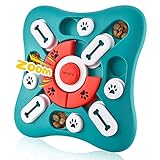
- 【PRODUCT SIZE】10 inch*10 inch*1.3 inch.
- 【3 WAYS TO PLAY, UPGRADE SLOW FEEDER】Our dog mental stimulation toys have a unique squeak button in the middle, which make it easier to attract the attention of dogs and cats. Three different difficulty designs and the 16-hole dog treat dispenser design maximize slow feeding time, even beyond 20 minutes.
- 【FUNNY STIMULATING TOYS】All kinds of dogs and cats love the puzzle game of Spin & Slide and the Seek & Hide with their smell sense and paw skills to find food. Combining circular orbit sliding game and linear orbit sliding game, smart dog and cat must move the slider correctly to get the food reward hidden in the maze.
- 【NON-REMOVABLE PARTS DOG PUZZLE】Our dog treat puzzle is made of non-toxic materials, very durable and suitable for pets to play for a long time. This dog toy has no removable parts because the design has built-in play parts that fold tightly and won't fall off easily.
- 【ANTI-SLIP & EASY TO CLEAN】: The four corners of the bottom are equipped with four anti-skid pads, which can be well fixed during the dog's slow food process; It is easy to clean, also dishwasher safe.
Is white chocolate safe for cats?
The risk depends on the product’s methylxanthine content, and household products vary. Do not use any chocolate as a cat treat; ask a veterinarian about the specific product and amount if ingestion occurred.
Quick wins for a faster PC:
Fix the driver behind crashes, sound loss and screen glitchesFind Drivers →Repair Windows errors before they cause bigger problemsFix Now →What information will a poison-control veterinarian ask for?
Expect questions about the exact product, ingredient list, amount eaten, time since exposure, your cat’s weight and any symptoms. Having the package or a clear label photograph ready speeds that assessment.





Leave a Reply