Metoclopramide is a veterinarian-prescribed medicine that can reduce vomiting and affect movement in a dog’s upper digestive tract. It is used for selected problems, such as vomiting with delayed stomach emptying or reflux, not for every cause of vomiting. A veterinarian must rule out conditions such as gastrointestinal obstruction or perforation and set the individual dose and schedule.
Do not give a dog metoclopramide left over from a human prescription or change a prescribed dose without veterinary advice. Published veterinary dose references vary by treatment purpose, route, product, and the dog’s health.
What is metoclopramide?
Metoclopramide blocks dopamine receptors centrally and also affects the digestive tract. It can reduce vomiting and stimulate coordinated movement in the stomach and upper small intestine. Its effects are not simply “faster digestion” in every situation: Merck Veterinary Manual notes that it speeds gastric emptying of liquids but may slow emptying of solids.
VCA describes metoclopramide use in dogs as extra-label in the United States and Canada. Product authorizations differ by country. A U.S. DailyMed record for an animal-labeled product states that its labeling has not been approved by the FDA; that record is not proof of FDA approval for veterinary use.
The Tool Desk
Outbyte PC Repair FREERepair Windows errors before they cause bigger problemsFix Now →Outbyte Driver Updater FREEFix the driver behind crashes, sound loss and screen glitchesFind Drivers →#1 Best Overall

- Simple way to give tablets and capsules to pets without stress, biting, or spitting
- Soft Silicone Tip Holds Pills Securely - Gentle split-tip grips tablets of various sizes without cracking or slipping—safe for small pets and firm enough for confident delivery.
- Reusable and Easy to Clean - Built to last with durable materials that rinse clean after use—great for multi-pet households, clinics, rescues, and long-term medication schedules.
- Pill Shooter Used by Veterinarians - Modeled after the same trusted style used in vet clinics—now upgraded for safer, easier home use by pet owners and animal caretakers.
- Veterinary-Trusted Design in Convenient Pack Sizes - Get the proven style trusted by vets in 1, 4, or 12 packs—ideal for home use, rescues, clinics, breeders, and anyone managing multiple pets or treatments.
Why might a veterinarian prescribe it?
Veterinary references describe its use for selected cases of:
- Vomiting, including vomiting associated with some illnesses or chemotherapy
- Nausea or vomiting with delayed stomach emptying
- Reflux
- Reduced gastrointestinal motility after surgery
Indications vary by product and jurisdiction. Metoclopramide does not treat the underlying cause of vomiting, and a dog may also need diagnostic testing, fluids, or other treatment.
Metoclopramide dosage for dogs
There is no single dose that is appropriate for every dog. The following are published clinical references, not instructions for choosing or calculating a dose. The prescribing veterinarian must confirm the product, dose, route, and schedule for the individual dog.
| Purpose or source | Published reference | Important limitation |
|---|---|---|
| Prokinetic use; Merck Veterinary Manual | 0.2–0.5 mg/kg orally or subcutaneously every 8 hours; or 0.01–0.02 mg/kg/hour by IV infusion | A prokinetic reference, not a universal regimen. |
| Antiemetic use; Merck Veterinary Manual | 0.1–0.5 mg/kg by mouth, intramuscularly, or subcutaneously every 6–8 hours; or 0.01–0.02 mg/kg/hour by IV infusion | The appropriate route and schedule depend on the clinical situation. |
| Specific UK injectable product information, revised March 2024 | 0.5–1 mg/kg per day by IV, IM, or SC route, divided into two or three administrations | This is product- and jurisdiction-specific; it should not be applied to other products or settings. |
These references differ because treatment purpose, route, and product differ. Kidney or liver impairment and other medicines can also affect the plan. Ask the prescribing veterinarian to verify the exact instructions on the prescription label; do not use a reference range or calculate a dose yourself.
Rank #2

- Simple way to give tablets and capsules to pets without stress, biting, or spitting
- Soft Silicone Tip Holds Pills Securely - Gentle split-tip grips tablets of various sizes without cracking or slipping—safe for small pets and firm enough for confident delivery.
- Reusable and Easy to Clean - Built to last with durable materials that rinse clean after use—great for multi-pet households, clinics, rescues, and long-term medication schedules.
- Pill Shooter Used by Veterinarians - Modeled after the same trusted style used in vet clinics—now upgraded for safer, easier home use by pet owners and animal caretakers.
- Veterinary-Trusted Design in Convenient Pack Sizes - Get the proven style trusted by vets in 1, 4, or 12 packs—ideal for home use, rescues, clinics, breeders, and anyone managing multiple pets or treatments.
How long should a dog take it?
Duration depends on the diagnosis and the veterinarian’s plan. If vomiting continues or worsens, contact the veterinarian for reassessment rather than increasing the dose or continuing treatment without guidance.
How to give metoclopramide
- Follow the prescription label exactly, including the dose and interval.
- Measure liquid medication with an oral syringe or the measuring device supplied, not a kitchen teaspoon.
- Give tablets as directed. Ask the veterinarian whether the medication may be given with food.
- If your dog vomits after a dose, contact the prescribing clinic before repeating it.
- If you miss a dose, ask the clinic or follow the label’s missed-dose instructions. Do not give two doses together.
Do not withhold food or water for an extended period unless a veterinary professional tells you to do so.
Side effects of metoclopramide in dogs
Possible side effects include restlessness or hyperactivity, drowsiness, twitching or spasms, incoordination, abnormal movements or postures, aggression, vocalizing, constipation, and increased urination. The reported effects and their frequency can vary by product and use.
The UK Veterinary Medicines Directorate’s March 2024 product information classifies specified extrapyramidal effects in dogs as “Very rare (<1 animal / 10,000 animals treated, including isolated reports).” That frequency category applies to those effects in that product information, not to all dogs or all metoclopramide products.
Recommended Free Tools
Rank #3
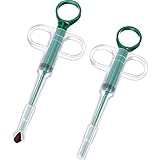
- What You Will Get: 2 pieces of portable pet pill feeding syringes, including 2 x syringes, 2 x water supply silicone heads and 2 x pill feeding silicone heads, enough for your daily use and replacement for feeding pets.Note:The soft head must be completely inserted at the top until it cannot be inserted.
- Safe and Reusable: the pet feeding syringe adopts soft silicone hose, which is strong and safe for your pets to use, reusable after cleaning
- Convenient to carry: the pet syringe measures approximately 5.9 x 2.36 inches in size and weighs 1.06 ounces; The plunger diameter is 0.5 cm, please do not use oversized tablets; Not suitable for pets that are too big or too small, please decide whether to purchase based on the length of the product!
- Practical and Useful: this pill dispenser syringe provides fast and convenient, safe and effective use, which can be a nice auxiliary feeding tool for pets, suitable for tablets, capsules and can also be applied as a tool to feed baby animals that have not yet begun to eat on their own
- Different Silicone Tubes: equipped with two different styles of feeding tubes, one can accommodate small pills and the other is suitable for feeding liquids; The size of the silicone tube is 1.3 * 0.19 inches; Note that the soft tip must be completely placed on the top until it cannot be placed; The material of the plunger is silicone, which has strong adsorption capacity; Therefore, please apply a little force when dispensing to prevent the tablet from getting stuck
When to contact a veterinarian urgently
Contact a veterinarian promptly for new abnormal movements, severe restlessness, aggression, marked sleepiness, or other concerning changes. Seek urgent care for a seizure, collapse, inability to stand, or severe muscle rigidity. Also seek urgent care if vomiting occurs with a swollen or painful abdomen, repeated unproductive retching, blood, severe weakness, or possible toxin or foreign-object ingestion.
When metoclopramide should not be used
Obstruction or perforation should be ruled out before treatment because increasing gastrointestinal movement in those situations can be dangerous. The cited UK injectable product information also contraindicates use with gastrointestinal bleeding.
That product information advises avoiding use in animals with seizure disorders or head trauma and in dogs with pseudopregnancy. It also calls for dose adaptation in renal or hepatic insufficiency and warns about risk in animals with pheochromocytoma. A veterinarian must consider the specific dog, product, and circumstances.
Vomiting can have many causes, including a swallowed object or serious illness. A veterinarian may need an examination, imaging, or tests before deciding whether this medicine is appropriate.
Quick wins for a faster PC:
Scan for outdated or missing drivers - takes under a minuteDriver Scan →Repair Windows errors before they cause bigger problemsFix Now →Rank #4

- Simple way to give tablets and capsules to pets without stress, biting, or spitting
- Soft Silicone Tip Holds Pills Securely - Gentle split-tip grips tablets of various sizes without cracking or slipping—safe for small pets and firm enough for confident delivery.
- Reusable and Easy to Clean - Built to last with durable materials that rinse clean after use—great for multi-pet households, clinics, rescues, and long-term medication schedules.
- Pill Shooter Used by Veterinarians - Modeled after the same trusted style used in vet clinics—now upgraded for safer, easier home use by pet owners and animal caretakers.
- Veterinary-Trusted Design in Convenient Pack Sizes - Get the proven style trusted by vets in 1, 4, or 12 packs—ideal for home use, rescues, clinics, breeders, and anyone managing multiple pets or treatments.
Drug interactions and precautions
Tell the veterinarian about every medication and supplement your dog receives. Merck Veterinary Manual and the cited UK product information note these concerns:
- Narcotic analgesics: may negate prokinetic effects.
- Anticholinergic medicines, such as atropine: may oppose the prokinetic effect.
- Some tranquilizers, including phenothiazines and butyrophenones, and other neuroleptics: may increase the potential for neurologic effects.
- Central nervous system depressants: may increase sedation.
- Kidney or liver impairment: may require dose adaptation, depending on the product and treatment plan.
After prolonged vomiting, a veterinarian may also need to address fluid and electrolyte losses.
Metoclopramide as an antiemetic and prokinetic
Metoclopramide can have both antiemetic and prokinetic effects, but the balance of purpose, route, and safety constraints matters. The veterinarian’s choice depends on the suspected cause, whether obstruction or perforation has been excluded, the dog’s health, and other medications. Do not combine it with another anti-nausea medicine unless the veterinarian has instructed you to do so.
Independent reader supportYour contribution helps us test, update, and keep practical guides available for everyone.What to do if your dog is vomiting
- Keep your dog away from possible toxins, medications, garbage, and objects it might swallow.
- Do not give metoclopramide or another human medicine without veterinary advice.
- Call a veterinarian if vomiting is repeated, your dog cannot keep water down, or your dog is medically fragile.
- Go to an emergency clinic for a painful or distended abdomen, repeated retching without producing vomit, blood, collapse, severe lethargy, breathing problems, or suspected poisoning or foreign-object ingestion.
- Follow the veterinarian’s plan and arrange reassessment if vomiting does not improve.
FAQ
Can I give my dog human metoclopramide?
Only if a veterinarian has prescribed it for that dog and provided the exact dose and schedule. Do not use a human prescription or product without veterinary direction.
Best Value

- These pet pill shooters are suitable for oral tablets, capsules of various shapes and sizes. Note: They are more suitable for dogs up to 45 pounds
- The plunger of the pill tablet feeders helps to pills or capsules safely down the throat without getting hurt the fingers during the process; The comfortable handle make the feeding easier
- These pet pill injectors are made of plastic, non-toxic and durable, the bifurcated rubber design makes the pills more hygienic during the feeding process
- These pet pill syringes are transparent, making the pills visible and be able to know when need dispensing; Small size allows you to carry them along when you travel with your pet
- Total size (cm): 15 (L) x 5 (W) (5.91 inches x 1.97 inches), interior size of barrel (cm): 0.95 (0.375 inch). Package includes: Pill Giver x 2 (Other accessories are not included)
What dose of metoclopramide should I give my dog?
There is no universal dose. Published references vary by purpose, route, and product, and the dog’s health and other medicines matter. Ask the prescribing veterinarian to confirm the instructions on the label; do not select a dose from a reference range.
Is metoclopramide safe for a dog with a blockage?
It may be dangerous when obstruction or perforation is suspected, so these conditions should be ruled out before treatment. A dog with abdominal pain or swelling, repeated retching, or possible foreign-object ingestion needs urgent veterinary evaluation.
What side effects should I watch for?
Watch for restlessness, unusual behavior, drowsiness, twitching, incoordination, or abnormal movements. Contact a veterinarian promptly about new or concerning signs; seek urgent care for a seizure, collapse, or inability to stand.
The Bottom Line
Metoclopramide can help selected dogs with vomiting or upper-digestive-tract motility problems, but it is not a general-purpose home remedy. Obstruction or perforation must be considered, and the veterinarian must set the product, dose, route, and schedule. Contact a veterinarian about abnormal movements or marked behavior changes, and seek urgent care for severe or alarming signs.
Do these 3 things before closing this tab:
1Clear out junk files and repair common Windows errors2Fix the driver behind crashes, sound loss and screen glitches3Repair Windows errors before they cause bigger problemsQuick Recap
Product prices and availability are accurate as of the date/time indicated and are subject to change. Any price and availability information displayed on Amazon at the time of purchase will apply.




