To care for a leopard gecko, provide a secure enclosure with a warm-to-cool temperature gradient, warm, cool, and humid hides, low-level UVB, and a varied diet of gut-loaded, supplemented live insects. Test the setup before bringing the gecko home, weigh and observe it regularly, and contact a reptile veterinarian when health changes persist.
Housing a leopard gecko
A leopard gecko needs a secure, well-ventilated enclosure with more floor space than many older care sheets suggest. The RSPCA’s current minimum for one adult is 60 × 30 × 40 cm (about 24 × 12 × 16 inches); a larger enclosure is preferable when you can provide a safe, usable gradient and plenty of hides.
Use a secure lid or doors that cannot be pushed open. Before the gecko arrives, run the complete setup for at least one week, as the RSPCA recommends. This gives you time to find temperature, humidity, or equipment problems before the animal is at risk.
Create separate warm and cool zones
Do not aim for one temperature across the entire enclosure. A leopard gecko must be able to move between warmer and cooler areas to regulate its body temperature.
What’s actually slowing this PC down?
Pick the symptom - the matching free tool is one click away.
#1 Best Overall

- 【Tempered Glass Tank 35 Gallon】Patented Design Reptile Tank Size: 36" x 18" x 12". Made of high quality tempered glass for sturdy and safe, this wide terrarium tank is suitable for normal reptile amphibian pets as lizard, crested gecko, frog, snake, tortoise and more.rded dragon, lizard, crested gecko, frog, snake, tortoise and more.
- 【Top Screen Ventilation】Thin wire top screen provides ventilation and allows uvb and infrared penetration. Raised bottom frame can be fit a substrate heater; Waterproof bottom makes this 35 gallon tank can be used both as desert terrarium and rainforest tank.
- 【Front Opening Doors】Two front hinged doors of this 35 gallon terrarium can open separately, easy to feed your pet and add decoration.
- 【Easy Cable Organization】Prepared 6 inlet holes designed on top lid for wires and tubing. Extra cable pass for wire organization(up to 4 wires).
- 【Anti Escape】Security buckle on the lid ensure the tank closed tightly, prevent your reptile amphibian chameleon pets from escaping. And the security lock avoid the doors open accidently by your kids and keep your kids safe.
| Area | Useful starting range | How to check it |
|---|---|---|
| Warm end | About 80–90°F (27–32°C) | Use a thermometer in the warm zone; check the surface separately if providing a basking spot. |
| Cool end | About 75–80°F (24–27°C) | Use a separate thermometer at the gecko’s level. |
These ranges come from veterinary guidance including PetMD and Merck Veterinary Manual; measurement points differ among guides, so do not rely on a single “tank temperature.” A digital thermometer at each end, plus an infrared thermometer for surfaces, gives a clearer picture.
Control heat sources with a suitable thermostat. An uncontrolled under-tank heater can burn a gecko, and hot rocks should not be used because they can overheat or injure reptiles. Follow the heating equipment manufacturer’s instructions and check the enclosure after any seasonal room-temperature change.
Provide three hides
At minimum, offer:
- A warm hide on the heated side.
- A cool hide on the opposite side.
- A humid hide containing clean, damp material to help with shedding.
The gecko should be able to hide without losing access to its preferred temperature. Refresh the humid hide regularly so it stays damp rather than stagnant or soaked. The rest of the enclosure should remain relatively dry; a permanently damp vivarium can contribute to skin and respiratory problems.
Lighting and UVB
Current welfare guidance supports providing low-level UVB rather than assuming a nocturnal leopard gecko never needs it. The RSPCA gives an example of approximately UVI 0.7 in the basking zone and zero in shaded areas. Use a guarded fixture, install it at the distance specified by the manufacturer, and replace the lamp according to its stated schedule.
Windows Errors? Fix Them Before They Spread
Repair common Windows errors and clear accumulated junk for a smoother, more stable PC - no reinstall needed.Free scan · no reinstallOutdated Drivers Are Slowing You Down
One free scan finds every outdated or missing driver and matches the right update for your exact hardware.Free scan · exact hardware matchRed-eyed morphs may need specialist advice because bright light can be damaging. Visible lighting should be off at night. A straightforward schedule is about 12 hours of daylight and 12 hours of darkness. Avoid red, blue, or other bright “night lights,” which can interfere with the dark period.
Choose substrate carefully
Substrate advice is not completely uniform. Paper towel, slate, rough flat stone, clay-based substrate, and reptile carpet are commonly used. The RSPCA permits a properly prepared mixture of approximately 50% organic soil and 50% clean play sand for healthy adults in a well-established enclosure, while some veterinary guidance recommends avoiding loose substrate because ingestion may contribute to obstruction.
Rank #2

- 50 GALLON SPACIOUS ENCLOSURE: Measuring 36" x 17.5" x 18" (91.5x45x45.5cm), this large reptile terrarium provides ample room for climbing, exploring, and adding thick substrate layers. It is the perfect, comfortable habitat for lizards, and other reptiles.
- OPTIMIZED FOR DESERT REPTILES: Crafted with a high-quality engineered wood-style build, this tank offers outstanding heat preservation, effortlessly locking in the high temperatures required by desert-dwelling species. The solid construction prevents heat loss, ensuring a cozy environment. (Note: Not recommended for high-humidity or aquatic setups).
- ESCAPE-PROOF GLASS DOORS & LOCK: Features high-transparency sliding glass doors for a wide panoramic view and easy daily feeding. Equipped with a custom metal lock and specially designed silicone gap-seal bars, it completely eliminates the risk of your pets or live feeder insects escaping. Includes sleek door handles for smooth sliding.
- INNOVATIVE CABLE MANAGEMENT: Designed with special rotating cable holes on the side panels (accommodating a maximum of 4 cables). This allows you to easily and neatly route cords for heating pads, thermometers, or UVB lamps while keeping the enclosure securely closed and 100% escape-proof.
- AESTHETIC PET FURNITURE: Finished in an elegant black wood grain, this sturdy enclosure breaks away from the cold look of traditional all-glass tanks. It functions not just as a professional reptile habitat, but as a piece of modern home decor that blends seamlessly into your living room or bedroom setup.
For juveniles, quarantine enclosures, or geckos that are ill, a non-loose substrate is the conservative option. Never use calcisand, crushed walnut shell, corncob, beech chips, or sharp builder’s sand. Remove feces and soiled material promptly, and clean the enclosure with reptile-safe products.
Keep leopard geckos separately
Leopard geckos do not need a companion. Do not house males together: territorial aggression and competition can cause serious injuries or chronic stress. A male and female can breed, and even females housed together may compete for food, heat, or hides. Individual housing makes feeding, weight monitoring, and illness detection easier.
Free tools Windows power users keep installed
One-click scans. No signup required.
What leopard geckos eat
Leopard geckos eat live, appropriately sized invertebrates. They should not be fed fruit, vegetables, or a vegetarian diet.
Suitable feeders include:
- Crickets
- Dubia roaches
- Locusts
- Mealworms
- Superworms
- Silkworms
- Calciworms, also called black soldier fly larvae
Offer prey no larger than the gecko’s head. Rotate feeder species instead of relying on one insect. Waxworms are high in fat and are best reserved for occasional use rather than treated as a staple.
Gut-load and supplement the insects
Gut-load feeder insects for approximately 24–48 hours before feeding them, following RSPCA and VCA guidance. Use a formulated gut-loading diet along with suitable vegetables and a source of hydration. The insects then provide more useful nutrients to the gecko.
Dust prey immediately before feeding with the calcium and vitamin product appropriate for your gecko. There is no single safe schedule for every animal: the correct plan depends on the supplement label, the gecko’s age and health, the amount of UVB provided, and veterinary advice. Excessive supplementation—particularly excess vitamin D3—can also cause harm, so do not combine products or increase doses casually.
Rank #3

- Great for Small Reptiles - This 40-gallon reptile enclosure is ideal for juvenile bearded dragons, leopard geckos, corn snakes, or other small reptiles. Compact and beginner-friendly, it’s a perfect choice for those with limited space or new to reptile care. TIP: This tank is not suitable for holding water.
- All-in-One Storage Base – More than just a vivarium tank, this design includes a full base cabinet with dual side compartments and a center door cabinet. Easily store all your reptile care essentials—UVB lamps, heating mats, thermometers, substrate, snacks, and tools—in one organized space.
- Panoramic Visibility - The front-facing acrylic sliding doors offer a full view of your pets’ activities while making feeding and cleaning effortless—no lifting or bending required. The upper mesh lid is fully openable, ensuring optimal airflow while securely preventing escape. A well-ventilated reptile habitat designed for peace of mind and convenience.
- Built-in Power Center - Integrated with a 4-AC socket power strip, this enclosure supports simultaneous operation of heat lamps, humidifiers, UVB lighting, and thermostats—everything you need to maintain the ideal environment.
- Durable MDF Construction - Crafted from high-quality MDF wood, the enclosure is sturdy, stable, and built to last. Its modern, clean-lined design blends seamlessly into any living space Both functional and fashionable, it's the ultimate vivarium upgrade for any reptile enthusiast.
A shallow dish of plain calcium can be offered, but it does not replace gut-loaded, properly supplemented prey.
How often should you feed?
Published recommendations vary. The RSPCA suggests daily feeding for juveniles and feeding adults every other day; VCA gives a range of every one to two days for juveniles and two or three meals per week for adults. Portion size, prey type, age, growth rate, and body condition account for much of this difference.
Use these as starting ranges rather than fixed rules. Weigh a growing gecko regularly, monitor its body condition, and adjust the plan with a reptile veterinarian if weight is falling, rising too quickly, or failing to increase as expected. Remove uneaten live insects after feeding. Crickets and other prey can bite a gecko if left in the enclosure.
Water
Provide clean, shallow water at all times. Place the dish toward the cool end, clean or replace the water at least daily, and change it immediately if it becomes soiled. A shallow dish reduces the risk of difficulty climbing out and is easier to keep hygienic.
Leopard gecko health and prevention
Watch for metabolic bone disease
Metabolic bone disease is commonly linked to husbandry and nutrition problems, including inadequate calcium, an unsuitable calcium-to-phosphorus balance, vitamin D3 deficiency, insufficient UVB, or temperatures too low for normal metabolism.
Warning signs include muscle twitching, swollen limbs, soft or fragile bones, difficulty moving, and deformities affecting the legs, jaw, spine, or tail. These are not problems to correct with a quick home supplement dose. Arrange prompt care with a reptile veterinarian.
Rank #4

- Moisture-Resistant ECOFLEX – Eco-friendly composite resists moisture for odor control and easy cleanup; not waterproof and best for low-to-moderate humidity setups
- Provides a wide, unobstructed view of your pet—ideal for observing snakes, lizards, and tortoises in a natural-looking setting. Sliding front doors with lock allow quick, safe access for feeding, cleaning, or interaction with your reptile.
- Equipped with vented side panels and a large, mesh screen top to accommodate lighting; designed to provide superior airflow and temperature control for a comfortable environment. Interior Dimensions: 22.6"L x 10.39"W x 10.28"H. Pairs well with the matching Stand (sold seperately, ASIN: B0C3PQP8QC).
- Easy Assembly – Includes all hardware and clear instructions; most customers assemble in 20–30 minutes with basic tools
- 10‑Year Warranty – Built to last with sustainable materials and backed by a manufacturer’s guarantee for peace of mind. U.S. Designed. U.S. Supported. 100% Pet Approved.
Prevent and respond to retained shed
Skin can remain around the toes, eyes, or other areas after a shed. A correctly maintained humid hide supports normal shedding, but do not forcibly peel stuck skin. Persistent retained shed, swollen toes, eye trouble, or darkening and discoloration of tissue needs veterinary advice. Attempting to pull shed away can tear delicate tissue or restrict blood flow.
Understand impaction risk
Impaction is not simply a “sand problem.” Ingestion of unsuitable substrate, dehydration, inadequate heat, and nutritional or underlying health problems may all contribute. Constipation, abnormal droppings, lethargy, appetite loss, or weight loss should be assessed rather than treated repeatedly at home.
Do these 3 things before closing this tab:
1Clear out junk files and repair common Windows errors2Fix the driver behind crashes, sound loss and screen glitches3Repair Windows errors before they cause bigger problemsMonitor the gecko routinely
Reptiles often hide illness, so small changes matter. Check the following:
- Body weight and overall body condition
- Appetite and feeding response
- Droppings and urates
- Activity and movement
- Eyes, skin, toes, limbs, jaw, and mouth
- Tail condition and gradual changes in body shape
The tail stores fat and nutrients, so progressive thinning can indicate inadequate intake or illness. Tail size should not be judged in isolation; assess the entire animal and its weight trend.
Females can lay eggs without a male
An adult female may produce infertile eggs even when she has never been housed with a male. Provide an appropriate moist nesting area. Seek veterinary help if she becomes unusually swollen, strains, stops eating, or appears unable to lay. Egg binding can become life-threatening.
Independent reader supportYour contribution helps us test, update, and keep practical guides available for everyone.When to contact a reptile veterinarian
Arrange an examination for a new gecko and do not wait for severe deterioration when abnormalities persist. Seek prompt veterinary care for:
Best Value
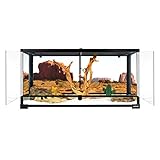
- [Patent Design] Size of RK0119:36" x 18" x 18"(Only include the mesh sides, not include the glass sides). A tough screen top provides ventilation and allows UVB and infrared penetration.
- Raised bottom frame in order to fit a substrate heater; Waterproof bottom makes this tank can be used both as a desert terrarium and rainforest tank.
- Front doors can open separately, easy to feed your pet and prevent escape.
- Window ventilation on the left and right, on top and right, have closable inlets for wires and tubing.
- Easy to install or knock down in 5 minutes with step-by-step instructions; Our glass terrariums are carefully packaged with tough cardboard and thickened reinforced foam for transportation. Should you have any questions when receive it, please reach out to us. A replacement service is provided for damaged parts.
- Unexplained weight loss or prolonged appetite loss
- Abnormal feces, constipation, or suspected obstruction
- Breathing difficulty
- Swollen limbs or jaw, twitching, or trouble walking
- Severe lethargy, wounds, or major changes in behavior
- Retained eye caps or repeated shedding problems
- Straining or suspected egg binding
Do not respond to illness by simply raising the temperature, force-feeding, or giving human medication. Loss of appetite and constipation can result from husbandry errors, parasites, obstruction, reproductive disease, or systemic illness, and the treatment depends on the cause.
Hygiene and safe handling
Reptiles can carry Salmonella without appearing sick. Wash your hands after handling the gecko, its enclosure, food, or equipment. Do not clean reptile supplies where food is prepared. Take extra care around young children, older adults, pregnant people, and anyone who is immunocompromised.
Handle calmly and support the body. Never pick up a leopard gecko by its tail; tail loss is a defense response and, although the tail can regrow, the injury is stressful and requires proper care.
New-owner setup checklist
- Choose a secure enclosure at least 60 × 30 × 40 cm for one adult, or larger if practical.
- Install thermostatically controlled heating and measure both ends separately.
- Add warm, cool, and humid hides.
- Install guarded, low-level UVB and set a day/night timer.
- Choose a safe substrate, using non-loose material for juveniles, quarantine, or illness.
- Place a shallow water dish in the cool end.
- Buy several suitable feeder species, gut-loading food, and the correct supplements.
- Run and test the enclosure for at least one week before arrival.
- Arrange a reptile-veterinary check and begin a simple weight and health log.
FAQ
What size enclosure does an adult leopard gecko need?
The RSPCA lists 60 × 30 × 40 cm as a minimum for one adult, approximately 24 × 12 × 16 inches. A larger enclosure is preferable when it can provide a secure thermal gradient, hides, and usable floor space.
Quick wins for a faster PC:
Repair Windows errors before they cause bigger problemsFix Now →Fix the driver behind crashes, sound loss and screen glitchesFind Drivers →Do leopard geckos need UVB?
Low-level UVB is recommended by newer welfare guidance. The RSPCA gives an example target of about UVI 0.7 in the basking zone with zero UVB in shaded areas. Use a guarded fixture at the manufacturer’s recommended distance and turn visible lighting off at night.
How often should a leopard gecko eat?
Juveniles commonly start with meals daily or every one to two days. Adults may be fed every other day or two to three times weekly. Adjust portions and frequency for age, body condition, weight trends, prey type, and veterinary advice.
What are signs that a leopard gecko needs a veterinarian?
Prompt veterinary assessment is appropriate for unexplained weight loss, prolonged appetite loss, abnormal droppings, breathing difficulty, swollen limbs or jaw, severe lethargy, wounds, retained eye caps, or suspected egg binding. Do not force-feed or give human medication without veterinary direction.
The Bottom Line
Good leopard gecko care is built around choice: a warm side and cool side, several hides, dry surroundings with one humid refuge, safe low-level UVB, and a varied diet of gut-loaded, supplemented insects. Weigh the gecko regularly, remove uneaten prey, maintain strict hygiene, and involve a reptile veterinarian early when weight, movement, droppings, shedding, or appetite changes.
Recommended Free Tools
Quick Recap
Product prices and availability are accurate as of the date/time indicated and are subject to change. Any price and availability information displayed on Amazon at the time of purchase will apply.




