If your cat is straining in the litter box, first check whether they are trying to urinate. A cat that repeatedly squats but produces no urine—or only a few drops—may have a urethral blockage, not constipation. This is a life-threatening emergency, particularly in male cats, and needs immediate veterinary treatment.
If your cat is urinating normally, seems comfortable, and is otherwise alert, mild constipation may sometimes be managed briefly with supportive care and veterinary guidance. Do not give a human laxative or enema without speaking to a veterinarian.
How to tell if your cat is constipated
Constipation means passing hard, dry stool infrequently or with difficulty. Common signs include:
- Repeated, unsuccessful trips to the litter box
- Straining, crying, or restlessness while trying to poop
- Small, hard, dry pieces of stool
- Pooping outside the litter box
- Reduced appetite or lethargy
- Vomiting or signs of abdominal discomfort
- A small amount of watery stool or mucus
Watery material does not necessarily mean the constipation has cleared. Liquid stool can squeeze around a firm mass of impacted feces and look like diarrhea.
Free tools Windows power users keep installed
One-click scans. No signup required.
#1 Best Overall

- Pet Constipation Relief - This cat & dog supplement combines prebiotics and probiotics with digestive enzymes to support constipation relief and overall gut health for cats & dogs, helping smoother bowel movements and maintain regularity
- Herbal Formula - With marshmallow root & dandelion root & ginger for cats & dogs, this natural blend soothes digestion and supports stool passage. A great choice as a daily dog health supplies for upset stomach and gas relief
- Easy-to-use Liquid - Wellix cat & dog stool softener features a fast-absorbing liquid formula suitable even for senior pets. Simply add it to food, water, or milk to relieve straining and hard stools, ready for use whenever needed
- Gentle & Safe - Each ingredient is thoughtfully selected to deliver reliable care without harsh side effects, friendly for pets with sensitive stomachs, making it the best laxative constipation relief for cats and small dogs
- For Cats & Dogs - 4oz (120ml) large bottle, loved by cats & dogs and lasts up to 4 months! Chicken-flavored formula provides nutrition while ensures great taste, ideal for pets of all breeds and sizes to ease occasional constipation
Most cats poop about once a day, although normal frequency varies. VCA Animal Hospitals advises contacting a veterinarian if your cat has not passed stool within 48–72 hours of the previous bowel movement. Missing one bowel movement does not automatically mean something is wrong; call sooner if your cat is repeatedly straining or appears unwell.
Check for a urinary blockage first
Constipation and urinary obstruction can look very similar: both may cause repeated litter-box visits, straining, vocalizing, and distress. Look carefully for urine clumps in the box and observe whether your cat produces a normal amount.
Go to an emergency veterinarian immediately if your cat produces no urine or only a few drops. A blocked urethra can cause acute kidney failure and death if it is not treated. Do not wait to see whether the problem improves overnight. Sources: VCA Animal Hospitals and the American Veterinary Medical Association.
When constipation needs urgent veterinary care
Contact a veterinarian promptly if constipation occurs with any of the following:
Quick wins for a faster PC:
Scan for outdated or missing drivers - takes under a minuteDriver Scan →Repair Windows errors before they cause bigger problemsFix Now →- Vomiting
- Marked tiredness, weakness, or depression
- Refusal to eat
- Significant abdominal pain
- A swollen, hard, or painful abdomen
- Repeated unproductive straining
- Possible ingestion of string, plastic, bones, litter, or another foreign object
- No urine or only a few drops of urine
A suspected intestinal blockage is also urgent. Do not pull string from your cat’s mouth or anus, as doing so can worsen an intestinal injury.
Rank #2
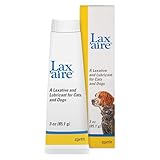
- Soothing Digestive Relief: Lax'aire is a tasty ointment that eases digestive discomfort in dogs and cats. It acts as a gentle laxative to relieve constipation and can also be used to help relieve irritation from hairballs.
- Hairball Treatment for Cats: Its lubricating formula helps hairballs to pass comfortably through the digestive tract and can be used for acute treatment or regular maintenance.
- Pet-Friendly Taste: Purposefully flavored to appeal to both dogs and cats, Lax'aire is a tasty treatment that's easy to give, and even easier to take!
- Supports Healthy Digestion: Formulated with essential vitamins, fatty acids, and iron to support normal and healthy digestion.
- Easy to Use: Packaged in a convenient, squeezable tube, simply dispense a ribbon of ointment, and let your pet do the rest!
What you can do at home for a mild case
Home care is only reasonable when your cat is alert, eating and drinking, urinating normally, and not vomiting or showing significant pain. These measures are supportive—not a substitute for diagnosis if the problem persists.
- Offer fresh water. Put several bowls in quiet, easy-to-reach locations. Some cats drink more from a fountain, but do not delay veterinary care while trying to increase water intake.
- Offer wet food. Canned food can increase water intake if your cat normally tolerates it. Avoid abruptly forcing a diet change, especially in a cat that is already eating poorly.
- Improve litter-box access. Scoop the box, make sure it is easy to enter, and place it somewhere quiet. In a multi-cat home, provide enough boxes to reduce competition and guarding.
- Prevent access to indigestible objects. Keep string, ribbon, plastic, bones, clumping litter, and similar materials away from your cat.
- Phone your veterinarian before using a laxative, fiber supplement, or pumpkin. The right treatment depends on hydration, the severity of the impaction, and whether an obstruction is present.
Can cats have pumpkin for constipation?
Plain canned pumpkin is sometimes used as a fiber source for mild constipation. If your veterinarian approves it, use only plain 100% pumpkin—not pumpkin pie filling, seasoned pumpkin, or a product containing sugar or spices. Pumpkin is not an appropriate do-it-yourself treatment for a cat that is dehydrated, vomiting, severely constipated, or possibly obstructed. Source: PetMD.
Fiber does not help every cat. Too much can cause excessively loose stool and may reduce nutrient absorption. Laxatives can also worsen dehydration in some animals.
What not to give a constipated cat
| Product or action | Why it is risky |
|---|---|
| Human laxatives | Some products are unsafe for cats or require carefully calculated veterinary dosing. |
| Mineral oil by mouth | If inhaled during swallowing, it can cause serious aspiration pneumonia. |
| Human phosphate enemas | They can cause potentially fatal electrolyte disturbances in cats. |
| Repeated enemas without instructions | Incorrect products, technique, or frequency can injure the rectum or worsen illness. |
| Manual removal of hard stool | Impacted feces may require sedation or anesthesia; forceful attempts can cause injury. |
Never use a human phosphate-containing enema on a cat. These products can cause severe hyperphosphatemia, hypocalcemia, hypernatremia, and hyperosmolality. Some compliant cats may be given enemas at home, but only after a veterinarian has selected the product and trained the owner.
What causes constipation in cats?
Constipation can have a straightforward cause, but recurrent or severe cases need investigation. Possible causes include:
Rank #3
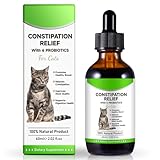
- Fast-acting formula - Experience rapid relief for your pet with our premium product, designed to alleviate discomfort swiftly through the power of natural ingredients and a carefully balanced composition.
- 100% Natural product - Our latest formula is crafted with gentle, natural ingredients, ensuring optimal efficacy without any artificial additives. Trust in our Cat Constipation Relief, now in liquid form, for a pure and effective solution.
- Convenient dosage - Administering our tincture is effortless with our user-friendly dropper, allowing you to give your cat the precise dosage required for quick and effective relief, saving you time and simplifying the process.
- Safe solution - Join cat owners worldwide in trusting our tincture as a safe and reliable solution for addressing feline constipation. Rest assured, our product prioritizes your pet's health and well-being.
- Happy cat, happy home - Bid farewell to the worry of managing your cat's discomfort and welcome a happier, more contented feline companion into your home. Our reliable constipation relief solution promises not just relief for your cat, but also a happier and more harmonious household.
- Dehydration or inadequate water intake
- A dirty, poorly located, difficult-to-access, or socially guarded litter box
- Swallowed fur, bones, litter, or other poorly digestible material
- An intestinal foreign body, tumor, or narrowing
- A previous pelvic injury that narrows the passage
- Neurologic or neuromuscular disease
- Medication side effects
- Chronic disease of the colon, including megacolon
Sometimes no single cause is found; this is called idiopathic constipation. Older cats and cats with other chronic illnesses may need a more thorough assessment.
How a veterinarian diagnoses constipation
Your veterinarian will ask when your cat last passed stool, what it looked like, whether they are urinating, and whether there has been vomiting, appetite loss, diet change, or access to foreign objects. They will examine the abdomen and may assess hydration and the rectum.
The Tool Desk
Outbyte PC Repair FREERepair Windows errors before they cause bigger problemsFix Now →Outbyte Driver Updater FREEFix the driver behind crashes, sound loss and screen glitchesFind Drivers →Abdominal X-rays are commonly used to confirm retained stool and judge its severity. They can also help identify an obstruction, pelvic abnormality, or megacolon. Depending on the findings, the veterinarian may recommend blood tests, urinalysis, ultrasound, colonoscopy, or a biopsy.
If possible, take a photograph of abnormal stool and note the timing and amount of urine and feces. This information can help distinguish constipation from a urinary problem or diarrhea around an impaction.
How constipation is treated by a veterinarian
Treatment depends on the cause and how severely stool is retained. It may include:
Rank #4

- Gentle Comfort: Tiny, odorless pills for constipation relief for cats; this natural cat laxative supports softer stools and regular litter habits, simple dosing, odorless, tasteless and easy to give.
- Natural & Safe Daily Care: Homeopathic, plant-based blend supports cat constipation relief for all breeds and ages; non-addictive, with no chemicals, stimulants, or artificial additives can be used daily to encourage softer stools and daily bowel support.
- Everyday Ease: Tiny pills mix with food or dissolve in water, no droppers or sticky mess, routine-friendly constipation relief for cats that keeps dosing simple and consistent for busy pet parents.
- Gentle, Clean Formula: Free of artificial colors and harsh additives, this cat laxative provides ongoing comfort and constipation relief for cats, with clear directions and flexible dosing.
- Long-Lasting Value: Loved by cat parents who want safe, natural cat laxative treatment and constipation relief without stress or side effects. 400 tiny pills provide consistent relief and prevention all in one bottle, supporting multi-cat homes, helping keep routines consistent, and elimination comfortable.
- Fluids, sometimes given intravenously
- A prescribed laxative or stool softener
- A therapeutic diet
- An appropriately selected veterinary enema
- Manual removal of impacted feces under sedation or general anesthesia
- A prokinetic medication to improve colonic movement
- Surgery for an obstruction or treatment-resistant megacolon
A severe impaction may need more than one treatment session. Cats with megacolon may require hospitalization for several days while they are rehydrated and the colon is cleared.
What’s actually slowing this PC down?
Pick the symptom - the matching free tool is one click away.
Chronic constipation and megacolon
Repeated or prolonged constipation can progress to obstipation, where hard feces cannot be passed. It can also contribute to megacolon: severe dilation of the colon accompanied by reduced ability of the colon muscles to move stool.
Chronic cases may initially respond to diet and medication but become harder to control over time. If medical treatment fails, a subtotal colectomy—removal of most of the affected colon—is the standard surgical approach described in veterinary references. Your veterinarian can explain likely benefits, complications, and the possibility of softer stools after surgery.
Independent reader supportYour contribution helps us test, update, and keep practical guides available for everyone.Preventing future episodes
- Keep water bowls clean and available in several locations.
- Ask your veterinarian whether wet food or a therapeutic fiber diet is appropriate.
- Scoop litter boxes frequently and keep them in quiet, accessible areas.
- Provide enough boxes for a multi-cat household to reduce competition.
- Brush cats that swallow large amounts of fur during grooming.
- Keep string, ribbon, plastic, bones, and other indigestible items out of reach.
- Track litter-box habits if your cat has had constipation before.
- Follow the prescribed dose and schedule for any laxative or motility medication.
Do not assume that more fiber is always better, that watery stool proves the blockage is gone, or that every litter-box straining episode is constipation.
Sources
- VCA Animal Hospitals: Constipation in Cats
- Merck Veterinary Manual: Disorders of the Stomach and Intestines in Cats
- Cornell Feline Health Center: Constipation
- Merck Veterinary Manual: Constipation, Obstipation, and Megacolon
FAQ
How long can a cat go without pooping?
A missed bowel movement alone does not always mean constipation, because normal frequency varies. VCA Animal Hospitals advises contacting a veterinarian if your cat has not passed stool within 48–72 hours of the previous bowel movement, or sooner if they are straining, vomiting, not eating, painful, or lethargic.
Recommended Free Tools
Best Value
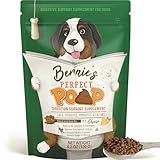
- HEALTH STARTS IN THE GUT: High Fiber Grass Bits naturally revitalize your pet's digestive tract to relieve digestive issues including diarrhea, constipation, upset stomach, stalled digestion, bloating and food intolerance; Reduces gas, stool odor, bad breath and firms up poop
- HELP YOUR DOG FEEL THEIR BEST: Bolster your dog's immune system and overall health; Increase absorption of nutrients and vitamins to help tackle common pet concerns such as allergies, skin, coat, itching, licking, infection, low energy, weight loss, mood, sensitive stomach, and more
- COMPLETE 4 IN 1 FORMULA: Combines premium Fibers, Prebiotics, Probiotics and Enzymes to supercharge your pet's digestive system. These four building blocks unite to form a high fiber solution that heals and maintains your dog's gut
- 4 IN 1 FORMULA SAVES TIME AND MONEY: Stop buying separate supplements; save time and money by buying one solution that combines them all; Solid grass bits mix in well with your dog's food or can be served as treat or topper; No more powders stuck at the bottom of the bowl or floating in the air like other brands; Serving size varies based on weight - One bag will last a 50 lb dog a little over a month
- NATURAL PREMIUM INGREDIENTS: Natural, Grain Free, Gluten Free, Non-GMO and Made in USA; Miscanthus Grass, Pumpkin Powder and Flax Seed Fibers provide the perfect poop; Inulin & Xylooigosaccharides Prebiotics; Bacillus Subtilis and Bacillus Coagulans probiotics support a healthy digestive tract and immune system; Blend of digestive Enzymes break down food and increase nutrient absorption
Can I give my cat a human enema or laxative?
No, not unless your veterinarian specifically prescribes and explains the product. Human phosphate enemas can cause fatal electrolyte disturbances, and some laxatives are unsafe for cats. Mineral oil should not be given by mouth because aspiration can cause pneumonia.
Is watery stool a sign that my cat’s constipation is gone?
Not necessarily. Liquid stool can pass around a hard fecal impaction, so watery material may occur while constipation remains. Veterinary advice is particularly important if your cat continues to strain or seems ill.
Why is my cat straining in the litter box but not pooping?
Constipation is one possibility, but urinary obstruction can look the same. Check whether your cat is producing a normal amount of urine. No urine or only a few drops is an emergency, especially in a male cat.
The Bottom Line
Check urine output before treating suspected constipation. A cat that cannot urinate needs emergency care. For a cat that is urinating normally and otherwise feels well, offer water, wet food, and a clean accessible litter box while contacting your veterinarian for advice. Never use human phosphate enemas, give mineral oil by mouth, or manually remove impacted stool without veterinary instruction.
Do these 3 things before closing this tab:
1Repair Windows errors before they cause bigger problems2Scan for outdated or missing drivers - takes under a minute3Clear out junk files and repair common Windows errorsQuick Recap
Product prices and availability are accurate as of the date/time indicated and are subject to change. Any price and availability information displayed on Amazon at the time of purchase will apply.




