Free tools Windows power users keep installed
One-click scans. No signup required.
A puppy’s first-year vaccine plan is a series of timed doses, not a single appointment. The exact dates depend on the puppy’s age, previous records, vaccine products, health, local rabies law, and exposure risks.
Use this chart as a planning guide, then have your veterinarian confirm the schedule. The final distemper-parvovirus-containing dose should be given at 16 weeks of age or later—and sometimes later for puppies at especially high risk.
First-year puppy vaccine schedule
| Puppy age | Vaccines commonly due | Important details |
|---|---|---|
| 6–8 weeks | First DA2PP, DAPP, DHPP, or similar combination vaccine | Protects against core diseases including distemper, canine adenovirus, and parvovirus. This is the beginning of a series, not a complete vaccination course. AAHA guidance and WSAVA’s 2024 guidelines support a repeated puppy series. |
| 9–12 weeks | Second core combination dose | Usually given 2–4 weeks after the first dose. Depending on lifestyle and location, your veterinarian may also recommend Bordetella, canine influenza, or Lyme disease vaccination. |
| 12–16 weeks | Final puppy-series core dose; first leptospirosis dose; rabies when legally permitted or required | The final distemper/parvovirus-containing dose should be given at 16 weeks or older. High-risk puppies may need core vaccination through 18–20 weeks. AAHA’s vaccine recommendations list leptospirosis as a recommended core vaccine for all dogs, starting at 12 weeks with a two-dose series. |
| 14–18 weeks | Second leptospirosis dose, if started | The initial leptospirosis series generally requires two doses given 2–4 weeks apart. |
| Around 6 months | Possible veterinarian-recommended core check or booster | WSAVA’s 2024 guidelines suggest considering a core revaccination around 6 months in some puppies rather than automatically waiting until 12–16 months. This does not replace completing the puppy series through at least 16 weeks. |
| Within 1 year after the final puppy dose | Core combination booster; leptospirosis and rabies boosters as applicable | AAHA recommends one core combination booster within 1 year after the initial series, then core boosters at 3-year intervals. Leptospirosis boosters are generally annual; rabies timing follows local law and the product label. |
Why puppies need multiple core vaccine doses
Puppies receive antibodies from their mother’s colostrum. These maternal antibodies help protect them early in life, but they can also block a vaccine from producing a reliable immune response. The antibodies disappear at different rates; in some puppies, they may interfere with vaccination at 13–15 weeks or longer.
That is why core vaccines are repeated every 2–4 weeks until at least 16 weeks of age. An early dose may work, but the later dose is intended to catch the puppy after maternal-antibody interference has declined. Stopping after a 6-, 8-, or 12-week dose can leave a gap in protection. See AAHA’s parvovirus guidance and Merck Veterinary Manual’s vaccine guidance.
#1 Best Overall

- "COMPLETE MEDICAL RECORDS FOR DOGS & PUPPIES: Comprehensive health record booklets designed to track vaccinations, deworming, exams, and treatments. Ideal for maintaining organized, accurate medical histories for individual dogs or entire litters."
- 25 INDIVIDUAL BOOKLETS PER PACK: Includes 25 separate health records, making it easy for breeders, shelters, rescues, or clinics to document care for multiple pets. A convenient, cost-effective option for professional use."
- CLEAR, CUSTOMIZABLE FORMAT FOR EASY RECORDING: Each booklet includes clearly labeled sections for vaccines, dates, and notes. Simple, organized design allows pet owners and professionals to record information quickly and legibly at home or during vet visits."
- PORTABLE & DURABLE DESIGN: Compact size fits easily into travel folders, puppy packets, or veterinary files. Sturdy paper stock ensures each record withstands handling over time, ideal for breeders and adopters."
- IDEAL FOR PET OWNERS, BREEDERS & CLINICS: A must-have tool for dog owners, shelters, veterinarians, and groomers to track a pet’s complete health history. Simplifies communication between caregivers, adopters, and clinics."
Which vaccines are considered core?
Current American Animal Hospital Association guidance identifies these as core vaccines for dogs:
- Canine distemper virus
- Canine adenovirus
- Canine parvovirus
- Leptospira, included as a recommended core vaccine in AAHA’s 2024 update
- Rabies, according to applicable law
A combination vaccine may also contain canine parainfluenza. Check the actual product name and antigen list rather than assuming every vaccine labeled “DHPP” contains exactly the same components.
Lifestyle vaccines your puppy may need
Some vaccines are selected according to where a puppy lives and spends time. A puppy that stays mostly at home may have a different risk profile from one attending daycare, hiking in a tick-heavy area, or boarding regularly.
Rank #2
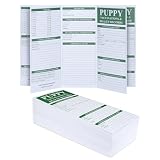
- PROFESSIONAL 100-PACK BULK VALUE - Massive 100-card inventory specifically engineered for professional breeders, animal shelters, and multi-pet households. Each tri-fold booklet provides comprehensive tracking for an individual pet’s entire early-life medical journey
- ULTIMATE HEALTH TRACKING MATRIX - Data-optimized layout covers 8+ critical health dimensions: Vaccination schedules, food transition, Deworming treatments, Heartworm screening, Weight logs, and specialized medical history. Zero-missing data architecture for professional-grade record keeping
- PREMIUM 175 GSM NO-BLEED STOCK - Crafted from heavy-duty 175 GSM duplex paper with ink-resistant properties. Tested with all pen types to ensure zero bleed-through or ghosting, keeping your records crisp and legible for years.
- COMPACT PORTABLE TRI-FOLD DESIGN - Precision engineered size:8.5 x 3.8" (Folded) and 8.5 x 11"(Unfolded). Fits perfectly into standard pet travel bags, vaccination folders, or vet clinic organizers. Tri-fold structure protects internal sensitive medical data from exposure
- ESSENTIAL FOR NEW OWNERS & VETS - A non-negotiable tool for pet adoption transitions. Provides clear, chronological medical evidence for new pet owners and instant diagnostic reference for veterinarians during emergencies. Includes dedicated space for clinic stamps and vaccine stickers.
| Vaccine | When it may be recommended |
|---|---|
| Bordetella | Boarding, daycare, grooming, training, shelters, or frequent contact with unfamiliar dogs. Depending on the product, it may be intranasal, oral, or injectable; injectable products require two doses 2–4 weeks apart. |
| Canine influenza | Areas or facilities with known circulation, especially where many dogs gather. |
| Lyme disease | Tick exposure in regions where Lyme disease is a concern. Tick prevention is still necessary. |
| Rattlesnake toxoid | Selected high-risk locations. It does not replace emergency veterinary treatment after a snakebite. |
Do not assume a lifestyle vaccine is automatically needed—or automatically unnecessary. Tell the veterinarian whether the puppy will attend daycare, travel, hike, visit a groomer, live in a rural area, or spend time around wildlife. See AAHA’s core and noncore vaccine recommendations.
Do these 3 things before closing this tab:
1Scan for outdated or missing drivers - takes under a minute2Repair Windows errors before they cause bigger problems3Fix the driver behind crashes, sound loss and screen glitchesWhen should a puppy get the rabies vaccine?
Rabies does not have one nationwide puppy schedule in the United States. The required minimum age, booster timing, certificate rules, and exemptions vary by state or local jurisdiction. The licensed vaccine’s product label also matters.
Rabies vaccination is commonly given at about 12 weeks of age or older, but your veterinarian must follow the law where you live. Ask for a written rabies certificate and keep it with the puppy’s medical records. WSAVA’s 2024 guidelines discuss rabies vaccination and local requirements.
Rank #3
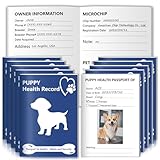
- Sufficient Quantity:When you choose our dog vaccines records, you'll receive 10 notebook.Whether you're a breeder, veterinary practice, or multi pet household, this will ensure you have enough documentation on hand for managing each pet's health history。Every puppy vaccination record book has 12-page puppy health journal has 8 dedicated pages for tracking your pup’s health, vet visits, and key details, with 4 blank pages at the end for jotting down extra notes, pet-related info, or anything else you want to record.
- .Ideal Size for Record Keeping:Each dog vaccine record book measures 5x3.5 inches folded; 5x7 inches unfolded, allowing for easy portability and storage.These handy health records notebook for dogs with double sided printing, featuring enough space and columns for all your pets important information,plus, it has dedicated spots for sticking on vaccine stickers and adding cute puppy photos.They offer a stylish and organized approach to pet health documentation, a must have addition to your pet supplies.
- Premium Quality: The puppy health record tracker’s cover features 300gsm coated paper with vibrant full-color printing and a protective laminate finish. Inside, 100gsm high-quality offset paper pages are durable and ink-resistant, ensuring no bleeding from pens or markers—so your records stay neat and easy to read.
- .Effortlessly Track Vaccinations and More:The canine health record booklets pages include:owner and puppy information,medical history and hospitalizations,vaccination record and sticker,dog service providers,fecal examinations and de-worming,heartworm screening, prevention and treatment etc.This record keeping tool will ensure every important detail is accounted for and make this task easy, organized, and straightforward.Add this essential tool to your pet supplies for a happier, healthier pet.
- Essential for Pet Owners:Designed for veterinary clinics and pet owners, these puppy vaccination record books make tracking key health details—like shots, checkups, and treatments—simple and organized. When you’re away and leave your pup with a sitter or family, the dog medical record and vaccine book serves as a quick reference for their medical history, ensuring care stays on track even in your absence. Plus, dedicated sections for photos, physical markings, and ID info prepare you for emergencies, helping you recover your friend quickly if they ever get lost.
Common scheduling mistakes
- Stopping at 12 weeks. Early doses do not eliminate the need for a core dose at 16 weeks or later.
- Counting one leptospirosis dose as complete. The initial leptospirosis series requires two doses, usually 2–4 weeks apart.
- Assuming every DHPP is identical. Combination products differ. Review the vaccine record for the specific antigens and product.
- Restarting automatically after an overdue or unknown record. The veterinarian may be able to continue or modify the plan. AAHA says that in most cases the benefits of vaccinating outweigh the risks, but product instructions and rabies law still apply.
- Vaccinating a seriously ill puppy without an examination. Severe illness, malnutrition, heavy parasite burdens, or immune suppression can affect vaccine response and may require treatment first. See the Merck Veterinary Manual.
- Splitting vaccine doses at home. Dividing a vaccine volume or using “split dosing” is not an advised way to reduce the amount given. See AAHA’s vaccine-reaction guidance.
Can a puppy socialize before finishing vaccines?
Complete isolation until the last vaccine is usually unnecessary and can interfere with early social development. Controlled socialization can begin during the sensitive puppy period, provided the setting is clean and the risks are managed.
Safer choices may include meeting healthy, vaccinated dogs you know, attending a well-managed puppy class that checks vaccination records, and visiting new places without allowing contact with contaminated ground. Avoid dog parks, crowded dog-gathering areas, unknown dogs, and places with poor sanitation until your veterinarian says the risk is acceptable. See WSAVA’s 2024 guidelines and the AVMA distemper brochure.
What to expect after vaccination
Mild tiredness, soreness at the injection site, reduced appetite, or a low fever can occur for a short time after vaccination. Keep the puppy comfortable and follow the clinic’s instructions.
Rank #4
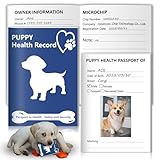
- Product Include:When you choose our dog vaccines records tracker, you'll receive one notebook.This 12-page puppy health journal has 8 dedicated pages for tracking your pup’s health, vet visits, and key details, with 4 blank pages at the end for jotting down extra notes, pet-related info, or anything else you want to record.
- Ideal Size for Record Keeping:Each dog vaccine record book measures 5x3.5 inches folded; 5x7 inches unfolded, allowing for easy portability and storage.These handy health records notebook for dogs with double sided printing, featuring enough space for all your pets important information,plus, it has dedicated spots for sticking on vaccine stickers and adding cute puppy photos.They offer a stylish and organized approach to pet health documentation, a must have addition to your pet supplies.
- Premium Quality: The puppy health record tracker’s cover features 300gsm coated paper with vibrant full-color printing and a protective laminate finish. Inside, 100gsm high-quality offset paper pages are durable and ink-resistant, ensuring no bleeding from pens or markers—so your records stay neat and easy to read.
- Effortlessly Track Vaccinations and More:The canine health record booklets pages include:owner and puppy information,medical history and hospitalizations,vaccination record and sticker,dog service providers,fecal examinations and de-worming,heartworm screening, prevention and treatment etc.This record keeping tool will ensure every important detail is accounted for and make this task easy, organized, and straightforward.Add this essential tool to your pet supplies for a happier, healthier pet.
- Essential for Pet Owners:Designed for veterinary clinics and pet owners, these puppy vaccination record books make tracking key health details—like shots, checkups—simple and organized. When you’re away and leave your pup with a sitter or family, the dog medical record and vaccine book serves as a quick reference for their medical history. Plus, dedicated sections for photos, physical markings, and ID info prepare you for emergencies, helping you recover your friend quickly if they get lost.
Contact a veterinarian immediately for facial swelling, hives, trouble breathing, collapse, repeated vomiting, or severe weakness. These can signal a serious vaccine reaction. If the puppy has had a previous reaction, tell the clinic before the next appointment; the veterinarian may adjust observation time, product selection, or the appointment plan. See AAHA’s reaction guidance and the Merck Veterinary Manual.
Independent reader supportYour contribution helps us test, update, and keep practical guides available for everyone.What to bring to the first veterinary appointment
- Bring breeder, shelter, rescue, or adoption records, including vaccine stickers and dates.
- Ask which diseases each recorded product covered.
- Confirm the interval between each previous dose.
- Discuss rabies requirements for your city or state.
- Describe the puppy’s future activities, travel plans, dog contacts, and tick or wildlife exposure.
- Write down the next appointment before leaving the clinic.
If records are incomplete, do not try to reconstruct the schedule from memory or give an extra vaccine at home. Let the veterinarian assess the puppy and create a documented plan. AAHA guidance supports review of vaccine history, product instructions, and risks.
FAQ
What is the most important puppy vaccine date?
The final distemper, adenovirus, and parvovirus-containing dose should be given at 16 weeks of age or later. Some high-risk puppies need doses through 18–20 weeks.
Best Value

- [Measurement] Unfolded Size: 10.5 x 8 Inch. Folded Size: 3.6 x 7.8 Inch. Health Record for All of the Important Information: Pet’s Weight, Recording Immunizations, Deworming Schedule, Fecal Exams, Vet appointments, and Medical History, etc.
- Anzon Mories 24 Bulk Pack is suitable for Vet’s Offices and Pet’s Owner Who Need to Supply Patients with a Shot and Keeping Canine’s Health Information.
- The 47lb/175gsm Heavy Weight Cardstock Material is suitable to Prevent Bleeding and Ghosting.
- Convenient Pocket Design to Keep Your Receipts, Cards, Memo Notes, Microchips and Accessories.
How many rounds of puppy shots does a puppy need?
Most puppies receive core combination vaccines every 2–4 weeks starting at 6–8 weeks and continuing until at least 16 weeks. The number of visits depends on the puppy’s starting age and previous records.
Does a puppy need two leptospirosis shots?
Yes. The initial leptospirosis series generally requires two doses given 2–4 weeks apart. One dose does not complete the initial series.
Can puppies go outside before all vaccines are finished?
Controlled socialization is possible before the series is complete, but puppies should avoid high-risk areas, unknown dogs, and contaminated environments. Your veterinarian can help balance disease risk with the benefits of early socialization.
How often does a puppy need a core booster after the first year?
AAHA recommends a core combination booster within one year after the initial series, then core combination boosters at 3-year intervals. Leptospirosis boosters are generally annual, and rabies timing depends on local law and the product label.
The Bottom Line
Plan on core puppy vaccines every 2–4 weeks from roughly 6–8 weeks until at least 16 weeks, then follow the veterinarian’s first-year booster plan. Add leptospirosis, rabies, Bordetella, influenza, Lyme, or other vaccines according to the puppy’s health, location, legal requirements, and lifestyle—not simply because another dog received them.
Quick Recap
Product prices and availability are accurate as of the date/time indicated and are subject to change. Any price and availability information displayed on Amazon at the time of purchase will apply.




