For a new puppy, start with close supervision, a predictable routine, and immediate rewards for behaviors you want repeated. Focus first on toileting, responding to a name or recall cue, settling, and gentle handling; keep practice brief and positive. Introduce new experiences at a pace the puppy can handle, and ask your veterinarian about vaccination and local disease risks.
The aim in the first weeks is not perfect obedience. Prevent unwanted behavior where you can, reward desirable choices, and let your puppy learn without fear or force. Use barriers or a pen to limit unsupervised roaming, and plan for toileting, rest, play, and meals.
Set Up Before Training
Prepare a supervised, puppy-safe area and decide how you will prevent access to hazards and rooms when you cannot watch closely. Management helps keep the puppy safe and prevents unwanted behavior from becoming a habit while you teach alternatives.
Keep a few small food rewards handy if your puppy enjoys them. Food can be an effective reward; deliver it as soon as the behavior you want happens, so the puppy can connect the reward with that action.
Recommended Free Tools
#1 Best Overall
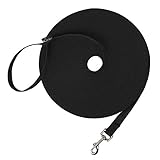
- DIMENSIONS - This dog leash measures 3/4in wide by 30 feet long. Great for hiking, camping, training, hunting, backyard, beach, recall training, outdoor play with tennis balls, and swimming!
- LONG LEASH: This training leash is great for teaching your dog recalls. It has the length needed to allow them to wander and ensure your command to come! is obeyed.
- NYLON TRAINING LEAD - This durable, long, nylon dog training leash will outlast cotton leashes. All stitching is reinforced and the nickel plated clip swivels to resist twisting. Our long dog leash is great for medium and large dogs. You'll love using it as a backyard dog leash, for off leash dog training, and more.
- Allows you to teach your dog recalls and other obedience skills.
- Swivel-style bolt snap resists twisting
Make a plan for regular opportunities to toilet outdoors, as well as rest, play, and meals. The sources for this guide do not establish one universal potty interval or crate schedule, so observe your puppy and ask your veterinarian about individual needs.
Reward-Based Training Basics
AVSAB’s 2021 Position Statement on Humane Dog Training says evidence supports reward-based methods for all canine training. In practice, reward the behavior you want, manage the environment to prevent unwanted behavior, and make lessons easy enough for your puppy to succeed. Avoid punishment and aversive tools such as leash corrections, prong collars, choke chains, and electronic collars.
- Choose a simple behavior you want to encourage.
- Set up an easy opportunity for your puppy to do it.
- Reward immediately when it happens.
- Practice in different settings gradually; do not assume your puppy will automatically understand a behavior in a new place or with a new person.
Keep early practice short and end before your puppy becomes overwhelmed. If your puppy struggles, make the next repetition easier rather than using force or repeating a cue the puppy does not yet understand.
House-Train with Timing and Supervision
Take your puppy to an appropriate toileting place, supervise indoors, and restrict access when you cannot watch. Reward outdoor toileting immediately after it happens. This helps your puppy connect the reward with the right action and location.
The Tool Desk
Outbyte Driver Updater FREEFix the driver behind crashes, sound loss and screen glitchesFind Drivers →Outbyte PC Repair FREEClear out junk files and repair common Windows errorsFree Scan →Rank #2

- 【EASY AND CONVENIENT】- No collar or harness needed. With the adjustable loop, extremely simple and easy to put on or off
- 【STRONG & LIGHTWEIGHT】- These Premium Slip Leads for dogs are made of high strength nylon rope, super durable metal ring, and the knots bound with leather cover. 1/2” thick rope provide maximum durability and comfortable grip
- 【Reflective for Night Safety】- The reflective straps on the entire rope leash ensures great visibility and security during night walk or jogging
- 【Great for Training】– The slip leash tightens when your dog pulls and loosens when the behavior is corrected. Great dog training leash to correct the behavior under control. Anti-choke ring is included to prevent choking hazard
- 【Perfect Size】– 1/2” x 6 ft perfect length for Outside walking, jogging, hiking or training. Suit for Large and Medium Dogs
- Bring your puppy to the chosen toileting place.
- Wait calmly and give the puppy an opportunity to go.
- As soon as your puppy finishes, reward the success.
- Continue to supervise or manage access indoors to reduce accidents.
If an accident happens, clean it without scolding. If you catch the puppy in the act, calmly guide it outdoors when practical and reward success there. Punishment after an accident can teach a puppy to hide when toileting rather than where to go. These steps follow AVSAB’s Housetraining Tips.
Start with a Few Useful Skills
Early training need not be a long list of commands. Start with name response or recall in safe settings, calm settling, and gentle cooperation with ordinary handling. Reward small steps and gradually add distractions as your puppy is ready.
Name response and recall
- In a safe, quiet setting, say your puppy’s name once.
- When your puppy turns toward you, reward immediately.
- For recall, add a cue such as come when your puppy is close and likely to respond.
- Reward returning to you, and practice in safe settings before adding distractions.
Make returning rewarding. Do not call your puppy into a situation that is frightening or use the cue to punish it.
Settling and gentle handling
Reward calm moments, such as lying down near you or resting in a safe area. Pair gentle, brief handling with rewards, and pause if your puppy seems uncomfortable. The goal is to build positive associations and cooperation, not to force the puppy to endure handling.
Quick wins for a faster PC:
Repair Windows errors before they cause bigger problemsFix Now →Fix the driver behind crashes, sound loss and screen glitchesFind Drivers →Clear out junk files and repair common Windows errorsFree Scan →Rank #3

- Dimensions - This dog leash measures 3/4in wide by 15 feet long. Great for hiking, camping, training, hunting, backyard, beach, recall training, outdoor play with tennis balls, and swimming!
- Long Leash: This training leash is great for teaching your dog recalls. It has the length needed to allow them to wander and ensure your command to come! is obeyed.
- Nylon Training Lead - This durable, long, nylon dog training leash will outlast cotton leashes. All stitching is reinforced and the nickel plated clip swivels to resist twisting. Our long dog leash is great for medium and large dogs. You'll love using it as a backyard dog leash, for off leash dog training, and more.
- Allows you to teach your dog recalls and other obedience skills.
- Swivel-style bolt snap resists twisting
Socialize Safely and Positively
AVSAB identifies the first three months as the primary socialization period and supports appropriate socialization before a puppy is fully vaccinated. Socialization means helping your puppy have manageable, positive experiences with people, animals, places, sounds, and everyday handling. It does not mean forcing greetings or exposing a puppy to overwhelming situations.
Let your puppy observe from a comfortable distance, pair new sights and sounds with rewards or play, and allow the puppy to move away or retreat. If your puppy shows fear, withdrawal, or avoidance, increase distance or end the exposure and make the next one easier. AVSAB’s guidance on socialization emphasizes that exposure alone is not enough; the experience should be appropriate for the puppy.
Avoid high-traffic dog areas when disease exposure is uncertain. Ask your veterinarian which settings, dogs, and classes are appropriate for your puppy’s health and local risks. AVSAB’s puppy-socialization guidance recommends precautions including vaccination and deworming measures for classes.
Choosing a Class or Trainer
A puppy class or private trainer can provide practice and guidance, but check the provider’s methods, credentials, and health precautions directly. Choose reward-based training, a class that can adjust experiences to a puppy’s comfort, and a provider who can explain how to prevent unwanted behavior and reinforce appropriate alternatives.
What’s actually slowing this PC down?
Pick the symptom - the matching free tool is one click away.
Rank #4
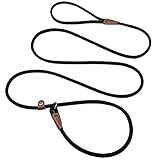
- Control for Behavior: No pull slip lead dog leash, 2 in 1 leash and collar design. Simple and easy use to correct behavior and stop dogs from pulling
- Classic colors: 13+ stylish colors for you choose to make your pets stand out. Bright colors make it easier to accurately see where it is on the pup’s neck and whether it needs to be adjusted. The slip leash make your dog safer and more fashionable
- Fit All: 7 feet long, 1/4 inch slip rope dog leash is a perfect balance between freedom and control, adjustable to fit any dog neck size, suitable for small medium dogs pets outdoor walking, hiking and training
- Sturdy Nylon Slip Lead: Slip knot rope leash is made of high density nylon rope, a sturdy leather connection and strong hardware o-ring. Flexible, lightweight yet durability
- Versatile for Training: This leash is perfect for dog training. Its length allows you to teach your dog commands like "heel" and "stay" effectively. The smooth texture of the nylon won't irritate your dog's neck during training, making the learning process more pleasant for both of you
Ask how the class handles vaccination and deworming precautions, what happens if a puppy is fearful or overwhelmed, and what training methods and equipment are used. AVSAB provides public position statements and handouts, but does not endorse a specific trainer organization.
When to Get Help
Ask your veterinarian for guidance if fear, distress, or another behavior problem persists. A qualified reward-based trainer or veterinary behavior professional may also help. Confirm the provider’s approach and credentials, and avoid anyone who relies on punishment or promises a guaranteed quick fix.
Independent reader supportYour contribution helps us test, update, and keep practical guides available for everyone.FAQ
Should I wait until my puppy is fully vaccinated to socialize?
AVSAB supports appropriate socialization before the full vaccine series is complete, but the right approach depends on your puppy’s health and local disease risks. Ask your veterinarian which settings and class precautions are appropriate.
How should I respond to an indoor potty accident?
Clean it without punishment. If you catch your puppy in the act, calmly guide it outdoors when practical and reward toileting there. Supervise and manage access to reduce future accidents.
Windows Errors? Fix Them Before They Spread
Repair common Windows errors and clear accumulated junk for a smoother, more stable PC - no reinstall needed.Free scan · no reinstallOutdated Drivers Are Slowing You Down
One free scan finds every outdated or missing driver and matches the right update for your exact hardware.Free scan · exact hardware matchBest Value
- Dimensions - This dog leash measures 3/4in wide by 20 feet long. Great for hiking, camping, training, hunting, backyard, beach, recall training, outdoor play with tennis balls, and swimming!
- Long Leash: This training leash is great for teaching your dog recalls. It has the length needed to allow them to wander and ensure your command to come! is obeyed.
- Nylon Training Lead - This durable, long, nylon dog training leash will outlast cotton leashes. All stitching is reinforced and the nickel plated clip swivels to resist twisting. Our long dog leash is great for medium and large dogs. You'll love using it as a backyard dog leash, for off leash dog training, and more.
- Allows you to teach your dog recalls and other obedience skills.
- Swivel-style bolt snap resists twisting
What training should I teach first?
Begin with a name response or recall cue in safe settings, calm settling, and gentle cooperation with ordinary handling. Keep practice brief, reward immediately, and add distractions gradually.
How can I tell whether a puppy class is a good fit?
Ask whether it uses reward-based methods, has appropriate health precautions, and can adjust exposure to each puppy’s comfort. Check the instructor’s credentials and experience directly.
The Bottom Line
Give your puppy a calm, predictable start: supervise, manage the environment, reward desirable behavior right away, and keep early lessons brief and positive. Make new experiences safe and adjustable, allow retreat, and seek veterinary guidance about health and local risks.
Quick Recap
Product prices and availability are accurate as of the date/time indicated and are subject to change. Any price and availability information displayed on Amazon at the time of purchase will apply.




