When you bring a new puppy home, arrange a prompt veterinary visit, gather the puppy’s health records, and set up a safe, quiet area. For the first 30 days, build a repeatable routine for meals, frequent toilet breaks, short play and training, and rest; let your veterinarian tailor vaccines, parasite prevention, food, and safe socialization to your puppy.
There is no single schedule for every puppy. Age, health history, previous care, source, breed and expected size, location, and exposure to other animals all affect the plan. Use this guide as a starting point for a conversation with your veterinary team.
Before your puppy arrives
Prepare a quiet, puppy-safe area where you can supervise or safely confine your puppy. A crate can be a helpful optional resting and travel-training space; a pen or gated area may better suit your home or supervision needs. Neither is mandatory. Secure hazards and decide who will handle feeding, toilet trips, supervision, and veterinary transport.
Ask the breeder, shelter, rescue, or previous caregiver for all available records and bring them to the veterinary visit. Gather:
#1 Best Overall
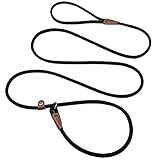
- Control for Behavior: No pull slip lead dog leash, 2 in 1 leash and collar design. Simple and easy use to correct behavior and stop dogs from pulling
- Classic colors: 13+ stylish colors for you choose to make your pets stand out. Bright colors make it easier to accurately see where it is on the pup’s neck and whether it needs to be adjusted. The slip leash make your dog safer and more fashionable
- Fit All: 7 feet long, 1/4 inch slip rope dog leash is a perfect balance between freedom and control, adjustable to fit any dog neck size, suitable for small medium dogs pets outdoor walking, hiking and training
- Sturdy Nylon Slip Lead: Slip knot rope leash is made of high density nylon rope, a sturdy leather connection and strong hardware o-ring. Flexible, lightweight yet durability
- Versatile for Training: This leash is perfect for dog training. Its length allows you to teach your dog commands like "heel" and "stay" effectively. The smooth texture of the nylon won't irritate your dog's neck during training, making the learning process more pleasant for both of you
- Vaccine and deworming records, including dates and products if available.
- Information about parasite prevention, medications, and prior health concerns.
- The puppy’s current food, feeding instructions, and meal routine.
- Microchip details and the contact information for the puppy’s previous veterinary clinic, if applicable.
Keep the puppy on its current food initially if possible, and provide clean water. Ask the veterinary team before changing the diet or adding supplements.
The first day at home
Give your puppy time to settle. Keep the first day calm, introduce the puppy to a limited area, and let it approach people at its own pace. Keep clean water available and offer the familiar food. Watch the puppy’s appetite, energy, toilet habits, and behavior, and contact a veterinarian if you are concerned about signs of illness.
If you use a crate, make it comfortable and let the puppy explore it voluntarily. AAHA recommends leaving the door open at first, building a positive association, and not forcing the puppy inside or using a “cry it out” approach. Placing the crate near you at night may help you hear when the puppy needs a toilet break.
Arrange a veterinary visit promptly
Book a veterinary appointment soon after arrival, particularly if records are missing or the puppy came from a shelter or rescue. Bring all available paperwork and details about food and medications. Ask the veterinarian to review the puppy’s health, vaccine history, parasite screening and prevention, nutrition and growth, safe exercise, socialization, and identification. Before leaving, confirm follow-up dates and instructions.
Free tools Windows power users keep installed
One-click scans. No signup required.
Rank #2

- TRAINING CONTROL: An efficient method to control dog, martingale collar is a better alternative to standard collar.
- QUICK RELEASE BUCKLE: It is fast and easy to get on and off. The buckle is featured with a safe lock that prevents dog from accidental release.
- REFLECTIVE: Highly reflective piping keeps visible and safe at night walking
- DURABILITY: The dog collars are made of high-density nylon webbing, heavy duty hardware and strong buckle. Strict pulling test conducted before production.
- BONUS DOG LEASH: Great value for martingale collar and leash. 5FT durable reflective dog leash with comfortable foam handle, no leashburn anymore
AAHA says many puppies have an initial veterinary visit at 6–8 weeks and follow-up visits every 3–4 weeks until roughly 4–5 months. That is general context, not a schedule to apply without reviewing your puppy’s age and records. See AAHA’s dog life-stage guide and AKC’s guide to a puppy’s first vet visit.
Vaccines and parasite prevention
Do not assume that one visit or one vaccine makes a puppy fully protected. The next vaccine dates depend on age and previous doses. The 2019 AAHA Canine Life Stage Guidelines state that the core and indicated noncore puppy vaccine series finish at 16–20 weeks; your veterinarian should review the records and determine what comes next.
Ask the veterinary team to document the vaccine plan and explain which exposures to avoid while the puppy’s protection develops. Local disease risk and lifestyle may affect whether additional vaccines are appropriate.
Puppies commonly carry intestinal parasites. Ask about fecal testing, deworming, and age-appropriate prevention for intestinal parasites, heartworm, fleas, and ticks. Product labels, minimum ages and weights, local disease pressure, and the puppy’s history matter, so do not choose or dose a medication based on generic advice. Wash your hands after handling feces and clean up promptly.
The Tool Desk
Outbyte Driver Updater FREEFix the driver behind crashes, sound loss and screen glitchesFind Drivers →Outbyte PC Repair FREEClear out junk files and repair common Windows errorsFree Scan →Rank #3

- [Adjustable]: Dog collar small S, Neck Size: 5/8"*10"-15"(1.5CM*25CM-40CM), Weight to 37lb (12KG). Please make sure leave ONLY 2 fingers between collar and dog neck. The right pet collar can scientifically ensures chewing, breathable and free running.
- [High Reflective] The dog collars are designed with double reflective tape, brighter and safer at night, ensuring security of daily walking, outdoor adventures, hiking and camping. Your pet will love it!
- [Safety Buckle] The quick release buckle is made of premium sturdy plastic and can be released quickly with one hand. Lighter than metal buckles, providing enough comrfort for your lovely god. A separate loop on the collar makes it easy to add dog tag and lead onto the collar.
- [Premium Materials] Made of highly durable, abrasion-resistant polyester webbing and stainless metal accessories. Double Stitching and steady buckle, , easy to on and off.
- [Ideal Dog Collar] Lightweight and comfortable collar, perfect for most dogs, such as: Chihuahua, Beagle, Yorkshire Terrier, Labrador, Golden Retriever, Huskies, Dachshund, etc.
Build a daily routine
A predictable rhythm helps puppies learn what to expect. Repeat meals, toilet opportunities, short periods of play or interaction, and quiet rest throughout the day. Keep the puppy supervised closely enough to notice signals and prevent unsafe chewing or accidents.
Meals and water
Start with the puppy’s familiar food and feeding information. Ask your veterinarian to tailor the food type, amount, and meal schedule to the puppy’s age, breed, health, and expected adult size. The American Kennel Club says most puppies need puppy food three times daily, but that is a broad reference rather than a rule for every puppy. Keep clean water available. See AKC’s guidance on a consistent puppy routine.
Toilet breaks
Take your puppy to the chosen toilet area after waking, eating, playing, and other changes of activity. Take the puppy out often enough to prevent accidents, supervise closely, and learn its signals. AKC suggests every 2–4 hours as a starting routine; young puppies may need more frequent opportunities, especially after activity changes.
Reward toileting in the desired place calmly and promptly. If an accident happens, clean it without punishment and adjust supervision or timing. Reliable overnight holding may take several months, according to AAHA, so plan for nighttime toilet trips and be patient.
Outdated Drivers Are Slowing You Down
One free scan finds every outdated or missing driver and matches the right update for your exact hardware.Free scan · exact hardware matchPC Slower Than It Used to Be?
A free scan shows the junk files, broken settings and background clutter dragging Windows down - then fixes them in one click.Free scan · Windows 10 & 11Rank #4

- All-In-One Convenience: Our dog travel kit is your one-stop solution for all pet adventures. Equipped with a no-pull harness, leash, collar, car safety belt, portable bowl, and waste bag dispenser, it's everything your furry friend needs in one purchase
- Ergonomic No-Pull Harness Design: Say goodbye to tugging and discomfort! Our harness, crafted with an ergonomic no-pull design, alleviates neck pressure and enhances comfort. The reflective stitching on the harness and collar ensures visibility and safety on those early morning or late-night outings
- Journey with Ease: Road trips or park visits, our kit has you covered. The seat belt attachment ensures your pet's car safety, while the portable bowl & waste bag dispenser are perfect for keeping your adventures mess-free and convenient
- Built to Last, Easy to Clean: Crafted with high-grade nylon and sturdy metal buckles, our kit withstands the rigors of everyday use. The harness and collar are easily washable, ensuring they stay fresh for your next adventure
- Style Meets Functionality: Choose a kit that complements your pet's personality with our range of color options. Our design merges practicality with style, ensuring your dog looks good and feels great, wherever you go
Play and rest
Use several short play and interaction periods rather than one long, strenuous session. Avoid long runs and repetitive jumping while your puppy is growing; ask your veterinary team what exercise is appropriate for the puppy’s age and breed. Protect naps and quiet time. AKC reports that young puppies may sleep 16–18 hours a day, but this is a cited range, not a target every puppy must meet.
Socialization and early learning
Socialization means calm, positive exposure that helps a puppy feel safe around people, sounds, surfaces, sights, and other animals. It does not require uncontrolled play or greeting every dog. Keep experiences brief, let the puppy observe at a comfortable distance, and allow it to withdraw or seek you out.
Ask your veterinarian what contact is appropriate given the puppy’s vaccine status and local disease risks. A qualified trainer can help you plan safe, positive experiences. Do not choose between total isolation and unrestricted exposure: coordinate learning opportunities with health precautions.
Start with gentle handling, trust-building, simple reward-based skills, and appropriate chew toys. Hands are not chew toys. Supervise every child–puppy interaction, and give the puppy a protected place to rest. AAHA’s first-days guidance covers crate introduction, socialization, housetraining, supervision, and rewards; its puppy life-stage overview discusses health and behavior questions to raise with your veterinary team.
Best Value

- GENTLE, EFFECTIVE CONTROL – Patented humane design helps discourage leash pulling and reinforce obedience with gentle correction.
- WATCHBAND LINK SYSTEM – High-strength links can be added or removed to size the collar precisely for a secure, comfortable fit.
- TRAINING TOOL - Rounded tips and martingale style collar offer gentle, effective control for training and preventing lunging or pulling behaviors.
- EXPERT CREATED – Developed by certified training and behavior experts at Starmark Academy for effective, positive training.
- SUPERVISED TRAINING ONLY – Includes a backup nylon slip collar for security; never leave any training collar on an unattended dog.
Crate or pen: choose what fits your puppy and home
| Option | May be useful for | What to consider |
|---|---|---|
| Crate | A gradual resting-space introduction and travel training | Size, location, supervision, and whether the puppy can enter comfortably and voluntarily |
| Pen or gated area | A larger safe space when the puppy needs room or supervision arrangements call for it | Available space, hazards, and how the puppy will be supervised |
Choose based on your puppy’s size, household layout, supervision needs, and travel plans. Introduce any confinement gradually and positively; no setup replaces appropriate supervision.
Your first 30 days
Before arrival and day one
- Prepare a quiet, puppy-safe area and secure hazards.
- Gather health, vaccine, deworming, food, and medication records.
- Plan who will supervise, feed, and take the puppy for toilet breaks.
- Keep the first day calm and let the puppy settle at its own pace.
- Book a prompt veterinary visit and bring all available records.
Days 1–7: establish the basics
- Follow the veterinary team’s instructions for examination, vaccines, parasite screening, and prevention.
- Keep familiar food initially, provide clean water, and ask about an appropriate feeding plan.
- Offer frequent toilet opportunities, especially after waking, eating, and playing; reward toileting in the right place.
- Use short play and training periods, with plenty of rest.
- Start calm, positive handling and voluntary exploration of a crate or pen if you use one.
Days 8–30: build consistency and confidence
- Keep the routine predictable and adjust toilet-break frequency as you learn your puppy’s signals.
- Add brief, positive exposures to new sounds, people, surfaces, and settings at a comfortable pace.
- Ask your veterinarian which animal contacts and environments are appropriate for your puppy.
- Continue reward-based learning, gentle handling, supervised play, and safe chew opportunities.
- Keep veterinary follow-up appointments and update the plan as your puppy grows.
Frequently Asked Questions
What should I do when I bring a new puppy home?
Give the puppy a quiet, safe place to settle, keep clean water available, start with familiar food, and arrange a prompt veterinary visit. Gather health records and begin a predictable routine for meals, toilet breaks, play, and rest.
When should I take my new puppy to the vet?
Book a veterinary visit soon after arrival, especially if the puppy’s records are incomplete or it came from a shelter or rescue. AAHA describes an initial visit at 6–8 weeks for many puppies and follow-ups every 3–4 weeks until roughly 4–5 months, but your veterinarian should set the schedule for your puppy.
How often should I take my puppy outside?
Offer toilet breaks after waking, eating, playing, and other activity changes, and often enough to prevent accidents. AKC suggests every 2–4 hours as a starting point, but young puppies may need to go more often. Watch your puppy’s signals and adjust the routine.
Can I socialize my puppy before all the shots?
Yes, socialization can include gentle, controlled exposure before the vaccine series is complete, but the safe choices depend on vaccine history and local disease risk. Ask your veterinarian which settings and animal contacts are appropriate, and avoid treating socialization as a reason for uncontrolled exposure.
The Bottom Line
The first month is for building a safe routine, not following a rigid medical calendar. Get a prompt veterinary review, keep available records, provide frequent toilet opportunities and rest, and use calm rewards for learning. Let your veterinarian tailor vaccines, parasite prevention, diet, exercise, and socialization decisions to your puppy.
Quick Recap
Product prices and availability are accurate as of the date/time indicated and are subject to change. Any price and availability information displayed on Amazon at the time of purchase will apply.




