Fading puppy syndrome is a descriptive term for a newborn puppy that fails to thrive or declines; it is not one disease with one cause or treatment. A puppy that will not nurse, fails to gain weight, feels cold, becomes weak, or has breathing difficulty needs urgent veterinary attention. Contact a veterinarian immediately, keep the puppy warm gradually and safely, and do not force-feed a cold, weak, poorly swallowing, or unconscious puppy.
Newborn puppies can deteriorate with little warning. A puppy may appear normal at birth and then fall behind its littermates, nurse less effectively, become chilled, and weaken over several hours. Because the term does not identify the cause, the priority is to stabilize the puppy and investigate the puppy, dam, litter, and environment.
Merck defines the neonatal period as the first 21 days of life. Some sources use fading mainly for the first two weeks, while veterinary literature may use it more broadly through weaning. Risk is highest during the first week, but a puppy can become seriously ill at any point during the first three weeks. The terminology is inconsistent, so “suspected fading puppy syndrome” is more accurate than treating it as a confirmed diagnosis. Veterinary literature review | Merck Veterinary Manual
What is fading puppy syndrome?
Fading puppy syndrome, also called fading puppy complex, describes a newborn puppy that does not thrive or rapidly declines. It may affect one puppy or several puppies in a litter. It is not a single infection, inherited disorder, or condition with one standard treatment.
#1 Best Overall

- Gentle Warmth for Pets: Provides cozy indoor warmth for cats, dogs, rabbits and other small animals. Ideal for everyday resting in pet beds and crates.
- 5 Heat Levels & Timer: Set automatic shut-off for 4, 8, 12 or 24 hours. Select “00” for continuous heating with no timed shut-off.
- Safety Listed: The complete unit is MET Listed. Its 8-layer protective construction includes a waterproof, flame-retardant PVC layer.
- Soft & Washable Cover: The plush polyester cover provides a soft resting surface. Simply remove and machine-wash the cover for easy cleaning.
- Easy Controls & Chew-Resistant Cord: LED indicators show your settings at a glance. A chew-resistant power cord helps reduce damage from chewing.
The phrase can conceal treatable problems. A fading puppy may be hypothermic and hypoglycemic because it has not nursed, or it may have stopped nursing because it is septic, aspirating milk, suffering from a congenital defect, or being rejected by an ill dam. These situations can look similar at home but require different treatment.
A runt is not automatically a fading puppy. A small puppy may remain active, warm, hydrated, and steadily gaining weight. A normal-sized puppy may decline because of infection, poor milk intake, chilling, trauma, or a structural abnormality.
The neonatal triad
Many fading puppies develop a reinforcing cycle involving:
- Hypothermia: low body temperature slows nursing, digestion, movement, and immune function.
- Hypoglycemia: inadequate milk intake rapidly depletes a newborn’s limited energy reserves.
- Dehydration: poor nursing, diarrhea, vomiting, or excessive heat reduces body fluid.
A chilled puppy nurses poorly; poor nursing worsens low blood sugar and dehydration; these problems further impair digestion and immune defenses. The cycle can increase the risk of bacterial translocation from the intestine and sepsis. Hypoxia at birth, infection, congenital disease, trauma, and failure to receive colostrum may start the process. Merck’s neonatal guidance | Review of neonatal sepsis and related mechanisms
Early signs of a fading puppy
Failure to gain weight may be the first detectable sign. Weigh each puppy individually on an accurate gram scale and compare its trend with its previous weights and with the rest of the litter. Do not wait for a puppy to become limp or unresponsive.
| Sign | Why it matters | What to do |
|---|---|---|
| Failure to gain weight, weight loss, or falling behind littermates | May indicate inadequate milk intake, illness, congenital disease, or poor competition for a teat. | Call a veterinarian promptly and bring the weight record. |
| Weak, ineffective, or absent suckling; repeatedly losing the teat | Suggests weakness, hypoglycemia, hypothermia, neurologic disease, or a problem with the mouth or swallowing. | Seek urgent veterinary advice. Do not force milk into the mouth. |
| Persistent, high-pitched, or restless crying | Can indicate hunger, chilling, pain, illness, or inability to settle and nurse. | Check warmth and nursing, then contact a veterinarian if it persists. |
| Separation from the dam and litter, reduced activity, limpness, or poor muscle tone | Often signals significant weakness or systemic illness. | Treat as an emergency. |
| Feeling cold or having an abnormal temperature | Hypothermia can worsen low blood sugar, dehydration, digestion, and immunity. | Warm gradually while arranging veterinary care. |
| Dry or tacky gums, small or sunken appearance | May indicate dehydration or poor circulation. | Urgent examination is needed. |
| Diarrhea, persistent loose stool, abdominal swelling, or abdominal pain | May reflect infection, parasites, feeding error, obstruction, or congenital disease. | Contact a veterinarian immediately, especially if the puppy is weak. |
| Difficulty breathing, nasal discharge, abnormal gum color, bruising, bleeding, or red spots | Can occur with aspiration, pneumonia, sepsis, hemorrhage, or severe oxygen problems. | Go to an emergency clinic. |
| Tremors, twitching, seizures, collapse, or unresponsiveness | May indicate severe hypoglycemia, hypoxia, infection, or neurologic disease. | Emergency treatment is required. |
Clinical signs are not reliable for ruling out danger. A guideline review found that signs were absent or nonspecific during the 24 hours before death in approximately 60% of cases. Guidelines for postmortem examination of newborn dogs
When is fading puppy syndrome an emergency?
Contact an emergency veterinarian immediately if a neonate will not nurse; is cold, limp, unusually quiet, or difficult to wake; cries continuously; has trouble breathing; develops diarrhea, abdominal swelling, blood, or abnormal discharge; has tremors, seizures, severe weakness, or collapse; loses weight or fails to gain; or is affected while littermates are also becoming ill. Do not wait until the puppy is unresponsive. Neonates have limited reserves and can deteriorate rapidly, sometimes before dramatic symptoms appear. VCA overview | University of Illinois College of Veterinary Medicine
What to do immediately while contacting a veterinarian
This is first aid while arranging professional care, not a home treatment protocol.
- Call a veterinarian or emergency clinic. Tell the clinic the puppy’s age, weight, temperature if safely measured, symptoms, birth history, nursing history, feeding method, and whether the dam or littermates are ill.
- Check breathing and responsiveness. A puppy that is not breathing, gasping, or unresponsive needs emergency intervention. Follow the clinic’s instructions while traveling.
- Provide controlled warmth. Use a monitored, indirect heat source and leave the puppy a cooler area to move toward. A heating pad directly under a puppy can burn or overheat it.
- Rewarm a chilled puppy gradually. Merck recommends slow rewarming over approximately 30–60 minutes rather than rapidly heating a profoundly hypothermic puppy.
- Do not tube-feed a chilled puppy or force liquid into its mouth. Hypothermia can impair gastrointestinal movement, and a weak or poorly swallowing puppy can inhale milk. Once warm and alert enough to swallow, a veterinarian may direct a feeding plan.
- Do not self-prescribe treatment. Do not give antibiotics, antiparasitic drugs, glucose injections, fluids, or antiviral medication without veterinary direction.
- Have the dam and littermates assessed if more than one puppy is affected or the dam has abnormal milk, fever, pain, discharge, poor appetite, or other illness.
Veterinary stabilization may include controlled warming, dextrose for clinically significant hypoglycemia, carefully calculated fluids, oxygen, nutritional support, and antibiotics when bacterial sepsis is suspected. These interventions require assessment and monitoring because neonates are vulnerable to dosing errors and fluid overload. Merck Veterinary Manual: management of the neonate
Normal puppy temperature and the whelping environment
Newborn puppies normally have a lower rectal temperature than adult dogs. Merck lists these approximate ranges:
| Age | Normal rectal temperature | Approximate Celsius range |
|---|---|---|
| First week | 95–99°F | 35–37.2°C |
| Weeks 2–3 | 97–100°F | 36.1–37.8°C |
| Week 4 | 99–101°F | 37.2–38.3°C |
Approximate environmental temperatures also change with age:
Rank #2

- Best brooder puts your puppies, kittens, Equipped with temperature and humidity detection, it is convenient to directly observe the temperature and humidity in the box.(Add heat preservation solar lamp design)
- The large space and transparent design allow you to observe the pet's situation at any time. Convenient cleaning materials, without any odor that makes pets uncomfortable.This puppy incubator has two reserved holes, one for air circulation and one for passing through a nebulizer or oxygen tube. Oxygen can be connected to supply oxygen to the newborn.
- The heat preservation sun lamp is designed with a button that can adjust the size of the light, and you can freely choose the right temperature for your puppies.
- Once the heat lamps are set, place a thermometer to test for proper light intensity. Package includes: 1 Puppy Incubator, 1 Thermometer, 1 Puppy Bed Mat, 4 Sun Lights and 2 Control Knob Light.
- 1 set of newborn pet feeding kit (including 2 short pacifiers, One 2Ml,5ML syringes and a 50ml pet bottle). Size: The size of the Puppy Incubators is 23 ″x17 ″x14 ″
| Age | Approximate environmental temperature |
|---|---|
| Week 1 | 84–89°F / 28.9–31.7°C |
| Weeks 2–3 | About 80°F / 26.7°C |
| Week 4 | 69–75°F / 20.6–23.9°C |
| Week 5 | About 69°F / 20.6°C |
These are reference ranges, not a reason to heat every puppy to one fixed number. Use a properly controlled incubator or indirect warmth when possible, monitor the puppy, and provide a cooler area. Prevent direct contact with heating pads and hot-water bottles. Merck’s temperature and environmental guidance
Tracking nursing, colostrum, and weight
Colostrum in the first day
Colostrum supplies antibodies and other important protection. Merck states that intestinal absorption of immunoglobulins begins to decline within approximately 4–8 hours after birth and is largely closed by about 24 hours. AAHA nutrition guidance recommends colostrum during the first 12–24 hours.
If a puppy did not nurse, a veterinarian may consider stored colostrum, a commercial colostrum product, or serum from an appropriately vaccinated dog. Usefulness depends greatly on the puppy’s age and condition; these options do not replace examination of the puppy and dam.
Daily weight records
Weigh every puppy separately on a gram scale and record the date, age, and weight. Daily weighing is a minimum for a normal litter; twice-daily monitoring can be useful during the first week or for a puppy that is small, weak, or not nursing normally.
A transient loss of up to about 10% of birth weight on day one may occur, but puppies should then gain steadily. Merck gives a general expected gain of approximately 1–3 grams per day for each kilogram of anticipated adult body weight. This is a broad guide, not a universal target. Continued weight loss, repeated failure to gain, or a widening gap from littermates warrants veterinary assessment. Merck neonatal management guidance | AAHA nutrition guidance
Quick wins for a faster PC:
Scan for outdated or missing drivers - takes under a minuteDriver Scan →Clear out junk files and repair common Windows errorsFree Scan →Fix the driver behind crashes, sound loss and screen glitchesFind Drivers →Causes and risk factors
There is no single cause. These categories overlap: dystocia can cause hypoxia; hypoxia can weaken nursing; poor nursing can cause hypoglycemia; and all can increase susceptibility to sepsis.
Maternal causes
- Poor health or body condition before or during pregnancy.
- Inadequate milk production or failure of milk letdown.
- Mastitis, abnormal milk, or infected milk.
- Metritis or endometritis after birth.
- Maternal infection.
- Rejection, neglect, poor grooming, or failure to nurse.
- Stress that interferes with maternal behavior or milk letdown.
- Inability to keep the litter warm or provide sufficient access to teats.
The dam should be examined. A veterinarian may check her temperature, mammary glands, milk, uterus, vaginal discharge, appetite, hydration, and behavior. Maternal illness can affect an entire litter. VCA: fading puppy syndrome
Birth and perinatal causes
- Dystocia or prolonged labor.
- Hypoxia or oxygen deprivation during birth.
- Prematurity or dysmaturity.
- Birth trauma.
- Cesarean-section complications or anesthesia-related hypothermia.
- Delayed removal of membranes or inadequate resuscitation.
- Low birth weight or intrauterine growth restriction.
Hypoxia can directly injure a puppy and may predispose it to intestinal bacterial translocation and sepsis. Birth weight is a risk marker, but one cutoff should not be applied to every breed. Review of canine perinatal mortality | Study of birth weight and breed-specific risk
Puppy-specific causes
- Cleft palate or another mouth defect.
- Heart defects.
- Gastrointestinal or abdominal abnormalities.
- Respiratory or neurologic abnormalities.
- Umbilical infection, or omphalitis.
- Inherited disease or other genetic defects.
- Poor suck reflex or swallowing dysfunction.
- Low birth weight or inability to compete for a teat.
- Trauma from the dam or littermates.
A puppy that repeatedly regurgitates milk, develops respiratory signs after feeding, or cannot create suction needs examination for aspiration, cleft palate, swallowing dysfunction, or another structural problem.
The Tool Desk
Outbyte PC Repair FREERepair Windows errors before they cause bigger problemsFix Now →Outbyte Driver Updater FREEFix the driver behind crashes, sound loss and screen glitchesFind Drivers →Environmental and metabolic causes
- Chilling or overheating.
- Inadequate humidity or poor environmental control.
- Poor sanitation.
- Dehydration or hypoglycemia.
- Inadequate nursing or incorrectly prepared formula.
- Contaminated milk replacer, bottles, nipples, or feeding equipment.
- Overfeeding or feeding too rapidly.
- Aspiration from bottle, syringe, or tube feeding.
- Excessive handling or other stressors.
Prepare milk replacer according to its label and veterinary instructions. Cow’s milk and goat’s milk alone do not meet a puppy’s nutritional requirements. A healthy foster dam is often preferable for an orphan when safely available; otherwise use commercial milk replacer formulated for puppies.
Bacterial infection and sepsis
Important bacterial organisms include Escherichia coli, streptococci, staphylococci, and Klebsiella species. Risk rises with maternal uterine or mammary infection, dystocia, low birth weight, chilling, contaminated surroundings, poor feeding technique, and inadequate passive immunity.
Rank #3

- Key Safety & Usage Guide: 1. Critical: Always ensure your pet lies over the center thermostat to activate auto-shutoff. 2. Never fold, bend, or cover the pad to prevent overheating. 3. For small pets/kittens, center them carefully and monitor during initial use.
- Warmth with Peace of Mind: Our heating pad features a waterproof and flame-retardant PVC core, a soft, removable cover, and chew-resistant power cords, providing double protection for your pet. The set temperature (e.g., 130°F) refers to the internal thermostat target. The actual surface temperature your pet feels will be lower and safer, typically around 100–115°F in normal room conditions.
- Timed Temperature Control: Our heating pad features a timer and temperature control function, allowing you to adjust the settings according to your pet’s needs. The timer has 24 settings plus 1 continuous mode, and there are 11 temperature levels (80°F to 130°F) to choose from.
- Soothing Warmth for Well-Being: Our pet heating pad provides even warmth, helping your pet stay comfortable in cold weather. This is especially important for older pets, those with arthritis, or young pets. It is an effective aid for pregnant pets or those recovering from surgery.
- Easy to Clean: The heating pad is easy to clean with its removable fleece cover, which can be hand-washed or machine-washed. Do not wash the core, instead, wipe it with a damp cloth or wipe. Please read the instruction manual provided with the product before use to ensure proper and safe operation.
Sepsis can progress quickly and may cause only subtle signs before death. In a retrospective diagnostic-laboratory study of 107 canine and feline neonates, an infectious cause was identified in 41% of submissions; septicemia represented 15% of diagnoses and aspiration pneumonia 14%. This referral and postmortem population does not describe causes in every litter. Clinical Theriogenology study
Canine herpesvirus
Canine herpesvirus-1 is an important consideration when several puppies become ill or die, when deaths are sudden in puppies younger than three weeks, or when respiratory, digestive, hemorrhagic, or neurologic signs occur. The dam may appear healthy. Merck describes canine herpesvirus as a possible cause of acute neonatal puppy death or failure to thrive, with the most severe disease during the first three weeks.
Free tools Windows power users keep installed
One-click scans. No signup required.
Canine herpesvirus is one possible cause, not a synonym for fading puppy syndrome. Diagnosis is often made after death through tissue examination and PCR. Treatment is mainly supportive, and prognosis is poor once systemic disease is established. Merck states that no canine herpesvirus vaccine is available in the United States. Merck: canine herpesvirus infection
Vaccine availability is geographic. Eurican Herpes 205 is authorized for pregnant bitches in the European Union; it should not be presented as generally available worldwide or in the United States. European Medicines Agency product information | EU Veterinary Medicines Information
Other infectious and parasitic possibilities
Depending on age, geography, vaccination status, and exposure, veterinarians may also consider canine minute virus, parvovirus, distemper virus, adenovirus, hookworms and other intestinal parasites, fleas or ticks causing substantial blood loss, and protozoal disease. These are differential diagnoses, not presumed explanations for every weak puppy. Testing is especially important when diarrhea, anemia, respiratory signs, or a litter-wide outbreak occurs.
How a veterinarian diagnoses a fading puppy
“Fading puppy syndrome” is often a working description while the veterinarian searches for the underlying cause. Assessment may include:
Do these 3 things before closing this tab:
1Clear out junk files and repair common Windows errors2Fix the driver behind crashes, sound loss and screen glitches3Repair Windows errors before they cause bigger problems- Birth and whelping history, including labor duration, dystocia, cesarean section, resuscitation, and possible birth trauma.
- Birth weight, daily weight trajectory, nursing behavior, and feeding method.
- Rectal temperature, blood glucose, hydration, circulation, and respiratory status.
- Examination of the mouth for cleft palate and assessment of the heart, lungs, abdomen, umbilicus, and neurologic function.
- Examination of the dam and assessment of all littermates and the whelping area.
Depending on the presentation, testing may include blood glucose, packed cell volume and total protein, complete blood count, blood chemistry, bacterial culture, fecal and parasite testing, viral PCR, radiographs, or ultrasound. Aspiration, congenital defects, abdominal disease, and infection can require different tests.
How veterinarians treat fading puppies
Treatment depends on the puppy’s condition and the cause. Several supportive measures may be needed at the same time.
Stabilization
- Controlled rewarming and environmental management.
- Dextrose for clinically significant hypoglycemia.
- Carefully calculated fluids for dehydration or poor perfusion.
- Oxygen or respiratory support when needed.
- Supervised nursing, bottle feeding, or tube feeding when the puppy can safely swallow and the method is appropriate.
- Frequent monitoring of temperature, glucose, weight, breathing, hydration, and circulation.
Neonates are sensitive to fluid overload, drug effects, and dosing mistakes because of their size and immature physiology. Glucose, fluids, antibiotics, and tube feeding should not be improvised at home.
Cause-specific treatment
- Bacterial sepsis: prompt veterinary antibiotics, ideally informed by culture and sensitivity, plus warming, fluids, nutrition, and treatment of the dam or environment when necessary.
- Aspiration pneumonia: oxygen, respiratory support, and veterinary-directed antimicrobial treatment.
- Parasites: age- and weight-appropriate medication after veterinary diagnosis.
- Congenital defects: supportive care, specialist intervention, or humane euthanasia depending on the defect and prognosis.
- Canine herpesvirus: mainly supportive treatment; antiviral evidence is limited, and exposed littermates may need veterinarian-directed monitoring.
- Maternal disease: treatment for mastitis, metritis, inadequate milk production, nutritional problems, or another illness in the dam.
Antibiotics may be lifesaving when bacterial sepsis is suspected, but they do not correct hypothermia, hypoglycemia, dehydration, aspiration, viral disease, or a congenital abnormality by themselves.
What’s actually slowing this PC down?
Pick the symptom - the matching free tool is one click away.
How likely is a fading puppy to survive?
Some puppies recover when the problem is recognized early and the cause is reversible. Others die despite intensive care, particularly with severe sepsis, hypoxia, aspiration, a serious congenital defect, or widespread viral disease. Prognosis depends on the cause, how long the puppy has been ill, its temperature and glucose, its ability to breathe and swallow, and its response to treatment.
Rank #4
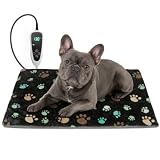
- 🐶【 BRAND EQUITY 】 The GOLOPET pet heating pad has undergone UL/MET dual safety certification and is available in multiple sizes, suitable for all dogs and cats. More than 200000 pet enthusiasts choose them every year to provide warmth and longer lifespan for their pets. We have a stable brand after-sales team. If you have any questions, you can contact the after-sales team at any time. We offer a one-year warranty service
- 🐶【UPGRADED TEMPERATURE SETTINGS】Our pet heating pad provides 80-130℉/35-55℃ freely settable temperature (increase 5℉ per level), allowing your pet to enjoy the most comfortable temperature.LED controller can easily control the temperature to ensure the perfect warmth for your pet.
- 🐶【SMART TIMING FUNCTION】With 13 timing options, including "always on" mode (time display is 00) and automatic shut-off after a specific period of time (1-24 hours), our pet heating pads provide a safe and comfortable environment for your pets while conserving energy.The LED timer displays the remaining time for easy use.
- 🐶【UNIQUE SAFETY DESIGN】Our cat heating pads feature an 8-layer protective construction with UL-recognized heating wires to ensure warmth, comfort and prevent burns. The waterproof and flame retardant inner material adds an extra layer of safety protection.
- 🐶【BETTER FOR PET HEALTH】 The pet electric heating pad can be used in pet houses and kennels, and can also warm newborn pets and pregnant pets, and relieve joint pressure and pain in older arthritic animals.
Published neonatal mortality figures vary by study and definition. Merck cites approximately 9–26%, while a postmortem-review article cites approximately 7–21% from birth through the first three weeks. These are not universal rates for fading puppy syndrome: studies differ in breed, population, age cutoff, referral status, and whether stillbirths are included. Merck neonatal mortality information | Postmortem guideline review
Independent reader supportYour contribution helps us test, update, and keep practical guides available for everyone.Preventing fading puppy syndrome
Before breeding
- Have the dam examined for general health, body condition, reproductive health, and inherited disease risks.
- Complete breed-appropriate health testing for both parents.
- Discuss vaccination, parasite control, nutrition, medications, expected litter size, dystocia risk, and emergency cesarean access with a veterinarian.
- Plan nutrition for pregnancy and lactation with veterinary guidance.
Responsible breeding includes hereditary-disease screening and preventive care. WSAVA hereditary-disease guidance | AAHA canine vaccination guidelines
During pregnancy and whelping
- Plan in advance for veterinary help if labor is prolonged or abnormal.
- Keep the whelping area clean, dry, warm, and calm.
- Have a gram scale, thermometer, commercial puppy milk replacer, appropriate feeding equipment, safe heat source, clean bedding, and emergency-veterinary contact available.
- Monitor the dam for fever, poor appetite, pain, abnormal discharge, mastitis, or inadequate milk.
- Handle newborns gently; do not swing a puppy to clear fluid, which Merck warns can cause concussion or cerebral hemorrhage.
After birth
- Confirm that every puppy is warm, nursing, and receiving colostrum.
- Record each puppy’s weight and continue regular monitoring.
- Watch first-time dams particularly closely.
- Check the dam’s mammary glands and milk and observe whether every puppy gets access to a teat.
- Maintain age-appropriate environmental temperature and humidity.
- Wash hands and keep bedding, bottles, nipples, and formula preparation areas clean.
- Use a healthy foster dam for orphaned puppies when possible; otherwise use properly formulated commercial puppy milk replacer.
- Follow a veterinarian-directed deworming and parasite-control schedule. AAHA cites deworming at approximately two weeks and repeating every two weeks until routine monthly prevention is established, subject to product labeling and veterinary advice.
AAHA parasite-control guidance | VCA orphaned-puppy feeding guidance
Recommended Free Tools
Canine herpesvirus precautions
For a breeding unit with herpesvirus concerns, Merck describes isolating the pregnant dam from other dogs during the last three weeks of pregnancy and the first three weeks after birth as the most effective way to reduce neonatal herpes risk. Use careful hand and clothing hygiene, avoid introducing dogs of unknown health status, and ask a reproductive veterinarian about testing and exposed-litter management.
If a puppy dies
Do not assume the cause was simply “fading puppy syndrome.” If another puppy is sick, the dam is unwell, or the death was sudden or unexplained, identifying the cause may protect the rest of the litter and guide future breeding decisions.
Ask the veterinarian about a necropsy, particularly when more than one puppy is affected, the death was sudden or unexplained, the litter is less than three weeks old, the dam may have an infection, or a breeder plans future litters. A necropsy may identify a cause or guide histopathology, culture, and PCR, but is not always conclusive. One published guideline reported that necropsy alone established the cause in only about 22% of cases.
Preparing the body
- Contact the veterinarian or diagnostic laboratory before transporting the body.
- Refrigerate it at approximately 4°C / 39°F; do not freeze unless the laboratory specifically instructs you to.
- Arrange examination as soon as possible. A rapidly refrigerated body may remain suitable for diagnostic necropsy for approximately two to three days, depending on condition and laboratory requirements.
- Bacterial sampling is time-sensitive and is ideally performed within approximately 12–15 hours after death.
- Follow the receiving laboratory’s packaging instructions; do not let packaging delay cooling.
Guidelines for postmortem examination and handling newborn dogs
Windows Errors? Fix Them Before They Spread
Repair common Windows errors and clear accumulated junk for a smoother, more stable PC - no reinstall needed.Free scan · no reinstallCrashes, No Sound, or Screen Glitches?
Random freezes, missing sound and display glitches usually trace back to one bad driver. Find and replace yours safely.Free scan · under a minuteCommon mistakes to avoid
“The puppy is warm, so it is fine.”
Warmth does not rule out hypoglycemia, dehydration, sepsis, aspiration, or congenital disease.
“The puppy is the runt, so nothing can be done.”
Low birth weight increases risk but does not prove that a puppy is doomed. A small puppy that gains weight steadily may be healthy.
“Give formula immediately.”
Feeding is unsafe when a puppy is cold, very weak, unable to swallow, or poorly coordinated. Milk can be regurgitated or inhaled, causing potentially fatal aspiration pneumonia. Warming and veterinary assessment come first.
“Give antibiotics just in case.”
Antibiotics may be appropriate for suspected bacterial sepsis but do not treat viral disease, hypothermia, hypoglycemia, dehydration, aspiration, or congenital abnormalities. The wrong drug or dose can harm a neonate.
Quick wins for a faster PC:
Fix the driver behind crashes, sound loss and screen glitchesFind Drivers →Clear out junk files and repair common Windows errorsFree Scan →Best Value

- 🐱【Auto constant temperature】NAMOTEK pet heating pads create the ideal temperature range of 95~108°F for cats and dogs recommended by veterinarians.Plug and play, Thermostatically controlled to automatically respond to temperature changes to warm to your pet's normal body temperature only when your pet is in the bed.
- 🐱【Safety Assured】-Product have been thoroughly tested & certified by MET Labs .With 2 bi-metal thermostats built inside, auto temperature control & Over heat protection.
- 🐱【3-LAYER PROTECTION】:Scratch Proof, Fire Proof, Water Proof,Pet Heating pad adopted eco-friendly medical PVC material,IP67 Waterproof approved.Built-in fire retardant cotton,and reduces risks .Ensures a safer pet heating pad.
- 🐱【Easy to use and clean】 Automatic constant temperature, no complicated settings, plug and play, you can set a warm and comfortable area for your pet. Removable and machine washable cover.Dirty-proof vinyl shell, just clean it with a damp cloth.
- 🐱【CUSTOMER SERVICE】–If you are at all unhappy for any reason (even after Amazon return window), please reach out to us and we will be more than happy to assist you!
“Give a few drops of corn syrup.”
Putting liquid in the mouth of a puppy that cannot swallow can cause aspiration and must not delay emergency care. Ask a veterinarian how to manage suspected hypoglycemia; clinical dextrose treatment may be required.
“The dam looks healthy, so the litter cannot have an infection.”
A dam may appear well while puppies develop bacterial sepsis or canine herpesvirus. A litter-wide decline requires assessment of the mother, puppies, environment, and possible infectious exposures.
FAQ
Is fading puppy syndrome a specific disease?
No. It is a descriptive clinical term for a newborn puppy that fails to thrive or declines. A veterinarian must investigate the underlying cause.
What is the first sign of fading puppy syndrome?
Failure to gain weight is often the first measurable sign. Weak suckling, persistent crying, separation from the litter, unusual quietness, or feeling cold are also warnings.
Can I give sugar or formula to a fading puppy?
Do not put sugar solution, formula, or other liquid into the mouth of a cold, weak, poorly swallowing, or unconscious puppy because aspiration can be fatal. Call a veterinarian, warm the puppy gradually, and follow a professional feeding or glucose plan.
Is fading puppy syndrome contagious?
The term itself is not contagious because it is a description, not an organism. Some underlying causes, including bacterial infections and canine herpesvirus, can affect multiple puppies or spread within a litter.
Can a puppy fade after the first week?
Yes. Risk is greatest during the first week, but the neonatal period extends through approximately 21 days, and some sources use the term more broadly through weaning. A puppy is not automatically safe on a particular day.
Should I feed a cold puppy?
No—not by force. A chilled puppy may not digest normally and may aspirate milk. Contact a veterinarian, warm the puppy gradually, and feed only when warm and able to swallow, using a veterinarian-directed plan.
Windows Errors? Fix Them Before They Spread
Repair common Windows errors and clear accumulated junk for a smoother, more stable PC - no reinstall needed.Free scan · no reinstallOutdated Drivers Are Slowing You Down
One free scan finds every outdated or missing driver and matches the right update for your exact hardware.Free scan · exact hardware matchShould the whole litter see a veterinarian?
Yes, if more than one puppy is affected, a puppy has died suddenly, the dam is ill, or there is concern about infection, inadequate milk, poor environmental control, or contaminated feeding equipment. The dam and litter context can help identify the cause even when one puppy is affected.
What should I do if a puppy dies suddenly?
Ask your veterinarian about necropsy, especially if the death was unexplained or another puppy is ill. Refrigerate the body at approximately 4°C / 39°F, do not freeze it unless instructed, and contact the laboratory promptly because some samples are time-sensitive.
The bottom line
Fading puppy syndrome is a warning label, not a diagnosis. The safest response to poor nursing, weight loss, chilling, persistent crying, weakness, diarrhea, breathing trouble, or collapse is immediate veterinary contact, gradual warming, and no force-feeding while the puppy is cold or unable to swallow. The cause may involve the puppy, dam, litter, environment, or an infectious agent, so surviving littermates and the mother may need evaluation too. If a puppy dies unexpectedly, a properly handled necropsy can help protect the rest of the litter and guide future breeding decisions.
Quick Recap
Product prices and availability are accurate as of the date/time indicated and are subject to change. Any price and availability information displayed on Amazon at the time of purchase will apply.




