Lovebirds are small parrots in the genus Agapornis, with nine species commonly recognized. Peach-faced, masked, and Fischer’s lovebirds are the species most often encountered as pets. They are social and engaging, but may also be territorial or nippy; caring for one means providing a formulated diet, safe space to move and fly, daily enrichment, and regular avian veterinary care.
There is no single lifespan estimate that applies to every lovebird: published figures vary by species and by whether a source reports a maximum, average, or general care-sheet estimate. Treat any figure as a planning guide, not a promise about an individual bird.
Lovebird quick facts
| Scientific genus | Agapornis |
|---|---|
| Number of commonly recognized species | 9 |
| Native region | Central and southern Africa, and Madagascar |
| Common pet species | Rosy-faced (peach-faced), masked (yellow-collared), and Fischer’s |
| Social style | Social, pair-bonding parrots; individual behavior and compatibility vary |
| Pet diet | A high-quality formulated diet, supplemented with suitable plant foods |
What exactly is a lovebird?
A lovebird is a small parrot in the genus Agapornis. Nine species are commonly recognized, though a formal list should follow a consistent checklist because taxonomic classifications can change. The common name refers to the birds’ social and pair-bonding behavior; it is not another name for just the peach-faced species.
The nine names in common use are rosy-faced or peach-faced, yellow-collared or masked, Fischer’s, Lilian’s, black-cheeked, grey-headed or Madagascar, black-winged or Abyssinian, red-headed, and black-collared lovebirds. The IOC World Bird List provides checklist context. A 2025 genomic study record also supports the nine-species framing.
What’s actually slowing this PC down?
Pick the symptom - the matching free tool is one click away.
#1 Best Overall

- Water or food: Hanging in the cages, stainless steel bird food bowls can be used to hold food or water, and prevent your bird from accidentally tipping the food or water bowl
- stainless steel bird bowls: The parrot food bowl is made of stainless steel. The pet bowl comes with 2 parts, one is the brackets, and the other part is the stainless steel bowl
- Not easy to rust: Feed your feathered friend in the durable, dishwasher-safe all living things. stainless steel food and water cup. Easy to install, durable, easy to remove from the stand, rust resistant and not easy to break, dishwasher safe
- Easy to clean: Conveniently installed inside or outside the bird parrot cage, a great bird dish for bird cage accessories. Easy clean by water, don't waste time on washing and clean
- The package includes 2 parrot feeding dishes and 2 holders, and the metal bird feeder measures 3.9 x 3.9 x 1.8 inches, 10 ounces. Perfect Macaw African Grey parrot parakeet conure love bird finch mouse ferret rabbit chinchilla hamster cage food water feeding
The nine lovebird species
Lovebird species differ in range, appearance, and availability in captivity. Color mutations are varieties within a species, not separate species; hybrids and mutations can also make pet birds difficult to identify by appearance alone.
| Common name | Scientific name | Native range | Appearance note | Pet-trade availability |
|---|---|---|---|---|
| Grey-headed or Madagascar lovebird | Agapornis canus | Madagascar | Adult males have a grey head; females are largely green. | Uncommon |
| Fischer’s lovebird | Agapornis fischeri | East Africa, including the Lake Victoria region | Typically has a white eye-ring. | Common |
| Lilian’s or Nyasa lovebird | Agapornis lilianae | Parts of the Zambezi and Lake Malawi region | Typically has a white eye-ring. | Uncommon |
| Black-cheeked lovebird | Agapornis nigrigenis | A localized range in Zambia | Has a white eye-ring and dark cheek area. | Rare |
| Yellow-collared or masked lovebird | Agapornis personatus | Tanzania | The wild form has a dark mask, yellow collar, and white eye-ring. | Common |
| Red-headed or red-faced lovebird | Agapornis pullarius | Parts of central and western Africa | Adult males have a red head; females are largely green. | Rare |
| Rosy-faced or peach-faced lovebird | Agapornis roseicollis | Dry woodland in southwestern Africa, including Namibia and neighboring areas | Usually has a peach or pink face and no prominent white eye-ring. | Common |
| Black-collared or Swindern’s lovebird | Agapornis swindernianus | Central African forest regions | Has a dark collar. | Very uncommon |
| Black-winged or Abyssinian lovebird | Agapornis taranta | Ethiopia and nearby northeastern African regions | Adult males have a red forehead and black wing markings. | Uncommon |
These descriptions are broad identification aids, not a substitute for a field guide or expert identification. Captive color mutations, juveniles, hybrids, and inaccurate labeling can complicate identification. Ask for a bird’s scientific species name rather than relying on a color label.
Where do lovebirds live in the wild?
Lovebirds are native to central and southern Africa, while the grey-headed lovebird is native to Madagascar. Their habitats vary by species and include dry woodland, savanna, scrub, and forest. The rosy-faced lovebird is associated with dry woodland near permanent water in southwestern Africa, according to the WWF species profile.
Wild lovebirds forage in varied environments, and their foods and movements can vary with habitat and season. Escaped pets have established introduced populations in some places. Never release a captive bird; check local rules and contact a rescue or wildlife authority if you find one.
What do lovebirds look like?
Lovebirds are compact parrots with hooked bills and zygodactyl feet, with two toes facing forward and two backward. Green is common in wild plumage, often combined with other colors. Four species commonly have a prominent white eye-ring: Fischer’s, masked, black-cheeked, and Lilian’s lovebirds. This is only a starting point for identification.
Captive breeding has produced many color mutations. A blue or lutino bird is not a separate species just because its color differs from the wild form. Hybrids can make identification less certain, so ask for the scientific species name.
Can you tell whether a lovebird is male or female?
For most lovebird species, physical appearance is not a reliable way to distinguish males from females. The Association of Avian Veterinarians (AAV) says DNA sexing, followed by endoscopy, may be used for sex determination. Ask an avian veterinarian about appropriate testing and sample collection.
Rank #2

- BIO-ENZYMATIC CLEANING FORMULA: Penetrates to help break down and destroy tough stains and odors
- CLEANS & DEODORIZES CAGES: Formulated for birds and small animals
- UNSCENTED FORMULA: Will not leave behind strong scents
- SAFE FOR PETS AND HOME: When used and stored as directed
- WITH ODORCAPTURE 360 TECHNOLOGY: Eliminates tough cage odors
Some species show sex-related plumage differences, but those patterns are not a dependable guide across all species, ages, mutations, and hybrids. Head shape, pelvic width, weight, or behavior should not be treated as conclusive sexing methods.
Quick wins for a faster PC:
Fix the driver behind crashes, sound loss and screen glitchesFind Drivers →Repair Windows errors before they cause bigger problemsFix Now →Why are they called lovebirds?
The name reflects social behavior: bonded birds may sit close, preen one another, feed one another, and use contact calls. Pair bonding does not mean that every bird needs an opposite-sex mate or that any two birds will be compatible. A lovebird may bond with another bird or form a close relationship with a person.
Lovebirds can also be territorial, especially around a cage or favored space. The AAV warns that they may attack unfamiliar or weaker birds. Do not assume that getting a second bird will automatically solve loneliness or that a pair can safely share an enclosure.
Lovebird behavior, vocalizations, and personality
The AAV describes lovebirds as intelligent and mischievous. They may investigate pockets, paper, or hair, learn tricks, and enjoy activities that let them chew, forage, and explore. Some can become nippy, and behavior varies among individuals.
Expect vocal contact and activity rather than a silent pet. AAV describes lovebirds as generally poor talkers, so they are not the best choice if reliable human speech is a priority. Their social behavior, curiosity, and play are more typical strengths.
Should a lovebird live alone or with another bird?
Neither a single bird nor a pair is automatically the right choice for every household. A single bird needs substantial daily social interaction and stimulation. A compatible pair can provide bird-to-bird companionship, but may be territorial, and the birds may bond more strongly to one another than to people.
| Choice | Potential benefit | Important consideration |
|---|---|---|
| One bird | Can form a close relationship with its owner. | Needs daily attention, enrichment, and interaction. |
| Compatible pair | Can provide bird-to-bird companionship. | Compatibility is not guaranteed; monitor for aggression and provide adequate space. |
| Unplanned pairing | May seem like an easy way to provide company. | Risks conflict and injury; introduction and veterinary planning matter. |
How to introduce a second lovebird safely
- Discuss the plan with an avian veterinarian and arrange an examination for the newcomer.
- Keep the newcomer in a separate room for a quarantine period set with your veterinarian.
- After quarantine, house the birds in separate cages where they can see and hear each other without physical contact.
- Gradually allow brief, supervised meetings in neutral space.
- Stop an introduction if either bird repeatedly lunges, chases, corners, or prevents the other from eating or perching.
- Do not assume the birds must eventually share a cage; separate enclosures may be the safest arrangement.
How long do lovebirds live?
Lifespan estimates differ by source, species, and measure. The AAV lovebird handout gives a maximum lifespan of 12 years, while WWF gives 15–25 years in captivity for rosy-faced lovebirds. PetMD gives an estimate of 15 or more years, and a 2026 veterinary review reports an average captive lifespan of 15–20 years for Agapornis species. These figures are not interchangeable: they have different scopes and may describe a maximum, broad estimate, or average.
Rank #3

- ♕【Value Pack】Include 1pcs bird bath tub with 6 screw fittings and 3 play balls. The size is 10x18.5cm.It's a wonderful gift for bird farmers
- ♕【Premium Material】Our bird bath basin are made of quality plastic, which is safe and sturdy.perfect for small sized birds like, parrots, lovebirds, budgie,finches, canary, lorikeetand etc
- ♕【Keep your birds healthy】By using our birdbath, you bird could build up a healthy bathing habit, not only a bath could clean the feather dust and clear parasites, it also helps the bird to dissipate heat and moisturizess the skin,It can also used for your feathered friend to sit, sleep, rest or play on
- ♕【Easy to operate】Could be done within a minute,with wing nuts,hook to the cage door and when bath time is over remove for cleaning. This will make the bird more fun to bathe. Stable and hard to tip over for less mess.
- ♕【Multi-functional use】not only as a bird bathtub,can also be used as a bird feeding box.can also enhance the relationship with the love bird.
Do not treat any estimate as a guarantee for an individual bird. Plan for long-term care and discuss preventive care, diet, and housing with an avian veterinarian. Sources include the AAV lovebird handout, WWF rosy-faced lovebird profile, PetMD, and a 2026 veterinary review.
What do lovebirds eat?
Wild lovebirds eat varied foods, and their diets differ by species and habitat. A seed-eating wild bird does not need a seed-only diet in captivity. The AAV recommends a high-quality, toxin-free formulated diet, with possible supplementation by chopped vegetables, fruit, and whole grains. WWF describes a pellet-based captive diet supplemented with plant foods and seed for rosy-faced lovebirds.
Do these 3 things before closing this tab:
1Repair Windows errors before they cause bigger problems2Scan for outdated or missing drivers - takes under a minute3Clear out junk files and repair common Windows errorsA practical pet-food approach
- Use a high-quality formulated diet as the foundation. Choose an appropriate product with guidance from an avian veterinarian.
- Offer suitable fresh foods. Chopped vegetables, fruit, and whole grains may supplement the formulated diet; ask your veterinarian about the right choices for your bird.
- Keep seed in perspective. It may be part of the diet, but should not displace nutritionally complete food.
- Provide fresh water. Keep bowls clean and prevent contamination from food or droppings.
- Transition diets carefully. Do not starve a bird into accepting a new food. If intake or weight falls, contact an avian veterinarian.
AAV’s handout does not set a universal percentage-based ration. Dietary needs vary with the individual bird and its health, so get veterinary advice for a specific feeding plan or difficult transition.
Housing, exercise, and enrichment
Provide safe housing with room to move and opportunities for supervised flight or exercise. A cage is not a substitute for daily activity and interaction. The WWF rosy-faced lovebird profile emphasizes substantial daily stimulation and social time, a rotating variety of toys, and room to fly.
Enrichment and toy safety
- Rotate puzzle, foraging, and shreddable toys to keep activities varied.
- Choose bird-safe toys without toxic metals, hooks, sharp objects, or pieces that can be swallowed.
- Inspect toys regularly and remove damaged or unsafe items.
- Supervise out-of-cage activity in a secure, bird-safe area.
Lovebirds can chew and explore household objects. Keep them away from hazards such as open windows, hot surfaces, other pets, and fumes. Ask an avian veterinarian for advice on making your home and enclosure safe.
Common lovebird health problems
The AAV handout names feather plucking or self-mutilation, bacterial and fungal infections, circovirus, and reproductive disease among health concerns in lovebirds. This is not a diagnostic checklist. Regular veterinary care, proper diet, and housing support prevention, but cannot guarantee that a bird will avoid illness.
Windows Errors? Fix Them Before They Spread
Repair common Windows errors and clear accumulated junk for a smoother, more stable PC - no reinstall needed.Free scan · no reinstallCrashes, No Sound, or Screen Glitches?
Random freezes, missing sound and display glitches usually trace back to one bad driver. Find and replace yours safely.Free scan · under a minuteArrange regular checkups with an avian veterinarian, and seek veterinary advice if you notice changes in appetite, activity, droppings, breathing, balance, feathers, or social behavior. Sudden breathing difficulty, suspected poisoning, significant bleeding, or serious injury needs prompt veterinary attention.
Rank #4

- 8-Piece Bird Cage Cleaning Kit. Upon opening the package, you will receive: 1 fork, 1 scraper, 1 curved brush, 1 broom, 1 wire brush, 2 angled brushes, and 1 stainless steel brush.
- The fork can easily pick out food and debris left in the corners of the cage; the scraper can effectively scrape out dried bird droppings and stains on the surface of the cage; the unique curved design of the elbow brush can clean deep into the complex structure of the cage.
- The broom can quickly sweep large areas of dust and debris inside the birdcage; the wire brush is effective for cleaning crevices and harder dirt in the birdcage; the flexible shape of the curved brush is suitable for cleaning the curved and corner parts of the birdcage.
- Stainless Steel Brush stainless steel brushes, made of durable materials, have strong cleaning ability for rust stains and stubborn dirt on the birdcage, restoring the original cleanliness of the birdcage.
- EASY TO USE: The handle design of each tool is ergonomic, comfortable to hold, easy to operate and labor-saving, so that bird cage cleaning is no longer cumbersome, providing convenience for bird enthusiasts.
Eggs and reproductive health
A female lovebird can lay an infertile egg without a male. Breeding and chronic egg laying can create health concerns, so discuss reproductive behavior and prevention with an avian veterinarian rather than attempting a do-it-yourself treatment. AAV includes reproductive disease among common disorders in its lovebird handout.
Seek urgent veterinary care if a bird appears weak, strains, sits on the cage floor, has labored breathing, or otherwise seems ill while laying. Do not try to treat suspected egg binding at home.
Can lovebirds make people sick?
Birds can carry organisms that infect people. Psittacosis, caused by Chlamydia psittaci, can spread when people inhale dust from dried droppings or respiratory secretions. Wash your hands after handling a bird or cleaning its enclosure, and ask a veterinarian about care and quarantine for a newly acquired or sick bird.
Free tools Windows power users keep installed
One-click scans. No signup required.
If you develop flu-like or respiratory symptoms after bird exposure, tell a healthcare professional that you keep or handle birds. See the CDC’s psittacosis information for current prevention guidance.
Are lovebirds endangered?
Conservation status differs by species, so the genus does not have one single status. The original broad summary identifies six species as Least Concern, Fischer’s and Lilian’s as Near Threatened, and black-cheeked as Vulnerable. Check a current conservation source for the latest assessments, since taxonomy and categories can change.
Captive availability is not the same as wild conservation status. Choose a responsibly sourced bird and ask for its scientific species name and available health records. Never release a captive lovebird outdoors.
Is it legal to own a lovebird?
Ownership, sale, transport, breeding, and import rules depend on location and circumstances. Check applicable national, state, and local requirements before acquiring or traveling with a bird. Importing a bird is different from owning one domestically, and requirements can change; consult the relevant government authorities before making travel plans.
The Tool Desk
Outbyte Driver Updater FREEScan for outdated or missing drivers - takes under a minuteDriver Scan →Outbyte PC Repair FREEClear out junk files and repair common Windows errorsFree Scan →Best Value
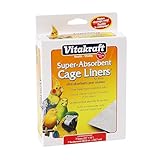
- FRESH & CLEAN EVERY DAY: Keep your bird Friend’s home tidy with these absorbent cage liners that help control odors, making daily cleanup quick, easy, and stress-free for both you and your pet.
- EASY-TO-USE DESIGN: Pre-cut 20” x 18” liners fit most standard cages and can be trimmed to size, ensuring a snug fit that stays in place while keeping your Friend’s space neat and comfortable.
- PROMOTES A HEALTHY HABITAT: By quickly absorbing moisture and controlling odor, these liners help maintain a hygienic environment, reducing bacteria buildup and supporting your bird’s well-being.
- TIME-SAVING CLEANUP: Just remove the used liner, replace it with a fresh one, and you’re done. No more messy scrubbing or complicated cleaning routines. Spend more time enjoying your feathered friend.
- QUALITY YOU CAN TRUST: Vitakraft is a trusted name in pet care. These cage liners are crafted to meet the highest standards for absorbency, durability, and bird-safe materials. Ensuring your feathered friend has the clean habitat they deserve.
Are lovebirds good pets?
Lovebirds may suit people ready for an active, social parrot, but they are not low-maintenance pets. They need daily interaction, enrichment, safe housing, a suitable diet, and regular avian veterinary care. They can also be territorial or nippy, and a second bird is not a guaranteed solution to loneliness.
Before bringing one home, consider whether you can provide:
- Daily attention and stimulating activities
- Safe housing with room to move and exercise
- A formulated diet supplemented appropriately with fresh foods
- Regular care from an avian veterinarian
- A long-term plan for veterinary needs and care during travel or life changes
Choose a lovebird because you are prepared for its social and care needs, not because you expect a quiet or easy pet. Learn the bird’s species and history before purchase.
FAQ
How many species of lovebirds are there?
Nine species are commonly recognized in the genus Agapornis. Follow a named checklist for a formal species list because taxonomic classifications can change.
Recommended Free Tools
What do lovebirds eat?
The AAV recommends a high-quality formulated diet, with possible supplementation by chopped vegetables, fruit, and whole grains. Consult an avian veterinarian for an individual feeding plan.
Can you tell if a lovebird is male or female?
Physical traits are unreliable for most species. The AAV says DNA sexing, followed by endoscopy, may be used; ask an avian veterinarian about testing.
How long do lovebirds live?
Published estimates vary by source, species, and whether they report a maximum, average, or general estimate. For example, the AAV gives a 12-year maximum, while a 2026 veterinary review reports a 15–20-year average for captive Agapornis species. Neither figure guarantees an individual bird’s lifespan.
Are lovebirds good pets for beginners?
They can be rewarding companions for households prepared to provide daily interaction, enrichment, safe housing, a suitable diet, and avian veterinary care. Their social needs and possible territorial behavior make them more demanding than their small size may suggest.
The Bottom Line
Bottom line: Nine species are commonly recognized as lovebirds, but only a few are common pets. Lovebirds are social and engaging, yet can be territorial or nippy. A formulated diet, safe housing, daily enrichment, regular avian veterinary care, and careful decisions about companionship are central to responsible care. Lifespan estimates differ by species and source, so treat them as planning information rather than a promise.
Quick Recap
Product prices and availability are accurate as of the date/time indicated and are subject to change. Any price and availability information displayed on Amazon at the time of purchase will apply.




