For one lizard indoors, the fastest humane solution is to remove it with a container and stiff card—or give it one unobstructed route outdoors. If lizards keep returning, the lasting fix is to seal gaps, repair screens, reduce insects and exterior lighting, and remove moisture and hiding places.
Most small house geckos and similar lizards are not dangerous to people, but they can bite if handled and reptiles can carry germs such as Salmonella. Keep children and pets away, avoid glue traps and household chemicals, and do not handle an unfamiliar large or brightly patterned lizard.
The nine methods below are based primarily on UC Integrated Pest Management guidance and extension recommendations. They focus on removing the reason lizards are near your home rather than simply killing the visible animal.
First: decide whether you have one lizard or a recurring entry problem
A single small gecko in a room is often an accidental visitor that entered through an open door, damaged screen, or small gap while hunting insects or looking for shelter. That is not automatically an infestation. Recurring sightings, however, usually mean that the building offers at least one of the following:
Do these 3 things before closing this tab:
1Fix the driver behind crashes, sound loss and screen glitches2Clear out junk files and repair common Windows errors3Scan for outdated or missing drivers - takes under a minute#1 Best Overall
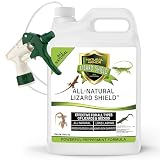
- REPELS LIZARDS, GECKOS & IGUANAS – Natural Armor Lizard Repellent Spray uses a powerful peppermint formula to help repel lizards, geckos and iguanas from treated areas. Ideal for patios, porches, pool decks, garages, foundations, sidewalks, driveways, gardens and other outdoor living spaces.
- POWERFUL PEPPERMINT FORMULA – Made with premium peppermint oil, our ready-to-use formula provides a natural alternative to harsh chemicals. Pleasant herbal scent with no harsh chemical odors. Ideal for both indoor and outdoor use.
- CREATE A LIZARD-FREE BARRIER – Spray around doors, windows, foundations, garages, patios, decks, pool areas, sheds and other common entry points to help make treated areas less inviting to lizards, geckos and other nuisance reptiles.
- READY TO USE – NO MIXING REQUIRED – Simply shake and spray wherever lizards are commonly seen, hide or enter. Includes a heavy-duty trigger sprayer designed for comfortable application and covers approximately 1,000 square feet per gallon.
- TRUSTED NATURAL ARMOR QUALITY – Proudly made in the USA with premium ingredients and dependable performance. Waterproof formula provides long-lasting protection and is designed to help keep treated areas protected for up to 90 days under normal conditions.
- A gap beneath a door, damaged screen, open vent, or utility opening.
- A dependable supply of insects such as moths, cockroaches, ants, flies, crickets, or spiders.
- Bright outdoor lighting near a door, window, balcony, or patio that attracts insects.
- Moisture, condensation, leaks, or standing water.
- Clutter, vegetation, wood, rocks, or debris that provides cover.
House geckos can live inside structures, while other lizards may simply wander in from surrounding vegetation. The important distinction is not the word infestation; it is whether the conditions that attracted or admitted the lizard are still present.
What kind of lizard is it?
- House geckos: Usually small, nocturnal, and pale gray, tan, brown, or pinkish. They can climb walls and ceilings and are often seen near lights at night.
- Anoles: Often green or brown. Males may display a colorful throat fan. They are more commonly associated with vegetation and outdoor areas, although they can enter buildings.
- Skinks and fence lizards: Generally ground-oriented and more likely to be found outdoors, in garages, or near ground-level openings.
- Alligator lizards: Can bite when restrained. Do not pick one up simply because it appears manageable.
- Gila monsters: Large, thick-bodied, strongly patterned venomous lizards found in parts of the American Southwest. The National Park Service advises people not to handle them.
If the animal is large, thick-bodied, brightly patterned, unusually aggressive, or impossible to identify, keep your distance and contact a qualified wildlife professional or local wildlife authority. Do not grab any lizard by the tail. Rough handling can injure the animal or cause it to shed its tail, and an unknown species may bite.
What to do if a lizard is inside right now
Use this short procedure before trying repellents or pesticides:
- Close interior doors so the lizard cannot move through the rest of the home.
- Remove children and pets from the room. Do not let a dog or cat chase the lizard behind furniture or appliances.
- Open one exterior door or window that leads safely outdoors.
- Turn off or dim competing lights. A single clear exit may make the route easier to find, although this is a practical tactic rather than a guaranteed behavioral response.
- Move slowly and wait. Aggressive chasing often drives a lizard behind a refrigerator, into a wall void, or beneath an appliance.
- If it stops, place a plastic container, box, or wastebasket over it.
- Slide stiff cardboard underneath until the animal is enclosed.
- Carry the container outdoors and set it down near sheltered cover. Release it promptly and follow local wildlife rules; do not drive a wild lizard far away without local guidance.
- Wash your hands and clean any droppings from nearby surfaces.
- Seal the entry point once you locate it.
The container-and-card method is recommended by UC IPM and Texas A&M AgriLife Extension. Never squeeze the container or try to catch the animal with bare hands.
9 effective ways to get rid of lizards
Here is a quick comparison of the nine methods. The speed and evidence ratings are practical summaries, not guarantees; repellents are the least established option.
| Method | Best for | Typical speed | Evidence strength |
|---|---|---|---|
| 1. Container and card | One small lizard indoors | Immediate | High |
| 2. Clear exit | A visible lizard that has not hidden | Minutes to hours | Practical; not strongly studied |
| 3. Seal gaps | Preventing repeat entry | Same day for accessible gaps | High |
| 4. Repair screens and fit door sweeps | Homes with damaged screens or door gaps | Same day to several days | High |
| 5. Reduce insects | Repeated sightings near food, lights, or garages | Usually days | Moderate to high |
| 6. Reduce exterior lighting | Lizards near porch lights, windows, or doors | May reduce insect activity immediately | Moderate |
| 7. Remove water, clutter, and shelter | Yards, garages, storage rooms, and humid spaces | Same day to several weeks | Moderate |
| 8. Optional, label-dependent repellents | Supplemental exterior measure | Variable; usually temporary | Low or location-specific |
| 9. Call a professional | Persistent sightings, inaccessible animals, or safety concerns | Depends on availability | Moderate |
1. Remove the visible lizard with a container and card
Use a smooth plastic container, cardboard box, or wastebasket large enough to avoid touching the animal. Once the lizard is stationary, cover it, slide stiff cardboard beneath the rim, and carry the enclosed animal outside. Set it near cover such as a shrub, rock, or other sheltered area appropriate to the local environment.
Do not use a broom to pin it down, grab its tail, or let a pet catch it. If the species is unfamiliar or the animal is large, stop and call a professional instead. For a captive pet lizard that has escaped, do not release it outdoors; contact a veterinarian, rescue, pet store, or appropriate rehoming organization.
2. Create one clear exit
Close every interior door, open one safe exterior exit, dim the other lights, and give the lizard time to move. You can gently guide it toward the opening with a broom or large piece of cardboard, keeping the object behind it rather than striking or cornering it.
Recommended Free Tools
This method may work, but do not assume that a lizard will reliably move toward a light or open door. Stop if it runs behind an appliance or into a narrow space. Do not move a heavy refrigerator, washing machine, or other appliance impulsively to reach it; close the room and seek help if the animal cannot be safely accessed.
3. Seal openings at least one-quarter inch wide
Inspect the perimeter of the room and the outside of the building. Seal gaps of approximately ¼ inch (6 millimeters) or larger, especially around:
- Exterior doors and gaps beneath doors.
- Window corners and frames.
- Plumbing, wiring, and air-conditioning lines.
- Vents, soffits, and utility penetrations.
- Foundation cracks and wall joints.
- Garage doors and thresholds.
- Pipes, conduits, and other openings between indoor and outdoor spaces.
Depending on the location, suitable materials may include caulk, insulating foam, flashing, steel wool, door sweeps, and tight-fitting seals. Choose a durable repair that will not leave a new gap when the building expands, contracts, or vibrates. The UC IPM lizard guide specifically recommends closing openings this size and larger.
4. Repair screens and install door sweeps
Replace torn window and door screens, repair loose screen edges, fit mesh over appropriate vents, and install a properly sized sweep beneath exterior doors. Check the corners and frame—not just the center of the screen—because a screen with a small side gap still provides an entry route.
What’s actually slowing this PC down?
Pick the symptom - the matching free tool is one click away.
Keep garage doors closed when possible and check the seal along the bottom and sides. In apartments and rental properties, report damaged screens, shared utility penetrations, and gaps in common walls to the landlord or building manager; sealing only one room may not solve a building-wide entry problem.
5. Reduce the insects lizards are hunting
The basic food-chain problem is simple:
Exterior light attracts insects; insects attract lizards.
House geckos commonly wait around porch lights for moths, cockroaches, and other insects. To reduce the food supply:
- Store food in sealed containers.
- Clean crumbs, grease, spills, and pet food promptly.
- Keep rubbish and compost in closed containers.
- Repair leaking taps, pipes, and air-conditioning drains.
- Empty standing water and correct drainage problems.
- Address cockroaches, ants, flies, moths, crickets, and spiders at their source.
- Use insect-control products only for the labeled pest, location, and application method, keeping pets away exactly as the label directs.
General insect control can reduce gecko activity by reducing food, but it may not eliminate lizards by itself. As Texas A&M notes, the effect can be limited if entry points, shelter, and other prey remain available. Do not spray an insecticide directly on a lizard.
Rank #2

- SAFE & NATURAL; Peppermint oil spray for Lizards; This Lizard Deterrent/ Repellent Spray is made up of natural peppermint and Cinnamon Essential oil ingredients found in nature; Safe to use around Children, nursing mothers, kitchens with food out. Helps reduce the number of unwanted pests such as, Lizards, Geckos, Iguanas; Lizard repellent is made for Indoor and outdoor use; Respray after a rainstorm
- LONG LASTING SPRAY; Our Natural Reptile Spray is perfectly formulated with the combination of Peppermint and Cinnamon oils that will last long upon spraying; When regularly used for prevention you will help prevent serious Reptile outbreaks from happening; When serious outbreaks happen you can spray daily or even a couple of times a day to reduce the lizard presence; 100 Percent Natural reptile spray for home
- SAFE AROUND CHILDReN- Natural Lizard repellent indoor spray ; This spray will help keep those annoying reptiles off of your deck and patio naturally; You can even spray inside or around food as it is 100 Percent naturally derived from essential oils
- INDOOR & OUTDOOR Fresh and Energizing Scents; Make these natural essential oil ingredients zest your home’s exterior or interior with a fresh smell; Have nature do the work for you; After you spray your space it will smell like peppermint and Cinnamon; if sprayed regularly in a lizard infested area you will reduce the lizard presence
- MADE IN THE UNITED STATES- with love; We are exterminators by trade and know if you use this product correctly, patiently, it will help reduce your lizard issue
6. Turn off, move, or reduce exterior lighting
- Turn lights off when they are not needed.
- Use motion sensors or timers.
- Move fixtures farther from doors and windows where practical.
- Close blinds or curtains at night so indoor light does not attract insects through windows.
- Where a light must remain on, consider a fixture or bulb that attracts fewer insects.
UF/IFAS recommends turning exterior lights off when feasible and explains that changing the light source can reduce the insects gathering around a home. Yellow, amber, sodium, or so-called bug bulbs are not guaranteed lizard repellents; their effect depends on the fixture, brightness, surroundings, and local insect species.
7. Remove water, clutter, and outdoor shelter
Make the building less useful as a hunting and hiding site:
- Fix leaking faucets, pipes, gutters, and air-conditioning condensation.
- Remove standing water and improve drainage.
- Clear leaf piles, dense groundcover, wood, rocks, cardboard, and debris from walls.
- Store lumber, crates, boxes, gardening tools, and similar items off the ground and away from the building.
- Reduce clutter beneath appliances, in garages, and in storage rooms.
- Trim vines, shrubs, and other vegetation away from windows, roofs, siding, and doors.
These changes remove both shelter and the damp conditions that support insects. They are particularly useful when lizards are seen outdoors around the foundation or garage rather than deep inside the home.
8. Treat repellents as optional and label-dependent
There is no proven universal household recipe that permanently repels lizards. Garlic, onion, eggshells, coffee grounds, tobacco, peppermint, clove, cayenne, vinegar, and essential oils are frequently repeated in consumer articles, but reliable independent evidence for lasting lizard control was not established here. “Natural” does not automatically mean effective, harmless to reptiles, or safe around children, cats, dogs, birds, and other wildlife.
Quick wins for a faster PC:
Scan for outdated or missing drivers - takes under a minuteDriver Scan →Clear out junk files and repair common Windows errorsFree Scan →Product registration also varies by country and changes over time. For example:
- California UC IPM guidance says toxicants or repellents are not registered for killing or repelling lizards there.
- Texas A&M guidance says pesticides are not registered for gecko control in Texas.
- UF/IFAS guidance says no pesticide is registered for managing geckos inside a structure in Florida.
These are geography-specific statements, not proof that no product exists anywhere in the world. If you consider a commercial repellent, check the active ingredient, local registration, intended site, target pest, and label directions. Keep pets and children away as directed, and never apply a product to the lizard unless the label expressly permits that use.
9. Call a licensed pest or wildlife professional
A good professional inspection should look for more than the visible reptile. Ask the technician to check:
- Entry points, door thresholds, screens, vents, and utility gaps.
- Insects and other prey.
- Moisture, leaks, condensation, and drainage.
- Vegetation, debris, and other hiding places.
- The species and any local wildlife protections.
- Whether the plan uses exclusion and insect-source reduction rather than simply spraying reptiles.
Be cautious of guarantees, unsupported claims that a particular scent works, or promises that every lizard will be gone within a fixed number of days. Professional help can identify inaccessible entry routes and species, but it cannot make an untreated gap or food source disappear.
For U.S. cost context only, a page from Angi updated July 8, 2026 reports an estimated professional lizard-removal range of $190 to $585. Actual prices vary substantially by location, access, species, repairs, and whether insect treatment is included. Dubai, Sharjah, Ajman, and other regions have different licensing, pricing, and service rules; do not transfer a local quote or municipality claim to another country.
What attracts lizards to a house?
Lizards usually remain near a building because it supplies some combination of food, warmth, moisture, shelter, and access. Outdoor lighting is often the most visible clue: it concentrates insects, and a gecko may wait nearby to hunt them. A small gap then allows the lizard to move indoors.
Look for a pattern rather than treating every sighting as random:
- Near a porch light: Start with lighting and insect reduction.
- Near a kitchen or bathroom: Check for insects, food residue, plumbing leaks, humidity, and gaps around pipes.
- Near a garage or patio: Inspect the door sweep, screens, stored materials, and foundation-level openings.
- After rain or hot weather: Check for temporary shelter, moisture, and newly opened gaps.
- In a newly occupied or renovated home: Inspect doors, windows, vents, air-conditioning lines, and utility penetrations.
Many small lizards eat insects and can be helpful outdoors. UC IPM reports that lizards generally cause no measurable damage to garden plants and may help control pest insects. That benefit does not require accepting a lizard in a kitchen, bedroom, nursery, or food-preparation area, where droppings, contamination concerns, fear, or pets may make removal appropriate.
Windows Errors? Fix Them Before They Spread
Repair common Windows errors and clear accumulated junk for a smoother, more stable PC - no reinstall needed.Free scan · no reinstallCrashes, No Sound, or Screen Glitches?
Random freezes, missing sound and display glitches usually trace back to one bad driver. Find and replace yours safely.Free scan · under a minuteWhat not to use
Do not use mothballs as lizard repellent
Mothballs are pesticides, not general-purpose animal repellents. In the United States, registered mothball labels specify uses such as airtight containers and storage closets. Placing them outdoors, under furniture, or around a room as a lizard treatment can violate the label and expose children, pets, and wildlife to hazardous vapors or ingestion. See the EPA pesticide-label guidance and its warning about illegal household pesticide products.
Do not spray the lizard directly
Do not use insecticide, disinfectant, bleach, kerosene, ammonia, or another household chemical on a lizard. A pesticide’s safety and legality depend on its formulation, label, target pest, application site, and local law. Killing the visible animal also leaves the gap and insect population that caused the problem.
Do not rely on glue boards
Glue traps are not a humane preferred method for removing a lizard. Some pest-control materials list them as lethal control, but they are indiscriminate and can trap pets and non-target wildlife. The Wildlife Center of Virginia documents dehydration, starvation, scale damage, and other injuries caused by glue traps.
If a lizard is already stuck, do not pull it free and do not throw the trap away with the animal attached. Cover exposed adhesive with paper towels, paper, or thin cardboard, place the trap and animal in a box, and contact a permitted wildlife rehabilitator or veterinarian for instructions.
Free tools Windows power users keep installed
One-click scans. No signup required.
Rank #3

- Natural Lizard Control: Exterminators Choice Lizard Defense Spray offers a safe alternative for managing lizard presence in your home or garden. With its peppermint oil spray for lizards, it provides an effective solution for both indoor and outdoor use
- Safe and Effective Formula: This lizard defense spray is crafted with professional-grade ingredients, ensuring a safe experience around children and pets. The peppermint oil outdoor application is both discreet and powerful against common lizards
- Comprehensive Indoor and Outdoor Use: Utilize this home and garden spray for a broad range of environments, ensuring protection against lizards and bugs. Its versatility makes it ideal for indoor outdoor applications, maximizing your home's defense
- Essential Oil Power: Featuring a blend of peppermint, cinnamon, and clove oils, this spray offers a natural solution that lizards find unappealing. It acts as a peppermint oil spray garden solution, ensuring comfort and safety in your living spaces
- Professional Grade Solution: Trusted by professionals, Exterminators Choice delivers long-lasting results without harsh chemicals. As a peppermint bug spray home option, it supports a safe, comfortable environment free from unwanted lizard activity
Skip coffee-and-tobacco balls and unverified spicy sprays
There is no reliable lizard-control evidence supporting coffee-and-tobacco balls. Tobacco contains nicotine and can be dangerous if a pet or child eats it; see guidance from Poison Control and the ASPCA.
Cayenne, chili, hot sauce, sulfur, and concentrated essential oils should not be treated as harmless or proven solutions. They may irritate animals, plants, people, or pets, and a product marketed for a lawn or crop is not automatically registered for use as a lizard repellent. Exclusion, lighting changes, food-source reduction, and physical removal are safer starting points.
Cleaning and health precautions
Reptiles can carry Salmonella and other germs even when they look clean and healthy. This does not mean every lizard or dropping is contaminated, but it is a reason to use basic hygiene. The CDC recommends careful handwashing after contact with reptiles and their environments; applying the same precaution after contact with a wild lizard is sensible.
- Keep reptiles away from food-preparation areas.
- Wear disposable gloves or use a paper towel to remove droppings.
- Clean the affected surface before disinfecting it.
- Use a disinfectant approved for that surface and follow its label, including the required contact time.
- For counters and other food-contact surfaces, follow the product’s food-safety directions.
- Never mix cleaning products.
- Wash hands with soap and water afterward.
Children under five, older adults, and people with weakened immune systems should not handle wild reptiles or clean contaminated areas. If a lizard bites or scratches you, wash the wound immediately with warm, soapy water. Seek medical care for a serious wound or for increasing redness, swelling, pain, drainage, fever, or other signs of infection.
When DIY control is not enough
Arrange professional help when:
- You see lizards repeatedly after sealing obvious openings.
- The animal is behind a refrigerator, inside a wall, in ductwork, or otherwise inaccessible.
- There is a significant insect, moisture, or structural problem.
- The lizard is large, unfamiliar, venomous-looking, protected, or aggressive.
- Droppings are appearing in a commercial kitchen or other food-handling area.
- You live in an apartment and the likely entry route is in a shared wall, roof, or utility chase.
- You are unable to keep pets and children away from the animal or from any treatment area.
In a commercial kitchen, treat the sighting and any droppings as a food-safety and pest-management issue and use licensed commercial pest control. For wildlife, local rules may restrict capture or relocation. USDA APHIS explains that wildlife translocation carries legal, ecological, disease, and animal-welfare risks. Do not tell yourself that moving a wild lizard far away is automatically better.
Prevention checklist
After removing the lizard, work through this list:
- Seal openings approximately ¼ inch or larger.
- Repair window, door, balcony, and vent screens.
- Install door sweeps and weather stripping.
- Reduce cockroaches, ants, flies, moths, crickets, spiders, and other prey.
- Turn off, move, or reduce exterior lighting near doors and windows.
- Fix leaks, condensation, drainage problems, and standing water.
- Remove wood, rocks, boxes, leaf piles, and other outdoor shelter beside walls.
- Store lumber, crates, boxes, and garden equipment off the ground.
- Trim vegetation away from doors, windows, roofs, and siding.
- Recheck entry points after storms, maintenance, renovations, or seasonal weather changes.
Special situations
An outdoor lizard in the garden
If it is staying outdoors and is not damaging property or entering the home, leaving it alone is usually the lowest-risk option. Many small lizards eat insects. Focus on exclusion only if it is becoming an indoor nuisance or creating a specific sanitation concern.
A pet lizard that has escaped
Do not release a captive pet or non-native reptile outdoors. Search warm, dark hiding places, close exterior exits, and contact a veterinarian, reptile rescue, pet store, or local animal organization if you cannot recover it. Releasing a pet can harm the animal and introduce disease or an invasive species.
A lizard in a glue trap
Cover the exposed adhesive, place the trap in a box without pulling on the animal, and call a wildlife rehabilitator or veterinarian. Do not use solvents or attempt a forceful removal unless a qualified professional gives you specific instructions.
The Tool Desk
Outbyte Driver Updater FREEScan for outdated or missing drivers - takes under a minuteDriver Scan →Outbyte PC Repair FREERepair Windows errors before they cause bigger problemsFix Now →A suspected Gila monster
Keep people and pets away, do not touch it, and contact local wildlife authorities or a qualified wildlife professional. A Gila monster is not a DIY capture or removal situation.
Frequently Asked Questions
Will controlling insects make lizards disappear?
It may reduce activity, particularly when lizards are hunting around lights, kitchens, garages, or patios, but there is no reliable universal timeline and insect control alone may not solve the problem. Seal entry gaps and remove shelter as well.
Does seeing one lizard mean my house is infested?
Usually not. One small gecko may have entered accidentally. Repeated sightings are better treated as evidence of an open entry route, steady insect prey, moisture, or shelter—not automatically as an infestation like cockroaches or termites.
What smell permanently repels lizards?
No universal household scent has been shown to permanently repel lizards. Garlic, eggshells, coffee, tobacco, peppermint, clove, cayenne, vinegar, and essential oils are commonly suggested but should not be treated as proven or automatically pet-safe.
Do these 3 things before closing this tab:
1Clear out junk files and repair common Windows errors2Scan for outdated or missing drivers - takes under a minute3Repair Windows errors before they cause bigger problemsShould I take a wild lizard far away and release it?
Not without checking local wildlife rules. Relocation can stress the animal and may be restricted or discouraged. If you remove a small local lizard yourself, release it promptly near suitable sheltered cover; never release a captive pet or non-native reptile outdoors.
Are house lizards dangerous to people or pets?
Most small house geckos are not dangerous to people, but any wild lizard can bite if cornered, and reptiles can carry germs such as Salmonella. Keep pets and children away, avoid handling unfamiliar species, and wash hands after contact.
The Bottom Line
One lizard: close interior doors, open one safe exterior exit, and use a container with stiff cardboard when the animal stops. Repeat sightings: seal gaps of about ¼ inch or larger, repair screens and door sweeps, reduce insects and exterior lighting, and remove moisture and shelter. Avoid mothballs, direct chemical sprays, tobacco mixtures, and glue traps. If the lizard is large or unknown, inaccessible, repeatedly returning, or inside a commercial kitchen, call a licensed professional or local wildlife authority.
Quick Recap
Product prices and availability are accurate as of the date/time indicated and are subject to change. Any price and availability information displayed on Amazon at the time of purchase will apply.
Recommended Free Tools




