Crashes, No Sound, or Screen Glitches?
Random freezes, missing sound and display glitches usually trace back to one bad driver. Find and replace yours safely.Free scan · under a minutePC Slower Than It Used to Be?
A free scan shows the junk files, broken settings and background clutter dragging Windows down - then fixes them in one click.Free scan · Windows 10 & 11Healthy wild adult butterflies usually do not need to be taken indoors. The best care is to leave them outside and provide pesticide-free nectar plants, species-specific host plants for caterpillars, shelter, sun, and damp soil or a shallow puddling area. Captive care is mainly appropriate for a short-term rescue, a legally obtained educational kit, or a permitted conservation program. See guidance from Oregon State University Extension, the U.S. Botanic Garden, and Texas Parks and Wildlife.
Before you begin: Identify the butterfly, its life stage, where it came from, and the laws that apply before moving or releasing it. A caterpillar, chrysalis, newly emerged adult, injured butterfly, and healthy adult outdoors all need different care.
Use the seven steps below as a decision guide rather than a universal recipe. The correct food, temperature, enclosure, and release timing depend on the species and life stage.
First, choose the right care path
| What you found | Best first action | Do not do this |
|---|---|---|
| Healthy adult outdoors | Leave it outside, protect nearby flowers, avoid pesticides, and observe it. | Capture it merely to keep it as a pet. |
| Adult trapped indoors | Reduce disturbance and guide it toward an exit or sheltered outdoor location when weather is suitable. | Chase it around or grab its wings. |
| Caterpillar on a plant | Photograph it, identify the plant it is eating, and preserve that host plant or move a small section carefully if necessary. | Feed it random leaves, fruit, or sugar water. |
| Chrysalis | Leave it attached, or move the twig, stem, leaf, or other support it is attached to. | Pull the chrysalis off its support. |
| Commercial classroom kit | Follow the instructions for that kit and species. Painted lady kits are a common beginner example. | Apply monarch or generic butterfly instructions automatically. |
| Weak or injured adult | Provide quiet, short-term shelter and seek advice from a local extension office, museum, or butterfly specialist. | Force-feed it, manipulate its proboscis, or assume a torn wing can be repaired at home. |
Understand the life cycle before providing care
Butterflies pass through four stages: egg, larva or caterpillar, pupa or chrysalis, and adult. Each stage has different requirements.
#1 Best Overall

- Bring Butterflies Closer with All-In-One Attraction Bundle: Includes butterfly feeder and ready-mix butterfly nectar designed to create a vibrant butterfly garden while enhancing garden decor and outdoor decor in any backyard space for year-round enjoyment.
- Dual Feeding Design for Maximum Visits: 12 oz reservoir plus fruit trays in butterfly feeders for outdoors create a reliable butterfly feeding station, offering natural butterfly food and ideal for attracting butterflies and supporting a healthy butterfly garden.
- Scientifically Inspired Attraction & Protection: UV-reactive colors draw large butterflies to butterfly attractors for garden while smart design helps keep bees and ants away, creating a cleaner butterfly watering station for a more peaceful feeding experience.
- Versatile Nectar Use for Enhanced Attraction: Ready-mix butterfly nectar mimics natural food sources, supporting a thriving butterfly garden and improving performance of any butterfly feeder or butterfly watering station, ensuring consistent attraction in outdoor spaces.
- Over 30 Years of Bringing the Wild to Your Backyard: Birds Choice crafts every butterfly feeders for outdoors with durable polycarbonate, dishwasher-safe components, and a heartfelt mission - turning ordinary yards into living sanctuaries where nature truly feels at home.
- Egg: The developing embryo is usually attached to a plant.
- Caterpillar: It eats, grows, and molts. Many caterpillars can digest only one plant species or a small group of related plants.
- Chrysalis: The pupa is the transformation stage. The adult develops inside it.
- Adult: It uses a straw-like proboscis to drink liquids, commonly flower nectar. Some species also use rotting fruit, tree sap, dung, or mineral-rich wet soil.
Chrysalis is not the same as cocoon. A chrysalis is the exposed pupal case of a butterfly; a cocoon is generally associated with moths. Rough movement or detachment can injure the developing butterfly. The Florida Museum of Natural History explains the stages and wing-drying process, while the American Museum of Natural History describes adult feeding behavior.
Picture guide: A useful identification photograph should show the whole insect, its underside if possible, and the plant where it was feeding or resting. That information is often more useful than a close-up of the wings alone.
Step 1: Identify the species and life stage
Before you feed or move a butterfly, record:
- Where you found it, including the general habitat
- The date and weather
- Whether it is an egg, caterpillar, chrysalis, or adult
- What plant it was eating, resting on, or attached to
- Clear photographs of the insect and host plant
Identification matters because a caterpillar’s food is usually much more specific than an adult’s food. For example, monarch caterpillars need milkweed; black swallowtail caterpillars commonly use parsley, dill, fennel, and related plants; painted lady caterpillars use thistles and several related host plants. Host plants vary by species and geography, so this is not a complete guide.
If you cannot identify the insect, contact a local university extension office, natural-history museum, native-insect organization, or reputable identification service before transferring it or offering food. The North Carolina Cooperative Extension painted-lady guide, Nebraska Extension, and Oregon State University Extension provide examples, but none is an instruction set for every species.
Quick wins for a faster PC:
Clear out junk files and repair common Windows errorsFree Scan →Scan for outdated or missing drivers - takes under a minuteDriver Scan →Step 2: Prepare the correct habitat
For a healthy wild adult
Outdoor care is normally best. Plant pesticide-free nectar flowers, provide shelter from wind, and leave suitable host plants available for egg-laying and caterpillars. Butterflies often benefit from sunny, sheltered areas and damp soil or a shallow puddling place where they can obtain minerals. Avoid deep water dishes where an insect could become trapped.
Do not expect a butterfly garden to look untouched. Caterpillar feeding damage is evidence that host plants are being used. The North Carolina Cooperative Extension garden guide and U.S. Botanic Garden recommendations cover nectar plants, host plants, shelter, sun, puddling areas, and pesticide avoidance.
For a temporarily confined adult
Use a fine-mesh butterfly cage or insect enclosure rather than a sealed jar or small hard-sided box. Provide:
- Clean, pesticide-free twigs or plant stems for perching
- Vertical and diagonal surfaces the butterfly can grip
- Enough open space for it to hang and fully expand its wings
- A secure closure and good airflow
- A quiet position away from pets, fans, smoke, aerosols, heaters, and air-conditioner drafts
Keep the enclosure in bright, indirect daylight. Never place a small transparent or mesh habitat in direct sunlight; it can overheat quickly. A 12-inch mesh habitat is common in some painted-lady educational kits, but it is not a universal minimum for all species, large butterflies, or multiple adults.
Do these 3 things before closing this tab:
1Clear out junk files and repair common Windows errors2Scan for outdated or missing drivers - takes under a minute3Repair Windows errors before they cause bigger problemsPicture of a safe adult enclosure: Show a fine-mesh cage with open space, several vertical and diagonal perches, and a shallow feeding station with an absorbent landing surface. Contrast it with a sealed jar, a deep liquid bowl, and a cage sitting in direct sun.
Rank #2

- Lively and colorful: The Bee watering ball is made into a beautiful flower shape, with gorgeous colors and green stems and leaves to attract more bees and butterflies to stay and provide energy for pollination.
- Simple installation: The bee watering station only needs to install the flower and the rod diameter together, without the need for installation tools. After the installation is completed, insert the base into the garden soil to make a stable and beautiful bee bath for garden. In addition, the rod diameter can determine the installation height by itself to form a colorful garden decoration with different heights.
- How to use: Pour clean water into the bee drinking station for garden and make sure the water is not too deep, or you can put in clean and beautiful beads to prevent bees from drowning and facilitate landing. Insert the pollinator watering station in the garden area where bees often appear.
- Sturdy material: The butterfly feeder sponge is made of high-quality metal, painted with high-temperature paint, and is not afraid of wind, rain and sun. It is sturdy, and is a beautiful landscape of your outdoor garden.
- Wide application: The bee watering station for garden can provide water and food, such as sugar water for bees and butterflies. It can also be a floating bee bath and butterfly bath, yard garden decor for outside at the same time.
For a caterpillar
Use a ventilated container with a continuous supply of fresh leaves from the correct host plant. Keep cut stems fresh, but prevent the caterpillar from falling into the water. A small water-filled stem holder should be enclosed or otherwise made inaccessible so it cannot become a drowning hazard.
Leave room for the caterpillar to move, molt, and pupate. Keep the container out of direct sun, remove frass and spoiled foliage regularly, and avoid overcrowding, stagnant air, and persistently wet leaves. Texas Parks and Wildlife advises using fresh host plant material and avoiding direct sun and overcrowding. If a caterpillar is hairy or spiny, avoid bare-handed contact; some species can irritate skin.
For a chrysalis
Move the support, not the chrysalis. If it is attached to a twig, stem, leaf, or paper support, secure that support to the top or side of the enclosure. Leave open space beneath it so the emerging adult can hang down, expand its wings, and dry without touching the floor or sides.
For painted lady kits, North Carolina Cooperative Extension recommends leaving newly formed chrysalises undisturbed for another one to two days before transferring them to the adult cage so they can harden. That timing is specific to the kit protocol and should not be assumed to apply to every butterfly.
Step 3: Provide the right food for the life stage
Adult butterflies: flowers first
Most adult butterflies obtain food from flowers through a proboscis. If an adult is outside and has access to appropriate flowers, it usually does not need a homemade feeder. Some species also feed on rotting fruit, sap, dung, or wet mineral-rich soil, so varied garden resources can be more useful than sugar water alone.
For a short-term adult enclosure, offer liquid on a clean sponge, cotton pad, folded paper towel, or very shallow dish with a safe landing surface. The butterfly must be able to reach the liquid without standing in a deep pool or getting its body and wings wet. Replace food before it ferments or becomes contaminated.
Painted lady classroom kits
For adult painted ladies, North Carolina Cooperative Extension gives this species-specific option:
Free tools Windows power users keep installed
One-click scans. No signup required.
- Mix 1 cup of water with approximately 2 teaspoons of sugar.
- Put the solution in a shallow dish with a small sponge.
- Fresh orange pieces and mashed banana may also be offered.
- Keep the solution and fruit fresh.
The same guide says the cage may be misted once daily because adults can drink droplets from the mesh. Misting is not a reason to keep the enclosure constantly wet; remove moldy or saturated material and maintain airflow.
Monarchs delayed from release
If a monarch cannot be released promptly, the Monarch Larva Monitoring Project recommends a 20% honey-and-water solution, fresh fruit such as cut melon, fruit juice on a clean sponge, or flowers the monarch will use. Change food daily to prevent fermentation.
Rank #3
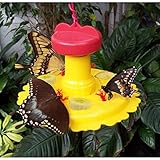
- Attract more butterflies to your yard and garden
This is monarch-specific guidance. It does not mean every butterfly needs honey, fruit juice, sports drinks, or the same sugar concentration. Recommendations differ by species and situation. Flowers are generally preferred whenever a suitable outdoor release is possible.
Caterpillars: host plant or supplied diet only
Do not give a caterpillar adult nectar, sugar water, or fruit. Offer the host plant it was found eating, or the prepared diet supplied with a commercial kit. A caterpillar can starve among green leaves if the plant species is wrong. Some caterpillars eat only one plant genus, while others accept several related plants.
The Tool Desk
Outbyte Driver Updater FREEScan for outdated or missing drivers - takes under a minuteDriver Scan →Outbyte PC Repair FREEClear out junk files and repair common Windows errorsFree Scan →Step 4: Control temperature, light, humidity, and ventilation
Butterflies are ectothermic: environmental warmth helps them become active and fly. Oregon State University Extension notes that butterflies rarely take flight below approximately 60°F, but this is a practical observation, not a universal temperature law or release requirement for every species.
For painted lady larvae, North Carolina Cooperative Extension recommends a stable environment of 68–78°F and warns against direct sunlight. Do not treat that range as a general adult-butterfly standard. Species, life stage, season, and outdoor acclimation all matter.
Use these practical conditions:
- Bright indirect daylight rather than intense midday sun on the enclosure
- No cold drafts or forced-air vents
- Good ventilation without a sealed, condensation-filled container
- Temporary humidity when an adult is emerging, followed by drier perches and surfaces
- No artificial heating unless a species-specific husbandry guide recommends it
When emergence is expected, Nebraska Extension recommends a damp sponge and warns that mold must not become established. Humidity can help a newly emerging butterfly, but a permanently damp enclosure encourages mold, bacteria, and disease.
If you find a butterfly indoors during winter, do not automatically put it beside a radiator or in a warm, sunny room. Some species overwinter in a dormant state and may need cool, sheltered conditions instead. The right response depends on species and region; identify it and ask a local expert before changing its temperature.
Step 5: Handle as little as possible
Butterfly wings are covered with delicate overlapping scales. The safest handling method is usually not handling the butterfly at all.
If you must move it:
- Place a twig, flower stem, leaf, or other suitable perch near its feet.
- Wait for the butterfly to step onto the perch voluntarily.
- Move the perch slowly and keep it low over a table, towel, or vegetation.
- Let the butterfly grip the new surface before withdrawing the old one.
Never pinch the wings, pull a leg, force open a folded wing, or shake the insect into flight. Do not try to unroll a proboscis with a pin, toothpick, or similar object; this can cause serious injury and is not routine home care.
A newly emerged adult must remain undisturbed while its wings expand and dry. The Florida Museum of Natural History says this can take up to approximately two hours, although species and conditions vary. Do not release or handle it simply because it has emerged from the chrysalis. The Children’s Butterfly Site also cautions against careless handling and explains why severe wing damage may prevent normal flight.
Rank #4

- 2-in-1 Butterfly House and Feeder: Fill the tray with clean water and nectar to provide the butterfly with both a food supply and a comfortable shelter. The garden stake design is more convenient. You don’t need to find strong branches to hang from or worry about being covered by weeds when placed on the ground. You can place the butterfly house anywhere. The three-piece base can stand firmly in the soil without worrying about being affected by bad weather
- Natural Wooden Butterfly House: This butterfly shelter is made of natural pine wood, its shape blends perfectly with nature, beautiful and durable, protecting butterflies from harsh weather. Adjustable metal stakes can be suitable for different garden backgrounds, allowing the butterfly house to blend perfectly into the flowers and is a great garden decoration
- Three Installation Ways: The butterfly house for outside is equipped with top hook and metal stake. You can stand the butterfly house among the flowers, place it on the grass, or hang it under the trees according to the garden layout. Sweet tip: Put closer to the flowers, will attract butterflies better
- Easy to Clean: Compared with other butterfly houses that can only be cleaned from narrow gaps, our detachable shelter design provides more convenience, allowing you to easily access all corners of the butterfly house and quickly provide a clean resting place for butterflies
- Perfect Butterfly Habitat: This unique butterfly house with feeder is not only a perfect butterfly habitat, but also a beautiful garden decoration. And it can also provide an observation place for children to explore the wonderful world of butterflies. It is a good birthday gift for children
Picture of gentle transfer: Show the butterfly stepping onto a twig or flower stem. Keep fingers away from the wings; do not pinch or hold them together.
Step 6: Keep the habitat clean and monitor health
Cleaning a caterpillar enclosure
- Remove frass, wilted leaves, and spoiled plant material.
- Replace host-plant stems before the caterpillar runs out of food.
- Keep wet foliage from sitting against the container floor.
- Rinse and dry the container when changing food.
- Do not disturb a caterpillar that is molting or preparing to pupate.
Cleaning an adult enclosure
- Replace nectar solutions daily.
- Remove spoiled fruit and wilted flowers.
- Rinse feeding dishes and sponges.
- Remove damp, dirty, or moldy liners.
- After release, clean reusable equipment with mild detergent, rinse thoroughly, and remove all soap residue before using it again.
Normal behavior can look alarming:
| What you see | What it may mean |
|---|---|
| Red liquid after emergence | Often meconium, a normal waste product from metamorphosis. |
| A newly emerged adult with folded or crumpled wings | The wings may still be expanding and drying. |
| A motionless caterpillar | It may be molting or preparing to pupate. Avoid disturbing it. |
| A sluggish adult | Check for cool temperatures, drafts, dehydration, or injury before assuming disease. |
Concerning signs include repeated falling, inability to grip a perch, persistent inability to feed, severe deformity after the wings have dried, foul odors, spreading mold, or multiple caterpillars dying in the same enclosure. A badly torn or missing wing generally cannot be restored through ordinary home care. Provide quiet shelter and seek specialist advice rather than attempting a wing repair.
Special caution with monarch disease
If a monarch appears sick, isolate it from healthy monarchs, disinfect the enclosure before reuse, and handle the sick individual last. Do not release a visibly sick or suspected-diseased monarch. Monarch Joint Venture discusses possible disease signs, including crumpled wings and loss of characteristic white abdominal scales, but these signs are not a substitute for expert diagnosis. Its guidance on sick monarch isolation and sanitation is especially important when more than one monarch is being raised.
Captive rearing can spread pathogens and may create genetic or behavioral concerns, particularly at larger scales. Small, sanitary, separated rearing is safer than crowded mass releases, but outdoor habitat is usually the better conservation investment.
Independent reader supportYour contribution helps us test, update, and keep practical guides available for everyone.Step 7: Release only when the butterfly and the release site are ready
Biological readiness checklist
Release only when the butterfly:
- Has fully expanded, dry wings
- Grips a surface firmly
- Stands or perches normally
- Responds normally to light and movement
- Makes controlled flights instead of repeatedly falling or tumbling
- Is not visibly sick or badly deformed
Weather and timing
Choose daylight, dry weather, little wind, and conditions warm enough for that species. The butterfly should have time before nightfall to warm up, feed, and find shelter. A 60–85°F release range is not a universal rule: cloud cover, wind, season, latitude, species, and whether the butterfly has just emerged all change the decision.
For monarchs, the Monarch Larva Monitoring Project generally recommends release 24 hours after eclosion. If weather prevents release, continue feeding the monarch. Do not apply that timing automatically to every butterfly species.
For a caterpillar collected in the wild, Texas Parks and Wildlife recommends releasing the adult at the place where the caterpillar was collected, assuming release is legal and the insect is healthy. The original habitat is more likely to provide the correct plants and climate than an arbitrary location.
Release method
- Carry the enclosure outside without shaking it.
- Place it beside pesticide-free flowers, host plants, shrubs, or trees in a sheltered location.
- Open the enclosure gently.
- Let the butterfly walk or fly out on its own.
- Do not throw it into the air or force it off a perch.
- If it pauses to bask, leave it undisturbed.
- If it cannot fly after warming, return it to shelter and reassess its condition.
Check U.S. release and transport rules first
Being alive and apparently healthy does not automatically make a butterfly legal to release. Check the species, origin, destination, and life stage before opening a cage, especially for purchased, imported, captive-bred, or nonlocal insects.
USDA APHIS states that permits are required for the importation and interstate movement of live butterflies and moths under 7 CFR 330. APHIS also considers environmental-release permits only for specified species and says it does not issue permits for interstate movement of monarchs across the continental divide for environmental release. See the current APHIS butterfly and moth requirements and its environmental-release information.
What’s actually slowing this PC down?
Pick the symptom - the matching free tool is one click away.
Best Value
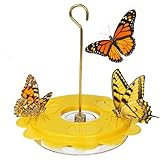
- Bring Butterflies Closer with All-In-One Attraction Bundle: Includes butterfly feeder and ready-mix butterfly nectar designed to create a vibrant butterfly garden while enhancing garden decor and outdoor decor in any backyard space for year-round enjoyment.
- Dual Feeding Design for Maximum Visits: 12 oz reservoir plus fruit trays in butterfly feeders for outdoors create a reliable butterfly feeding station, offering natural butterfly food and ideal for attracting butterflies and supporting a healthy butterfly garden.
- Scientifically Inspired Attraction & Protection: UV-reactive colors draw large butterflies to butterfly attractors for garden while smart design helps keep bees and ants away, creating a cleaner butterfly watering station for a more peaceful feeding experience.
- Versatile Nectar Use for Enhanced Attraction: Ready-mix butterfly nectar mimics natural food sources, supporting a thriving butterfly garden and improving performance of any butterfly feeder or butterfly watering station, ensuring consistent attraction in outdoor spaces.
- Over 30 Years of Bringing the Wild to Your Backyard: Birds Choice crafts every butterfly feeders for outdoors with durable polycarbonate, dishwasher-safe components, and a heartfelt mission - turning ordinary yards into living sanctuaries where nature truly feels at home.
State and territorial rules can be stricter. APHIS maintains links to state requirements, but readers should also confirm current rules with the destination state agriculture or wildlife agency. Connecticut, for example, prohibits importing, transporting for liberation, or liberating butterflies in any life stage, subject to limited institutional exceptions that still prohibit access to the outside environment. Check the law where you live.
Monarch status note: The USFWS materials reviewed for this guide, dated August 10, 2026, describe the December 12, 2024 action as a proposal to list the monarch as threatened, not as a completed final listing. Verify the current USFWS monarch species page and any later final rule before publication or release decisions.
The proposed framework discussing small-scale captive rearing of 250 or fewer monarchs should not be treated as blanket current permission. It was part of a proposed framework and does not override state restrictions. Read the USFWS explanation of the proposed 4(d) rule and obtain specific guidance when collection, transport, or release is involved.
The best long-term butterfly care is a butterfly garden
If your goal is to help butterflies rather than observe one temporarily, create habitat instead of keeping adults indoors.
Recommended Free Tools
- Plant native nectar plants that bloom at different times through the season.
- Plant host plants for the caterpillar species you want to support.
- Avoid insecticides and herbicides where butterflies, eggs, and caterpillars are using the habitat.
- Provide sun and wind shelter so adults can warm themselves safely.
- Offer damp soil or a shallow puddling area rather than deep open water.
- Accept some leaf damage. Host plants are supposed to be eaten.
- Keep the habitat connected to the local ecosystem. Local plants and locally occurring butterfly species are safer choices than imported insects.
This approach supports eggs, caterpillars, chrysalises, and adults without the disease, legal, and handling risks of unnecessary captivity. The Oregon State Extension garden guidance, U.S. Botanic Garden habitat advice, and North Carolina Cooperative Extension resource are good starting points for choosing plants suited to your region.
FAQ
Can a butterfly be kept as a pet?
Usually not in a way that benefits the butterfly. Healthy wild adults are best left outdoors, where they can feed, mate, and move naturally. A short-term mesh enclosure can be appropriate for a rescue or a legally obtained educational kit, but adult butterflies are not low-maintenance household pets.
What should I do if a butterfly will not fly?
Check whether it is newly emerged, cool, wet, injured, or sick. Give it a quiet, well-ventilated perch in appropriate conditions and do not throw it into the air. If its wings are fully dry but it repeatedly falls or cannot grip, seek advice from a local extension office, museum, or butterfly specialist. Do not attempt to repair a badly damaged wing at home.
Can I release a butterfly from a store-bought kit?
Not automatically. Follow the kit instructions, identify the species and origin, and check federal, state, and local rules before release. Purchased or imported butterflies may be prohibited from liberation, and captive-reared insects may pose disease or ecological risks. In the United States, USDA APHIS requires permits for importation and interstate movement of live butterflies and moths.
What’s actually slowing this PC down?
Pick the symptom - the matching free tool is one click away.
What is the difference between food for a caterpillar and food for an adult butterfly?
Caterpillars generally need fresh leaves from a particular host plant or a supplied larval diet. Adults drink liquids such as flower nectar and, for some species, fruit juice, sap, or mineral-rich moisture. Feeding sugar water or fruit to a caterpillar will not replace its host plant.
The Bottom Line
Bottom line: Identify the stage and species first. Leave healthy wild adults outdoors, give caterpillars the correct host plant, keep a chrysalis attached to its support, use a ventilated mesh enclosure for short-term adult care, handle wings as little as possible, keep food and equipment clean, and release only a healthy, dry, strong-flying butterfly in suitable weather and where the law allows. For lasting help, plant pesticide-free nectar and host plants instead of keeping butterflies as pets.
Quick Recap
Product prices and availability are accurate as of the date/time indicated and are subject to change. Any price and availability information displayed on Amazon at the time of purchase will apply.




