The Tool Desk
Outbyte PC Repair FREERepair Windows errors before they cause bigger problemsFix Now →Outbyte Driver Updater FREEScan for outdated or missing drivers - takes under a minuteDriver Scan →Raised soil ridges, shallow tunnels, or fresh soil mounds usually point to moles; narrow surface runways, clipped grass, and gnawed plants usually point to voles. Moles primarily eat earthworms and other soil invertebrates, while voles feed on vegetation. Because voles can use mole tunnels, look for feeding evidence as well as the shape of the tunnel before choosing a response.
This guide focuses on general signs and management. Species, local conditions, and wildlife rules vary by region, so consult your local university Extension service before using control methods.
Voles vs. moles at a glance
| Feature | Voles | Moles |
|---|---|---|
| What they are | Small plant-eating rodents | Mammals adapted for digging; not rodents |
| Main food | Grass, seeds, leaves, stems, roots, and other vegetation | Earthworms, grubs, and other soil invertebrates |
| Where they travel | Often along narrow surface runways; some species spend more time underground | Mostly underground |
| Typical yard sign | Clipped grass, surface paths, and gnawed roots or bark | Raised ridges from shallow tunnels and sometimes mounds of excavated soil |
| Plant damage | Direct feeding on vegetation, roots, or bark | Tunneling may disturb roots or turf, but moles primarily eat soil invertebrates |
| Best next step | Identify the plant or turf injury and address nearby cover and feeding conditions | Confirm whether a tunnel is active and decide whether the damage warrants control |
These are field clues, not guarantees. The University of Maryland Extension’s yard-damage guide, vole guidance, and mole guidance describe identification and management considerations.
Are voles and moles related?
No. Voles are rodents; moles are digging-adapted mammals in a different group. Their similar names and association with tunnels cause much of the confusion. University of Maryland Extension offers a useful mnemonic: voles are “vegetarian,” while moles eat animal prey.
What’s actually slowing this PC down?
Pick the symptom - the matching free tool is one click away.
#1 Best Overall
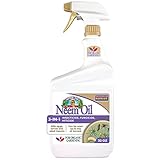
- Protect your oasis with 3 garden products in 1 from Captain Jack’s; Bonide Captain Jack’s Ready-to-Use Neem Oil spray for plants is a multi-purpose fungicide, insecticide and miticide for your lawn & garden
- Clarified Hydrophobic Extract of Neem Oil protects your garden from common fungal diseases including rust, powdery mildew and more; apply to house plants, roses, trees, shrubs, fruits, nuts & vegetables for effective protection against garden diseases
- Captain Jack’s Neem Oil kills eggs, larvae and adult stages of insects to provide full range protection against pests and insects; this is effective against spider mites, aphids, whiteflies & more
- Approved for organic gardening, Neem Oil spray is suitable for the production of organic produce and can be used up until the day of harvest
- This product arrives conveniently ready-to-use in a trigger spray bottle; to use, shake well and completely cover affected plants. Reapply as needed every 7-14 days. Please see product label for full instructions
How to recognize each animal
What a vole looks like
- A small, stocky, mouse-like body.
- A blunt nose, visible eyes, and small ears.
- A short tail.
Vole species and appearance vary. In many yards, damage is easier to identify than the animal itself.
What a mole looks like
- A cylindrical body with a pointed snout.
- Tiny eyes and no obvious external ears.
- Large forefeet adapted for digging.
Moles are rarely seen aboveground, so homeowners often identify their activity from ridges and mounds. Never handle a wild animal barehanded.
The biggest difference is what they eat
Voles feed on plants. They may eat grass, seeds, leaves, stems, roots, bulbs, and other vegetation. Gnawing or girdling on bark near the base of a tree or shrub is a clue to investigate vole activity.
Moles primarily feed on animals living in the soil. Earthworms, grubs, and other soil invertebrates are among their prey. Their tunnels can still disrupt roots or turf, but that is different from an animal chewing and consuming the plant.
Voles may use active or abandoned mole tunnels as protected travel routes. A yard can therefore have a mole’s raised tunnel and a vole’s plant damage at the same time. A mole trap will not address vole feeding.
Rank #2
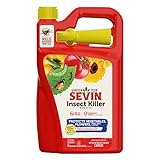
- Plant insecticide to protect your roses and edibles from listed damaging pests
- This insecticide sprayer won't harm plants or blooms
- Kills on contact - This plant bug spray kills over 700 listed insects
- This garden insect spray also kills ants, Japanese beetles, whiteflies, aphids and many more pests
- Simply shake and spray this highly effective plant bug killer
How their tunnels and yard signs differ
Mole tunnels: raised ridges and mounds
Moles push soil upward as they make shallow underground tunnels, creating raised ridges. They may also leave mounds of excavated earth. A visible ridge does not by itself show how many moles are present or whether a particular tunnel is active.
Vole runways: clipped grass and surface paths
Voles often make narrow surface runways through grass. Look nearby for clipped vegetation, gnawed plants, or other feeding signs. Runways may be especially noticeable after snow melts in colder areas.
Some voles spend more time underground and may not leave obvious surface paths. Root or bark injury without a visible runway can still warrant checking for vole activity.
What damage does each animal cause?
Signs that point to voles
- Narrow surface paths through grass or vegetation.
- Clipped grass or other plant material.
- Gnawed roots, bulbs, or stems.
- Bark damage near the base of trees or shrubs, including girdling.
Damage to bark can threaten a plant. Inspect vulnerable trees and shrubs even if you have not seen a vole.
Signs that point to moles
- Raised ridges from underground tunnels.
- Mounds of excavated soil.
- Displaced or disturbed turf and roots near tunnels.
- Little evidence of chewing or clipped vegetation.
Mole activity may be seasonal and can stop without intervention. If the damage is limited, repair the turf and monitor before deciding whether removal is necessary.
Rank #3

- KILLS LISTED INSECTS THROUGH CONTACT: Spinosad-based formula controls aphids, caterpillars, mealybugs, spider mites, thrips, and 30 listed pests on edible and ornamental plants
- CURATIVE POWDERY MILDEW CONTROL: Apply at first signs of powdery mildew and repeat every 7–10 days for curative protection on vegetables, fruits, and ornamentals
- OMRI LISTED FOR ORGANIC GARDENING: Listed by the Organic Materials Review Institute, making this spray suitable for use in certified organic home gardens
- BROAD USE-SITE COVERAGE: Labeled for vegetables, fruit and nut trees, citrus, berries, herbs, lawns, outdoor ornamentals, and non-commercial greenhouses
- READY-TO-USE CONVENIENCE: Shake, spray all plant surfaces including leaf undersides to wetting – no mixing needed for fast, thorough coverage of listed pests
A quick identification checklist
- Inspect the soil. Raised ridges or fresh mounds are more consistent with moles. Surface paths through grass are more consistent with voles.
- Inspect the plants. Look for clipped vegetation and gnawing on roots or bark, which point toward vole feeding. Disturbed roots beside a ridge may result from mole tunneling.
- Look at the whole pattern. A tunnel alone is not enough for a diagnosis; voles can use mole tunnels. Match the tunnel with feeding evidence and nearby plant condition.
- Check regional possibilities. Species and common burrowers vary by region. Consult your local Extension service if the signs are unclear before choosing a control method.
Could another animal be responsible?
Other animals can also disturb lawns or make burrows. If the soil pattern does not fit a mole ridge or vole runway, compare local signs with guidance from your state Extension service before setting traps or using bait.
What to do if it is a mole
First decide whether removal is necessary
If the ridges are limited and do not threaten plants or interfere with lawn use, repair the turf and monitor. Moles consume soil invertebrates and can aerate soil; activity may stop without intervention.
Do these 3 things before closing this tab:
1Scan for outdated or missing drivers - takes under a minute2Clear out junk files and repair common Windows errors3Fix the driver behind crashes, sound loss and screen glitchesHow to confirm an active tunnel
If control is warranted, Extension guidance supports trapping in active tunnels. Do not place a trap based only on the largest mound.
- Find a recently made shallow tunnel.
- Flatten a section of the tunnel.
- Check it the next day.
- If the soil has been raised again, treat that section as active.
- Use an appropriate mole trap in an active tunnel, following its instructions and local rules.
Why common mole fixes disappoint
- Trapping an inactive tunnel: a trap is unlikely to help if the mole is no longer using that section.
- Trapping a mound: a mound alone does not identify an active travel route.
- Treating only grubs: moles also eat earthworms and other soil invertebrates, so grub control alone will not eliminate them.
- Relying on repellents: do not treat devices or scent products as guaranteed solutions.
What to do if it is a vole
Address plant damage and nearby cover
Focus on the vegetation and conditions around the damage. Keep grass and weeds managed, clear dense cover and yard debris near vulnerable plants, and remove accessible food sources where practical. These steps target shelter and feeding conditions; they do not guarantee that voles will leave.
Protect trees and shrubs
Protect vulnerable trunks and stems with suitable guards, installed so they do not constrict the growing plant. Check them periodically and keep dense vegetation away from the base.
Rank #4

- LAB PROVEN TO KILL & REPEL BUGS. Plant powered pest protection with natural essential oils that works. This pest repellent spray is proven to protect your pets and family from mosquitoes, ants, ticks, fleas, and other common yard bugs. Meets the same effectiveness standards required for conventional flea and tick yard treatment and preventatives. An alternative to conventional pesticide sprays, baits, ant granules, zappers or foggers.
- SPRAY & PLAY CONVENIENCE! NO DRY TIME NEEDED. Safe around pets and the whole family when used as directed with no wait time for drying or reentry into sprayed yard areas. Pre mixed and ready to use. Just attach directly to a garden hose, spray your backyard, and enjoy. Keep the bottle & refill the sprayer with Wondercide Outdoor Pest Control concentrate.
- TREATS UP TO 5,000 SQUARE FEET. Treats up to 5,000 square feet to kill mosquitoes, ants, gnats, fleas, Japanese beetles, no-see-ums, and crickets. Treats up to 2,500 square feet to kill and repel ticks and repel mosquitoes. When used as directed, this bug control spray can be safely used on lawns, gardens, grass, patios, dog kennels, vegetables, flowers, siding, brick, paint, and more. Treat an existing pest infestation or use for prevention.
- PLANT POWERED INGREDIENTS YOU CAN FEEL GOOD ABOUT. No artificial colors, dyes, or fragrances. Made with plant based active ingredients like steam-distilled cedarwood essential oil. The residue is safe beneficial insects and pollinators like bees and butterflies when used as directed. Cruelty free.
- POWERFULLY EFFECTIVE. We know you will love our Outdoor Pest Control Spray, especially for flea, tick, and mosquito removal. Woman founded. Mom approved. USA Made with US and global components. Application coverage depends on water pressure and walking speed.
Use traps only for a localized problem
Purdue Extension describes mouse snap traps for small vole populations. Place traps along active vole runways or near burrow entrances, and cover them so children, pets, and other wildlife cannot reach them. Follow local Extension guidance for the species and damage involved. A mole trap is not a solution for vole feeding.
Quick wins for a faster PC:
Fix the driver behind crashes, sound loss and screen glitchesFind Drivers →Repair Windows errors before they cause bigger problemsFix Now →Scan for outdated or missing drivers - takes under a minuteDriver Scan →Be cautious with outdoor bait
Do not assume that a product labeled for rats or mice is automatically labeled for voles or for a particular site. Use pesticides only according to the current product label and local rules. Outdoor rodenticide can expose pets and wildlife; seek professional advice if the damage is substantial or the correct legal option is unclear.
Independent reader supportYour contribution helps us test, update, and keep practical guides available for everyone.Repairing the lawn after tunneling or runways
- Flatten raised mole ridges and restore the soil surface.
- Rake away loose or damaged grass.
- Repair bare areas with suitable seed or sod.
- Check nearby plants for root disturbance or vole feeding.
- Do not assume brown turf means grubs; consider other causes before treating.
When plants are not at risk and damage is limited, repair and monitoring may be more proportionate than trying to remove every animal.
Choosing a response: a practical decision guide
| Situation | Best first choice | Reason |
|---|---|---|
| A few mole ridges and no important plant loss | Repair and monitor | Activity may stop without intervention. |
| Persistent mole ridges that interfere with lawn use | Confirm an active tunnel; consider an appropriate mole trap | Trapping should target active runs, not an unverified mound. |
| Vole runways with limited plant damage | Address nearby cover and repair turf | This focuses on the vole signs and conditions around them. |
| Voles damaging trees, shrubs, or other valuable plants | Protect the plants and consult local Extension guidance | Plant protection addresses the feeding damage. |
| Unclear signs | Identify the animal before treatment | Different animals require different responses. |
| Children, pets, or wildlife use the area | Favor repair, exclusion, or professional advice | These choices can reduce exposure to traps and poison. |
Safety and wildlife-law cautions
Use care when handling traps, captured animals, or contaminated material. Follow public-health guidance for cleaning rodent droppings or carcasses, and check local rules before attempting live trapping or relocation. Wildlife laws and permitted methods vary by location.
Neither moles nor voles are universally harmful. Manage them when damage threatens valuable plants or makes the yard difficult to use, and choose a response that matches the animal and the scale of the problem.
Best Value

- 3-in-1 FORMULA: Aphid spray for outdoor plants for use on roses, flowers, shrubs and trees to control listed insects, disease and mites
- DISEASE CONTROL: Plant fungicide controls Black Spot, Powdery Mildew, and other listed diseases
- INSECT KILLER: Insect spray kills Aphids, Spider Mites, adult Japanese Beetles, Caterpillars, and other listed pests
- RAINPROOF PROTECTION: Fungicide for plants offers rainproof protection lasting up to 14 days
- COVERAGE AREA: Treats up to 192 roses with outdoor bug spray
FAQ
Do moles eat plant roots?
Moles primarily eat earthworms, grubs, and other soil invertebrates. Their tunnels can disturb roots, but visible chewing is a reason to investigate voles or another plant-feeding animal.
Do voles make molehills?
Mounds of excavated soil and raised ridges are more consistent with mole activity. Voles are better known for surface runways and plant-feeding signs.
Can voles use mole tunnels?
Yes. Voles can use mole tunnels as protected routes, so a raised ridge and nearby plant damage may have different causes.
Will killing grubs get rid of moles?
Not reliably. Moles also eat earthworms and other soil invertebrates, so grub control alone is not a general solution.
Recommended Free Tools
Should I trap a mole or repair the lawn?
If the damage is limited, repair and monitoring may be enough. If it persists and control is warranted, confirm an active tunnel before using an appropriate mole trap.
What should I do about vole damage?
Identify the plant injury, reduce nearby cover where practical, and protect vulnerable plants. For a small, localized problem, consult local Extension guidance about covered snap traps.
The Bottom Line
Raised ridges and mounds usually point to moles; surface runways, clipped vegetation, and gnawed plants usually point to voles. The animals can share a yard, and voles can use mole tunnels, so identify feeding evidence as well as the tunnel. Repair limited damage, protect plants from vole feeding, and confirm an active tunnel before considering mole trapping.
Quick Recap
Product prices and availability are accurate as of the date/time indicated and are subject to change. Any price and availability information displayed on Amazon at the time of purchase will apply.




