Cat drooling is a symptom, not a diagnosis: dental or mouth disease, possible poisoning, and heatstroke are important causes to consider. New, persistent, or heavy drooling warrants veterinary advice, and suspected poisoning or heatstroke needs immediate attention.
Drooling alone cannot identify the cause. Notice what happened before it began and whether your cat has trouble eating, possible access to a toxin, or signs of overheating; a veterinarian can assess what is wrong.
Possible reasons your cat is drooling
The available veterinary guidance supports several important possibilities, but it does not establish six distinct causes or support treating stress or nausea as common standalone explanations. Use the clues below as a triage aid, not a diagnostic checklist.
| Possible reason | Clues to notice | What to do |
|---|---|---|
| Dental or mouth disease | Bad breath, reluctance to eat, or turning the head while eating | Arrange veterinary assessment; mouth pain can affect eating |
| Possible poisoning | Possible access to medication, insecticides, cleaners, rodenticides, antifreeze, or other chemicals; unsteady gait, heavy breathing, diarrhea, seizures, or sudden vomiting may also occur | Contact a veterinarian or emergency clinic immediately; do not induce vomiting unless instructed |
| Heatstroke | Drooling with excessive panting, weakness or collapse, vomiting, or diarrhea in hot conditions | Move your cat to a cool area, gently wet the fur with cool—not very cold—water, and contact a veterinarian immediately |
| Other or unclear cause | Drooling without an obvious trigger, or with other changes in eating or behavior | Seek veterinary advice rather than assuming it is stress or harmless |
Could dental disease be causing the drooling?
Dental disease can be painful and may occur with drooling, bad breath, or reluctance to eat. Cornell Feline Health Center describes gingivitis, periodontitis, and tooth resorption as common feline dental diseases. A cat may turn its head while eating or stop eating; Cornell notes that dental disease can lead to a cat stopping eating and developing further health problems.
The Tool Desk
Outbyte PC Repair FREERepair Windows errors before they cause bigger problemsFix Now →Outbyte Driver Updater FREEScan for outdated or missing drivers - takes under a minuteDriver Scan →#1 Best Overall

- FRESH PET BREATH – Finally say good-bye to dog and cat bad breath with our fast-acting pet bad breath treatment for dogs and cats. It’s the best, quick & easy cat & dog breath freshener.
- CLEAN TEETH AND GUMS – The easiest way to clean your pet's teeth! Our veterinarian recommended cat and dog oral care water additive helps fight plaque and tartar for healthy teeth and gums.
- SKIP THE BRUSHING – That’s right, no more wrestling with pet toothpaste and toothbrushes; just add a capful of our cat and dog dental care liquid to their water bowl each day – it’s that easy!
- PICKY PET APPROVED – We don't mask with mint or tea tree that can be harmful to dogs and cats. Our Pet Dental Water Additive is odorless and tasteless, so they don't even know it's there.
- IT WORKS – Trusted by pet parents, our cat and dog dental water additive is made in the U.S.A. with only the highest quality ingredients, and is a pet bad breath eliminator that actually works.
Cornell reports that 50–90% of cats older than four years have some form of dental disease and that 30–70% show signs of tooth resorption. These are figures reported on Cornell University College of Veterinary Medicine’s dental-disease page; they should not be read as newly calculated prevalence figures.
A veterinarian should examine a cat with drooling and possible mouth pain. Cornell recommends regular plaque removal with brushing and toothpaste or tooth gel made for cats. Human toothpaste can be toxic to cats, and brushing can hurt when a cat has severe gingivitis; consult a veterinarian before brushing if disease or pain is suspected.
Rank #2

- HELPS SUPPORT PLAQUE AND TARTAR CONTROL – Help target plaque and odor-causing buildup with our advanced pet dental water additive, featuring our specialized formula that promotes easier daily oral hygiene
- EFFORTLESS DAILY ROUTINE – Save time and energy with this alternative to tooth brushing kits. Just add to their water and measure using the built-in measuring cap
- TASTES JUST LIKE PLAIN WATER – Help keep your pets hydrated with a completely flavorless and scent-free dog and cat dental water additive. Free from sugar and artificial flavors
- VET-RECOMMENDED FOR CATS AND DOGS – Share this daily water additive across your entire house. It is specially formulated to effortlessly support the general dental care of both cats and dogs
- TRUSTED USA QUALITY SINCE 1999 – Get the same reliable dog and cat dental care formula manufactured locally in the US, trusted by pet parents nationwide for their pets' daily maintenance
Read Cornell’s guidance on feline dental disease.
Could your cat have been poisoned?
Drooling can be a sign of poisoning. Possible household hazards include human medications, insecticides, rodenticides, cleaners, antifreeze, and other chemicals. Other possible signs include unsteady gait, heavy breathing, diarrhea, seizures, and sudden vomiting, but do not wait for additional signs if you suspect exposure.
Quick wins for a faster PC:
Scan for outdated or missing drivers - takes under a minuteDriver Scan →Clear out junk files and repair common Windows errorsFree Scan →Fix the driver behind crashes, sound loss and screen glitchesFind Drivers →Rank #3

- Helps maintain and promote good dental hygiene
- Scientifically formulated to reduce tartar
- For dogs and cats
- Contact your veterinarian or an emergency clinic immediately.
- Share the product label and details about what your cat may have contacted or swallowed.
- Do not induce vomiting unless a veterinary professional specifically instructs you to do so.
The Cornell Feline Health Center’s poisoning guidance explains what to do when poisoning is suspected. ASPCA Poison Control lists its hotline as available 24/7, 365 days a year, and notes that a consultation fee may apply; verify current contact details and fees on its Poison Control page.
Could heatstroke be the cause?
In hot conditions, drooling together with excessive panting, weakness or collapse, vomiting, or diarrhea can signal heatstroke. Cornell Feline Health Center advises moving the cat to a cool area, gently wetting the fur with cool—not very cold—water, and contacting a veterinarian immediately. Heatstroke can become life-threatening quickly.
Rank #4

- FRESH PET BREATH – Finally say good-bye to dog and cat bad breath with our fast-acting pet bad breath treatment for dogs and cats. It’s the best, quick & easy cat & dog breath freshener.
- CLEAN TEETH AND GUMS – The easiest way to clean your pet's teeth! Our veterinarian recommended cat and dog oral care water additive helps fight plaque and tartar for healthy teeth and gums.
- SKIP THE BRUSHING – That’s right, no more wrestling with pet toothpaste and toothbrushes; just add a capful of our cat and dog dental care liquid to their water bowl each day – it’s that easy!
- PICKY PET APPROVED – We don't mask with mint or tea tree that can be harmful to dogs and cats. Our Pet Dental Water Additive is odorless and tasteless, so they don't even know it's there.
- IT WORKS – If you've tried everything else, you might as well try something that works! Trusted by pet parents, our cat and dog dental water additive is made in the U.S.A. with only the highest quality ingredients, and is a pet bad breath eliminator that actually works.
See Cornell’s feline heat-safety guidance.
Independent reader supportYour contribution helps us test, update, and keep practical guides available for everyone.When is drooling an emergency?
Seek immediate veterinary care for suspected poisoning, difficulty breathing, collapse or marked weakness, seizures, or severe distress. Drooling in hot conditions with panting, weakness, vomiting, or diarrhea also requires immediate veterinary contact. ASPCA emergency-care guidance and VCA emergency guidance for cats identify serious signs that need urgent attention.
New or persistent drooling, especially with bad breath or reluctance to eat, should be discussed with a veterinarian even when no emergency signs are present.
Recommended Free Tools
Best Value
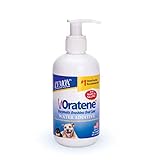
- Helps freshen bad breath, clean teeth & remove plaque without brushing; for use in both dogs & cats
- Simply add our flavorless solution to your dog or cat's drinking water for painless dental care
- Supports pets with dry mouth indicated by a cracked tongue, plaque, inflamed gums or food aversions
- 100% safe, gentle additive for daily ingestion works to support healthy oral hygiene in your pet
- Good oral care for dogs & cats may help reduce the risk of serious future health complications
What should you do while arranging veterinary advice?
- Consider possible exposure. Note any access to medication, chemicals, insecticides, rodenticides, antifreeze, or other hazards.
- Check for heat-related signs. If your cat is in hot conditions and drooling with panting, weakness, vomiting, or diarrhea, move it to a cool area, gently wet the fur with cool—not very cold—water, and contact a veterinarian immediately.
- Do not induce vomiting. Do so only if a veterinary professional specifically directs you.
- Save useful details. Keep the product label or write down what your cat may have contacted or swallowed.
- Describe the symptoms. Note when drooling began and whether your cat is eating normally, panting, weak, vomiting, or showing other changes.
Frequently Asked Questions
Can dental disease make a cat drool?
Yes. Dental or mouth disease can be painful and may occur with drooling, bad breath, or reluctance to eat. A veterinarian can examine the mouth and advise on treatment and preventive care.
What should I do if I think my cat was poisoned?
Contact a veterinarian or emergency clinic immediately and share the product label or exposure details. Do not induce vomiting unless a veterinary professional specifically instructs you to.
Can drooling be a sign of heatstroke in cats?
Yes. In hot conditions, drooling with excessive panting, weakness or collapse, vomiting, or diarrhea can signal heatstroke. Move your cat to a cool area, gently wet its fur with cool—not very cold—water, and contact a veterinarian immediately.
Does drooling by itself tell me what is wrong?
No. Drooling has multiple possible explanations, and its appearance alone does not identify the cause. A veterinarian should assess new, persistent, or heavy drooling, particularly when other symptoms are present.
Do these 3 things before closing this tab:
1Fix the driver behind crashes, sound loss and screen glitches2Clear out junk files and repair common Windows errors3Scan for outdated or missing drivers - takes under a minuteQuick Recap
Product prices and availability are accurate as of the date/time indicated and are subject to change. Any price and availability information displayed on Amazon at the time of purchase will apply.




