Do these 3 things before closing this tab:
1Fix the driver behind crashes, sound loss and screen glitches2Clear out junk files and repair common Windows errors3Scan for outdated or missing drivers - takes under a minuteCat-scratch disease (CSD), also called cat-scratch fever, is an infection caused by Bartonella henselae. It can cause a bump or pustule where the bacteria entered and tender, swollen lymph nodes, often appearing one to three weeks after cat exposure. Most cases resolve without antibiotics, but people with weakened immune systems and those with severe or disseminated disease need medical care.
Wash a cat bite or scratch promptly with soap and water. Contact a healthcare professional for a fever, a pustule at the scratch site, or tender enlarged lymph nodes after cat exposure; also seek advice for a serious or worsening wound, a sick cat, uncertain rabies vaccination status, or a tetanus shot more than five years ago. (Centers for Disease Control and Prevention, 2026; MedlinePlus, 2024.)
What is cat-scratch fever?
“Cat-scratch fever” is the common name for cat-scratch disease, a zoonotic infection caused by Bartonella henselae. The name can be misleading: it is not simply a fever after every cat scratch, and most cat scratches do not cause CSD.
CSD is also different from:
- A routine wound infection: bacteria introduced into a bite or scratch can cause worsening redness, warmth, swelling, pain, or drainage.
- Tetanus: a separate infection risk associated with certain wounds and vaccination history.
- Rabies: a rare but life-threatening viral disease requiring urgent risk assessment after some exposures.
Swollen lymph nodes after contact with a cat do not prove CSD. A healthcare professional can consider the exposure, symptoms, immune status, and other possible causes.
#1 Best Overall

- FIRST AID ANTIBIOTIC + PAIN RELIEF CREAM: Globe First Aid Cream with Pain Relief provides a maximum strength topical solution for minor cuts, burns, and scrapes. This powerful first aid cream protect against infections and soothe painful wounds for up to 24 hours.
- ACTIVE INGREDIENTS FOR INFECTION CARE: Formulated with Neomycin, Polymyxin B, and Pramoxine HCl, this first aid antibiotic cream offers strong, fast relief. It provides powerful protection against skin infections while offering pain relief, making it an essential addition to any first aid or medical kit for emergency care.
- TRAVEL-SIZE CONVENIENCE: Globe First Aid Antibiotic Cream comes in a portable, travel-size tube, perfect for on-the-go use. Keep it in your first aid cabinet, travel bag, car, or camping gear. Its compact size makes it ideal for quick first aid therapy wherever you are—home, work, or outdoors.
- MAXIMUM STRENGTH PROTECTION: This First Aid antibiotic and pain relief cream is designed to offer maximum strength protection for wounds, burns, and scrapes. It helps clean, protect, and soothe injured skin while providing lasting relief from pain and irritation.
- PHARMACEUTICAL-GRADE QUALITY: Manufactured to the highest pharmaceutical standards, Globe Triple Antibiotic Cream + Pain Relief ensures reliable infection protection. Each tube is formulated for safe use, and is packaged with an NDC code for added confidence in its medical-grade care.
How people get cat-scratch disease
Cats can carry B. henselae without looking sick. Scratches from domestic or feral cats—especially kittens—are the usual exposure. A scratch can transmit the bacteria when contaminated with infected flea feces. Infected cat bites and a cat licking an open wound can also spread it. CDC notes that direct transmission to people from a cat flea bite is possible but has not been proven. (CDC, 2026.)
Direct person-to-person spread is not expected. CSD can affect people of any age, though it is more common among children younger than 15. (CDC, 2026.)
Cat-scratch disease signs and timeline
Symptoms vary, and not everyone has every feature. The symptoms alone do not establish a diagnosis.
1. A bump or pustule at the injury site
A papule or pustule may form where the bacteria entered. It can be easy to mistake for an ordinary insect bite or minor skin irritation. A visible lesion is not always present or noticed.
Quick wins for a faster PC:
Clear out junk files and repair common Windows errorsFree Scan →Fix the driver behind crashes, sound loss and screen glitchesFind Drivers →2. Swollen, tender lymph nodes
Tender, enlarged lymph nodes may develop one to three weeks after exposure. (CDC, 2026.) The nodes are often near the area of the scratch: an injury on the hand or arm may be followed by swollen nodes in the armpit, while a leg injury may be associated with groin nodes.
Rank #2
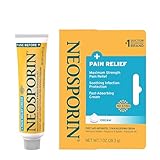
- Antibiotic cream: Neomycin sulfate and polymyxin B sulfate deliver dual antibiotic action with up to 24-hour protection in a first-aid cream, helping prevent infection from minor cuts, scrapes, and burns when used as directed
- Pain relief analgesic: Pramoxine HCl provides maximum-strength pain relief as an external analgesic in a non-greasy, stain-free, no-sting formula that soothes discomfort from minor scrapes, burns, and cuts
- First-aid cream convenience: Includes one 1 oz tube (sold individually) for easy portability in backpacks, purses, and travel kits; apply one to three times daily after cleansing the affected area for straightforward, on-the-go wound care
- Sting-free formula: Fragrance-free, Neosporin + Pain Relief Dual Action Antibiotic Cream applies to skin easily, absorbs quickly without residue, and won't stain fabrics, supporting comfortable daily wound care for minor cuts, scrapes, and burns
- Complete wound care: Dual-action antibiotic cream and external analgesic help prevent infection for 24-hour protection and soothe pain in minor wounds; pair with a BAND-AID Brand sterile bandage after application for best results in first-aid kits
3. General symptoms
Some people develop:
- Low-grade fever
- Fatigue or feeling unwell
- Headache
- Reduced appetite
A scratch history helps a clinician assess the pattern, but a visible scratch is not required for CSD to be considered.
When cat-scratch disease can be serious
Most infections remain uncomplicated and resolve without antibiotics. Rarely, infection can affect the eyes, liver, spleen, brain, bones, or heart valves. Severe infections occur primarily in some people with weakened immune systems, including people with advanced HIV. (CDC, 2026.)
Seek prompt medical care for concerning symptoms
Get medical evaluation for new vision problems, neurologic symptoms, significant or persistent abdominal symptoms, prolonged fever, or rapidly worsening illness. Seek advice promptly if you have a weakened immune system and develop symptoms after cat exposure. These symptoms can have causes other than CSD, but warrant professional assessment.
PC Slower Than It Used to Be?
A free scan shows the junk files, broken settings and background clutter dragging Windows down - then fixes them in one click.Free scan · Windows 10 & 11Outdated Drivers Are Slowing You Down
One free scan finds every outdated or missing driver and matches the right update for your exact hardware.Free scan · exact hardware matchWhat to do immediately after a cat scratch or bite
- Wash the injury promptly. Use soap and running water, even if the injury looks small.
- Control minor bleeding. Apply gentle pressure with clean gauze or a clean cloth if needed.
- Watch for wound problems. Seek medical attention if the wound is serious or becomes red, painful, warm, or swollen. (CDC, 2026.)
- Check tetanus status. Contact a healthcare professional if it has been more than five years since your last tetanus shot after a cat bite or scratch. (CDC, 2026.)
- Assess rabies risk. Seek advice if the cat appears sick or its rabies vaccination status is unknown. (CDC, 2026.)
Soap and water are immediate wound care. They do not treat established cat-scratch disease. Cat bites deserve particular attention; get medical advice for a serious or worsening bite.
How doctors diagnose cat-scratch disease
A typical case can often be diagnosed from cat exposure and compatible symptoms. Laboratory testing is generally unnecessary in typical cases, but may help when illness is severe or atypical. (CDC, 2026.)
Rank #3
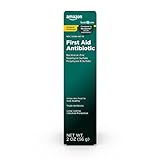
- ACTIVE INGREDIENTS: This Amazon Basic Care triple antibiotic ointment contains bacitracin from bacitracin zinc, neomycin sulfate and polymyxin B sulfate, which are first aid antibiotics and compare to the active ingredients in Neosporin
- LONG-LASTING INFECTION PROTECTION: Amazon Basic Care First Aid Antibiotic Ointment provides long-lasting, 24-hour infection protection for minor wounds
- HEALING CARE: Enhanced with vitamin E and cocoa butter to promote healing, resulting in healthy looking skin
- ORIGINAL STRENGTH: Triple antibiotic ointment helps to prevent infection in minor cuts, scrapes and burns
- HOW TO TREAT MINOR CUTS, SCRAPES AND BURNS: Clean the affected area and apply a small amount of Amazon Basic Care First Aid Triple Antibiotic Ointment on the area 1 to 3 times daily; may be covered with a sterile bandage
Blood antibody testing
Serology can support a diagnosis, but antibodies may cross-react with other Bartonella species and remain positive for years after treatment. A positive result does not necessarily prove that active CSD is causing current symptoms. (CDC, 2026.)
Other tests and lymph-node aspiration
A clinician may select additional tests when the presentation is severe or atypical. Lymph-node aspiration is generally not recommended except to relieve severe pain and swelling or when the diagnosis is unclear. Never attempt to puncture or drain a swollen lymph node at home. (CDC, 2026.)
Cat-scratch fever treatment
Uncomplicated illness
Most CSD cases resolve without antibiotic treatment. For an otherwise healthy person, treatment can depend on severity and clinician and patient preference. (CDC, 2026.)
In a small study, a short course of azithromycin reduced lymph-node volume more quickly, but overall health outcomes did not differ between treated and untreated patients. This is not a recommendation to self-treat. Do not use leftover antibiotics; a healthcare professional should decide whether treatment is appropriate.
Severe, disseminated, or immunocompromised disease
Antibiotics are required for immunocompromised patients. Severe or disseminated disease—including some eye, liver, or heart-valve presentations—may require longer treatment and more than one antibiotic, under clinician and sometimes specialist guidance. (CDC, 2026.)
Rank #4

- FIRST AID ANTIBIOTIC + PAIN RELIEF CREAM: Globe First Aid Antibiotic + Pain Relief Cream in a convenient sealed tube for high powered first aid wound care for minor cuts, scrapes, and burns.
- INGREDIENTS: Globe First Aid Antibiotic + Pain Relief Cream contains the same active antibiotic ingredients as the leading First Aid Antibiotic Plus Pain Relief Name Brand: Neomycin Sulfate, Polymyxin B Sulfate, and Pramoxine precisely formulated in a Ointment base to provide powerful 24-hour Infection Protection and Pain Relief.
- EASY TO TAKE WITH YOU: Keep Globe First Aid Antibiotic + Pain Relief Cream in your medicine closet, car, camping bag, purse, kitchen drawer, kid's backpack, and even your travel carry-on luggage. The convenience of the tube size can go with you anywhere.
- QUALITY: Manufactured in accordance with the highest pharmaceutical manufacturing processes and contains a NDC for 100% confidence. Trifecta Pharmaceuticals USA is located in Fort Lauderdale, Florida. All Globe Health Products are Manufactured at US Audited Facilities.
How long does cat-scratch disease last?
Most cases resolve without antibiotics, though recovery can take time. Follow a healthcare professional’s advice if symptoms persist or worsen, or if the illness seems severe or atypical.
The Tool Desk
Outbyte Driver Updater FREEFix the driver behind crashes, sound loss and screen glitchesFind Drivers →Outbyte PC Repair FREERepair Windows errors before they cause bigger problemsFix Now →Preventing cat-scratch disease
- Avoid rough play that encourages scratches or bites, especially with kittens.
- Wash your hands after handling cats and clean scratches with soap and water.
- Do not allow a cat to lick an open wound.
- Keep cats indoors and away from stray cats where practical.
- Ask a veterinarian about flea prevention. Never use permethrin-containing products on cats. (CDC, 2026.)
- Do not declaw a cat as a CSD-prevention strategy.
People with weakened immune systems do not necessarily need to give up cat ownership. CDC advises keeping cats indoors and avoiding adopting cats younger than one year. Ask a healthcare professional and veterinarian for individualized advice. Healthy cats generally should not be tested or treated for B. henselae; a cat that appears ill should be evaluated by a veterinarian. (CDC, 2026.)
Independent reader supportYour contribution helps us test, update, and keep practical guides available for everyone.Cat-scratch disease versus an infected scratch
| Feature | Cat-scratch disease | Wound infection |
|---|---|---|
| Typical pattern | A bump or pustule may form; tender nearby lymph nodes may develop one to three weeks after exposure. | The wound becomes red, painful, warm, or swollen. |
| Cause | Bartonella henselae, usually transmitted through a scratch contaminated with flea feces, a bite, or a lick on open skin. | Other bacteria introduced into the wound may be responsible. |
| Next step | Contact a healthcare professional for compatible symptoms; treatment depends on the case. | Seek medical attention if the wound is serious or becomes red, painful, warm, or swollen. |
The two conditions can overlap. Do not dismiss a serious or worsening wound as cat-scratch disease.
When to call a healthcare professional
CDC advises contacting a healthcare provider for fever, tender enlarged lymph nodes one to three weeks after cat exposure, or a pustule at the scratch site. Seek medical attention for a serious or worsening wound, a sick cat, uncertain rabies vaccination status, or a tetanus shot more than five years ago. (CDC, 2026.)
FAQ
Can you get cat-scratch disease without seeing a scratch?
Yes. A mark may be tiny or unnoticed. A clinician can consider CSD based on cat exposure and compatible symptoms, including nearby swollen lymph nodes.
Free tools Windows power users keep installed
One-click scans. No signup required.
Best Value

- .5 ounces of Neosporin Original First Aid Triple Antibiotic Ointment, by the #1 doctor recommended brand, has an effective germ killing formula and provides no-sting, long-lasting infection protection and wound care treatment for minor wounds
- Wound care ointment is formulated with the triple antibiotic combination of infection-protection ingredients bacitracin zinc, neomycin sulfate, and polymyxin B sulfate to provide 24-hour infection protection for minor cuts, scrapes, and burns
- Antibiotic ointment contains unique HeliDerm Technology, which provides a nourishing environment that helps support the skin’s natural healing process for minor wounds over 24 hours, resulting in healthier looking skin after use and less visible scars
- First aid essential in a compact and portable .5-ounce tube, suitable for wound care supplies and first aid kits for home, on-the-go, cars, travel, camping, and outdoors, offering reliable infection protection for treatment of minor wounds
- To use, clean affected area with a BAND-AID Brand Antiseptic Spray and treat affected area with a small amount of the topical antibiotic ointment one to three times daily. Cover with a BAND-AID Brand Adhesive Bandage for extra protection
Do all cat scratches cause cat-scratch disease?
No. Most cat scratches do not cause CSD. Transmission is associated with B. henselae, including bacteria transferred when a scratch is contaminated with flea feces.
Does cat-scratch disease always need antibiotics?
No. Most cases resolve without antibiotics. CDC says antibiotics are required for immunocompromised patients; a clinician determines care for other cases.
Can I treat cat-scratch disease by cleaning the wound?
Wash a fresh scratch or bite with soap and water, but this is immediate wound care, not treatment for established CSD. Contact a healthcare professional for fever, a pustule, or tender enlarged lymph nodes.
Should I test or treat my healthy cat for Bartonella?
Routine testing or treatment of a healthy cat is not recommended solely because a person is concerned about CSD. Ask a veterinarian about flea prevention and seek veterinary care if the cat appears ill.
What’s actually slowing this PC down?
Pick the symptom - the matching free tool is one click away.
The Bottom Line
Cat-scratch disease can cause a bump or pustule and tender swollen lymph nodes, often one to three weeks after cat exposure. Most cases resolve without antibiotics, but symptoms and wound risks should be assessed by a healthcare professional. Wash bites and scratches promptly, and seek advice for fever, swollen nodes, a pustule, a serious or worsening wound, or risks involving tetanus, rabies, or weakened immunity.
Quick Recap
Product prices and availability are accurate as of the date/time indicated and are subject to change. Any price and availability information displayed on Amazon at the time of purchase will apply.




