Do these 3 things before closing this tab:
1Fix the driver behind crashes, sound loss and screen glitches2Repair Windows errors before they cause bigger problems3Scan for outdated or missing drivers - takes under a minuteNutria (Myocastor coypus) are large, semi-aquatic rodents native to South America that were brought to the United States for the fur trade in the late nineteenth century. They can damage wetlands, crops, banks, levees, roads, and landscaping by eating vegetation and burrowing. If you see one, keep people and pets away, document it from a safe distance, and contact the relevant wildlife authority before taking any control action.
Nutria are not river otters, muskrats, or North American beavers. Their orange-yellow front teeth and long, sparsely bristled tail are useful identification clues; never approach or handle an animal to check.
What is a nutria?
Nutria are herbivorous, semi-aquatic rodents. They spend much of their time in marshes, ponds, canals, streams, and other wet environments, but they can travel over land to reach food and shelter.
They are native to South America. Nutria were brought to the United States for fur in the late nineteenth century; escaped or released animals later established wild populations. Federal sources differ on the precise introduction or establishment date, so those stages should not be treated as one exact date.
Recommended Free Tools
#1 Best Overall
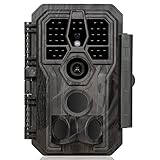
- 64MP Photos & 1296P HD Videos: Equipped with a high-quality optical lens and advanced image sensor, the E5S captures ultra-sharp 64MP photos and smooth 1296P HD videos.
- Low-Power, Eco-Friendly Wildlife Viewing: Simply retrieve the SD card to see what your camera has captured—each visit could bring a new surprise. Non-Cellular and Non-WiFi operation ensures minimal power use, fewer battery changes, and zero disturbances.
- Rugged & Weather-Resistant: Built to withstand harsh outdoor conditions with an IP66 waterproof rating. Features a 1/4"-20 mounting thread for secure placement on trees, posts, or fences. Ideal for use as a durable trail camera.
- Fast 0.1s Trigger Speed with 3 PIR Sensors: Never miss fast-moving deer wildlife. Three PIR sensors enable a lightning-fast 0.1s trigger speed motion activation, perfect for hunting purposes.
- Extended Power Options & Efficient Design: Powered by 8×AA batteries (not included). For continuous outdoor use, the E5S supports the GardePro SP350 Solar Panel (sold separately), ensuring reliable power even in remote areas.
The USDA Animal and Plant Health Inspection Service (APHIS) reported nutria established in 17 states on its page last modified November 17, 2025. This is a date-specific snapshot, not a permanent count. Distribution and local records can change; consult state wildlife sources or the USGS Nonindigenous Aquatic Species database for current local information.
How to identify a nutria
Nutria are large, stout rodents with short legs, coarse brown or reddish-brown fur, and a long tail. USDA APHIS identifies orange-yellow front teeth, a tail thinly covered with bristly hairs, and prominent white whiskers as useful clues. Size or a brief glimpse in water alone may not be enough to identify one reliably.
- Teeth: The front incisors are conspicuously orange-yellow.
- Tail: Long and rat-like, with sparse bristly hairs.
- Feet: The hind feet are webbed, helping the animal swim.
- Whiskers: Prominent white whiskers can be visible at close range; do not approach to inspect them.
- Body: Large and thick compared with a muskrat.
Nutria, beavers, muskrats, and river otters
| Animal | Most useful clue | Why it is confused with nutria |
|---|---|---|
| Nutria | Orange-yellow incisors and a long, sparsely bristled tail | Large body and aquatic behavior can resemble a beaver at a distance. |
| North American beaver | Broad, flat, paddle-shaped tail | Both animals swim, live around wetlands, and can damage banks and vegetation. |
| Muskrat | Generally much smaller, with a narrower tail | Both are wetland rodents and may leave signs near water. |
| River otter | Streamlined body and a furry, tapered tail rather than prominent rodent incisors | Both are strong swimmers and may be seen in the same waterways. |
A glimpse of an animal swimming is not always enough for a reliable identification. A clear photograph or trail-camera image can help, but damage and tracks are not diagnostic by themselves. Beavers, muskrats, rabbits, and other wildlife can produce similar signs.
Why nutria are invasive
An invasive species is a non-native organism that causes environmental, economic, or health-related harm. Nutria fit that description in the United States because their feeding and burrowing can damage wetlands, agriculture, waterways, infrastructure, and managed landscapes.
Nutria eat aquatic and wetland vegetation, including roots, rhizomes, tubers, and above-ground plant parts. Removing underground plant structures can kill whole plants rather than merely trimming leaves.
Wetland plants help hold soil in place. When nutria remove them, exposed soil becomes more vulnerable to erosion. Severe damage can convert vegetated marsh into open water, reducing habitat for wildlife and the wetland’s ability to protect shorelines and absorb water.
Rank #2

- 𝐍𝐎𝐓𝐄: 𝐢𝐭 𝐢𝐬 𝐍𝐎𝐓 𝐜𝐨𝐦𝐩𝐚𝐭𝐢𝐛𝐥𝐞 𝐰𝐢𝐭𝐡 𝐡𝐨𝐦𝐞 𝐖𝐢𝐅𝐢, 𝐝𝐨𝐞𝐬 𝐍𝐎𝐓 𝐬𝐮𝐩𝐩𝐨𝐫𝐭 𝐜𝐞𝐥𝐥𝐮𝐥𝐚𝐫/𝟒𝐆/𝟓𝐆 𝐧𝐞𝐭𝐰𝐨𝐫𝐤𝐬, and 𝐝𝐨𝐞𝐬 𝐍𝐎𝐓 capable of real-time motion alerts or push notifications. The camera creates its own short-range Wi-Fi hotspot (𝐍𝐨𝐧-𝐂𝐞𝐥𝐥𝐮𝐥𝐚𝐫) for setup, and downloading files only. Wi-Fi range is up to 33–50 ft in open areas. The camera records automatically even when your phone is not connected. No subscription or monthly fees
- Upgraded Split Solar Panel Design: This trail camera features a Allows flexible placement design. Its angle can be manually adjusted to efficiently face the sun, regardless of seasonal changes or terrain. This greatly improves charging efficiency and minimizes sunlight blockage, making it suitable for all kinds of outdoor environments (32GB SD card included (pre-installed). No extra charge)
- Non-Stop Solar Power: Equipped with a high-capacity 6000mAh rechargeable power, this trail camera supports three charging modes: solar charging, Type-C charging, and rechargeable power. It allows for long-term continuous use. No more wasting money or climbing. It is the truly energy saving, and long-lasting solution for 24/7 backyard, farm, and deep-woods surveillance
- Easy & Smart App Control : This wifi trail camera pairs instantly via WiFi + Bluetooth with the user friendly “TrailCamGO” app, with a maximum connection range of 55FT (recommended within 10FT). Photos and videos can be send directly to your phone without removing the SD card. (As the wireless trail camera creates its own hotspot to connect with the phone, it does not support home Wi-Fi networks.)
- 4K & 64MP Ultra-Clear Imaging: With a high-resolution sensor and excellent low-light performance, this solar trail camera minimizes image and video blur or noise, enabling quick wildlife recognition and capturing every detail clearly.Ideal for birdwatching, spotting wildlife, and keeping an eye on your garden/home
Nutria can reproduce repeatedly, with multiple litters per year reported by federal wildlife sources. Removing a few visible animals may not solve a local problem if others remain nearby.
Damage nutria can cause
Wetlands and shorelines
Nutria may clip plants above ground, uproot vegetation, or excavate feeding areas where they consume roots and tubers. Large feeding areas may look flattened or freshly disturbed. Over time, vegetation loss can widen channels, accelerate erosion, and turn marsh into open water.
The ecological consequences are not limited to plants. Vegetation provides shelter and feeding habitat for aquatic animals and birds. The Chesapeake Bay nutria program linked nutria-related marsh degradation with losses of habitat and associated fish, crab, oyster, and bird resources.
Banks, levees, canals, and roads
Nutria dig burrows and tunnels into stream banks, canals, irrigation structures, dikes, levees, reservoir dam foundations, roads, and buildings. APHIS says a burrow can extend up to 150 feet. That is a possible upper-end length, not a typical measurement.
Burrowing can hollow out a bank or embankment. Water may then enlarge the cavity, causing slumping, collapse, or erosion. Damage near a pond, drainage ditch, roadway, foundation, or levee deserves professional attention rather than casual filling of the visible opening.
Farms and gardens
Sugarcane and rice are the primary U.S. crops APHIS associates with nutria damage. The agency also lists other crops, including corn, milo, beets, alfalfa, wheat, barley, oats, peanuts, and melons. Risk depends on local conditions, crop availability, and whether nutria are established nearby.
What’s actually slowing this PC down?
Pick the symptom - the matching free tool is one click away.
Rank #3
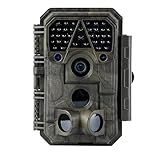
- Crystal-Clear 64MP Photos & 1296p HD Video – Stunning detail day or night, thanks to advanced image tech and a high-performance f/1.6 aperture lens.
- Lightning-Fast 0.1s Trigger Speed – Never miss a moment! Side sensors detect motion instantly, even for fast-moving wildlife, deer.
- Bright 100ft No-Glow Night Vision – Invisible 940nm LEDs and enhanced light capture deliver sharp nighttime footage without spooking animals.
- Smaller Files, Faster Playback – H.264 tech compresses videos (MP4/MOV) for quick downloads and seamless viewing on any device.
- 2.4" Color Display + User-Friendly Controls – Review footage on the spot with an intuitive menu and easy-access buttons.
On residential or managed properties, nutria may damage lawns, ornamental shrubs, fruit trees, shade trees, pond edges, and drainage banks. A wet lawn or pond margin with uprooted plants does not automatically indicate nutria; confirmation is important before control is considered.
Signs of nutria activity
Possible signs include:
- Uprooted or heavily clipped aquatic plants
- Flattened feeding areas near water
- Slides or worn entry paths leading into a pond, canal, or stream
- Tracks and droppings near shorelines
- Burrow entrances in banks, levees, ditches, or pond edges
- Freshly eroded or collapsed sections of a bank
- Nutria sightings on land or in water, especially where several signs occur together
None of these signs proves that nutria are responsible. Other wildlife can create overlapping evidence. Do not dig into a burrow, reach into an opening, or walk along an unstable bank to investigate it.
Are nutria dangerous to people or pets?
Nutria are wild animals and should not be approached or handled. A nutria sighting does not mean the animal is attacking people or that disease is present. APHIS describes nutria as reservoirs or vectors of diseases including tularemia, tuberculosis, and septicemia; it also notes that feces and urine can contain parasites that may contaminate water or swimming areas. The available sources do not quantify the chance of infection from an individual animal, and not every nutria is infected.
- Do not touch a live nutria, sick animal, or carcass with bare hands.
- Keep dogs and cats away from nutria, carcasses, droppings, burrows, and questionable water.
- Do not allow a pet to investigate or carry a dead animal.
- Do not wade into contaminated or heavily disturbed water to retrieve a toy or animal.
- Wash hands after accidental contact with wetland soil, water, or wildlife-related material.
For a specific wildlife or water exposure, seek local public-health guidance. If a person develops concerning symptoms after an exposure, contact a medical professional and explain what happened. If a dog or cat is bitten, scratched, mouths a carcass, or has another potentially significant exposure, contact a veterinarian.
What to do if you see a nutria
- Stay back. Do not corner, chase, feed, touch, or try to catch the animal. Avoid the water’s edge if the bank is eroded or unstable.
- Protect pets. Put dogs on a leash and bring cats indoors or away from the area. Do not let a pet swim near suspected nutria activity or investigate a carcass.
- Document it safely. From a distance, record the date, approximate location, habitat, number of animals, and visible identifying features. A photo taken without approaching may help.
- Report the sighting or damage. Contact your state wildlife agency, local animal-control authority, USDA Wildlife Services, or a qualified local professional. The correct contact and response vary by location.
- Describe structural damage. Tell the authority if burrows are near a levee, dam, road, drainage structure, foundation, or another place where collapse could create a hazard.
- Leave control to authorized personnel. Do not transport, release, or relocate a nutria. Consult local authorities before any control method is used.
Important: A sighting does not automatically give a property owner permission to trap or kill a nutria. APHIS notes that nutria are protected as furbearers in some states. Check current local rules and consult wildlife authorities before control, handling, or disposal.
Monitoring without approaching wildlife
Remote observation can help document activity for an agency or professional. A weather-resistant wildlife trail camera can record visits from a safe distance, but it is an observation tool, not a control method. Place it only where you are allowed to monitor and where installation will not require approaching an unstable bank, burrow, carcass, or animal. Avoid baiting wildlife unless an authorized professional directs you to do so.
Rank #4

- 【Ultra-clear Photos and Videos】36MP Still Images & 2.7K Videos. Thanks to premium optical lens and an advanced image sensor, and built-in 22Pcs 850nm low glow LEDs, this trail camera provides crystal clear images and amazing smooth 2.7K videos with sound in the daytime, low light or nighttime, combined with noise reduction speaker and 2.0” HD TFT Color Screen, which takes you into the world of wildlife.(This camera does not include an SD card.)
- 【Super Night Vision & Low Glow Infrared LEDs】The trail camera is equipped with powerful low glow infrared LEDs, features upgraded 850nm infrared technology, makes this game camera more stealth, which can show the night behavior of animals without disturbing them, encompasses adaptive illumination technology to avoid overexposure or over-dimmed, which can provide clear night images and videos in total darkness, delivers brilliant night vision up to 75ft.
- 【Fast 0.1s Trigger Time &130°Wide Angle】Once movements are detected, the lightning-fast trigger speed of less than 0.1s with 1 to 3 shots choice guarantees fast and accurate capture of each detected motion exposed to the field, never miss any animals that wander by this camera. 130° detection range to give you an expansive field view, indispensable for hunting, wildlife observation, farm monitoring, home backyard, plant growth observation, property security and surveillance.
- 【Easier Setup Than Ever】This hunting camera features a built-in 2.0-inch color screen and TV remote-style control buttons. No Wi-Fi or app is needed; the intuitive and easy-to-use interface allows for quick setup and instant playback, making it suitable for users of all ages. The included mounting strap and stand allow you to stabilize the camera in various scenes and at any angle. A comprehensive user guide helps you quickly get started using this hunting camera.
- 【IP66 Waterproof】KJK201 is designed to withstand extreme environments, thanks to the tightly integrated design of the camera body and high-quality rubber ring, ensuring that works normally from -22 °F to 158 °F, excellent quality can be used in deserts, rainforests, etc. The efficient PIR design works to reduce false triggers, boasting an impressive 17,000-image battery life! The smaller size makes them easier to conceal from theft/vandalism, and also much easier to carry out into the field.
A USGS-indexed Maryland study evaluated trail cameras alongside other nutria detection methods. Detection estimates were study-specific: 0.73 for hair snares, 0.71 for cameras, and 0.40 for scat. The study recommended hair snares on platforms as the most cost-effective and reliable method available at the time, while noting factors such as possible deterrence and seasonal variation. These results do not promise the same performance elsewhere or make a camera a do-it-yourself eradication tool.
Why relocation is not a solution
Relocating a nutria may seem humane, but it can establish a new colony and spread damage. It may also violate state or local rules and expose the person handling the animal to bites or contaminated material.
Do not release a captured nutria elsewhere or transport it to another pond. Contact wildlife authorities before capture so any response follows applicable law and local management guidance.
Independent reader supportYour contribution helps us test, update, and keep practical guides available for everyone.How nutria are managed
There is no single universal method for controlling nutria. APHIS describes integrated approaches that can include habitat manipulation, population management, detection, and coordinated work with wildlife authorities.
- Detection and surveillance: Agencies may use cameras, hair snares, detector dogs, field searches, and other tools suited to local conditions.
- Population management: Control approaches depend on local authority, law, and management objectives.
- Habitat work: Restoring vegetation and addressing damaged banks can reduce the long-term effects of nutria activity.
- Monitoring: Continued surveys can help detect survivors or new introductions after removal.
- Coordination: Agencies, landowners, researchers, and local communities may need to work across property boundaries.
Consult the relevant wildlife authority before attempting control. Rules for trapping, transport, handling, euthanasia, carcass disposal, and release vary by location; the evidence here does not support recommending a specific commercial trap or setup.
Protecting newly planted trees and shrubs
Plastic mesh tubes or guards may protect individual restoration plantings from herbivory, but they are not population control. A USGS-indexed study at one urban restoration site in Eugene, Oregon, assessed mesh tubes during a three-month establishment period in 2009. Protected plants had 100% survival compared with 17% of unprotected plants at that site. The authors described the tubes as a possible short-term measure where nutria habitat use is low; the result should not be treated as a guarantee elsewhere.
Best Value
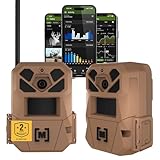
- HARVEST MORE BUCKS THIS SEASON - EDGE 3 delivers real-time deer activity, movement patterns, and location intelligence—so you know when and where mature bucks are moving instead of hunting on hope.
- AI BUCK DETECTION + INSTANT ALERTS - Moultrie AI identifies bucks and immediately delivers high-resolution photos or HD video—reducing false alerts and helping you act fast when it matters most.
- NATIONWIDE 4-CARRIER AUTO-CONNECT - Automatically connects to the strongest of four major U.S. networks. No SIM cards. No manual setup. Reliable photo and video delivery—even in remote hunting properties.
- 40MP PHOTOS + 1080p HD VIDEO - Capture crisp, detailed images and lifelike HD video. Low-glow infrared flash keeps nighttime shots clear without spooking deer.
- 0.5-SECOND TRIGGER + 100FT RANGE - Fast trigger speed and long detection range ensure moving deer are captured cleanly—no blur, no missed opportunities.
| Approach | What it is for | Evidence and limits |
|---|---|---|
| Plastic mesh tree guards or tubes | Protecting particular newly planted woody vegetation | One Oregon site study found higher short-term survival for protected plants; not a way to reduce nutria numbers. |
| Population management and coordinated removal | Reducing or eradicating populations at a landscape scale | Requires local authority, appropriate methods, and follow-up monitoring; rules differ. |
Maryland: an example of sustained eradication
The Chesapeake Bay Nutria Eradication Project shows why eradication requires more than removing a few visible animals.
A federal, state, and private partnership began an eradication campaign in 2002 after nutria damaged marshes around Blackwater National Wildlife Refuge. A USGS-indexed 2017 article reports that nearly 14,000 nutria were removed from five infested watersheds through systematic trapping and hunting between 2002 and 2014. The effort also used surveillance and detection methods and was followed by continued monitoring and wetland restoration.
A September 16, 2022 announcement from the National Invasive Species Information Center reported that Maryland had announced it was free of nutria. That milestone applies to Maryland’s program; it does not mean nutria have disappeared from the United States.
The Maryland experience is not a guarantee that every state or property can achieve the same result. It demonstrates the value of early reporting, coordinated removal, habitat restoration, and follow-up monitoring.
Quick wins for a faster PC:
Scan for outdated or missing drivers - takes under a minuteDriver Scan →Repair Windows errors before they cause bigger problemsFix Now →Common mistakes to avoid
- Calling it a beaver or otter: Check visible clues such as the tail and teeth from a safe distance.
- Assuming it is native: Nutria are native to South America and were introduced to the United States.
- Filling a burrow immediately: The tunnel may be extensive, and the bank or structure may already be unstable.
- Handling a carcass: Seek advice from authorities or trained personnel rather than using bare hands.
- Letting a dog investigate: Pets can be exposed through bites, scratches, contaminated water, or wildlife remains.
- Relocating the animal: Moving nutria can spread the invasive species instead of solving the problem.
- Assuming every wetland injury is caused by nutria: Confirm the species before planning control.
- Treating a camera image as legal permission: Documentation and authority to control wildlife are separate issues.
FAQ
What is a nutria?
A nutria is a large, semi-aquatic rodent native to South America. Its scientific name is Myocastor coypus; it was introduced to the United States for the fur trade.
How can I tell a nutria from a beaver or muskrat?
Nutria have orange-yellow front teeth and a long tail with sparse bristly hairs. Beavers have a broad, flat paddle-shaped tail, while muskrats are generally much smaller. Observe from a safe distance rather than approaching for a closer look.
Are nutria established throughout the United States?
No. USDA APHIS reported nutria established in 17 states on a page last modified November 17, 2025. Local distribution changes, so check current state or federal wildlife records for a specific area.
What should I do if I see a nutria?
Keep people and pets away, document the animal or damage from a safe distance, and report it to your state wildlife agency or other appropriate local authority. Do not touch, capture, or relocate it.
The Tool Desk
Outbyte Driver Updater FREEFix the driver behind crashes, sound loss and screen glitchesFind Drivers →Outbyte PC Repair FREEClear out junk files and repair common Windows errorsFree Scan →Can I use tree guards to control nutria?
Mesh guards may protect individual new plantings from herbivory; a USGS-indexed study found short-term benefits at one Oregon site. They do not reduce or eradicate a nutria population, and the result is not a guarantee for other sites.
Quick Recap
Product prices and availability are accurate as of the date/time indicated and are subject to change. Any price and availability information displayed on Amazon at the time of purchase will apply.




