The 13 hunting dog breeds that may also make loyal household companions include Labrador and Golden Retrievers, Chesapeake Bay Retrievers, Brittanys, pointers, spaniels, setters, and the Treeing Walker Coonhound. The best choice depends on your daily exercise, training experience, home, grooming tolerance, and whether the dog will actually hunt.
Hunting-bred dogs are not a universal ranking of “best” pets. These breeds were selected for retrieving, pointing, flushing, setting, or scent trailing, so the same drive that makes one an excellent field partner can create problems in a home that cannot provide enough activity and structure.
Key takeaways
- Hunting ability and household companionship overlap, but every breed on this list still needs exercise, training, and mental work suited to its working history.
- Labrador Retrievers are the broadest all-purpose choice, while Golden Retrievers are especially companion-oriented without giving up field ability.
- Brittanys, German Shorthaired Pointers, German Wirehaired Pointers, Vizslas, and Weimaraners are high-drive choices for owners who can provide meaningful daily activity.
- Boykin Spaniels and English Springer Spaniels offer flushing and retrieving ability in smaller or medium-sized packages, but neither is a low-activity pet.
- Setters can be affectionate family dogs, while Treeing Walker Coonhounds bring scent tracking, treeing behavior, and a notably vocal working style.
The 13 hunting dog breeds that may also make loyal household companions are Labrador Retriever, Golden Retriever, Chesapeake Bay Retriever, Brittany, German Shorthaired Pointer, German Wirehaired Pointer, Vizsla, Weimaraner, English Springer Spaniel, Boykin Spaniel, English Setter, Irish Setter, and Treeing Walker Coonhound. The best hunting dog for a family depends on exercise capacity, training experience, housing, climate, grooming tolerance, and whether the dog will actually hunt.
What makes hunting dog breeds good companions?
Hunting dog breeds can be loyal companions because many were developed to work closely with a handler, respond to direction, and remain engaged with people. The American Kennel Club describes Sporting dogs as active, alert companions bred for cooperative work and warns that most require regular, invigorating exercise in addition to affection and basic walks. AKC’s Sporting Group overview separates their traditional roles into spaniels, pointers, retrievers, and setters.
The Tool Desk
Outbyte PC Repair FREEClear out junk files and repair common Windows errorsFree Scan →Outbyte Driver Updater FREEScan for outdated or missing drivers - takes under a minuteDriver Scan →#1 Best Overall

- Easy-to-blow design
- Long range control
- Protects handler's ear
- Directs sound forward
A dog’s working purpose does not guarantee a particular temperament. A Labrador may be sociable and biddable, a Chesapeake Bay Retriever may be more independent, and a Treeing Walker Coonhound may follow scent and vocalize rather than watch its handler for constant direction. Individual breeding, early socialization, training, health, and lived experience matter.
Which hunting dog breed fits your household?
| Breed | Primary hunting role | Energy and activity | Handler partnership | Best household match | Main caution |
|---|---|---|---|---|---|
| Labrador Retriever | Retrieve on land and in water | High; swimming, retrieving, hiking, field work | Intelligent, eager to please, versatile | Active family wanting an all-purpose bird dog | Working exercise needs; shedding and adolescent exuberance |
| Golden Retriever | Retrieve and field work | High; retrieving, outdoor activity, training | People-oriented, friendly, willing to work | Family wanting a sociable companion with field ability | Friendly does not mean inactive; coat care |
| Chesapeake Bay Retriever | Waterfowl retrieving | High; swimming, running, hiking, hunting | Intelligent, loyal, more independent | Experienced outdoor owner and waterfowl hunter | Needs a job and substantial exercise |
| Brittany | Pointing and bird work | High; hunting, hiking, running, dog sports | Agile, willing to please, energetic | Active bird hunter or outdoor household | Medium size does not mean low energy |
| German Shorthaired Pointer | Pointing and retrieving | Very high; running, hunting, scent work, sports | Intelligent, highly engaged working partner | Highly active and experienced owner | Poor fit for a sedentary home |
| German Wirehaired Pointer | All-purpose pointing and retrieving | Very high; rough-terrain work and outdoor activity | Fearless, devoted, work-oriented | Owner hunting in varied terrain and weather | Needs meaningful work, training, and coat care |
| Vizsla | Pointing, retrieving, and field work | Very high; daily exercise, retrieving, active outings | Affectionate, gentle, close-bonded | Active owner wanting an involved companion | Needs daily physical and mental stimulation |
| Weimaraner | Pointing and retrieving | Very high; exercise plus mental work | Friendly, affectionate, energetic | Experienced active household | Not a decorative or low-work companion |
| English Springer Spaniel | Flushing and retrieving | High; field work, training, outdoor activity | Friendly, energetic, cooperative | Family wanting a medium-sized bird dog | Exercise and coat care; line-to-line variation |
| Boykin Spaniel | Flushing and retrieving | Moderate to high; lots of daily exercise | Avid, merry, trainable | Active family wanting a compact sporting dog | Small frame does not suit an inactive lifestyle |
| English Setter | Pointing and setting | High; daily exercise and outdoor activity | Friendly, affectionate, sociable | Active family or bird-dog enthusiast | Coat maintenance and regular exercise |
| Irish Setter | Pointing and field work | Very high; exercise, training, outdoor activity | Playful, affectionate, exuberant | Energetic household wanting a people-oriented dog | Can be challenging for owners seeking calm |
| Treeing Walker Coonhound | Scent trailing and treeing quarry | High; tracking, running, rural activity | Affectionate with family, persistent on scent | Scent-work enthusiast or rural active owner | Distinctive voice and strong scent-driven behavior |
The energy labels in the table describe the type of outlet each working breed commonly needs, not a guaranteed exercise prescription. A veterinarian, trainer, or behavior professional can help tailor a plan to an individual dog’s age, health, and temperament.
Which retriever makes the best hunting companion?
The Labrador Retriever is the broadest all-around recommendation for a reader who wants a retrieving hunting dog and a family companion. The American Kennel Club describes retrievers as intelligent, athletic, willing to please, and useful beyond hunting; its hunting overview specifically identifies the Labrador as an eager land-and-water bird retriever with a short waterproof coat. AKC’s retriever guide provides the broader context.
Best fit: An active household that wants swimming, retrieving, hiking, training, field work, and family life in one dog.
Watch for: A Labrador is not automatically low-maintenance. Exercise, training, weight management, chewing prevention, and appropriate outlets remain important, especially during adolescence.
Golden Retriever
The Golden Retriever is the companion-forward retriever in this group. The breed’s friendly, affectionate temperament can suit family life, while obedience, field work, hunting, search and rescue, and service work demonstrate its versatility, according to the AKC’s Golden Retriever guidance.
Best fit: Families and active owners who want a sociable, people-oriented dog that can still train and work in the field.
Watch for: A friendly Golden still needs exercise, structured training, grooming, and careful attention to the individual dog’s drive and health.
Chesapeake Bay Retriever
The Chesapeake Bay Retriever is the demanding waterfowl specialist here. The American Kennel Club describes the breed as a loyal, affectionate, tireless Mid-Atlantic duck dog that needs a job and plenty of exercise, particularly hiking, running, hunting, and swimming. The AKC breed profile lists male height at 23–26 inches and weight at 65–80 pounds, female height at 21–24 inches and weight at 55–70 pounds, and life expectancy at 10–13 years.
Best fit: An experienced, outdoors-oriented owner who genuinely wants a serious waterfowl dog.
Watch for: Loyalty and affection do not make the Chesapeake an easy choice for an inactive household. Its independence, strength, and workload call for consistent handling.
Which pointing breeds suit active owners?
Pointing breeds are strongest matches for owners who can provide meaningful work rather than occasional walks. The American Kennel Club currently recognizes 14 pointing breeds in the Sporting Group and describes the category’s dogs as hunting partners whose energy and field ability must be managed at home. AKC’s pointer overview covers the group’s range.
Brittany
The Brittany is a medium-sized, athletic bird dog known for agility, stamina, scent ability, and a willingness to please. The breed can be an excellent hiking, running, hunting, or dog-sport companion, but the Brittany needs plenty of exercise or hunting outings to stay settled and busy.
Best fit: Hikers, runners, bird hunters, and active households that enjoy training.
Watch for: Compact size is not a substitute for an active lifestyle.
German Shorthaired Pointer
The German Shorthaired Pointer is a natural hunter and retriever that can also be an intelligent family companion and watchdog. The breed’s first priority, however, remains work: the GSP needs to be kept busy at home.
Do these 3 things before closing this tab:
1Repair Windows errors before they cause bigger problems2Fix the driver behind crashes, sound loss and screen glitches3Clear out junk files and repair common Windows errorsBest fit: A highly active owner interested in upland hunting, running, hiking, scent work, or competitive dog sports.
Watch for: A GSP can be a poor match for a sedentary household, even when the owner is drawn to its athletic appearance.
German Wirehaired Pointer
The German Wirehaired Pointer is a rugged all-purpose gundog. Its wiry, water-repellent coat helps protect it in varied terrain and weather, while its hunting ability and devotion can appeal to owners who want a true outdoor partner.
Rank #2

- Preferred by Labrador, Retriever, Collie, Greyhound and larger breeds. Offers a longer range than the 210.5, approximately 450-500 yards.
- Developed over four years in collaboration with World Champion dog trainers to create an unrivalled whistle. Patented sound chambers offer a more efficient use of air. That means brighter sound giving you better command and a more responsive dog, close- to and over distance.
- Standardized Frequency: 5400Hz. The Acme 211.5 Alpha maintains a standardized frequency, ensuring your dog recognizes your call. Choose a different color whistle for your partner, family members, dog walker, or even to match an outfit for a special occasion, knowing that your dog will respond to the whistle, whoever is blowing it!
- Made from BPA-free plastic to food-grade standards, with new and improved all over ergonomic grip offers softness in the mouth and perfect handling in all conditions.
- Genuine ACME whistle made and rigorously tested in the UK by specialists with over 150 years of experience.
Best fit: An owner who hunts or spends substantial time outdoors in rough terrain and changing weather.
What’s actually slowing this PC down?
Pick the symptom - the matching free tool is one click away.
Watch for: A weather-capable coat does not eliminate exercise, training, grooming, or mental-work requirements.
Vizsla
The Vizsla combines field ability with an unusually close human bond. The breed is described as affectionate, gentle, and enthusiastic, and it suits active owners who can provide daily exercise, retrieving, and field-style activity.
Best fit: An active owner who wants a close companion as well as a pointing and retrieving dog.
Watch for: Affectionate behavior should not be mistaken for low needs; daily physical and mental outlets are central to the fit.
PC Slower Than It Used to Be?
A free scan shows the junk files, broken settings and background clutter dragging Windows down - then fixes them in one click.Free scan · Windows 10 & 11Crashes, No Sound, or Screen Glitches?
Random freezes, missing sound and display glitches usually trace back to one bad driver. Find and replace yours safely.Free scan · under a minuteWeimaraner
The Weimaraner was developed as an all-purpose hunting dog and later became known for pointing and retrieving. The breed can be friendly and affectionate, but it requires exercise and mental stimulation to remain happy, making it a better match for an experienced active household than for a casual pet home.
Best fit: Owners prepared to build daily physical and mental work into the dog’s routine.
Watch for: The Weimaraner is not a decorative, sedentary, or purely companion-oriented breed.
Which spaniels make practical family hunting dogs?
Spaniels offer flushing and retrieving ability, often in smaller or medium-sized packages. The American Kennel Club describes spaniels as friendly dogs originally bred to flush birds and waterfowl and says it recognizes 15 spaniel-type breeds as of 2025. AKC’s hunting-breed guide explains the flushing role.
Recommended Free Tools
English Springer Spaniel
The English Springer Spaniel is a classic flushing bird dog with household-companion appeal. The breed has substantial energy and stamina and can be an excellent hunting partner despite its smaller size, while many individuals enjoy training and family outdoor activities.
Best fit: An active family or owner wanting a medium-sized bird dog for field work, training, and outdoor life.
Watch for: Plan for exercise and coat care, and ask whether a dog comes from working or companion lines because drive can vary.
Boykin Spaniel
The Boykin Spaniel is a medium-sized flushing and retrieving dog described by the AKC as avid, eager, merry, and trainable. Its breed profile specifically characterizes Boykins as energetic hunting dogs that can be gentle and contented at home, while also listing moderate-to-high energy and a need for lots of daily exercise. See the AKC Boykin Spaniel profile.
Quick wins for a faster PC:
Clear out junk files and repair common Windows errorsFree Scan →Scan for outdated or missing drivers - takes under a minuteDriver Scan →Repair Windows errors before they cause bigger problemsFix Now →Best fit: An active family wanting a relatively compact sporting dog for hiking, running, field events, and companionship.
Watch for: A smaller body does not make the Boykin suitable for a low-activity lifestyle.
Can setters be loyal family companions?
Setters can be affectionate family companions, but setters still need daily exercise and space to use their athletic abilities. The American Kennel Club describes setters as loyal, affectionate family dogs and talented field canines and identifies four British Setter breeds. AKC’s setter guide provides that group context.
English Setter
The English Setter is a gentle, elegant bird dog with strength, stamina, and a friendly, merry disposition. The breed can suit an active family that values sociability and classic pointing history.
Best fit: An active family or bird-dog enthusiast willing to provide daily exercise and regular coat care.
Watch for: A sociable temperament does not remove the need for athletic outlets or grooming.
Rank #3
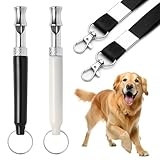
- Effectively Reduce Excessive Barking: Gently blow the ultrasonic dog whistle to capture your dog's attention and interrupt unwanted barking. The high-frequency sound provides a safe and effective way to calm your dog during noisy moments, without disturbing you or your neighbors.
- Precise Frequency Adjustment: Easily find the perfect pitch for your dog's hearing. By simply turning the integrated screw, you can fine-tune the frequency and observe your dog's reaction to discover the most noticeable and responsive setting for effective training.
- Durable & Corrosion-Resistant Design: Crafted from high-quality 304 stainless steel, this whistle is built to last. It's resistant to rust and wear, ensuring reliable performance during all your outdoor adventures and training sessions, year after year.
- Long-Range Training & Recall: Train your dog to respond to commands from distances of up to 1000 meters. Whether you're calling them back during off-leash fun or reinforcing obedience cues like 'sit' or 'stay', this whistle ensures they hear you clearly, even when out of sight.
- Versatile for All Breeds & Sizes: This training tool is suitable for every dog, from small Beagles to large German Shepherds. It's an essential accessory for puppy training, correcting behavioral issues, or strengthening your bond with a well-trained adult dog.
Irish Setter
The Irish Setter is a playful, affectionate, dynamic hunter with the athleticism to participate in field trials. Its exuberance can be wonderful for an energetic household, but challenging for owners seeking a calm, low-work companion.
Best fit: Owners who want a lively, people-oriented dog and can provide exercise, training, and outdoor activity.
Free tools Windows power users keep installed
One-click scans. No signup required.
Watch for: Plan for a large physical and mental outlet, especially while the dog is young.
Independent reader supportYour contribution helps us test, update, and keep practical guides available for everyone.Why choose a Treeing Walker Coonhound instead of a bird dog?
The Treeing Walker Coonhound is a scent-trailing and treeing specialist rather than a retriever, pointer, flusher, or setter. The breed follows raccoon scent until the quarry trees and alerts the hunter with a distinctive chopping bark; it can be affectionate with family and amiable with other dogs, but scent-driven persistence and vocality shape daily life. AKC’s coonhound guide describes this working style.
Best fit: An owner interested in tracking, scent work, rural activity, or coonhound traditions.
Watch for: A hound’s behavior differs substantially from a retriever’s. Secure management, recall work, tolerance for vocal communication, and outlets for scenting are essential considerations.
Do these 3 things before closing this tab:
1Repair Windows errors before they cause bigger problems2Scan for outdated or missing drivers - takes under a minute3Clear out junk files and repair common Windows errorsWhich hunting dog makes the best companion for your goals?
| Your priority | Strong starting choices | Why | What to verify before choosing |
|---|---|---|---|
| Broad-purpose retriever and family dog | Labrador Retriever | Versatile land-and-water retrieving, trainability, and people orientation | Daily exercise, training time, shedding, and individual drive |
| Companion-forward retriever | Golden Retriever | Friendly, affectionate temperament alongside field and obedience ability | Exercise, grooming, health, and the individual dog’s energy |
| Waterfowl specialist | Chesapeake Bay Retriever | Tireless swimming, hunting, and outdoor work | Experience, structure, exercise capacity, and independence |
| Medium active bird dog | Brittany or Boykin Spaniel | Outdoor ability in a smaller or medium-sized format | High activity needs, training commitment, and line-specific drive |
| High-drive field partner | GSP, German Wirehaired Pointer, Vizsla, or Weimaraner | Strong fit for owners who run, hike, hunt, train, or compete | Whether daily life can provide meaningful work, not only walks |
| Sociable setter | English Setter or Irish Setter | Affectionate, athletic companions with bird-dog history | Exercise, grooming, size, and tolerance for exuberance |
| Scent trailing | Treeing Walker Coonhound | Tracking and treeing behavior provide a different working outlet | Vocality, secure containment, prey drive, and scent persistence |
Are hunting dogs good house pets?
Hunting dogs can be good house pets when the household can meet their physical, mental, social, and training needs. A dog that receives only short walks may redirect its energy into chewing, barking, jumping, digging, roaming, or frantic behavior; affection at home does not cancel the requirements created by generations of selective work.
- Exercise: Match the dog’s activity to its role. Retrieving, swimming, running, hiking, tracking, field drills, and controlled dog sports are more useful than relying on repetitive leash walks alone.
- Mental work: Use scent games, retrieving exercises, obedience, food puzzles, place training, and calm household routines.
- Prey drive: Assume that birds, rabbits, squirrels, or other animals may trigger pursuit. Use secure fencing, long-line training, and management where appropriate.
- Vocality: Coonhounds may be especially vocal, but any frustrated or under-stimulated dog can bark. Consider neighbors and housing rules.
- Grooming: Short coats are not necessarily maintenance-free, and feathered or wiry coats require regular inspection and care.
- Family life: Never promise that a breed is universally child-safe or gentle. Supervise children, teach respectful handling, and evaluate the actual dog’s temperament.
How should you train a hunting dog for companion life?
Start with reward-based foundations: name response, recall, loose-leash walking, place, leave it, handling, settling, and safe exposure to people, animals, surfaces, and environments. Hunting skills should be layered onto reliable communication rather than used as a substitute for it.
If you plan to work with your dog at a distance, a dog training whistle can provide a consistent recall cue—but the cue must be taught through rewards and repetition. Dog trainer and certified behavior consultant Rachel Lane says, “I incorporate whistles into my training program because of the many distinct advantages that they provide.” The AKC’s whistle-training guidance also explains that a whistle is a learned signal, not a magic recall solution.
Condition the whistle first in an easy environment: produce the cue, immediately reward the dog for orienting toward you, and gradually build distance and distractions. Do not repeatedly blow a whistle while the dog ignores it, and do not test an unfinished recall near roads, livestock, wildlife, or other hazards. A qualified positive-reinforcement trainer can help with prey-driven or field-bred dogs that struggle to disengage from scent or movement.
Recommended Free Tools
How can you choose a responsible hunting-dog source?
Choose the individual dog and source as carefully as the breed name. Ask breeders for relevant health-screening information, observe the adult dogs’ behavior, discuss the parents’ working and household temperaments, and ask what early socialization and training the puppies receive. A reputable breeder should also ask questions about your schedule, activity level, home, and experience.
Before committing, discuss the breed and the specific dog with a veterinarian. Rescue organizations and breed-specific rescues can also be appropriate options, particularly when staff can describe the dog’s behavior in a home, response to other animals, exercise needs, and training history. When buying a puppy, use a source that helps you find a responsible breeder and verify health information rather than selecting solely by color, appearance, or availability.
For a puppy or adult dog, confirm that your household can provide safe containment, veterinary care, training, exercise in all seasons, grooming, and a realistic plan for the dog’s working instincts. The right companion is not the breed with the most impressive hunting résumé; the right companion is the dog whose needs your household can consistently meet.
Frequently Asked Questions
What hunting dog makes the best family companion?
Labrador Retrievers are the broadest all-purpose choice for families that want a trainable retrieving dog and can provide regular exercise, retrieving, swimming, hiking, and training. A Labrador is not automatically low-maintenance, and individual temperament still varies.
What’s actually slowing this PC down?
Pick the symptom - the matching free tool is one click away.
Are hunting dogs good house pets?
Hunting dogs can be good house pets when owners provide sufficient physical exercise, mental work, training, safe management, and socialization. A dog’s affectionate behavior at home does not remove its need to use the abilities for which it was bred.
What is the best hunting dog for first-time owners?
The Labrador Retriever is usually the strongest starting point for a first-time owner seeking a broadly versatile hunting companion, provided the owner can meet its exercise and training needs. A Golden Retriever may suit someone prioritizing a sociable companion, while high-drive pointers, Chesapeake Bay Retrievers, and hounds generally require more specialized experience.
Do hunting dogs need a whistle for training?
A dog training whistle can provide a consistent long-distance recall cue, but the dog must learn the cue through rewards and repetition. A whistle does not automatically produce a reliable recall, especially around wildlife, scent, or other distractions.
The Bottom Line
The best hunting dog for a family is not universal. Labrador Retrievers are the broadest all-purpose choice; Golden Retrievers are especially companion-oriented; Boykin Spaniels and Brittanys suit active households wanting a medium bird dog; pointers and setters demand more athletic involvement; and Treeing Walker Coonhounds fit owners prepared for scent-driven behavior and vocality. Choose according to the work, training, exercise, and management you can provide every day.
Quick wins for a faster PC:
Clear out junk files and repair common Windows errorsFree Scan →Scan for outdated or missing drivers - takes under a minuteDriver Scan →Repair Windows errors before they cause bigger problemsFix Now →Quick Recap
Product prices and availability are accurate as of the date/time indicated and are subject to change. Any price and availability information displayed on Amazon at the time of purchase will apply.




