The Tool Desk
Outbyte PC Repair FREERepair Windows errors before they cause bigger problemsFix Now →Outbyte Driver Updater FREEFix the driver behind crashes, sound loss and screen glitchesFind Drivers →Dogs often gain weight when the calories they eat—including meals, treats, and table scraps—outpace the energy they use. But feeding habits are not the only possible cause: health conditions and mobility problems can contribute, too. The safest first step is a veterinary assessment, followed by a measured feeding and activity plan tailored to your dog.
Why is my dog gaining weight?
Weight gain commonly reflects an energy mismatch: a dog takes in more calories than it uses. Portions that are larger than intended, frequent treats, table food, and extra meals from different household members can all add up. A drop in activity or difficulty moving can also affect the balance.
Some medical conditions may contribute to excess weight. VCA lists hypothyroidism and hyperadrenocorticism, also called Cushing’s disease, among possibilities, and recommends a veterinary examination and nutritional assessment before starting a weight-loss diet. Excess weight is associated with health problems such as diabetes, osteoarthritis and other orthopedic issues, high blood pressure, and some cancers; that does not mean every overweight dog will develop them. VCA: Obesity in Dogs
How can I tell if my dog is overweight?
The scale is useful, but it does not tell the whole story. A veterinary team can assess body condition—the amount and distribution of fat—as well as muscle condition. Muscle can be affected by age or disease, so considering both helps distinguish excess fat from changes in muscle and supports a more appropriate plan. WSAVA provides body-condition and muscle-condition tools for veterinary use: WSAVA Global Nutrition Guidelines.
#1 Best Overall

- Weight control dog food made with high-quality protein sources, including real turkey as the number 1 ingredient, to promote strong muscles including a healthy heart
- Four antioxidant sources in this wholesome dog food for immune support for dogs, and natural glucosamine sources support dog joint health
- Deliciously crunchy dog kibble and tender meaty morsels combine for a taste and texture dogs love and work with added calcium for a premium dog food that supports strong teeth and healthy gums
- Purina ONE Plus Healthy Weight High-Protein Formula dog food features omega-6 fatty acids, vitamins and minerals to support a shiny, healthy skin and coat for dogs
- Adult dog food is crafted in Purina-owned U.S. facilities and supplies 100 percent complete and balanced nutrition for adult dogs with 0 percent fillers, meaning every ingredient has a purpose
A veterinary appointment can also account for your dog’s health, mobility, diet history, and any need for diagnostic testing before a target weight or calorie allowance is set. VCA: Obesity in Dogs VCA: Weight Reduction in Dogs
How to help an overweight dog lose weight safely
1. Get an individual target and feeding plan
Ask your veterinarian to assess body condition, overall health, current diet, and mobility, then set a suitable target and daily calorie allowance. Your dog’s needs depend on the individual; the cited guidance does not establish one weight-loss rate or calorie target that is appropriate for every dog. VCA: Weight Reduction in Dogs
Rank #2

- High-protein weight management dog food with real chicken to support lean muscle mass.
- Contains 15 percent less fat than Purina Pro Plan adult dog food for weight control.
- Fortified with dog probiotics to support digestive and immune health and balanced microbiome
- Crunchy kibble and tender shredded pieces for texture dogs love.
- Complete and balanced dry dog food for adult dogs needing healthy weight support.
2. Use the specified food and portion
Do not simply cut the amount of your dog’s current food without veterinary advice. Feeding less of a food not designed for calorie restriction can also reduce the intake of essential nutrients. Your veterinarian may recommend a therapeutic weight-loss food formulated for calorie restriction. VCA describes common features of these foods as lower energy density, higher protein and fiber, lower fat, and a higher concentration of vitamins and minerals. Those are general formulation features, not a guarantee that a particular food is right for every dog. VCA: Weight Reduction in Dogs VCA: Therapeutic Diets for Dogs
Therapeutic veterinary diets and ordinary foods labelled for weight control are not automatically interchangeable. Selection should reflect your dog’s health needs, calorie target, the food’s nutrient adequacy and calorie density, whether your dog will eat it, and whether you can measure and follow the plan consistently.
Rank #3
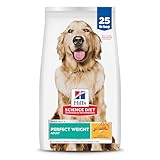
- Breakthrough formula made to positively impact the unique cell function of overweight pets, and support healthy metabolism and body weight
- Safe and effective weight loss with visible results within 10 weeks
- Made with natural ingredients
- Made in the USA with global ingredients you can trust
- Hill's Pet Nutrition is the US Veterinarians' #1 recommended brand
3. Count every treat, snack, and extra
Include treats, table food, chews, and food offered by everyone in the household when tracking intake. WSAVA’s general guideline is that treats make up no more than 10% of a dog’s daily calories, with the rest coming from the planned diet. Your veterinarian may set a different approach for your dog or prescribed food. WSAVA: Feeding Treats to Your Dog VCA: Weight Reduction in Dogs
For illustration—not as a target for your dog—VCA gives the example of a 1,000-kcal daily allowance: 900 kcal from the recommended diet and 100 kcal from treats or snacks. Your own calorie allowance should come from your veterinary team. VCA: Weight Reduction in Dogs
Rank #4

- High-protein weight management dog food with real chicken to support lean muscle mass.
- Contains 15 percent less fat than Purina Pro Plan adult dog food for weight control.
- Fortified with dog probiotics to support digestive and immune health.
- Includes dog gut health probiotics for a balanced microbiome.
- Crunchy kibble and tender shredded pieces for texture dogs love.
4. Measure portions and keep meals consistent
Follow the portion your veterinary team specifies and use a consistent feeding routine. Weighing food with a gram scale can make portions easier to measure accurately. An automatic feeder may help dispense scheduled portions, but it cannot determine how many calories your dog should receive. VCA: Weight Reduction in Dogs
5. Choose activity your dog can manage
Ask your veterinarian what activity is suitable for your dog’s health and mobility. If pain or another condition limits movement, discuss that before increasing exercise. Play, praise, attention, and toys can provide rewards without adding food calories. VCA: Obesity in Dogs
Best Value

- REAL CHICKEN FIRST: Blue Buffalo dry dog food starts with real chicken as the first ingredient to help support healthy, lean muscles in adult dogs
- BALANCED NUTRITION TO HELP WEIGHT MANAGEMENT: This BLUE dog food provides the ideal caloric balance and complete daily nutrition for adult dogs with chicken for protein, wholesome carbohydrates for energy, and other natural ingredients
- EXPERT-LED NUTRITION: Designed to help your pet thrive from the inside out, Blue Buffalo dog food formulas are developed by a dedicated team of veterinarians and animal nutritionists
- COMPLETE NUTRITION: This BLUE dog food without grains provides balanced daily nutrition for adult dogs with chicken for protein, wholesome carbohydrates for energy, and other natural ingredients
- SUPPORTS IMMUNE SYSTEM HEALTH: BLUE Life Protection Formula grain free dog food features exclusive LifeSource Bits, a precise blend of antioxidants, vitamins, and minerals that are formed at a lower temperature to ensure optimal potency
6. Track progress with the veterinary team
Have your dog’s weight and body condition checked regularly, and let the veterinary team adjust the plan according to the response. Keep an appropriate food intake and activity routine after your dog reaches the agreed target; reaching it is not a reason to return automatically to the old portions. VCA: Weight Reduction in Dogs WSAVA Global Nutrition Guidelines
Independent reader supportYour contribution helps us test, update, and keep practical guides available for everyone.What to bring to your dog’s weight assessment
- A record of measured meals, including the food and approximate portions.
- A list of treats, chews, table foods, and other extras.
- Details of who feeds your dog and how often.
- Changes in activity, mobility, appetite, or weight that you have noticed.
This gives the veterinary team a clearer picture of daily intake and practical constraints when planning portions, food, and suitable activity.
Quick Recap
Product prices and availability are accurate as of the date/time indicated and are subject to change. Any price and availability information displayed on Amazon at the time of purchase will apply.




