Free tools Windows power users keep installed
One-click scans. No signup required.
A minimalist dog routine is not less care; it is a repeatable way to cover your dog’s real needs with fewer unnecessary purchases and less day-to-day guesswork. Build around a few flexible anchors—toileting and movement, meals and water, connection and enrichment, rest, and grooming and health—and adjust them to your dog’s age, health, temperament, and your household.
What a minimalist routine should include
Dogs still need daily care when a household simplifies. The American Veterinary Medical Association identifies feeding, grooming, exercise, play, and elimination as routine needs, and advises choosing a dog whose needs suit the household’s time, home, and lifestyle (AVMA guidance on selecting a pet dog). Singapore’s Animal and Veterinary Service (AVS) also emphasizes adapting care to a dog’s age, breed, health, and personality (AVS dog-care guidance).

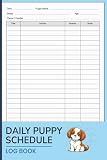

Think in care anchors rather than a universal timetable. A predictable pattern can help you remember essentials, but the timing and amount of activity should fit the individual dog and the people caring for it.
Build the day around five care anchors
1. Toileting and movement
Offer regular chances to relieve themselves, along with activity appropriate to the dog’s age, health, breed, and ability. Walks can do double duty: a safe chance to sniff and explore offers sensory enrichment, not just physical movement. AVS notes that exercise needs vary and that quality matters as much as quantity; the sources do not establish one daily minutes or miles target that fits every dog.
Quick wins for a faster PC:
Repair Windows errors before they cause bigger problemsFix Now →Fix the driver behind crashes, sound loss and screen glitchesFind Drivers →Clear out junk files and repair common Windows errorsFree Scan →2. Meals and fresh water
Feed a complete, balanced diet suited to the dog’s life stage, and keep fresh water available. Dogs’ feeding patterns and portions vary, so ask your veterinarian for advice tailored to your dog rather than copying another dog’s schedule. The ASPCA’s general dog-care guidance also covers feeding, exercise, grooming, and identification.
3. Connection, training, and enrichment
Make room for time with family, play, and brief positive training. Enrichment can be simple: let a dog sniff on a walk, scatter some of its regular food for it to find, or hide small portions around a room. Choose social opportunities based on the dog, not an assumption that all dogs enjoy meeting other dogs.
The American Animal Hospital Association (AAHA) writes, “Dogs benefit most when enrichment is varied.” Its suggestions include food-based activities and play (AAHA enrichment guidance); variety does not require a shelf of new toys.
4. Quiet rest
Protect a comfortable place and time for your dog to rest without constant interruption. AVS guidance says adult dogs sleep 12–14 hours a day and puppies need even more; treat this as practical guidance, not a rigid target for every individual dog.
The Tool Desk
Outbyte Driver Updater FREEFix the driver behind crashes, sound loss and screen glitchesFind Drivers →Outbyte PC Repair FREERepair Windows errors before they cause bigger problemsFix Now →Rank #3

- 16-Month Weekly & Monthly Planner (September 2026–December 2027): Stay organized across the academic year and full calendar year with spacious monthly overview grids, structured weekly planning spreads, and yearly reference calendars for long-term scheduling.
- Funny Dog Photography & Lighthearted Proverbs: Features endearing photographs by Ron Schmidt paired with playful, uplifting sayings that celebrate the loyalty, humor, and wisdom of humankind’s best friend.
- Functional Layout for Work, School & Home: Includes weekly planner grids with space for appointments, to-do lists, meetings, and goal tracking, plus monthly spreads for big-picture scheduling and deadline management.
- Durable Wire-O Binding & Premium Features: Portable 6" x 9" format with sturdy lay-flat Wire-O binding, interior front and back storage pockets, and a built-in perforated page marker for smooth everyday use.
- Perfect Planner for Dog Lovers: Use as a work planner, academic planner for the 2026–2027 school year, or personal organizer, and give as a thoughtful gift for dog moms, pet owners, animal lovers, students, and office coworkers.
5. Grooming and health checks
Fit brushing, bathing, nail care, and other hygiene to the dog’s coat and health rather than applying one schedule to every dog. AVS says some continuously growing coats need professional grooming every 6–8 weeks, while many dogs need less frequent bathing. Those are local authority recommendations, not universal intervals. Introduce handling gradually and positively; seek professional help if grooming is difficult or stressful.
Keep preventive veterinary care on a recurring calendar. Contact a veterinarian promptly about signs of illness or sudden behavior changes. For questions about preventive medicines, exercise limits, symptoms, or a behavior concern such as separation anxiety, consult the appropriate veterinarian or qualified professional.
Use a repeatable pattern, not a rigid timetable
The American Kennel Club’s routine framework includes potty breaks, meals, short training, exercise or enrichment, rest, and bonding (AKC routine guidance). Use those categories to check that the day has room for the essentials; do not treat an example schedule as a prescription. A workable pattern might pair a bathroom opportunity and sniffing walk with one part of the day, meals with calm activity, and brief play or training when the household has time. Leave flexibility for the dog’s response and the household’s actual schedule.
When deciding whether an activity belongs in the routine, consider the dog’s age and health, energy and preferences, your available time, and any safety or supervision needs. A scheduled walk, an indoor game, and a food puzzle can serve different purposes; none is automatically best for every dog.
Best Value

- 8 Sticker Pages Perfect for Dog Owners: This dog lover sticker pack includes 511 adorable, functional, and decorative planner stickers designed just for pup parents. Stay on top of your furry friend’s schedule and celebrate the joy they bring every day!
- Plan & Track Pet Care: These stickers for adults are designed to help you manage vet appointments, grooming, bath time, flea/tick treatments, dog food pickups, training reminders, and more. Ideal for keeping your pet's health and wellness on track.
- Walk Tracker Stickers: Features a full writeable sticker page dedicated to tracking daily walks—perfect for holding yourself accountable or monitoring multiple pets.
- Cute & Decorative Designs: Add personality to your planner with hand-drawn icons, paw prints, bones, bowls, and dog-themed quotes like "Life is better with a dog" and "Stay pawsitive." Great for scrapbooking, journaling, or memory-keeping too!
- Premium Quality & Gift-Ready: Printed on thick, high-quality sticker paper. Removable & repositionable if needed! Makes a thoughtful gift for dog moms, pet sitters, or anyone obsessed with their pup.
Keep supplies limited to what supports real care
Start with equipment that serves recurring needs, then add only what makes care safer or more practical. ASPCA’s common-supplies list includes food and dishes, safe chew toys, a brush and comb, a collar with identification, a leash, and a bed or crate. It is a starting point, not a checklist requiring replacement of everything you own.
- Keep suitable food, bowls, and fresh water available.
- Use walking and identification gear appropriate to your dog and circumstances.
- Provide a comfortable resting place.
- Choose grooming tools for the dog’s coat and routine.
- Keep a small selection of safe toys or other enrichment options that your dog actually uses.
Rotate toys to renew interest instead of continually buying replacements. AAHA describes low-cost indoor activities such as hiding food in a towel, using a muffin tin, or letting a dog forage in a cardboard box (AAHA indoor enrichment ideas). Supervise new setups and remove anything the dog might chew or swallow unsafely.
When a food toy is useful
A reusable rubber toy that can be stuffed with food is one optional way to make a repeatable enrichment activity. A snuffle mat is another, but a towel or a safe household setup can provide a no-purchase alternative. If you use a food toy, choose a size appropriate for the dog, supervise its first uses, and use some of the dog’s normal meal allowance where possible so treats do not quietly add calories. No particular product is necessary for a good routine.
Adjust the plan to the dog in front of you
- Exercise: Match activity to age, breed, health, and ability. Ask a veterinarian about limits if health is a concern; do not force a universal duration.
- Grooming: Coat type changes what tools and professional care may be useful. AVS notes that some continuously growing coats need professional attention on a regular cycle; many other dogs need less frequent bathing.
- Food: For portions, diet changes, or home-prepared meals, get veterinary guidance. AVS warns that home-prepared diets can be nutritionally imbalanced without formulation by a veterinary nutritionist.
- Behavior and social comfort: Observe what the dog enjoys and finds stressful. Seek a veterinarian or qualified behavior professional when a concern persists or affects welfare.
Watch how your dog responds to the routine, make one adjustment at a time when needed, and bring individual questions to your veterinarian. The goal is a simpler system that reliably meets this dog’s needs, not the fewest possible tasks.
Quick Recap
Product prices and availability are accurate as of the date/time indicated and are subject to change. Any price and availability information displayed on Amazon at the time of purchase will apply.




