When dogs in a shelter begin getting sick, the first priorities are to identify the likely pathogen, separate sick animals, map exposure, and prevent further mixing. A shelter veterinarian should lead the response: parvovirus, respiratory disease, and other infections do not all call for the same isolation, testing, vaccination, or release protocol. For suspected canine parvovirus (CPV), protect unexposed dogs from contaminated environments and equipment while arranging appropriate care for infected animals.
What should a shelter do first when dogs become ill?
Act on the pattern of illness promptly, but do not assume that similar signs mean the same disease. The shelter veterinarian should assess the dogs, decide whether diagnostic testing is indicated, and direct controls while the cause is investigated. Track signs, onset dates, housing, animal movements, and contacts so the team can identify a possible cluster and determine which dogs may have been exposed.
- Separate clinically ill dogs. Move them out of general housing into an appropriate isolation area, using dedicated equipment and staff practices that reduce contact with other dogs.
- Map likely exposure. Record shared kennels, runs, transport cages, bowls, tools, vehicles, staff routes, and animal movements. Group dogs by exposure status rather than moving them casually between areas.
- Decide what to do about intake. The AAHA outbreak guidance describes temporary intake cessation as a helpful initial approach. If the shelter cannot stop intake, new arrivals need a completely segregated area, infection-control practices, and dedicated staff and equipment.
- Set a written, veterinarian-led plan. Assign staff flow, protective equipment, cleaning responsibilities, vaccination decisions, documentation, and communication with relevant partners.
Pausing intake can reduce the chance of bringing susceptible dogs into an affected facility, but it also affects community access to shelter services. If intake continues, a designated room alone is not enough: separation must be maintained in staff assignments, supplies, animal handling, and movement. ASPCApro’s outbreak guidance frames response around isolation, movement and intake controls, vaccination, environmental decontamination, documentation, and communication.
How should a shelter respond to suspected parvovirus?
CPV requires particular care because a dog can encounter the virus through contaminated surroundings and shared items, not only through direct contact with an ill dog. A shelter response should distinguish infected dogs from dogs that may have been exposed and dogs considered unexposed, then protect the latter groups from contaminated areas and equipment.
#1 Best Overall

- Fast-Acting Disinfectant Concentrate – Dilute 1:16 to kill Ringworm, Influenza, Feline Calicivirus, Kennel Cough, and Parvovirus in just 5 minutes with trusted veterinary-grade disinfecting power.
- Versatile for Every Setting – Ideal for litter boxes, kennels, cages, counters, grooming tools, vet clinics, rescues, and homes needing a dependable, pet-friendly disinfectant cleaner.
- Trusted Around Pets – Rescue disinfectant is veterinarian-recommended for use around animals, staff, and families when used as directed, helping disinfect pet spaces while controlling odors.
- Clean Scent, No Harsh Residue – This disinfecting cleaner eliminates odors without overpowering chemical smells, leaving surfaces fresh and safe for daily use in animal care spaces.
- Hard & Soft Surface Cleaner – Disinfect hard, nonporous surfaces and use as a spot cleaner on fabrics and other soft surfaces after pet accidents for dependable everyday cleaning.
Separate cases and define groups
Promptly isolate diagnosed cases and review where each dog has been housed and handled. Use that movement history to identify exposed dogs and decide how to house and monitor each group under the veterinarian’s direction. ASPCApro’s canine parvovirus guidance recommends isolating cases and categorizing the shelter population by exposure to guide the response.
The Koret Shelter Medicine Program’s CPV quarantine guidance describes quarantine as generally 14 days. Treat that as general operational guidance, not an automatic release date: the shelter veterinarian should confirm the current protocol and adapt it to exposure history and the situation at the facility.
Keep housing and staff practices separate
Koret recommends individual or cohort housing, dedicated kennel-cleaning supplies, limited assigned staff, and personal protective equipment (PPE). Do not use foot baths as a CPV control measure. Plan the flow of people and supplies so staff do not carry contamination from isolation into areas housing susceptible dogs.
Rank #2

- Animal Facility Disinfectant is used by veterinary hospitals, animal shelters, boarding kennels, zoos, groomers, retail pet stores and home pet care providers
- Animal Facility Disinfectant is used by veterinary hospitals, animal shelters, boarding kennels, zoos, groomers, retail pet stores and home pet care providers
- E.P.A. Registered, tested and proven effective against over 50 infectious agents including Canine Parvovirus (Dog Flu), Kennel Cough, Canine Paraininfluenza Virus, Feline Calicivirus, Feline Panleukopenia, Feline Leukemia Virus and Ringworm.
- Effective and pleasant smelling cleaner/disinfectant and can be used on a wide range of hard nonporous surfaces
- Eliminates the need for bleach
What disinfectant kills parvovirus in a shelter?
Use a disinfectant effective against the identified pathogen, and clean before disinfecting. Organic material can interfere with disinfection, so remove it with detergent first. Then apply the product at its label dilution and keep the surface visibly wet for the full required contact time. Include shared equipment and other potentially contaminated items when the veterinarian’s protocol calls for it.
| Source-specific example | Reported dilution and contact time | How to apply the figure |
|---|---|---|
| University of Florida Shelter Medicine Program, 2021 shelter protocol | Rescue diluted 1:16; five-minute minimum contact time | Verify the current product label and facility protocol before use. |
| Merck Veterinary Manual, 2025 review | Bleach diluted 1:32; ten-minute wet exposure period for parvoviruses and respiratory viruses | Verify label directions, surface compatibility, and staff-safety requirements. |
These are examples reported by their respective sources, not substitutes for the current product label or the shelter veterinarian’s direction. Dilution, contact time, and suitability can depend on the specific product and surface. Cleaning should cover kennels and, as indicated by the outbreak plan, bowls, transport cages, vehicles, and shared tools.
Should a shelter stop taking dogs during an outbreak?
Consider a temporary intake pause as an initial control, as AAHA advises, but make the decision in light of the outbreak, available space, staffing, and community-service consequences. If intake cannot stop, accept new dogs only into a truly separate area with dedicated people and equipment. Keep new arrivals from sharing routes, supplies, or handling sequences with affected groups unless the veterinarian’s plan specifies controls that make the movement safe.
Rank #3

- PROFESSIONAL VETERINARY DISINFECTANT CLEANER - EPA-registered multi-surface cleaner designed for veterinary clinics, animal shelters, boarding facilities, and kennels. Ideal for routine cleaning of floors, crates, kennels, litter boxes, and pet carriers.
- HELPS CONTROL CONTAGIOUS PATHOGENS - Formulated to target animal-related pathogens, including canine parvovirus, bacteria, and fungi. Supports strict biosecurity practices in animal hospitals, shelters, and professional pet care environments.
- SAFE FOR DAILY FACILITY USE - Designed to clean and disinfect high-contact surfaces while being gentle on equipment and facility areas. Helps maintain hygienic environments without harsh, damaging cleaning agents.
- CONCENTRATED FORMULA FOR HIGH-VOLUME CLEANING - A powerful kennel cleaner concentrate that creates large volumes of ready-to-use solution. Helps reduce product usage and supports cost-effective cleaning routines for veterinary and shelter operations.
- DEODORIZES WITH FRESH WINTERGREEN SCENT - Cleans, sanitizes, and helps neutralize stubborn odors in kennels, shelters, and veterinary facilities. Leaves animal care areas smelling fresh and professionally maintained.
| Option | What the shelter needs to weigh |
|---|---|
| Pause intake | Whether intake can be stopped; the likely benefit of reducing introductions of susceptible dogs; and the effect on community services. |
| Continue with segregated intake | Whether fully separate space, staff, equipment, and infection-control practices are actually available and can be maintained. |
How should shelters handle vaccination during an outbreak?
Vaccination is a core shelter protection, but the appropriate product and timing depend on the disease and the individual dog. AAHA shelter guidance recommends vaccinating dogs at entry unless they are severely ill and unable to be housed in the shelter. During an outbreak, the shelter veterinarian should set a written protocol that accounts for pathogen, age, previous doses, clinical condition, exposure risk, local epidemiology, vaccine formulation, and the time needed for protection to develop.
Do not treat one disease’s protocol as universal. For example, AAHA says routine canine influenza vaccination is generally not recommended for shelter-housed dogs because risk is usually minimal; local endemic risk or an outbreak can change that decision. See AAHA outbreak management and AAHA vaccination guidance for shelter dogs and puppies for the recommendations and their context.
Quick wins for a faster PC:
Fix the driver behind crashes, sound loss and screen glitchesFind Drivers →Repair Windows errors before they cause bigger problemsFix Now →What if the outbreak involves respiratory disease?
Canine infectious respiratory disease complex (CIRDC) describes respiratory illness with multiple possible causes; canine influenza is one pathogen-specific concern. Coughing or other respiratory signs alone do not establish which agent is involved, so diagnostics, isolation choices, vaccination, and criteria for ending restrictions should follow current veterinarian-reviewed guidance for the suspected disease.
Rank #4

- PROFESSIONAL VETERINARY DISINFECTANT: F10 SC is an EPA registered concentrated veterinary disinfectant formulated for use in animal care environments. Its broad spectrum formula helps support effective hygiene on compatible hard, non porous surfaces when used according to label directions.
- BROAD SPECTRUM PERFORMANCE: Effective against bacteria, viruses, fungi, and spores. The fast acting formula is designed for routine infection control in veterinary clinics, kennels, shelters, and other professional animal care facilities.
- HIGHLY CONCENTRATED & ECONOMICAL: Designed for efficient daily disinfection, F10 SC uses a 1:250 standard dilution ratio (4 mL per liter), providing a practical and cost effective solution for veterinary clinics, kennels, shelters, and other animal care facilities.
- NON CORROSIVE & ODORLESS: Designed for compatible hard, non porous surfaces, the non corrosive, odorless formula leaves no harmful residues when used according to label directions. Suitable for use in environments where animals are present after proper dilution.
- IDEAL FOR PROFESSIONAL ANIMAL CARE: Suitable for veterinary clinics, animal hospitals, kennels, shelters, bird cages, reptile habitats, small animal enclosures, litter box areas, and compatible hard surfaces. Can also be used for approved fogging applications in hospitals and theaters according to label directions.
Koret’s shelter health resource index links to separate CIRDC and canine influenza materials. Its 2019 report describes H3N2 testing in dogs at two Oakland-area shelters and veterinary containment support; it is a historical account, not evidence of current local prevalence or a universal quarantine period.
Independent reader supportYour contribution helps us test, update, and keep practical guides available for everyone.When is shelter treatment appropriate?
Treating CPV in the shelter requires adequate isolation facilities, staffing, and veterinary oversight. Assess those capabilities before placing cases in shelter care. If the shelter cannot provide appropriate isolation and treatment, discuss off-site veterinary care or transfer to a shelter with suitable facilities with the veterinarian, and plan the handoff to avoid exposing other animals.
Koret’s CPV treatment guidance addresses the care decision, while ASPCApro recommends having a response plan ready in advance, including biosecurity, notification, and equipment. Foster care or transfer is not automatically safer: suitability depends on the pathogen, destination biosecurity, animal welfare, capacity, and veterinary direction.
Recommended Free Tools
Best Value
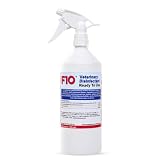
- READY TO USE DISINFECTANT: F10 Ready To Use Disinfectant is a pre-diluted veterinary disinfectant spray that requires no measuring or dilution. Simply apply directly to compatible hard surfaces for convenient daily hygiene.
- BROAD SPECTRUM VETERINARY DISINFECTANT: EPA registered formula designed to support effective control of bacteria, viruses, fungi, and spores as specified on the approved label. Ideal for professional animal care environments.
- MULTI PURPOSE PET & ANIMAL AREA CLEANER: Suitable as a kennel disinfectant, cage cleaner, terrarium disinfectant, bird cage cleaner, and animal habitat cleaner for veterinary practices, breeders, shelters, and pet owners.
- LONG LASTING SURFACE PROTECTION: F10 formula remains effective after application and air drying, helping maintain hygienic surfaces without requiring rinsing when used according to label directions.
- TRUSTED ANIMAL CARE FORMULA: Widely used by veterinary professionals, zoological institutions, reptile keepers, avian breeders, and exotic animal owners for routine hard surface disinfection and biosecurity.
What should the outbreak plan record?
Keep a shared record that lets the veterinary and operations teams see what is happening and why controls were chosen. Document:
- Clinical signs, onset, diagnostic testing, and case status.
- Housing, movement, exposure-group assignments, and contacts with shared equipment or spaces.
- Vaccination decisions, cleaning and disinfection tasks, and who completed them.
- Intake, transfer, foster, or off-site care decisions and the biosecurity steps used.
- Staff instructions and communications with relevant partners.
Product formulations, labels, pathogen risks, and legal requirements can change. The shelter veterinarian should confirm the response plan, current labels, and applicable local requirements before implementation.
Quick Recap
Product prices and availability are accurate as of the date/time indicated and are subject to change. Any price and availability information displayed on Amazon at the time of purchase will apply.




