Recommended Free Tools
Cats may lick, chew, or swallow human hair for reasons ranging from social grooming and play to boredom, stress, or a medical problem. The key distinction is whether your cat is only licking or mouthing hair, or is repeatedly swallowing it: persistent ingestion can be dangerous and warrants veterinary advice. Hair-chewing alone does not identify a cause, so treat the seven explanations below as possibilities, not a diagnosis.
First, distinguish licking from swallowing
A cat that briefly licks or mouths your hair is doing something different from one that repeatedly chews and swallows it. UC Davis School of Veterinary Medicine describes pica as persistent chewing and consumption of non-nutritive material; hair licking by itself does not establish pica. UC Davis explains pica and abnormal eating habits in cats.
Swallowed hair or other non-food material can cause gastrointestinal problems, including obstruction. Hair-specific guidance also notes possible hairballs and constipation. This does not mean every lick is dangerous, but repeated ingestion should not be dismissed as ordinary grooming. Cornell University College of Veterinary Medicine discusses the risks of swallowed material; Vet Help Direct addresses human-hair chewing.
7 possible reasons a cat may eat human hair
These explanations can overlap. The behavior alone cannot show which one applies to your cat, and licking or chewing does not necessarily mean the cat is swallowing hair.
The Tool Desk
Outbyte PC Repair FREERepair Windows errors before they cause bigger problemsFix Now →Outbyte Driver Updater FREEFix the driver behind crashes, sound loss and screen glitchesFind Drivers →#1 Best Overall

- Gentle Hairball Gel for Cats: Tomlyn Laxatone is a delicious tuna-flavored gel that gently lubricates ingested hair, helping the fur comfortably pass through your cat's digestive system
- Omega-Rich Cat Supplement: This tasty gel supplement with omega-3, omega-6, and omega-9 fatty acids offers additional health support as part of your cat’s regular grooming routine
- Easy-to-Use Gel: Place a small amount of this veterinarian-formulated cat hairball gel on your cat's paw or nose daily, turning routine hairball care into a stress-free experience; discourages gross hairball blockages
- Hairballs Laxatone for Cat Health: Suitable for both short-haired and long-haired cats; this feline hairball gel supports daily digestive health as part of everyday pet care
- Everyday Health for Pets: Made with a commitment to transparency, rigorous review, and dependable standards, every product we create supports happier and healthier moments for your pet
1. Social grooming and affiliation
Cats may groom members of a familiar social group. A cat gently licking or mouthing a person’s hair may be engaging in social grooming, though that possibility does not explain why a cat would swallow hair. Vet Help Direct.
2. Play and hunting practice
A loose or moving lock of hair can catch a cat’s attention and invite pouncing or chewing, particularly in a playful cat. Redirect the cat to an appropriate toy rather than letting hair become the play target. Vet Help Direct.
Rank #2

- HAIRBALL GEL FOR CATS: Our paw gel helps prevent and eliminate hairballs by lubricating the intestinal tract; Made with natural oils, this cat hairball remedy supports digestion, reduces shedding, and promotes hairball control for cats of all ages
- EASY APPLICATION: Apply this cat hairball gel directly to your cat’s paws for easy ingestion during grooming; Made with natural oils, it helps eliminate hairballs, supports digestion, and aids the skin and coat, promoting wellness and hairball control
- GREAT TASTE: No need to fret over picky eaters; Our hairball medicine for cats comes with a lip-smacking salmon flavor; It's a delectable hairball remedy that even the fussiest of felines can't resist; They'll think it’s a treat, you'll know it’s relief
- VETERINARIAN FORMULATED: Carefully developed by experienced veterinarians, this hairball remedy is crafted with your cat’s health in mind; Every ingredient is selected to ensure quality, safety, and effective support for hairball control and digestion
- MADE IN THE USA: Crafted in the USA with premium globally sourced ingredients, this cat hairball remedy meets NASC quality standards; Designed for effectiveness, it supports hairball control and digestion; offering quality, care, and love in every drop
3. A learned way to get attention
If chewing your hair reliably gets a strong reaction, the interaction may encourage the behavior to continue. Interrupt calmly and redirect rather than turning each attempt into an exciting exchange. Vet Help Direct.
4. Comfort-seeking or self-soothing
Some repetitive oral behaviors, such as fabric sucking, may be associated with comfort-seeking. Applying that explanation to human hair is plausible, but it cannot be confirmed from the behavior alone. Merck Veterinary Manual discusses oral repetitive behaviors; Cornell discusses fabric chewing and sucking.
Free tools Windows power users keep installed
One-click scans. No signup required.
Rank #3
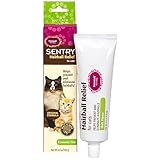
- 4.4 ounces of malt flavored Sentry Hairball Relief for cats
- For cats and kittens over 4 weeks
- Helps eliminate and prevent hairballs
- A longtime favorite with Petromalt technology
- Relives constipation, dry cough and occasional vomiting associated with hairballs
5. Boredom or too little enrichment
When cats lack adequate exercise, mental stimulation, interactive toys, or social interaction, they may seek their own activities, including chewing non-food items. More play, exploration, and foraging opportunities can provide appropriate outlets. UC Davis.
6. Stress or anxiety
Household changes, separation, or other stressors can be associated with abnormal eating behavior. Notice when the behavior occurs and whether it began alongside a change at home; persistent chewing or other signs of distress merit veterinary discussion. UC Davis; Vet Help Direct.
Rank #4
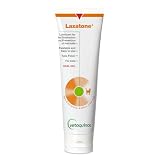
- Gentle and easy-to-use digestive lubricant for helping prevent and eliminate hairballs in cats
- Delicious tuna oral hairball lubricant gel easily helps cats pass hairballs in litter box
- Our Laxatone coats swallowed hair to help it pass through the digestive tract easily
- For best results, apply a small amount of feline hairball gel on your cat's nose or paws daily
- Your furry friend will love their hairball lubricant since it's tasty & helps them feel better
7. Pica or another medical contributor
Persistent chewing and consumption of non-food substances may be pica. Medical or gastrointestinal problems and nutritional issues can contribute to abnormal oral behavior, but hair chewing alone does not prove a deficiency or disease. Do not start supplements or change your cat’s diet without veterinary advice. UC Davis; Merck Veterinary Manual; PetMD’s overview of pica in cats.
How to stop or reduce hair chewing
- Limit access. Secure loose hair, hair ties, extensions, and other swallowable items, and keep them out of reach when your cat is unsupervised. Reducing access does not resolve an underlying medical or behavioral cause. UC Davis; Cornell.
- Interrupt gently and redirect. Calmly move your hair out of reach and offer a cat-appropriate toy or activity. Avoid yelling, startling, or punishing your cat; Merck recommends gentle interruption and avoiding positive punishment for repetitive behaviors. Merck Veterinary Manual.
- Add suitable outlets. Offer regular play, exploration, and foraging opportunities. Cornell gives cat-safe rubber toys and foraging enrichment as examples for inappropriate chewing. Any chew toy should be used under supervision, and only if your cat does not swallow it; enrichment is not a substitute for assessment when ingestion persists. Cornell; UC Davis.
- Track the pattern. Note how often it happens, how long it lasts, whether your cat swallows hair, and what is happening at the time. Record recent household changes too; these details can help a veterinarian assess possible triggers. UC Davis.
- Arrange a veterinary assessment when indicated. If your cat keeps swallowing hair, targets other non-food items, or the behavior continues despite prevention, contact your veterinarian. Medical causes should be considered before labeling a repetitive behavior compulsive or trying medication, supplements, or a special diet. Merck Veterinary Manual; PetMD.
When to call a veterinarian
Contact your veterinarian if hair swallowing is persistent, new, or increasing, or if your cat is eating other non-food items. Seek advice promptly if chewing or ingestion comes with vomiting, constipation or straining, appetite changes, lethargy, pain, or visible distress. A veterinarian can assess the history and examine your cat, then decide whether testing is appropriate. Merck Veterinary Manual; PetMD.
Crashes, No Sound, or Screen Glitches?
Random freezes, missing sound and display glitches usually trace back to one bad driver. Find and replace yours safely.Free scan · under a minuteWindows Errors? Fix Them Before They Spread
Repair common Windows errors and clear accumulated junk for a smoother, more stable PC - no reinstall needed.Free scan · no reinstallBest Value

- Aids hairballs in passing through the gastrointestinal tract and helps prevent future formation through regular use
- Includes 2.5 ounces of tasty, salmon flavored formula in a convenient tube
Do not rely on citrus-scented hair products as a proven fix; evidence for that suggestion is limited. Avoid applying aversive products to your hair or trying household remedies without veterinary guidance. Vet Help Direct; PetMD.
Quick Recap
Product prices and availability are accurate as of the date/time indicated and are subject to change. Any price and availability information displayed on Amazon at the time of purchase will apply.




