Outdated Drivers Are Slowing You Down
One free scan finds every outdated or missing driver and matches the right update for your exact hardware.Free scan · exact hardware matchWindows Errors? Fix Them Before They Spread
Repair common Windows errors and clear accumulated junk for a smoother, more stable PC - no reinstall needed.Free scan · no reinstallZonisamide is a prescription antiseizure medicine that veterinarians may use extra-label to help control seizures in cats. Feline evidence is limited, and published dose figures are reference information—not a dosing plan for an individual cat. Use it only under a veterinarian’s direction, and do not change or stop it without contacting the prescriber.
What is zonisamide, and why might a cat receive it?
Zonisamide, sold for people under the brand name Zonegran, is an anticonvulsant (antiseizure medicine). Veterinarians may prescribe it extra-label for cats, either as an initial treatment or as an add-on when seizures are difficult to control. Extra-label use means the medicine is being used under veterinary direction in a way not specified by its human labeling.
The evidence in cats is sparse. The Merck Veterinary Manual reports that zonisamide reduced epileptiform discharges on electroencephalograms in epileptic cats and summarizes one study in which 3 of 5 cats had a greater than 50% reduction in seizures. Merck cautions that clinical evidence for treating feline epilepsy is limited. In a 2023 retrospective study of 20 cats with idiopathic epilepsy at a referral hospital in Japan, 2 of 3 cats receiving zonisamide alone met the study’s goal of fewer than one seizure every three months after intervention. The study was small and retrospective; it does not show that zonisamide is better than other options or predict an individual cat’s response. Merck Veterinary Manual: Anticonvulsants for Treatment of Animals; Yoshida et al., 2023 study abstract.
What is the published dosage information for cats?
Merck’s small-animal epilepsy chapter lists a reference dose of 5–10 mg/kg by mouth every 12 hours. This is a published veterinary reference, not a recommendation for your cat. The appropriate dose depends on the cat’s diagnosis, history, weight, other medicines, and monitoring plan. Do not calculate, start, increase, reduce, or repeat a dose using this range; ask the prescribing veterinarian for the cat’s specific instructions.
#1 Best Overall

- Antibiotics for Cats:Our cat antibiotics are used to improve infections in cats, ranging from ear infections and skin issues to respiratory and urinary tract infections. They help keep your pet healthy.
- Herbal Supplement Drops:100% pure natural ingredients, gentler, safer, and more effective formula Apple Cider Vinegar, Pau D-Arco, Goldenseal, Echinacea, no artificial additives, Non-GMO, Sugar-Free and has a supportive effect.
- Cat Health Supplement:It's in liquid form and can assist in alleviating several common issues, such as skin infections, ear infections, some other cats composition UTIs and more. Regardless of your cat's breed, our supplement is effortlessly digestible and can effectively enhance their overall well-being.
- Antibiotic Cats Supplement:The cat antibiotics may also helps to skin infection relief include itch relief and allergy relief, balanced digestive system of cats, reduce scratching associated with seasonal or environmental sensitivities.
- Easy to Use:The cat supplement is in liquid form and it's quickly enters the circulation and has fast absorption. Easily absorbed liquid formula delivers faster relief. Administer directly or mix with food. Use 1 mL(2/3rds of the dropper full) recommended serving1-3 times per day.
Merck notes that phenobarbital can increase zonisamide metabolism and suggests the higher end of its reference range when the drugs are used together. That interaction is a reason for the veterinarian to manage the plan—not a reason for an owner to adjust either medicine. Merck Veterinary Manual: Epilepsy in Small Animals.
Feline drug handling differs from canine drug handling. Merck reports a zonisamide half-life of 33–68 hours in cats, compared with 18–28 hours in dogs. VCA says effects may last around 48 hours in cats and side effects may continue for one to two days after discontinuation; liver or kidney impairment may extend that period. These estimates are not instructions for dose timing or stopping treatment. Merck Veterinary Manual: Anticonvulsants for Treatment of Animals; VCA Animal Hospitals: Zonisamide.
Rank #2
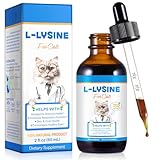
- Supports Immune Health & Overall Wellness – This L-Lysine supplement for cats helps strengthen your cat‘s natural defenses. Enriched with Astragalus and B Vitamins (B1, B2, B6), it supports antibody production and immune system function to keep your feline friend healthy and active every day.
- Promotes Upper Respiratory Comfort – Lysine is widely recommended to help manage common upper respiratory symptoms in cats, including sneezing, nasal congestion, and runny eyes. Our liquid lysine formula supports respiratory function and helps your cat breathe easier.
- Helps Reduce Tear Stains & Supports Eye Health – Regular use of this lysine drops for cats may help minimize excessive tearing and reduce unsightly tear stains. Combined with Vitamin A, it supports healthy eye function and maintains bright, clear eyes.
- Promotes Healthy Skin & Shiny Coat – 100% Natural Formula – This liquid cat supplement is made with all-natural ingredients, free from grain, corn, soy, gluten, and artificial preservatives. Vegetable glycerin base and natural roast chicken flavoring make it easy to administer and highly palatable for even picky eaters.
- Easy-to-Use Liquid Drops for Fast Absorption – No pills or messy powders. Simply add to your cat‘s food bowl, mix with treats, or administer directly orally using the included dropper. Shake well before use. Adjust based on weight: up to 10 lbs use 1 dropper (1 mL); over 10 lbs use 2 droppers (2 mL), 1-2 times daily..
Zonisamide is not FDA-approved specifically for treating cats. The DailyMed label reviewed for zonisamide oral suspension is for adjunctive treatment of partial-onset seizures in people aged 16 and older; human dosing and directions should not be applied to cats. DailyMed: ZONISADE prescribing information.
What side effects can zonisamide cause in cats?
More commonly reported effects
Reported effects in cats include reduced appetite, vomiting, diarrhea, unsteady walking (incoordination), and sleepiness or sedation. Merck summarizes a small long-term, high-dose study in which 3 of 6 cats developed gastrointestinal upset. That observation is not an estimate of how often side effects occur with routine prescribing.
Quick wins for a faster PC:
Fix the driver behind crashes, sound loss and screen glitchesFind Drivers →Repair Windows errors before they cause bigger problemsFix Now →Scan for outdated or missing drivers - takes under a minuteDriver Scan →Rank #3

- ATOPIC DERMATITIS ITCH RELIEF Specifically formulated to relieve itching, repeated scratching, redness, inflammation, and skin irritation associated with cat atopic dermatitis, delivering long-lasting relief and improved skin comfort.
- SUPPORTS SKIN COMFORT Helps maintain normal skin comfort and supports a healthy skin barrier for daily wellness and long-term care.
- HELPS REDUCE OCCASIONAL SCRATCHING Supports healthy skin condition and helps reduce occasional scratching, rubbing, and excessive grooming associated with everyday skin sensitivity.
- EASY DAILY TABLETS Convenient tablets are easy to administer and fit seamlessly into your cat's daily wellness routine.
- VET RECOMMENDED Recommended by veterinarians for daily nutritional support to help maintain healthy skin, coat condition, and overall comfort.
In the 2023 retrospective study, reported events among cats receiving zonisamide-containing treatment included vomiting, diarrhea, and increased sleeping. The authors described observed adverse events as curable, but the abstract does not give a complete zonisamide-specific event rate. Merck Veterinary Manual: Anticonvulsants for Treatment of Animals; Yoshida et al., 2023 study abstract.
Signs that need prompt veterinary advice
Contact the veterinarian promptly if your cat stops eating, becomes dramatically lethargic, or develops yellowing of the skin, gums, or whites of the eyes. Merck also describes potential serious sulfonamide-related concerns, including blood-cell disorders, liver effects, vasculitis, and metabolic acidosis, as well as rare reports of pseudolymphoma and suspected hypersensitivity involving enlarged lymph nodes and pancytopenia. These are potential or rare concerns, not expected effects in every cat. If your cat has severe or rapidly worsening symptoms, seek urgent veterinary care. VCA Animal Hospitals: Zonisamide; Merck Veterinary Manual: Epilepsy in Small Animals.
Rank #4

- FELINE BIOME PROBIOTIC STRAINS FOR CAT GUT HEALTH: Vet-inspired probiotic for cat strains formulated as cat probiotics for diarrhea support. Helps balance the microbiome, support digestion, and promote digestive comfort with one soft chew daily.
- IMMUNE SUPPORT THROUGH CAT PROBIOTICS: Support your cat’s immune health with biome cat food that help nurture the gut microbiome. Provides cat digestive support for sensitivities, occasional upset, and overall feline wellness with daily use.
- CLEAN INGREDIENTS IN EVERY HEALTHY TREAT: Real chicken liver, organic palm oil, catnip, and garbanzo flour—no fillers or artificial additives. Feline probiotics for cats and cat probiotics for indoor cats crafted with ingredients you can trust.
- PROBIOTIC TREATS FOR CATS: Our probiotic cat soft chews with real chicken liver flavor. Easy cat diarrhea treatment option with no powders or pills. One tasty under the weather cat supplement that supports healthy digestion and overall wellness.
- CAT HEALTH CARE MADE IN THE USA TO HUMAN-GRADE STANDARDS: Expertly crafted in an FDA-registered, cGMP-certified facility. NASC-audited and USDA-authorized, our cat probiotic supplements deliver trusted quality, safety, and care you can rely on.
Interactions and monitoring
Phenobarbital can increase zonisamide clearance. VCA notes that this effect may continue for up to 10 weeks after phenobarbital is discontinued. Tell the prescribing veterinarian about every prescription medicine, supplement, vitamin, and herbal product your cat receives; do not adjust either antiseizure medicine yourself. VCA Animal Hospitals: Zonisamide.
Keep a record of seizures and possible side effects to help the veterinarian assess treatment. The veterinarian may also monitor blood zonisamide levels, particularly when seizures are not well controlled. A general animal therapeutic range should not be treated as a validated target for cats; the appropriate interpretation and any testing schedule belong to the veterinarian. Merck Veterinary Manual: Epilepsy in Small Animals; VCA Animal Hospitals: Zonisamide.
The Tool Desk
Outbyte Driver Updater FREEFix the driver behind crashes, sound loss and screen glitchesFind Drivers →Outbyte PC Repair FREERepair Windows errors before they cause bigger problemsFix Now →How is zonisamide given, and can it be stopped suddenly?
VCA describes oral capsules and compounded oral liquid as possible forms; it may be given with or without food. Follow the dispensing label and the veterinarian’s directions for your cat’s exact formulation. Do not stop zonisamide suddenly, because seizures may occur. If a dose is missed, your cat vomits after receiving it, the formulation changes, or you are considering stopping treatment, contact the prescriber rather than improvising a dose.
VCA classifies zonisamide as a hazardous drug and advises wearing gloves when handling it. It cautions pregnant or nursing people against handling the medicine. Follow the current pharmacy instructions and ask the veterinary team about safe handling in your household. VCA Animal Hospitals: Zonisamide.
Quick Recap
What should you ask the veterinarian?
- Why is zonisamide being considered for this cat, and what change in seizure frequency or severity would count as a response?
- How should it fit with the cat’s current medicines, especially phenobarbital?
- What side effects should prompt a call, and which signs require urgent care?
- What seizure and side-effect records or blood monitoring would help assess the plan?
- What should you do if a dose is missed, the cat vomits, or the medicine needs to be stopped?
Product prices and availability are accurate as of the date/time indicated and are subject to change. Any price and availability information displayed on Amazon at the time of purchase will apply.




