Recommended Free Tools
To keep a rabbit healthy, provide unlimited suitable hay, clean and well-ventilated housing, fresh water, exercise, grooming, and regular veterinary care—and contact a rabbit-experienced veterinarian promptly when appetite, droppings, breathing, or behavior changes. Rabbits often hide illness. A rabbit that stops eating, develops diarrhea, or produces no droppings for more than 12 hours needs prompt veterinary attention.
The six conditions below are important illnesses covered by veterinary references, not a prevalence-ranked list of the six most common rabbit diseases. A veterinarian must diagnose the cause and recommend treatment.
Signs of illness in rabbits that need veterinary attention
Call a veterinarian promptly if your rabbit stops eating, has diarrhea, or has no droppings for more than 12 hours. Digestive problems can become life-threatening, and waiting to see whether appetite or droppings return may delay necessary care.
Other warning signs include weight loss, low energy, a hunched posture, tooth grinding, drooling, nasal or eye discharge, fur loss or red and swollen skin, dark red urine, unusual hopping or movement, and trouble breathing. The MSD Veterinary Manual lists a temperature below 100.4°F (38°C) or above 105°F (40.6°C) as a sign of illness; do not try to take your rabbit’s temperature unless a veterinarian has shown you how. See the manual’s signs of illness in rabbits guidance.
#1 Best Overall

- EASY TO MIX FORMULA: Oxbow Critical Care Herbivore blends easily with water for syringe feeding; Essential for any pet care emergency kit, this veterinarian-approved formula provides recovery support for rabbits, guinea pigs, and other herbivores
- VERSATILE & EASY TO PREPARE: Oxbow Critical Care Herbivore is a must-have for bunny supplies and rabbit supplies; Simply mix with warm water for the right consistency; This essential guinea pig food and rabbit food supports recovery with vitamin C!
- HIGH FIBER: Our formula is made with timothy hay for guinea pigs and rabbits to support digestion; Critical Care Herbivore provides essential nutrients with low carbohydrates, making it a key addition to any pet care emergency kit for small herbivores
- PREBIOTIC RICH FORMULA: Oxbow Critical Care Herbivore supports gut health with beneficial prebiotics and chelated minerals; This essential rabbit food and guinea pig food is a vital addition to any pet care emergency kit for small herbivores
- SMALL PET SAFE: Our formula contains no refined sugars, artificial preservatives, or simple carbohydrates; Our formula supports recovery for guinea pigs, rabbits, and other herbivores, making it an addition to your bunny food and guinea pig food supplies
Difficulty breathing warrants urgent veterinary care. If you suspect heatstroke, contact a veterinarian or emergency clinic immediately. For other concerning changes, call promptly and describe when they began, what your rabbit is eating and passing, and any changes in behavior. A rabbit-experienced veterinarian is the authority on diagnosis and treatment.
Six important rabbit illnesses
1. Gastrointestinal stasis and other digestive problems
Gastrointestinal (GI) stasis means the digestive tract has slowed. It may be associated with too little dietary fiber or another underlying problem, such as dental disease. Signs can include reduced appetite, fewer droppings, diarrhea, bloating, pain behavior, and low energy. Stasis and intestinal obstruction can be life-threatening, and a veterinarian may need imaging to tell them apart.
Rank #2

- SUPPORTS DIGESTIVE HEALTH IN RABBITS & GUINEA PIGS: Helps maintain healthy digestion in rabbits & guinea pigs; ideal for pets with sensitive stomachs or prone to GI stasis, promoting better gut motility, nutrient absorption, & overall digestive wellness
- HIGH-FIBER FORMULA WITH NATURAL INGREDIENTS: Made with Timothy grass, chicory root, and ginger root to support gut health; provides fiber for regular digestion and a balanced microbiome, great for rabbits and guinea pigs needing extra digestive care
- VETERINARIAN-FORMULATED FOR GI HEALTH: Formulated with the guidance of leading veterinarians and nutritionists to support digestive health; supports overall wellness, giving rabbit and guinea pig owners confidence in providing daily digestive care
- TASTY, HAY-BASED TABLETS PETS LOVE: Delicious, easy-to-feed chewable tablets simplify daily supplementation; rabbits and guinea pigs enjoy the natural hay taste, making these treats an effective, zero stress way to support digestive health
- PREMIUM QUALITY, MADE IN THE USA: Proudly crafted in the USA with high-quality, globally sourced ingredients; contains no artificial colors, flavors, or preservatives, so rabbit and guinea pig owners can confidently support digestive health every day.
Not every digestive problem is a “hairball.” True obstructive hairballs are uncommon, and assuming that one is the cause can obscure a different, urgent problem. Diarrhea is serious at any age; young rabbits also face additional infectious and diet-related digestive risks. Do not force-feed, give laxatives, or use medication unless a veterinarian directs you to do so. Learn more about digestive disorders of rabbits.
2. Dental disease
Rabbit teeth grow throughout life. Chewing wears them down, but malocclusion—misalignment of the teeth—can cause uneven wear and overgrown incisors or cheek teeth. Watch for drooling, trouble eating or drinking, difficulty closing the mouth, or visible overgrowth. Hay supports natural tooth wear, but it cannot correct a dental problem. Assessment may require a sedated examination or imaging; abscesses can require extraction or ongoing veterinary management. Do not trim teeth at home. See rabbit dental care.
Rank #3

- Supports dental health through natural chewing activity
- Ideal for bonding and playtime
- Great enrichment and foraging for small animals
- Provides the natural high fiber of timothy grass hay
- For pet rabbits, hamsters, chinchillas, and other small animals
3. Respiratory disease
Respiratory disorders include pasteurellosis, rhinitis (often called “snuffles”), and pneumonia. Rhinitis may begin with watery discharge from the nose or eyes that becomes thicker. A rabbit wiping its nose with its front paws may develop stained or thinned fur there. Causes can include infection, dental disease, irritants, or a foreign object. Poor ventilation and dirty housing raise pneumonia risk. Because treatment depends on the cause, a veterinarian should assess discharge or other respiratory signs; breathing difficulty is urgent. Read about lung and airway disorders.
4. Parasitic disease, including coccidiosis
Coccidiosis is caused by Eimeria protozoa and can affect the liver or intestines. Infection can spread through contaminated food or water, and young rabbits are at greatest risk. A veterinarian can use fecal testing to help diagnose it. Treatment may control infection rather than eliminate it, making cage hygiene important. Parasite prevention and treatment depend on the rabbit’s exposure and veterinary assessment; there is no single protocol that fits every rabbit. See the MSD Veterinary Manual’s guidance on disorders affecting multiple body systems.
Rank #4

- 【20 PCS SET】1x apple wood molar string,1x timothy cake string,2x loofah toys,3x timothy grass ball with flowers, 1x rabbit shape grass cake,5x grass sticks,2x woven carrots,4x rattan balls
- 【NATURAL MATERIAL 】 All toys are made of natural materials such as apple wood, loofah,timothy grass,wood vines,very safe for your lovely pets to play and chew. there materials are not only rich in fibers can clean your pet’s tooth,promote digestion,but also excellent toys for exercising and relieving stress
- 【KEEP TEETH HEALTHY 】The bunny chewing toys can be used to grind teeth,by chewing these toys can prevent teeth from growing too fast which may cause uncomfortable ,it can relievve intestinal inflammations and mild pain,keep your pets’ tooth clean and healthy,no more worries about your furniture get bite
- 【MULTIPLE BENEFITS】these rabbits chew toys are rich in fibers,very good for digestion,can easily attract your pets to play and exercise ,you can interact with your little ones,it will foster relationships with them.
- 【WIDE USES 】These bunny chew toys can be hang in the cages with hooks,fit for rabbits,bunny, hamsters, guinea pigs, squirrel, rabbits,chinchillas, parrot,, providing more fun for your pets.
5. Heatstroke
Rabbits are sensitive to heat. The MSD Veterinary Manual gives about 50–70°F (10–21°C), with moderate humidity and airflow, as ideal environmental conditions and notes particular risk above 80°F (27°C). Rapid breathing and stretching out can be signs of heatstroke. If you suspect it, call a veterinarian or emergency clinic immediately and follow their instructions while arranging care; do not treat home measures as a substitute for veterinary attention. See the manual’s noninfectious rabbit disease guidance.
6. Uterine adenocarcinoma
Uterine adenocarcinoma is described by the MSD Veterinary Manual as the most common rabbit tumor. Many veterinarians recommend spaying female rabbits at 5–6 months or later because of this risk, but the right timing and suitability depend on the individual rabbit. Discuss the benefits and risks with a veterinarian rather than treating one age as universal. See the manual’s noninfectious disease information.
Quick wins for a faster PC:
Fix the driver behind crashes, sound loss and screen glitchesFind Drivers →Repair Windows errors before they cause bigger problemsFix Now →Best Value
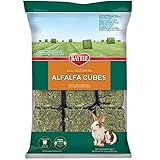
- High Protein For Growing Small Animals
- Supports Digestive Health
- Great Natural Source Of Fiber That Complements Any Kaytee Fortified Food
- No Artificial Color Or Preservatives.
- Grown In The Usa
Routine care that can reduce health risks
- Make suitable hay available without limit. Pair it with a balanced, rabbit-appropriate diet. Ask a veterinarian about adjustments for your rabbit’s age and health; fiber also supports normal digestion and tooth wear.
- Maintain a healthy weight and encourage activity. Provide appropriate exercise, low-stress housing, and safe enrichment and chew options. These support wellbeing but cannot guarantee that disease will be prevented.
- Keep the living area clean and ventilated. Provide fresh water and remove soiled material. Good hygiene matters particularly when a contagious or parasitic illness is possible.
- Brush regularly, especially during shedding. Grooming removes loose hair and can help you notice changes in the coat or skin. It does not rule out or treat a digestive problem.
- Plan preventive care with a rabbit-experienced veterinarian. At an initial examination, ask about dental assessment, fecal testing, parasite exposure, spaying or neutering, and any region-specific vaccines. Testing recommendations, including for E. cuniculi, depend on geography, exposure, and clinical judgment. Professional guidance is available in the Merck Veterinary Manual’s rabbit management reference.
RHDV2: ask about local risk and vaccine access
Rabbit hemorrhagic disease virus 2 (RHDV2) calls for a location-specific conversation about biosecurity and vaccination. USDA APHIS reports that outbreaks are ongoing and gives a 50–100% case-fatality range for rabbit hemorrhagic disease. That is an agency-reported disease-level range, not a prediction for an individual rabbit. APHIS reports a conditionally licensed vaccine in the United States, but availability varies by state; ask your veterinarian or state animal health officials about local access and risk. See USDA APHIS information on rabbit hemorrhagic disease and its rabbit product summaries.
Follow veterinary and public-health biosecurity advice: isolate sick rabbits, clean and disinfect appropriately, avoid contact with wild rabbits, and prevent contaminated equipment, clothing, shoes, or hands from exposing your rabbits.
Do not self-prescribe rabbit medication
Medication safety differs between rabbits and cats or dogs. Some oral antibiotics can cause severe diarrhea or death in rabbits, and fipronil must not be used in rabbits. Do not give a rabbit a medication or flea product based on advice intended for another species; ask a veterinarian before using any treatment.
Quick Recap
Product prices and availability are accurate as of the date/time indicated and are subject to change. Any price and availability information displayed on Amazon at the time of purchase will apply.




