The Tool Desk
Outbyte PC Repair FREERepair Windows errors before they cause bigger problemsFix Now →Outbyte Driver Updater FREEFix the driver behind crashes, sound loss and screen glitchesFind Drivers →Start with your veterinarian, not a breed-based weight chart or a smaller scoop. Your vet can assess your dachshund’s body and muscle condition, check for health or mobility issues, and set an individual target and daily calorie allowance. Then measure every meal, count treats and scraps, increase suitable activity gradually, and track progress so the plan can be adjusted safely.
How to tell whether your dachshund needs to lose weight
A scale reading alone cannot show whether a dog is overweight or losing muscle. The ideal canine body-condition score is 4–5 on a 9-point scale, according to AAHA guidance summarized by the U.S. Food and Drug Administration. On an ideal dachshund, the ribs are easy to feel but not visible, the waist is visible from above, and the abdomen tucks up slightly from the side, according to Dachshund Health UK.
Ask your veterinarian to assess body condition and muscle condition together. Dachshunds are among the breeds Merck lists as having increased obesity risk, but breed does not determine an individual dog’s ideal weight or calorie needs. Age, neuter status, lifestyle, health, and current condition all matter.
Get an individual target and calorie plan
At the appointment, ask whether weight loss is appropriate, what target to aim for, and how many calories your dog should receive each day. Cornell’s veterinary guidance notes that calorie needs vary with factors such as age, neuter status, lifestyle, and body-condition score; there is no single calorie allowance that fits every dachshund.
#1 Best Overall

- Weight control dog food made with high-quality protein sources, including real turkey as the number 1 ingredient, to promote strong muscles including a healthy heart
- Four antioxidant sources in this wholesome dog food for immune support for dogs, and natural glucosamine sources support dog joint health
- Deliciously crunchy dog kibble and tender meaty morsels combine for a taste and texture dogs love and work with added calcium for a premium dog food that supports strong teeth and healthy gums
- Purina ONE Plus Healthy Weight High-Protein Formula dog food features omega-6 fatty acids, vitamins and minerals to support a shiny, healthy skin and coat for dogs
- Adult dog food is crafted in Purina-owned U.S. facilities and supplies 100 percent complete and balanced nutrition for adult dogs with 0 percent fillers, meaning every ingredient has a purpose
Bring a complete diet history so the plan accounts for everything your dog consumes. Include the food brand and amount, treats, table scraps, chews, supplements, and who feeds the dog. Also mention medications, changes in activity, and any difficulty walking or playing. These details help your veterinary team set a realistic plan and identify issues that may affect it.
Measure food and count every extra
Follow the portion and food plan agreed with your veterinarian. Use the same measuring method consistently; a digital kitchen scale can make portions easier to measure accurately. Cornell emphasizes that accurate measurement matters because heaping or inconsistent portions add calories without being obvious.
Rank #2

- High-protein weight management dog food with real chicken to support lean muscle mass.
- Contains 15 percent less fat than Purina Pro Plan adult dog food for weight control.
- Fortified with dog probiotics to support digestive and immune health and balanced microbiome
- Crunchy kibble and tender shredded pieces for texture dogs love.
- Complete and balanced dry dog food for adult dogs needing healthy weight support.
Count treats, scraps, chews, and rewards in the daily total. Cornell recommends keeping treats to about 10% of daily calories, and Merck advises keeping them below 10% to avoid disrupting nutrient balance. Unless your veterinarian gives a different target, use the 10% guidance as a ceiling, not an extra allowance on top of the plan. Where practical, reserve some of your dog’s measured daily food for rewards.
Choose a suitable food rather than simply cutting the scoop
Do not substantially restrict an ordinary maintenance food or switch diets without discussing it with your veterinarian. Cornell notes that a purpose-formulated weight-loss diet may provide fewer calories per cup and more fiber, while cutting back an ordinary maintenance diet can risk nutritional deficiencies. The right option depends on your dog and the calorie plan; food labels and calorie density should be reviewed with the veterinary team.
Recommended Free Tools
Rank #3
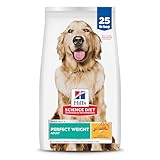
- Breakthrough formula made to positively impact the unique cell function of overweight pets, and support healthy metabolism and body weight
- Safe and effective weight loss with visible results within 10 weeks
- Made with natural ingredients
- Made in the USA with global ingredients you can trust
- Hill's Pet Nutrition is the US Veterinarians' #1 recommended brand
A homemade restricted-calorie diet should not be improvised. VCA notes that these diets need specialist formulation to be nutritionally balanced; ask your veterinarian about referral to a veterinary nutritionist if you want to pursue one.
Add activity gradually and keep it comfortable
Pair feeding changes with activity your dog can tolerate. Cornell recommends low-impact options such as walking or swimming and gradual conditioning for dogs that have been inactive. Ask your veterinarian what is appropriate for your dachshund’s current fitness, mobility, and health, then build up at a manageable pace rather than trying to offset extra calories with sudden strenuous exercise.
Rank #4

- High-protein weight management dog food with real chicken to support lean muscle mass.
- Contains 15 percent less fat than Purina Pro Plan adult dog food for weight control.
- Fortified with dog probiotics to support digestive and immune health.
- Includes dog gut health probiotics for a balanced microbiome.
- Crunchy kibble and tender shredded pieces for texture dogs love.
Track progress and adjust with your veterinarian
Record your dachshund’s weight and body-condition observations over time, not just the number on the scale. Dachshund Health UK recommends tracking both and notes that unexplained weight changes can be medically important; weight loss can also include muscle loss. Share the record with your veterinary team.
Cornell recommends weighing at least every two weeks during a plan. Its general canine guidance describes 1–2% of body weight per week as an expected safe rate during a weight-loss program; that is not a dachshund-specific guarantee or an individual prediction. Your veterinarian can adjust the plan if progress is too fast or slow, or if your dog seems unwell. Do not use starvation or severe restriction: Merck states that “Starvation is never a safe or humane way to cause weight loss.”
Do these 3 things before closing this tab:
1Fix the driver behind crashes, sound loss and screen glitches2Repair Windows errors before they cause bigger problems3Scan for outdated or missing drivers - takes under a minuteBest Value

- REAL CHICKEN FIRST: Blue Buffalo dry dog food starts with real chicken as the first ingredient to help support healthy, lean muscles in adult dogs
- BALANCED NUTRITION TO HELP WEIGHT MANAGEMENT: This BLUE dog food provides the ideal caloric balance and complete daily nutrition for adult dogs with chicken for protein, wholesome carbohydrates for energy, and other natural ingredients
- EXPERT-LED NUTRITION: Designed to help your pet thrive from the inside out, Blue Buffalo dog food formulas are developed by a dedicated team of veterinarians and animal nutritionists
- COMPLETE NUTRITION: This BLUE dog food without grains provides balanced daily nutrition for adult dogs with chicken for protein, wholesome carbohydrates for energy, and other natural ingredients
- SUPPORTS IMMUNE SYSTEM HEALTH: BLUE Life Protection Formula grain free dog food features exclusive LifeSource Bits, a precise blend of antioxidants, vitamins, and minerals that are formed at a lower temperature to ensure optimal potency
Why an online calculator cannot set the plan
A calculator can offer an estimate, but it cannot examine your dog, assess muscle condition, account fully for its history, or provide follow-up. The Association for Pet Obesity Prevention describes its staged calculator as a veterinary-use planning aid and says its assumed rate is not a prediction for an individual animal. Use your veterinarian’s assessment and monitoring to determine the actual target and feeding plan.
Quick Recap
Product prices and availability are accurate as of the date/time indicated and are subject to change. Any price and availability information displayed on Amazon at the time of purchase will apply.




