Start with your pet’s own veterinarian and veterinary team. Use established veterinary associations and government agencies for general education. Treat everything else online as a way to prepare questions, not as a diagnosis. The American Veterinary Medical Association (AVMA) names a pet’s veterinarian, the veterinary staff, and its own pet-care pages as reliable sources. The rest of this guide shows you how to judge a page, buy medicine online safely, and understand what telehealth can and can’t do.
Why general advice can’t replace your vet
A web page can’t examine your animal. Your veterinarian can weigh exam findings, medical history, current medicines, and follow-up needs. A page can’t do any of that, however well written it is.



Government sources say this about themselves. The FDA’s Center for Veterinary Medicine states: “CVM does not provide veterinary advice. If you have a concern about your pet’s health, please talk to your veterinarian.” Even an official regulator treats its pages as general information.
Which sources to trust first
1. Your veterinary practice
Anything that depends on symptoms, a diagnosis, a prescription, or your pet’s age and condition belongs here. If an online claim worries you, ask the practice about it.
Quick wins for a faster PC:
Scan for outdated or missing drivers - takes under a minuteDriver Scan →Repair Windows errors before they cause bigger problemsFix Now →Fix the driver behind crashes, sound loss and screen glitchesFind Drivers →#1 Best Overall
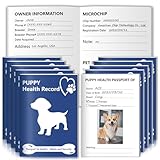
- Sufficient Quantity:When you choose our dog vaccines records, you'll receive 10 notebook.Whether you're a breeder, veterinary practice, or multi pet household, this will ensure you have enough documentation on hand for managing each pet's health history。Every puppy vaccination record book has 12-page puppy health journal has 8 dedicated pages for tracking your pup’s health, vet visits, and key details, with 4 blank pages at the end for jotting down extra notes, pet-related info, or anything else you want to record.
- .Ideal Size for Record Keeping:Each dog vaccine record book measures 5x3.5 inches folded; 5x7 inches unfolded, allowing for easy portability and storage.These handy health records notebook for dogs with double sided printing, featuring enough space and columns for all your pets important information,plus, it has dedicated spots for sticking on vaccine stickers and adding cute puppy photos.They offer a stylish and organized approach to pet health documentation, a must have addition to your pet supplies.
- Premium Quality: The puppy health record tracker’s cover features 300gsm coated paper with vibrant full-color printing and a protective laminate finish. Inside, 100gsm high-quality offset paper pages are durable and ink-resistant, ensuring no bleeding from pens or markers—so your records stay neat and easy to read.
- .Effortlessly Track Vaccinations and More:The canine health record booklets pages include:owner and puppy information,medical history and hospitalizations,vaccination record and sticker,dog service providers,fecal examinations and de-worming,heartworm screening, prevention and treatment etc.This record keeping tool will ensure every important detail is accounted for and make this task easy, organized, and straightforward.Add this essential tool to your pet supplies for a happier, healthier pet.
- Essential for Pet Owners:Designed for veterinary clinics and pet owners, these puppy vaccination record books make tracking key health details—like shots, checkups, and treatments—simple and organized. When you’re away and leave your pup with a sitter or family, the dog medical record and vaccine book serves as a quick reference for their medical history, ensuring care stays on track even in your absence. Plus, dedicated sections for photos, physical markings, and ID info prepare you for emergencies, helping you recover your friend quickly if they ever get lost.
2. Veterinary associations
The AVMA’s pet-owner resources cover topics such as getting pet health information online and first aid. The American Animal Hospital Association (AAHA) publishes consumer explainers on telehealth and position statements on veterinary practice.
3. Government agencies
For medicine safety, product rules, and pharmacy licensing, the FDA and state pharmacy boards are the primary authorities.
None of these bodies publishes a universal trustworthiness score for websites. The checklist below is a set of practical editorial checks, not an official rating system.
Rank #2
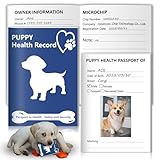
- Product Include:When you choose our dog vaccines records tracker, you'll receive one notebook.This 12-page puppy health journal has 8 dedicated pages for tracking your pup’s health, vet visits, and key details, with 4 blank pages at the end for jotting down extra notes, pet-related info, or anything else you want to record.
- Ideal Size for Record Keeping:Each dog vaccine record book measures 5x3.5 inches folded; 5x7 inches unfolded, allowing for easy portability and storage.These handy health records notebook for dogs with double sided printing, featuring enough space for all your pets important information,plus, it has dedicated spots for sticking on vaccine stickers and adding cute puppy photos.They offer a stylish and organized approach to pet health documentation, a must have addition to your pet supplies.
- Premium Quality: The puppy health record tracker’s cover features 300gsm coated paper with vibrant full-color printing and a protective laminate finish. Inside, 100gsm high-quality offset paper pages are durable and ink-resistant, ensuring no bleeding from pens or markers—so your records stay neat and easy to read.
- Effortlessly Track Vaccinations and More:The canine health record booklets pages include:owner and puppy information,medical history and hospitalizations,vaccination record and sticker,dog service providers,fecal examinations and de-worming,heartworm screening, prevention and treatment etc.This record keeping tool will ensure every important detail is accounted for and make this task easy, organized, and straightforward.Add this essential tool to your pet supplies for a happier, healthier pet.
- Essential for Pet Owners:Designed for veterinary clinics and pet owners, these puppy vaccination record books make tracking key health details—like shots, checkups—simple and organized. When you’re away and leave your pup with a sitter or family, the dog medical record and vaccine book serves as a quick reference for their medical history. Plus, dedicated sections for photos, physical markings, and ID info prepare you for emergencies, helping you recover your friend quickly if they get lost.
A checklist for judging any page, post, or video
- Who wrote it? Look for a named author with stated veterinary qualifications and a role. A title or a personal story doesn’t show that a recommendation fits your animal.
- Who stands behind it? An accountable organization, such as a clinic, association, or agency, is a better sign than an anonymous account.
- Is it general education or individual advice? A page that claims to tell you what is wrong with your pet, without ever seeing it, is overstepping.
- Does it state its limits? Good material explains context, names risks, and says when to contact a veterinarian.
- Is it dated? Drug guidance and legal requirements change. Don’t assume an old post reflects current rules or evidence.
- Is a commercial interest disclosed? Check whether the author sells or earns from the product being recommended.
Red flags that call for a pause
- Promises of a cure.
- Dismissal of professional care.
- Suggestions to stop or change a prescribed medicine without consulting the veterinarian.
When you hit one of these, don’t act on it. Ask your clinician.
Do these 3 things before closing this tab:
1Scan for outdated or missing drivers - takes under a minute2Clear out junk files and repair common Windows errors3Fix the driver behind crashes, sound loss and screen glitchesTake consequential claims to your vet
If a claim could affect your pet’s health, medicines, or safety, save the link or a screenshot. Then ask your veterinarian what, if anything, applies to your pet.
Buying pet medicine online: the FDA’s A.W.A.R.E. checks
Before you buy, talk with your veterinarian about the medicine, its price, dosage, and side effects, and whether it suits your animal. The FDA says prescription veterinary medicines require a valid prescription from a licensed veterinarian.
Verify the pharmacy
The pharmacy should be licensed in the state where it is based and in the states where it fills prescriptions. The FDA points readers to state boards of pharmacy for these checks.
Warning signs the FDA lists
- The seller doesn’t require a prescription for a prescription medicine.
- No licensed pharmacist is available to answer questions.
- There is no physical business address or phone number.
- Privacy and security information is missing.
- Prices are unusually low.
- Medicine arrives unexpectedly or looks different from what you expected.
- Payment is limited to Bitcoin or money-transfer services.
If a medicine looks different or seems to cause a problem, don’t give it to your pet. Contact your veterinarian and the seller.
Telehealth: useful for access, limited by scope and law
“Telehealth” covers several different services. AAHA separates them:
| Term | What it means (AAHA) |
|---|---|
| Teleadvice | General information |
| Teletriage | Assessing whether veterinary care is needed |
| Telemedicine | Evaluation, diagnosis, and treatment, where permitted |
| Teleconsulting | A primary veterinarian consulting a specialist |
Laws vary by state, and a veterinarian may still recommend an in-person visit.
The veterinarian-client-patient relationship (VCPR)
AAHA’s position statement, adopted by its Board in September 2019, calls the VCPR “the essential basis for interaction among veterinarians, their clients, and their patients.” It says the veterinarian should know the animal well enough to make a preliminary diagnosis. That includes a physical examination within the preceding 12 months, or more often depending on the animal’s age, condition, or treatment.
That is AAHA’s published position, not the law where you live. Check your state’s current requirements.
Recommended Free Tools
Questions to ask any telehealth service
- Which of the services above does it provide, and what is it legally allowed to do where you live?
- Are the veterinarians licensed, and can you verify their credentials?
- How does it connect with your pet’s existing practice?
- How does it handle the VCPR?
- When does it send you to an in-person exam or an emergency clinic?
Comparing two sources that disagree
Run both through the same filters: author qualifications and accountability, general versus individualized advice, evidence and update date, whether risks and when to seek care are stated, and whether commercial interests are disclosed. The source that is accountable, current, candid about limits, and free of undisclosed profit usually deserves more weight. For a real conflict about your pet, your veterinarian is the tiebreaker.
No reliable figure for how common bad online pet advice is turned up in the official sources reviewed, so this guide doesn’t offer one.
Keep an offline reference for emergencies
The AVMA’s pet-owner resources include first-aid information. A printed pet first-aid handbook can be a useful supplement. Choose a current edition by a qualified veterinary author. Keep your veterinarian’s and the nearest emergency clinic’s phone numbers beside it, because they are the source for instructions specific to your pet.
Quick Recap
Product prices and availability are accurate as of the date/time indicated and are subject to change. Any price and availability information displayed on Amazon at the time of purchase will apply.
Free tools Windows power users keep installed
One-click scans. No signup required.




