A few stray strands of plain hay will often pass without trouble, but no veterinary source we reviewed gives a dog-specific safe amount of hay or horse feed. If your dog ate a large or unknown quantity, a feed that lists supplements or medication, or is showing any symptoms, call a veterinarian promptly. Don’t induce vomiting or give a home remedy unless a vet tells you to.
What to do right now
- Remove access. Take away the remaining feed and hay, and keep the dog out of the feed room or stable.
- Identify the product. Keep the bag or tag, or photograph the front, the ingredient list and the guaranteed analysis. Note any added minerals, vitamins, yeast or medication.
- Estimate the exposure. Work out roughly how much was eaten, when, and what the dog weighs. Check how much is missing from the bag or bucket.
- Call your vet or an emergency clinic if the amount was large or unknown, the feed contains supplements or medication, or the dog has any symptoms. Give them the details above.
- Don’t treat at home. Don’t make the dog vomit, give medication or try a folk remedy without veterinary direction. The sources we reviewed give no home decontamination protocol for horse feed.
Go to urgent care for repeated vomiting, marked belly pain or swelling, weakness, or a dog that is getting worse.
Is hay itself dangerous to dogs?
We found no dog-specific study that defines how safe hay is or sets a safe dose. Hay is forage, but it varies in type and condition, and a dog can’t digest it the way a horse does. A small nibble with no symptoms is a different situation from a dog that has swallowed a mouthful of coarse, dry material. Fibrous bulk is the reason vets think about gastrointestinal blockage. That is a general foreign-body concern, not a documented hay-specific risk rate.
Why “horse feed” isn’t one thing
Horse feeds differ a great deal. The Merck Veterinary Manual’s guide to feeding horses and other equids notes that grain-based concentrates may be textured grain, pellets or extruded feed, and that cane molasses is frequently added to grain mixtures. Supplements can add further ingredients. This is why the label matters more than the words “horse feed.” These details don’t show that ordinary feed is toxic to dogs. They show that you can’t judge the exposure without knowing the product.
#1 Best Overall

- Made from high-quality sun-cured forage
- Formed into ¼ inch hay pellets that are easy to measure and to feed
- High in protein to support active and growing horses and goats
- Low in carbohydrates, making it an excellent option for carb-sensitive animals
- Accurate portion control, minimal waste, and high fiber content for healthy digestion
Supplements and minerals
The Merck Veterinary Manual’s selenium poisoning entry says all animal species are susceptible, and that severity depends on how much and for how long. It lists feed, forage and grains among the sources considered when diagnosing it. That doesn’t mean a given horse feed contains a harmful dose. It is a reason to tell your vet about every supplement on the label.
One published case report (2013, indexed on PubMed) shows how a supplemented feed can complicate things. It is titled “False hyperchloraemia in a dog secondary to ingestion of horse feed supplemented with potassium bromide.” The abstract describes a dog with acute abdominal distension that had access to dog food and possibly horse feed made up of chaff, pony cubes, and vitamin, mineral and yeast supplements. It is a single case. It gives no general risk rate or threshold.
Rank #2

- 13% Protein - Provides a steady source of energy without the risk of excessive protein intake, reducing the risk of behavioral issues such as hyperactivity or excitability
- Low in carbohydrates – a great option for insulin-resistant or carb-sensitive animals
- Metabolic Safe - non sugar source of calories for horses with special dietary needs
- Minimal waste - can be accurately weighed and measured
- Minimal Dust - May reduce the risk of respiratory issues associated with dusty hay
Symptoms to watch for
VCA Animal Hospitals’ article on foreign-body ingestion lists these possible signs:
- Vomiting or diarrhea
- Abdominal tenderness or pain, including reacting when the belly is handled
- Decreased appetite
- Straining to defecate, or passing only small amounts of stool
- Lethargy and behavior changes
VCA calls obstruction “one of the more common and potentially life-threatening conditions seen in veterinary practice.” That describes foreign bodies in general, not hay or feed specifically. A suspected obstruction can be time-sensitive. A vet may use a physical exam and abdominal radiographs, and treatment can range from close observation to surgery.
Do these 3 things before closing this tab:
1Fix the driver behind crashes, sound loss and screen glitches2Repair Windows errors before they cause bigger problems3Scan for outdated or missing drivers - takes under a minuteRank #3

- 100% Pure Timothy Grass – Grown in sun‑kissed fields and pelletized at peak freshness to lock in natural sweetness, essential vitamins, and plant‑based protein.
- Superior Fiber & Digestive Health – High‑fiber formula promotes healthy gut flora, smooth digestion, and gentle dental wear for strong teeth and happy tummies.
- Low‑Dust, Low‑Waste Pellets – Uniform, dust‑reduced pellets minimize mess, limit airborne allergens, and make scooping easy—no more loose hay everywhere.
- Versatile Small‑Animal & Livestock Feed – Perfectly portioned for rabbits, guinea pigs, chinchillas, degus, goats, sheep, and even as a supplement for horses.
- 40 lb Bulk Bag – Tear‑resistant packaging keeps every pellet fresh, flavorful, and ready to serve.
Vomiting isn’t specific to feed. VCA’s vomiting article lists many causes, including toxins and intestinal obstruction. It describes possible tests such as blood and urine work, radiography and ultrasound, chosen according to the case. You can’t tell obstruction from poisoning, or either from a simple upset stomach, by symptoms alone.
How to decide how urgent it is
No formula exists for calculating this at home. These four situations are a way to organize the call to your vet:
Rank #4

- 🌿MUST HAVE: For consistent reliability and happy pets and farm animals
- 🌿NATURAL: Premium western forage dried by the sun and fed for rapid growth
- 🌿TASTY: You will smell the fresh summer cut grass when opening the bag
- 🌿 WHAT YOU GET: Clear package of 5 pounds of alfalfa pellets with label
- 🌿 WE MAKE IT RIGHT: Not only can you rest assured that all of our products are covered by Amazon’s Return Policy, on the Farm, we will always stand by our products
| Situation | Sensible action |
|---|---|
| Small, known amount of plain feed or hay; dog completely normal | Call your vet for guidance if you are unsure, and watch closely. Report any change in appetite, stool or behavior. |
| Large or uncertain amount | Call a vet promptly. Don’t wait for symptoms. |
| Feed with supplements or medication on the label | Call a vet promptly with the label in hand. Ask whether poison-control advice is also appropriate. |
| Any vomiting, belly pain or swelling, straining, lethargy or weakness | Seek veterinary assessment the same day. Go to emergency care if signs are severe or worsening. |
Neither extreme is supported. The evidence doesn’t say every exposure is an emergency, and it doesn’t say all exposures are harmless. Size, health, product, amount and timing all matter.
Independent reader supportYour contribution helps us test, update, and keep practical guides available for everyone.What to tell the veterinarian
- Product name, ingredient list and any supplement or medication content
- Estimated amount and time eaten
- Your dog’s weight, age and health conditions
- Symptoms so far, and when they began
- Whether the dog had access to anything else, such as bedding, string or other feed
Preventing a repeat
Store feed in sealed containers that a dog can’t open, and keep the feed room door shut. If your dog goes to the barn with you, keep it out of the stable while horses are being fed, since supplemented feed is the part that most needs the label checked.
Recommended Free Tools
Quick Recap
Best Value
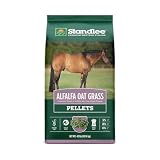
- Made from high-quality sun-cured forage
- Formed into ¼ inch hay pellets that are easy to measure and to feed
- Moderate in protein, high in digestible fiber, and low in carbohydrates
- Great option for carb-sensitive horses
- Forage is the most important component of a horse's diet
Product prices and availability are accurate as of the date/time indicated and are subject to change. Any price and availability information displayed on Amazon at the time of purchase will apply.




