Abiotic factors—the nonliving physical and chemical conditions in water—affect freshwater fish by changing how they breathe, regulate salts and water, find food, grow, reproduce and survive. Temperature, dissolved oxygen, pH, nutrients, salinity, turbidity and flow interact, so a fish can be stressed by several conditions at once. Warm, stagnant water, for example, can both hold less oxygen and limit oxygen replenishment.
Which water conditions affect freshwater fish?
The main abiotic factors are temperature, dissolved oxygen, pH, nutrient levels, salinity or ionic strength, turbidity and water flow. Their effects depend on the fish species, its life stage, and whether it lives in an aquarium, pond, lake or stream. Eggs, juveniles and adults may not respond to the same conditions in the same way, so there is no single temperature, oxygen level or pH that is safe for every freshwater fish.
How do temperature and dissolved oxygen affect fish?
Temperature changes both oxygen supply and demand
Temperature affects metabolism, development, behavior and which habitats are suitable. It also changes how much oxygen water can hold: cold water generally holds more dissolved oxygen than warm water. During hot weather, fish may face a double strain as their oxygen demand rises while the water’s capacity to hold oxygen falls. Shallow water, reduced shade and weak circulation can make that combination more severe.
Dissolved oxygen is the oxygen fish breathe
Fish take up oxygen dissolved in water. The U.S. Geological Survey explains that “This dissolved oxygen is breathed by fish and zooplankton and is needed by them to survive” (USGS Water Science School). Oxygen enters water from the atmosphere, groundwater, photosynthesis and turbulence. Respiration, decomposition and chemical oxidation consume it. Rapidly moving, turbulent water generally receives more oxygen from the atmosphere than stagnant water.
PC Slower Than It Used to Be?
A free scan shows the junk files, broken settings and background clutter dragging Windows down - then fixes them in one click.Free scan · Windows 10 & 11Crashes, No Sound, or Screen Glitches?
Random freezes, missing sound and display glitches usually trace back to one bad driver. Find and replace yours safely.Free scan · under a minute#1 Best Overall

- 𝗛𝗼𝗺𝗲 𝗔𝗾𝘂𝗮𝗿𝗶𝘂𝗺 𝗪𝗮𝘁𝗲𝗿 𝗧𝗲𝘀𝘁 𝗞𝗶𝘁 - Ensure the health of your fish with aquarium water testing kit & ammonia test strips for fish tank. This complete freshwater & saltwater tank test kit provides a reliable water tester for ammonia, pH, iron, chlorine, total hardness (GH), carbonate, nitrate, nitrite, total alkalinity, copper, and temperature, allowing you to have a complete understanding of your aquarium water quality. Trusted by fish enthusiasts, it adapts to your needs, making it an essential tool for aquarium care.
- 𝗔𝗰𝗰𝘂𝗿𝗮𝘁𝗲 & 𝗙𝗮𝘀𝘁 𝗧𝗲𝘀𝘁𝗶𝗻𝗴 𝗥𝗲𝘀𝘂𝗹𝘁𝘀 - Our aquarium water test strips deliver reliable results. Each fish tank water testing kit comes with easy-to-read color charts. This fish tank test strips are highly sensitive, detecting low levels of impurities and foreign substances in aquarium water. Our aquarium water quality tester helps prevent any invisible water problems.
- 𝗜𝗻𝘀𝘁𝗮𝗻𝘁 𝗛𝗼𝗺𝗲 𝗧𝗲𝘀𝘁𝗶𝗻𝗴—𝗡𝗼 𝗧𝗿𝗶𝗽𝘀 𝘁𝗼 𝘁𝗵𝗲 𝗦𝘁𝗼𝗿𝗲 - Testing 11 key parameters in your aquarium is easier than ever with just one kit. Just dip the strip in water and use the provided color chart for instant, reliable results. Say goodbye to frequent trips to pet stores because now you have our home water test kit with the ability to monitor your aquarium's water quality in the comfort of your own home.
- 𝗧𝗲𝘀𝘁 𝗦𝗺𝗮𝗿𝘁𝗲𝗿 𝘄𝗶𝘁𝗵 𝗘𝘅𝘁𝗲𝗻𝗱𝗲𝗱 𝗦𝗵𝗲𝗹𝗳 𝗟𝗶𝗳𝗲 𝗦𝘁𝗿𝗶𝗽𝘀 - Our aquarium test kit contains 150 test strips for aquarium fish tank: 50 strips in a bottle and 100 in a separate bags to maintain freshness. Once opened, it's recommended to use the strips within 3 months for maximum accuracy of the fish water testing kit. These water testing strips allow regular water quality checks without using all water test strips at once.
- 𝗩𝗲𝗿𝘀𝗮t𝗶𝗹𝗲 𝗪𝗮𝘁𝗲𝗿 𝗧𝗲𝘀𝘁𝗶𝗻𝗴 𝗞𝗶𝘁 𝗳𝗼𝗿 𝗔𝗹𝗹 𝗔𝗾𝘂𝗮𝘁𝗶𝗰 𝗡𝗲𝗲𝗱𝘀 - Our Aquarium water quality test kit is designed to cater to a wide range of aquariums including saltwater aquariums, freshwater fish tanks, betta fish tank, and fish ponds. Our hard water test kit can be used to test the water quality effectively, which ensures that you can maintain optimal water conditions in different aquarium setups.
Low oxygen can cause fish to avoid parts of a water body, feed less, become stressed or disappear from habitat they cannot tolerate. Severe depletion can cause fish kills. The USGS describes water below 2 mg/L as hypoxic, but that figure is not a universal danger threshold for every species or life stage; tolerance also depends on acclimation and other conditions (USGS, 2026).
What do pH and nutrients do to freshwater habitat?
pH affects fish and water chemistry
pH measures hydrogen-ion activity on a logarithmic scale. A change from pH 7 to pH 6 represents a tenfold increase in hydrogen-ion concentration, according to the U.S. Environmental Protection Agency (EPA pH guidance). Changes in pH can affect enzyme function, ion balance and reproduction, as well as the chemical forms and toxicity of substances such as ammonia and metals.
Rank #2

- Professional Quality Testing Kit: The AAwipes Aquarium test kit (50 strips) is developed by experts for fish enthusiasts. It offers 8-in-1 testing capabilities, made with high-quality fiber paper and non-bleeding colors. The kit measures key parameters like Free Chlorine, Nitrate, Nitrite, Hardness, Sodium Chloride, Total Alkalinity, pH and Ammonia nitrogen. By identifying potential issues, our fish tank testing kit helps prevent hidden water problems and ensures the safety and well-being of your fish.
- Versatile Use for Freshwater and Ponds: This aquarium water test kit is versatile and suitable for both freshwater and saltwater environments. It can be used in various aquariums, fish tanks, ponds, pools, and shrimp tanks, making it easy to monitor water quality and ensure your filter functions properly. Experts recommend testing your aquarium water at least twice a week to maintain optimal water quality.
- Fast and Accurate Results: Get accurate results in minutes with just 3 steps: 1) Dip the test strip into water for 2 seconds for pads 1-7; dip pad 8 (Ammonia nitrogen) separately for 5 seconds. 2) Remove the strip without shaking off excess water. Hold horizontally for 30 seconds for pads 1-7, wait 180 seconds to read Pad 8 (Ammonia nitrogen). 3) Compare the colors to the chart for up to 99% accuracy and take necessary action.
- Extended Shelf Life: The test strips are packaged in a well-sealed bottle to ensure they remain effective over time. This protects the strips from moisture and other environmental factors, ensuring you have reliable testing materials on hand when needed.
- Convenient Use: With this kit, you can test your aquarium water at home without the need to send samples to a lab, saving you both time and money. Enjoy peace of mind knowing your aquarium water is balanced and safe without the stress or extra expense.
EPA freshwater criteria commonly use a pH range of 6.5–9, but that is a regulatory context, not a universal aquarium target. Suitable conditions depend on the fish species and local geology; stability and the fish’s established requirements matter as much as a general range (EPA freshwater pH criteria).
Excess nutrients can deplete oxygen
Nitrogen and phosphorus support aquatic productivity, but excess inputs from fertilizer, sewage, manure and urban runoff can trigger eutrophication. Algae and microbes multiply; daytime photosynthesis may raise pH, while nighttime respiration and decomposition consume oxygen. When a bloom dies, bacterial decomposition can sharply reduce oxygen, especially in calm water or near the bottom. Fish are often harmed through these ecosystem changes rather than by nitrate or phosphate alone. Blooms can also alter turbidity, food webs and exposure to algal toxins (EPA nutrient pollution overview; EPA effects of nutrient pollution).
Rank #3
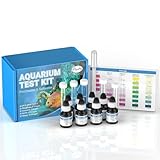
- 5-in-1 Master Test Kit: Monitor all 5 critical water parameters – pH, nitrite, nitrate, ammonia, and phosphate – in one comprehensive aquarium test kit. The rigorous analysis helps you maintain an ideal haven for your aquatic friends
- Freshwater & Saltwater Application: This aquarium water master test kit works perfectly for both freshwater and marine fish tanks. Precise color-matching charts are included – simply compare your water’s hue to the color swatches for instant results
- Enhanced Accuracy: Using professional liquid reagents, the aquarium water test kit delivers high accuracy that far exceeds traditional test strips. Get laboratory-quality results every time, safeguarding a stable and enjoyable fish tank environment
- Regular Testing: Complete with 265 measurements across all parameters – pH (100), nitrite (45), nitrate (50), ammonia (30), phosphate (40). This fish tank water testing kit supports months of consistent monitoring to keep your aquarium perfectly balanced
- Essential Fish Care: Your trusted solution to prevent fish loss from fatal ammonia, nitrite buildup, or pH imbalances! Proper water quality maintenance ensures your aquatic pets stay healthy and your plants thrive in optimal conditions
How do salinity, turbidity and flow change habitat?
Salinity and dissolved solids affect salt balance
Freshwater fish regulate the balance of salts and water in their bodies, a process called osmoregulation. Changes in salinity or ionic strength can disrupt that balance, and sudden salt inputs may stress freshwater species. Salinity also reduces oxygen solubility. EPA gives an example at 22°C and sea level: freshwater can hold approximately 8.7 mg/L oxygen at saturation, while seawater holds less (EPA dissolved oxygen guidance). That comparison describes oxygen saturation under the stated conditions, not a target for an aquarium or pond.
Turbidity reduces light and can affect gills
Turbidity is cloudiness caused by suspended particles. It blocks light, which can limit photosynthesis by submerged plants and algae. Particles may abrade or clog gills, make feeding harder, transport pollutants, and harm eggs and larvae. Sediment that settles on the bed can cover spawning surfaces and reduce water movement through them. Suspended material also absorbs sunlight, potentially warming surface water and indirectly lowering oxygen (EPA turbidity guidance; EPA nonpoint-source pollution information).
Rank #4

- Professional Quality Testing Kit: The AAwipes Aquarium test kit (25 strips) is developed by experts for fish enthusiasts. It offers 8-in-1 testing capabilities, made with high-quality fiber paper and non-bleeding colors. The kit measures key parameters like Free Chlorine, Nitrate, Nitrite, Hardness, Sodium Chloride, Total Alkalinity, pH and Ammonia nitrogen
- Versatile Use for Freshwater and Ponds: This aquarium water test kit is versatile and suitable for both freshwater and saltwater environments. It can be used in various aquariums, fish tanks, ponds, pools, and shrimp tanks, making it easy to monitor water quality and ensure your filter functions properly. Experts recommend testing your aquarium water at least twice a week to maintain optimal water quality
- Fast and Accurate Results: Get accurate results in minutes with just 3 steps: 1) Dip the test strip into water for 2 seconds for pads 1-7; dip pad 8 (Ammonia nitrogen) separately for 5 seconds. 2) Remove the strip without shaking off excess water. Hold horizontally for 30 seconds for pads 1-7, wait 180 seconds to read Pad 8 (Ammonia nitrogen). 3) Compare the colors to the chart for up to 99% accuracy and take necessary action
- Extended Shelf Life: The test strips are packaged in a well-sealed bottle to ensure they remain effective over time. This protects the strips from moisture and other environmental factors, ensuring you have reliable testing materials on hand when needed
- Convenient Use: With this kit, you can test your aquarium water at home without the need to send samples to a lab, saving you both time and money. Enjoy peace of mind knowing your aquarium water is balanced and safe without the stress or extra expense. By identifying potential issues, our fish tank testing kit helps prevent hidden water problems and ensures the safety and well-being of your fish
Flow controls mixing and physical habitat
Water flow affects turbulence and oxygen exchange, sediment movement, depth, and access to pools, riffles, cover and spawning habitat. Dams, water withdrawals, drought, floods and channel changes can alter velocity and depth. Slower water may receive less atmospheric oxygen and allow fine sediment to settle; strong flows can scour eggs, displace fish and stir up sediment. Flow changes are best understood alongside oxygen, temperature and sediment conditions.
Independent reader supportYour contribution helps us test, update, and keep practical guides available for everyone.Why can several abiotic stresses become worse together?
Fish experience water as a connected environment, not as a list of separate measurements. Common combinations include:
Recommended Free Tools
Best Value

- Professional Quality Testing Kit: The AAwipes Aquarium test kit (100 strips) is developed by experts for fish enthusiasts. It offers 8-in-1 testing capabilities, made with high-quality fiber paper and non-bleeding colors. The kit measures key parameters like Free Chlorine, Nitrate, Nitrite, Hardness, Sodium Chloride, Total Alkalinity, pH and Ammonia nitrogen.
- Versatile Use for Freshwater and Ponds: This aquarium water test kit is versatile and suitable for both freshwater and saltwater environments. It can be used in various aquariums, fish tanks, ponds, pools, and shrimp tanks, making it easy to monitor water quality and ensure your filter functions properly. Experts recommend testing your aquarium water at least twice a week to maintain optimal water quality.
- Fast and Accurate Results: Get accurate results in minutes with just 3 steps: 1) Dip the test strip into water for 2 seconds for pads 1-7; dip pad 8 (Ammonia nitrogen) separately for 5 seconds. 2) Remove the strip without shaking off excess water. Hold horizontally for 30 seconds for pads 1-7, wait 180 seconds to read Pad 8 (Ammonia nitrogen). 3) Compare the colors to the chart for up to 99% accuracy and take necessary action.
- Extended Shelf Life: The test strips are packaged in a well-sealed bottle to ensure they remain effective over time. This protects the strips from moisture and other environmental factors, ensuring you have reliable testing materials on hand when needed.
- Convenient Use: With this kit, you can test your aquarium water at home without the need to send samples to a lab, saving you both time and money. Enjoy peace of mind knowing your aquarium water is balanced and safe without the stress or extra expense. By identifying potential issues, our fish tank testing kit helps prevent hidden water problems and ensures the safety and well-being of your fish.
- Warm, stagnant water: warming lowers oxygen solubility, while reduced turbulence limits replenishment.
- Nutrient enrichment and calm weather: blooms and decomposition can contribute to nighttime or bottom-water oxygen depletion.
- Turbidity and low light: less light can reduce photosynthesis and its oxygen contribution, while suspended particles may injure gills.
- Low pH with metals or ammonia: chemical forms and toxicity can change even when the measured contaminant concentration does not.
- Altered flow with sediment: changes in velocity affect oxygen delivery as well as feeding and spawning habitat.
What should you monitor in an aquarium, pond or stream?
EPA identifies temperature, dissolved oxygen, pH, turbidity and nutrients among standard water-quality monitoring parameters (EPA water-quality monitoring factsheets). For a freshwater fish habitat, useful measurements include:
- Temperature and seasonal extremes.
- Dissolved oxygen, including changes by time of day and depth.
- pH and, where relevant, alkalinity to understand how stable pH is.
- Conductivity or total dissolved solids as indicators of dissolved ions.
- Turbidity or visible changes in suspended sediment.
- Nitrogen compounds when nutrient enrichment is plausible.
Record the time, depth, weather and recent rainfall with readings. Oxygen and temperature can cycle over a day and differ between surface and bottom water, especially where water is stratified. A thermometer and consumer test kit can help with routine checks, but interpret results against the needs of the fish species and use properly calibrated instruments when precision matters. In aquariums and managed ponds, aeration may help address low oxygen; it does not remove excess nutrients, correct toxic pH or repair habitat-scale problems.
How should you compare two fish habitats or management options?
Compare the conditions that matter together rather than choosing a site or intervention from one measurement alone:
- Temperature range and seasonal extremes.
- Dissolved oxygen concentration and its daily and depth profile.
- pH stability and alkalinity.
- Nutrient inputs and the resulting algal response.
- Conductivity or salinity.
- Turbidity and sediment exposure.
- Flow, depth and available habitat structure.
The significance of each factor depends on the species, life stage and setting. Conditions suitable for a stream fish may not suit a pond species or aquarium fish.
Do these 3 things before closing this tab:
1Repair Windows errors before they cause bigger problems2Fix the driver behind crashes, sound loss and screen glitches3Clear out junk files and repair common Windows errorsQuick Recap
Product prices and availability are accurate as of the date/time indicated and are subject to change. Any price and availability information displayed on Amazon at the time of purchase will apply.




