To attract insect-eating birds, build a garden that supports insects: plant regionally native vegetation, reduce pesticide use, and provide water and layered cover. The birds you see will depend on your region, but these 10 examples show the kinds of insectivores a wildlife-friendly garden can support.
How to attract insect-eating birds
Grow plants that feed insects
Native trees, shrubs, vines, grasses, and perennials can provide insects for birds, along with berries, seeds, nesting structure, and cover. A Cornell Lab of Ornithology article published in 2026 reports on a 2009 study by Tallamy and his team: yards in southeastern Pennsylvania filled mostly with native plants hosted four times as many caterpillars as yards with non-native vegetation. Caterpillars are an important food source for breeding birds. Cornell Lab of Ornithology
Make room for insects
Reduce pesticide use and leave some leaf litter where it is safe and practical. The University of Maryland Extension advises: “Reduce Pesticide Use – Pesticides can harm beneficial insects, wildlife, and the insects they eat.” A brush pile can also provide useful shelter for small birds; keep it clear of hazards and avoid placing it where it creates a fire or pest risk.
Provide water and layered cover
Birds need food, fresh water, and safe cover. Offer a shallow source of clean water for drinking and bathing, and combine canopy trees with understory shrubs, groundcover, and denser patches of vegetation. This gives birds places to forage, rest, and shelter.
Crashes, No Sound, or Screen Glitches?
Random freezes, missing sound and display glitches usually trace back to one bad driver. Find and replace yours safely.Free scan · under a minutePC Slower Than It Used to Be?
A free scan shows the junk files, broken settings and background clutter dragging Windows down - then fixes them in one click.Free scan · Windows 10 & 11#1 Best Overall

- Chew-Proof Metal Build: The top and base of this bird feeder are made of metal. Advanced metal processing techniques make it more sturdy for outdoor use and resistant to squirrel damage.
- 2 Steps Disassemble Easy Clean Thoroughly: No tools needed! Disassemble in just 30 seconds. Easy to maintain and refill weekly. Say goodbye to the hassle of cleaning and reassembling bird feeders.
- One-Handed Refilling Made Simple: Press the roof button and slide up to lock it in place on the steel cable. No need to remove the entire feeder, making refills quick and easy.
- High Guardrail Seed Tray Design: Prevents seeds from falling while birds feed, reducing waste.
- No Assembly Required – Just Unbox and Use: 360-degree perch design allows multiple birds to feed simultaneously without being limited to fixed feeding holes, providing a more comfortable and free feeding experience for your birds.This is an excellent gift choice, adding vibrant colors to your yard and enriching garden life. It brings more joy to families and children.
Use feeders as a supplement
Natural food should remain the main attraction. A caged suet feeder can supplement it: the National Wildlife Federation says suet feeders are a favorite of woodpeckers and other insect-eating birds. Suet can go rancid in warm weather, so take it down when temperatures are high and clean feeders regularly.
10 insect-eating birds to look for
These examples come from different regions and are not a checklist for every garden. Check local range maps and choose locally native plants; outside a bird’s range, focus on its local ecological equivalents.
Rank #2

- Squirrel Proof Bird Feeder
- Bird Feeder,Gardening Gifts for Women,Fathers.christmas gifts for dad,mom and more bird lovers
- Metal Bird Feeders for Outdoors Hanging
- Squirrel Proof Wild Bird Feeders with Finch Cardinal Chickadee
- Large Capacity Bird Feeders
1. Carolina Wren
Carolina Wrens use brush piles and insect-rich habitat. Dense shrubs, leaf litter, and reduced pesticide use can make a garden more inviting to them.
2. Warblers
Warblers, including the Yellow Warbler, take caterpillars from native trees and shrubs. Layered cover and plants that host caterpillars offer both food and shelter.
Rank #3

- FUN-TO-INSTALL: This bird feeder features a traditional oriental architectural style with a retro pagoda design. It offers a feeding spot for sparrows and provides you and your family with a delightful 1-minute assembly experience. Get ready to enjoy a fun and simple installation process
- HOW FEEDING BIRDS: The 8.2 x 8.2 x 9.8 inch feeder can hold up to 5 pounds(2 Pcs) of seeds, typically lasting 1-3 days. Sunflower and Niger seeds are more likely to attract Cardinals, Goldfinches and Chickadees
- GARDEN GIFT IDEA: Bird feeders are a unique gift idea. Create an opportunity for family, children, grandparents and even pets to see nature’s colorful wild birds up close, bring the birds and best wishes to them
- EASY BIRD FEEDING: The transparent panel allows for effortless monitoring of the remaining bird seeds, while the wide opening makes refilling straightforward
- WARM TIPS: To ensure that the bird feeder is secure, follow the user manual steps for installation
3. Red-eyed Vireo
Red-eyed Vireos forage for caterpillars on tree leaves, including white oak. Where white oak is locally appropriate, retaining mature trees can help support this food source.
4. Woodpeckers
Woodpeckers feed on insects in snags and mature trees. Retain a standing dead tree only when it is safe to do so; an optional caged suet feeder can provide supplemental food.
Rank #4

- BUILT FOR SMALL SONGBIRDS — AND IT KEEPS THE BIG ONES OUT: Six small ports with 1.4" perches are sized for finches, chickadees, sparrows and nuthatches. Larger birds like blue jays, grackles and cardinals can't get a grip, so they stop raiding the tube and flinging the small seed on the ground to get at the big kernels. If you want cardinals or woodpeckers too, pair this with a platform or hopper feeder — this one is deliberately the small-bird station.
- WIDE LIFT-TOP + SEE-THROUGH TUBE — REFILL IN SECONDS: Lift the metal lid straight up and pour; the opening is wide enough that you are not funnelling seed through a narrow neck. The clear tube shows the level from across the yard, so you refill before it runs empty instead of checking by opening it. Holds 1.5lb of sunflower, safflower or mixed seed — a small tube on purpose: seed gets eaten before it can sit and go stale.
- HOW TO CLEAN IT: The lid lifts off and the tube is clear, so you can see exactly what needs cleaning. The base is fixed — not removable — so here is what works: tip the feeder upside down and tap to empty packed seed, run a bottle brush or pipe cleaner in through the ports, rinse, then stand it upside down until fully dry before refilling. Do this every 2-3 refills and after any spell of wet weather, so damp seed never sits at the bottom.
- METAL LID, BASE AND PORTS: The lid, base, perches and all six port surrounds are metal, so beaks and claws land on metal rather than thin plastic; the seed tube itself is clear polycarbonate, which is what lets you see the level. Note: this is not a squirrel-proof feeder — the ports are open and a determined squirrel can reach seed. If squirrels are a problem in your yard, hang it from a pole with a baffle, which is what owners who have no squirrel trouble do.
- HANG IT WHERE YOU CAN WATCH — POLE, BRANCH OR SHEPHERD'S HOOK (POLE NOT INCLUDED): The metal hanger fits a standard shepherd's hook, deck pole or tree branch. Most owners hang it within sight of a kitchen or living-room window — finches find a new feeder within days, and you get the show from inside. Works all four seasons, with the busiest months being late autumn and winter when wild food runs short. A ready gift for a parent, grandparent or anyone who watches birds.
5. Bluebirds
Bluebirds use nest boxes and forage for insects in open spaces. A correctly designed and placed nest box, open ground, native plants, and avoiding routine insecticide use can support them.
6. Tree Swallows
Tree Swallows catch insects in flight. They need open flight space, nearby insect habitat, and a suitable nest box.
Quick wins for a faster PC:
Fix the driver behind crashes, sound loss and screen glitchesFind Drivers →Clear out junk files and repair common Windows errorsFree Scan →Best Value
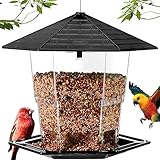
- 【JEALOEUR BIRD FEEDER】Jealoeur retractable bird feeders, can be expanded to store a large amount of food. It has a unique Latch Feature, which makes it easy to open and close the top for filling and cleaning.
- 【SCENES TO BE USED】Press PUSH to open the lid, put the wild bird seeds, sunflower seeds for birds , safflower bird seed etc, into the bird feeder, close the lid, and then hang the bird feeder under the eaves or in the garden.
- 【LARGE CAPACITY】It is made of durable, high quality plastic. Holds up to 2.2 Lb of seeds. Size: 8.7 x 7.6 x 7.8 inches.
- 【HUMANIZED DESIGN】Comes fully assembled and ready to hang. With its Hexagonal roof, the bird feeder features an inclined roof to shade birds from the sun and rain. When the seeds are eaten, more seeds will naturally fill the tray.
- 【EASY TO USE】 For your convenience and the health of garden birds, please use the Jealoeur wild bird feeder that is easy to fill, empty, and clean.
7. Purple Martins
Purple Martins use species-appropriate nest-box housing where they occur. Multi-compartment housing may suit them in suitable locations; avoid pesticides that reduce their insect food.
8. Other wrens
Some wrens besides Carolina Wrens use nest boxes. Dense native shrubs, leaf litter, and suitable cavities or nest boxes can provide foraging and nesting opportunities.
9. Flycatchers
Flycatchers are among the migrating insect-eating birds that can be drawn to insect-rich gardens. Native plant diversity, perches, and reduced insecticide use help maintain the insects they feed on.
10. Willie wagtails and fantails
Willie wagtails and fantails are insect eaters in Australia. Shrubs, insects, and safe cover can support them there; gardeners elsewhere should look for comparable local insectivores.
Recommended Free Tools
Choose plants and features for your location
Before adding a plant, nest box, or feeder, consider the bird species found in your area and the habitat your garden can provide. Native status and bird ranges vary by region and season. For plant choices, prioritize species that host insects; for structure, consider canopy, understory, groundcover, safe snags, and brush piles. Keep water fresh and feeders clean, and treat suet as a supplement rather than a substitute for insect-rich habitat.
Quick Recap
Product prices and availability are accurate as of the date/time indicated and are subject to change. Any price and availability information displayed on Amazon at the time of purchase will apply.




