PC Slower Than It Used to Be?
A free scan shows the junk files, broken settings and background clutter dragging Windows down - then fixes them in one click.Free scan · Windows 10 & 11Crashes, No Sound, or Screen Glitches?
Random freezes, missing sound and display glitches usually trace back to one bad driver. Find and replace yours safely.Free scan · under a minuteGagging is something a cat does, not a diagnosis. Sometimes it is a cat trying to bring up a hairball. The same movement can also come from a cough, a breathing problem, something swallowed, or an illness elsewhere in the body. What separates a routine episode from an emergency is what comes up, how often it happens, and how the cat is breathing and behaving otherwise. If your cat has any difficulty breathing, go to a veterinarian now.
Start with what you can observe
Before you call a clinic, note these details. Your veterinarian will rely on them more than on any single description.
- Output: Nothing, a damp wad of hair, food, clear or foamy fluid, or yellow bile.
- Frequency: A single episode, repeated episodes in one day, or episodes spread over several days.
- Breathing: Normal, open-mouth breathing, panting, fast or effortful breaths, or a crouched posture with the head lowered and neck extended.
- Other signs: Appetite, energy, thirst, urination, bowel movements, and whether the cat is hiding or withdrawn.
- Environment: Access to string, yarn, tinsel, plants, medications, cleaning products, or small objects in the past day or two.
Hairball, cough, or something else
These patterns look alike from across the room, which is why the details above matter. The table shows what each pattern commonly means. It does not identify the cause in your cat.
| Pattern | What you may see | Possible explanations |
|---|---|---|
| Hairball retching | The cat crouches, strains, and expels a damp wad of hair, often elongated or sausage-shaped rather than round. | Hair swallowed during grooming. Cornell University College of Veterinary Medicine notes that hairballs pass through the narrow esophagus, which shapes them. |
| Hacking or coughing without a hairball | Repeated hacking that may look like an attempt to bring up a hairball, but nothing appears. | Respiratory disease such as asthma. Cornell warns that frequent hacking may have nothing to do with hairballs. VCA Animal Hospitals also notes that coughing is often mistaken for hairball attempts. |
| Breathing difficulty | Open-mouth breathing, panting, fast or labored breaths, or a crouched posture with the head lowered. | Respiratory distress. The episode may look like gagging or like the cat is about to vomit. |
| Repeated unproductive retching or vomiting | Repeated retching that brings up little or nothing, sometimes with appetite loss or lethargy. | Possible obstruction or gastrointestinal illness. Cornell advises that expelled hair does not prove a hairball is the cause. |
| Possible poisoning | Gagging after a known or suspected exposure to a plant, medication, cleaner, or string. | Toxin ingestion. Cornell lists plants, medications, string or yarn, antifreeze, unsafe foods, and small household objects among possible hazards. |
When to go to an emergency veterinarian now
Treat any difficulty breathing as an emergency. That includes open-mouth breathing and panting, a cat that is working hard to breathe while it looks as though it is gagging, and a crouched posture with the head lowered.
#1 Best Overall

- Gentle Hairball Gel for Cats: Tomlyn Laxatone is a delicious tuna-flavored gel that gently lubricates ingested hair, helping the fur comfortably pass through your cat's digestive system
- Omega-Rich Cat Supplement: This tasty gel supplement with omega-3, omega-6, and omega-9 fatty acids offers additional health support as part of your cat’s regular grooming routine
- Easy-to-Use Gel: Place a small amount of this veterinarian-formulated cat hairball gel on your cat's paw or nose daily, turning routine hairball care into a stress-free experience; discourages gross hairball blockages
- Hairballs Laxatone for Cat Health: Suitable for both short-haired and long-haired cats; this feline hairball gel supports daily digestive health as part of everyday pet care
- Everyday Health for Pets: Made with a commitment to transparency, rigorous review, and dependable standards, every product we create supports happier and healthier moments for your pet
- Transport the cat to a veterinary emergency service right away. Keep the carrier calm and quiet and do not stop to try a home remedy first.
- If you are unsure whether breathing is abnormal, compare it with how your cat breathes at rest. Any clear change in effort or rate is enough reason to go.
Daniel Fletcher, DVM, assistant professor of emergency and critical care at Cornell University College of Veterinary Medicine, put the stakes plainly: “But any cat that is showing signs of breathing difficulty—whatever the cause—is at high risk of dying if the respiratory problem is not treated promptly.”
When to call your veterinarian within the day
Call your veterinarian promptly, even if the cat is breathing normally, when you see any of the following:
Rank #2

- HAIRBALL GEL FOR CATS: Our paw gel helps prevent and eliminate hairballs by lubricating the intestinal tract; Made with natural oils, this cat hairball remedy supports digestion, reduces shedding, and promotes hairball control for cats of all ages
- EASY APPLICATION: Apply this cat hairball gel directly to your cat’s paws for easy ingestion during grooming; Made with natural oils, it helps eliminate hairballs, supports digestion, and aids the skin and coat, promoting wellness and hairball control
- GREAT TASTE: No need to fret over picky eaters; Our hairball medicine for cats comes with a lip-smacking salmon flavor; It's a delectable hairball remedy that even the fussiest of felines can't resist; They'll think it’s a treat, you'll know it’s relief
- VETERINARIAN FORMULATED: Carefully developed by experienced veterinarians, this hairball remedy is crafted with your cat’s health in mind; Every ingredient is selected to ensure quality, safety, and effective support for hairball control and digestion
- MADE IN THE USA: Crafted in the USA with premium globally sourced ingredients, this cat hairball remedy meets NASC quality standards; Designed for effectiveness, it supports hairball control and digestion; offering quality, care, and love in every drop
- Repeated retching that produces no hairball.
- A cough that is persistent, severe, productive, or recurring, or any cough with breathing trouble or other illness signs.
- Repeated vomiting, or any blood in vomit or stool.
- Lethargy, weakness, or hiding.
- Appetite loss, or refusal of food for more than a day alongside repeated retching.
- Changes in thirst or urination, or diarrhea.
An episode that brings up hair and then resolves, with the cat eating and acting normal afterward, is a different situation from repeated unproductive retching. If you are unsure which applies, call. Do not assume that because no hair came up, nothing is stuck. Only an examination can rule out a blockage.
Possible causes
The following are the categories veterinary sources list. They are possibilities to discuss with your veterinarian, not a checklist for diagnosing your cat at home.
What’s actually slowing this PC down?
Pick the symptom - the matching free tool is one click away.
Rank #3

- 4.4 ounces of malt flavored Sentry Hairball Relief for cats
- For cats and kittens over 4 weeks
- Helps eliminate and prevent hairballs
- A longtime favorite with Petromalt technology
- Relives constipation, dry cough and occasional vomiting associated with hairballs
Hairballs
Cats swallow loose hair while grooming, and most of it passes through. Some accumulates into a mass that the cat brings up. Cornell notes that long-haired cats and periods of seasonal shedding increase the risk, and that older cats may groom more or differently. Goldstein, DVM, associate professor of small animal medicine at Cornell, describes occasional hairball episodes as a clinical observation rather than a population statistic: “It’s not uncommon, says Dr. Goldstein, for a cat to regurgitate a hairball once every week or two.” The same source warns that hair can lodge in the digestive tract and cause a dangerous blockage, which is why a hairball that does not come up, or repeated unproductive retching, needs a veterinary exam.
Respiratory disease
Asthma and other respiratory conditions can produce hacking that owners mistake for hairball attempts. A cough is a signal to look at breathing, not only at the stomach. Respiratory causes are the reason breathing changes move a gagging episode straight into the emergency category.
Rank #4
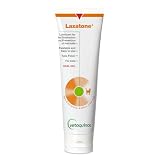
- Gentle and easy-to-use digestive lubricant for helping prevent and eliminate hairballs in cats
- Delicious tuna oral hairball lubricant gel easily helps cats pass hairballs in litter box
- Our Laxatone coats swallowed hair to help it pass through the digestive tract easily
- For best results, apply a small amount of feline hairball gel on your cat's nose or paws daily
- Your furry friend will love their hairball lubricant since it's tasty & helps them feel better
Swallowed objects and plants
String, yarn, tinsel, and small household objects can irritate or block the digestive tract. Some houseplants cause gastrointestinal upset when chewed. Because these hazards are common in homes, ask yourself what the cat has had access to before you assume it is a hairball.
Toxins
Antifreeze, certain medications, and unsafe foods are among the substances Cornell lists as possible ingestion hazards. A toxin can cause gagging, vomiting, or breathing signs, so it is worth checking the environment during any episode.
Quick wins for a faster PC:
Repair Windows errors before they cause bigger problemsFix Now →Scan for outdated or missing drivers - takes under a minuteDriver Scan →Clear out junk files and repair common Windows errorsFree Scan →Best Value

- Aids hairballs in passing through the gastrointestinal tract and helps prevent future formation through regular use
- Includes 2.5 ounces of tasty, salmon flavored formula in a convenient tube
Gastrointestinal and metabolic disease
Gastrointestinal disorders, including parasites, and metabolic illnesses can cause recurring vomiting or retching. These usually come with other signs such as appetite change, weight change, diarrhea, or altered thirst. Diagnosing them requires a veterinarian.
Independent reader supportYour contribution helps us test, update, and keep practical guides available for everyone.If you think your cat swallowed something toxic
- Call your veterinarian or an emergency clinic immediately. Cornell’s guidance for suspected exposure is “Call your veterinarian immediately.”
- Keep the product packaging, label, or a sample of the plant or substance so the exposure can be identified.
- Do not induce vomiting unless a veterinarian or poison-control professional specifically tells you to.
- Confirm the local emergency and poison-control phone numbers for your area before you need them.
What to do during an episode
- Check breathing first. If the cat has open-mouth breathing, panting, or labored breaths, go to an emergency veterinarian now and skip the remaining steps.
- Look at what comes out. If it is safe to do so, note whether anything is produced and what it looks like. Do not handle a cat that is distressed in a way that puts you at risk.
- Record a short video if it is safe. A brief recording of the posture and sound can help your veterinarian see the episode, though it does not replace an examination.
- Review the environment. Check for string, plants, medications, cleaners, or small objects the cat could have reached.
- Call your veterinarian with the history. Give them the frequency, output, breathing pattern, appetite, energy, and any exposure.
Prevention and what not to do
Daily brushing and combing reduces the loose hair a cat swallows. Cornell recommends daily grooming for hairball prevention, and an ordinary cat grooming brush or comb is enough for most homes. Grooming reduces the risk of hairballs but does not treat an active episode or replace veterinary assessment.
Do not give a cat a laxative or a diet marketed for hairball or obstruction control without veterinary approval. Goldstein advises: “Although laxatives may be effective in enabling passage of a stubborn hairball, Dr. Goldstein strongly advises owners never to give their cats a laxative without the approval and supervision of a veterinarian.” The same caution applies to commercial diets claiming to prevent or relieve obstruction.
Source notes
This guidance draws on Cornell University College of Veterinary Medicine and VCA Animal Hospitals material reviewed on October 7, 2026. Neither page stated a publication date. It is general education, not a diagnosis, and it does not replace an examination of your cat.
Quick Recap
Product prices and availability are accurate as of the date/time indicated and are subject to change. Any price and availability information displayed on Amazon at the time of purchase will apply.




