What’s actually slowing this PC down?
Pick the symptom - the matching free tool is one click away.
Feline asthma is a long-term inflammatory disease of the lower airways. It is generally managed with prescribed anti-inflammatory medication rather than cured, and most cats on ongoing treatment can live full, active lives. No veterinary source gives a numeric life expectancy for cats with asthma, so the outlook for any individual cat depends on its clinical situation. Any coughing, wheezing, or change in breathing needs a veterinary assessment, because other conditions can cause the same signs. Open-mouth breathing is an emergency.
What feline asthma is
Cornell University’s Feline Health Center describes feline asthma as generally resulting from an allergic reaction to inhaled allergens. That reaction inflames the lower airways, causing swelling, constriction of the airway passages, and a buildup of mucus. Narrowed airways make it harder for air to move in and out of the lungs, which is why a cat with asthma coughs, wheezes, or breathes harder than usual. The condition is an inflammatory disease of the airways, not an infection, so it is treated with medication that calms inflammation.
Signs that point toward asthma
The most common signs described by Cornell, Merck Veterinary Manual, and VCA Animal Hospitals are:
- Coughing or hacking
- Wheezing
- Rapid breathing
- Increased breathing effort or difficulty breathing
- Open-mouth breathing
During an attack, Cornell describes a cat crouched with its neck extended. Owners often mistake the cough for retching or an attempt to bring up a hairball, a confusion VCA’s feline asthma guidance specifically addresses. If the cough is dry and repetitive and comes with the posture above, it is worth raising with your veterinarian rather than assuming a hairball.
The Tool Desk
Outbyte Driver Updater FREEScan for outdated or missing drivers - takes under a minuteDriver Scan →Outbyte PC Repair FREEClear out junk files and repair common Windows errorsFree Scan →#1 Best Overall

- The #1 Vet recommended easy-to-use AeroKat inhaler spacer for cats and kittens comes with two (2) masks for best fit.
- Vet tested, cat approved: spacer for inhaler cat inhaler mask for cats with asthma, bronchitis, allergies, and breathing difficulties.
- Effective treatment means better health: exclusive Flow-Vu inhalation indicator moves as your cat breathes to confirm correct use and medication delivery.
- Reduced medication cost: makes more medication available for longer with low or no leaks - less waste saves money.
- Easy to use: fits with any MDI metered dose inhaler, can activate inhaler into spacer away from cat to keep kitty calm.
These signs are clues, not a diagnosis. Chronic bronchitis, lung parasites, and pneumonia can produce a similar picture, so the signs alone cannot tell you what is wrong.
When breathing needs immediate veterinary care
VCA advises prompt evaluation at the first sign of respiratory distress or noisy breathing. Treat the following as urgent:
- Open-mouth breathing
- Pronounced difficulty breathing or visible strain
- Noisy breathing that is new or getting worse
Do not treat these at home or wait for a routine appointment. Call your veterinarian or the nearest emergency clinic straight away, and describe what you saw, how long it lasted, and whether the cat has had similar episodes before.
How veterinarians confirm asthma
No single test definitively diagnoses feline asthma. A veterinarian combines the cat’s history and physical examination with targeted tests. According to Cornell, these may include:
Recommended Free Tools
Rank #2
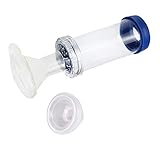
- Feline Aerosol Chamber allows your Cats to breathe normally while inhaling medication
- Works with all metered dose inhalers prescribed by veterinarians for Cat wheezing, asthma, etc.
- Delivers medications directly to the lungs, requiring a lower dose of drugs with fewer side effects
- NOTE:If you want to change the mask,please by running hot water over it
- Chest X-rays, which may show airway changes but do not always do so
- Microscopic examination of airway secretions
- Blood or allergy testing in some cases
- Bronchoscopy and airway sampling, which may be considered to investigate disease or collect samples
A normal X-ray does not rule asthma out, and an abnormal one does not confirm it on its own.
Conditions that can look similar
Merck frames diagnosis around ruling out other causes of coughing. Cornell names the main alternatives your veterinarian will consider:
- Chronic bronchitis
- Lungworms and other lung parasites
- Infectious diseases that cause pneumonia
Treatment: what veterinarians prescribe and why
Corticosteroids are the core of treatment because they reduce inflammation in the lungs. Veterinarians often add a bronchodilator, which opens the airways, but Merck is clear that bronchodilators should not be used alone to treat feline asthma. Cornell notes that corticosteroids are usually prescribed with or without a bronchodilator.
| Option | Examples named in the guidance | Role in treatment | Notes from the source |
|---|---|---|---|
| Oral corticosteroid | Prednisolone or dexamethasone (Merck Veterinary Manual) | Reduces lung inflammation | VCA notes long-term oral corticosteroids can have serious side effects |
| Inhaled corticosteroid | Fluticasone or budesonide (Merck Veterinary Manual) | Reduces lung inflammation, delivered directly to the airways | VCA states inhaled steroids are associated with fewer side effects than oral steroids; this is general guidance, not a promise for every cat |
| Bronchodilator (adjunct) | Albuterol or terbutaline (Merck Veterinary Manual) | Opens the airways; an add-on, not a sole treatment | Dose and frequency not stated in these sources; set by the veterinarian |
Choice of drug, dose, and route is a clinical decision. Do not start, stop, or adjust any of these medicines based on a website, and do not give leftover medication from another cat or an earlier illness.
Rank #3

- Feline Aerosol Chamber with Unique Comfort Feeder : Training a cat to accept an aerosol chamber can be challenging. The Neobay spacer features a unique 'Comfort Feeder' spoon attachment that holds treats, helping your cat associate the mask with positive rewards. This design aims to reduce resistance and help transition cats to their daily routine, as most cats are food-motivated.
- Chamber Inhaler with High-Sensitivity Flow Indicator: The ultra-thin (0.1mm) Flow Indicator is designed for high sensitivity. This visual aid flutters(wide-angle) with your cat's respiration, helping you coordinate the MDI actuation with their inhalation. It provides a visual cue to confirm that the aerosol mist is being drawn from the chamber.
- Anti-Static & Latex-Free Materials: The masks are crafted from soft, latex-free liquid silicone for a gentle fit. The main spacer body is made with anti-static polymers to help minimize medication adherence to the inner walls. The universal silicone backpiece is compatible with most standard prescribed Metered Dose Inhalers (MDI). (Medication not included).
- 2 Masks Cat Inhaler Spacer(Small/Med): Two mask sizes are included to accommodate kittens and adult cats. The fully enclosed design creates a secure seal to help direct aerosolized medication toward the lungs. Efficient delivery of physical helps maximize the utility of the prescribed chamber compared to open-air/oral administration. minimizing waste and lowering long-term costs.
- Designed for Feline Respiratory Care: The Neobay spacer is designed to assist cats with a respiratory condition. It acts as an effective bridge between the MDI and your pet, which allows the medication to be released into the chamber first, allowing the cat to inhale it at their own pace. It includes a detailed instruction manual to guide you through the process of helping your cat breathe easier. Ideal for pet owners managing feline respiratory conditions.
Inhaled therapy and the aerosol chamber
Inhaled medication is delivered with a feline aerosol chamber and mask. VCA names AeroKat as a cat-specific chamber. The chamber does not treat inflammation itself; it is the device that delivers the medicine your veterinarian prescribed.
Why does my cat need an inhaler?
Asthma inflammation sits in the airways, so medication delivered into the airways reaches the part of the body that needs it. Inhalers also let veterinarians use anti-inflammatory medicine without giving the whole body a higher dose.
Why is inhaled medication better for my cat than oral medication?
VCA’s general guidance is that long-term oral corticosteroids can have serious side effects, and that inhaled steroids are associated with fewer side effects. This is a general statement about the two routes, not a guarantee that inhalation suits your cat. Your veterinarian will weigh the cat’s condition and history before choosing a route.
Is there a specific type of inhaler for cats, and how do I use it?
Yes. A feline aerosol chamber with a mask is designed for cats, and VCA names AeroKat as an example. Inhalers come in different sizes and concentrations, so use only the device and dose your veterinarian has prescribed. A typical home routine, based on VCA’s instructions, looks like this:
Free tools Windows power users keep installed
One-click scans. No signup required.
Rank #4
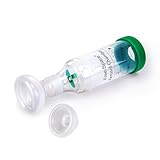
- FITS ALL CATS – comes with one chamber and two different sized masks to ensure optimal fit for your cat,a small mask for cats weighing 10lbs or less, a large mask for cats > 10lbs
- BREATHING INDICATOR – The Breathing Indicator will help to ensure the delivery of the medication to your cat by indicating your cat’s breathing, this will in turn help you optimize the delivery of medication for your cat
- DESIGNED FOR CATS – product was designed specifically for cats. The breathing chamber, which works with most Metered Dose Inhalers (MDI), delivers inhaled medication deep into your cat
- EASY TO OPERATE AND CLEAN – Comes with instruction manual for operation of use as well as cleaning instructions.
- EFFECTIVENESS GUARANTEE: Our products are jointly developed with several veterinarians and tested for more than half a year and improved more than thirty times. The materials used, the shape of the mask, the breathing indicator, and the chamber,have been improved many times,we strive for the best.If you are not satisfied, please contact us and we have a 100% refund
- Ask your veterinarian to demonstrate the chamber and mask before the first home dose.
- Acclimate the cat gradually to the mask, using short sessions and rewards, rather than forcing the first attempt.
- Deliver the prescribed number of puffs into the chamber.
- Hold the mask in place over the cat’s nose and mouth for several breaths.
- Log each dose and note how the cat tolerated it, so you can report it at the next visit.
Outlook and life expectancy
Asthma is generally controlled, not cured. Cornell describes the condition as often progressive, with flare-ups ranging from mild to life-threatening, and also says that careful monitoring and medication can help cats live happily for years. VCA states that asthma is rarely cured, that treatment aims to manage the disease, and that most affected cats can live full and active lives.
Neither source gives a numeric life expectancy or a survival figure, and this article will not invent one. What influences an individual cat’s outlook includes how severe its episodes are, how well they respond to medication, how closely its condition is monitored, and its overall clinical situation. VCA also says long-term medication may be needed and possibly for life, so plan for ongoing treatment and rechecks rather than a short course.
Independent reader supportYour contribution helps us test, update, and keep practical guides available for everyone.Monitoring breathing at home
VCA recommends counting breaths per minute while the cat sleeps. Use this routine:
- Count when the cat is resting or asleep and calm, not right after play, eating, or a stressful event.
- Watch the chest rise and fall. Count each rise as one breath for one full minute.
- Repeat at the same time of day, several times a week, and write the numbers down.
- Call your veterinarian if the count is over 30 breaths per minute, or if it is consistently climbing from your baseline.
VCA presents 30 breaths per minute as a guideline for worsening asthma, not a universal diagnostic rule, and not a population statistic. A single high reading during a stressful moment is less informative than a pattern over several days.
Best Value
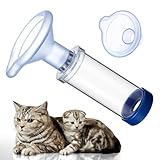
- Enhanced Medication Delivery: our cat inhaler is designed to optimize medication delivery, allowing your cat or dog to inhale medication smoothly and relieve breathing problems; Providing a reassuring breathing experience, your pet can return to an energized and refreshed life
- Comfortable and Durable: our cat inhaler spacer is made of PVC material that is safe and non toxic; The inner cavity is anti static to prevent medication adhesion; It will not produce any odor, ensuring maximum comfort for your cat or small dog
- Fit for Most Cats: our cat inhaler mask is made of soft silicone and comes in two sizes: 2.25 inches and 1.8 inches, which can fit most cats' faces tightly. allowing your pet to feel comfortable while inhaling and ensuring effective medication delivery to help them breathe healthy
- Easy to Clean and Reuse: this cat chamber inhaler is designed to be easy to clean and safe and hygienic to reuse after each use; It can be quickly removed and cleaned to ensure easy access to optimal health results
- Compact and Convenient: our portable pet Inhaler is compact, lightweight and easy to carry, making it convenient to deliver medication to your cat at home, while traveling or on the go; Visible medication inhalation allows you to know exactly how much is being inhaled each time, helping your cat absorb it efficiently and promoting healthy recovery
Home environment measures
Several environmental steps are often discussed for cats with asthma. Treat them as possible support to the prescribed medication, not as a replacement for it, and check them with your veterinarian:
- Avoiding smoke, including cigarette smoke, and strong perfumes or aerosols (Merck Veterinary Manual and VCA)
- Avoiding pollens, molds, and dust where possible (Merck Veterinary Manual)
- Choosing low-dust litter (VCA)
- Using an air purifier, which Cornell notes is often recommended
Cornell states that air purification and allergen avoidance have not been rigorously tested or proven to work in cats with asthma. No particular brand or device has been shown to improve outcomes, so treat these measures as low-risk habits rather than cures.
How common is feline asthma?
Cornell’s Feline Health Center page, last updated in July 2014, estimates that 1–5% of cats are affected and that the average age at diagnosis is 4–5 years. These figures come from an older page and should be read as estimates from that time, not as newly measured prevalence data.
Frequently Asked Questions
Can I give my cat leftover asthma medicine from a previous prescription?
No. Inhaler sizes, drug concentrations, and doses differ, and a cough or wheeze may have a cause other than asthma. Contact your veterinarian before giving any medicine, including one that was prescribed for your cat in the past.
What should I bring to my cat’s veterinary appointment?
Bring a written log of breath counts taken during sleep, a description of any coughing or breathing episodes including their posture and duration, a short video of an episode if you can safely record one, and a list of every medication and home product your cat uses.
Quick Recap
Product prices and availability are accurate as of the date/time indicated and are subject to change. Any price and availability information displayed on Amazon at the time of purchase will apply.




