
Free tools Windows power users keep installed
One-click scans. No signup required.
Some links on this page are affiliate links: if you buy through them we may earn a commission, at no extra cost to you.
Preventing dental disease rests on a repeatable routine: brush twice daily with fluoride toothpaste, clean between teeth every day, reduce frequent sugar exposure, use fluoridated water where available, avoid tobacco, and keep dental appointments. These steps lower risk but do not replace an examination; fluoride products, cleaning intervals, sealants, and treatment should be matched to age, medical history, local water supply, and cavity or gum-disease risk.
What dental prevention is designed to stop
Two processes cause most preventable dental problems. Tooth decay starts when mouth bacteria use sugars from food and drinks to produce acids. Those acids pull minerals from enamel. Saliva can repair some of the early mineral loss, but decay develops when acid attacks repeatedly outweigh repair. Fluoride helps replace lost minerals and makes enamel more resistant to later acid attacks. The Centers for Disease Control and Prevention (CDC) explains this process in its overview of cavities and tooth decay.
As an Amazon Associate I earn from qualifying purchases.
PC Slower Than It Used to Be?
A free scan shows the junk files, broken settings and background clutter dragging Windows down - then fixes them in one click.Free scan · Windows 10 & 11Crashes, No Sound, or Screen Glitches?
Random freezes, missing sound and display glitches usually trace back to one bad driver. Find and replace yours safely.Free scan · under a minuteGum disease begins with plaque, a sticky film that collects around teeth and along the gumline. Persistent plaque can inflame the gums and eventually harden into tartar. Gingivitis is generally reversible with effective plaque control and professional care. Periodontitis damages the tissues and bone supporting teeth; it cannot be reversed, although treatment can slow and manage it. The CDC describes these conditions as “largely preventable and treatable” in its guidance on periodontal (gum) disease.
The daily routine that gives the most protection
Brush twice a day with fluoride toothpaste
Brush in the morning and before bed, covering the outer, inner, and chewing surfaces of every tooth and the gumline. Fluoride toothpaste is the key ingredient for cavity prevention; the CDC states that “Fluoride helps both children and adults prevent cavities.” A manual brush and a powered brush can both work. Choose the type you can use consistently and position effectively, rather than assuming one design is universally superior. ADA home-care guidance covers brush selection and technique at Home Oral Care.
Use a gentle pressure. Scrubbing harder does not remove plaque more safely and can irritate gums or wear tooth surfaces. Replace a brush or brush head when bristles are worn, splayed, or no longer reach the gumline well. After brushing, follow the toothpaste label or your dental professional’s advice about rinsing; excessive rinsing can wash away fluoride that would otherwise remain on the teeth.
Popular on Amazon

- The C2 Optimal Plaque brush head with soft, flexible, stain-removal bristles helps whiten and polish your teeth; it also removes up to 700% better plaque than a manual toothbrush
- Electric toothbrush for adults providing gentle yet effective cleaning: the Advanced Sonic Technology pulses fluid between teeth and along the gumline for even more effective oral care
- Safe and gentle electric toothbrush with pressure sensor: if you apply too much pressure, the handle will pulse slightly, reminding you to ease off the pressure, protecting your teeth and gums
- Optimize your routine: EasyStart for a gradual, gentle increase in brushing power, SmarTimer informing when you've reached 2 minutes, and QuadPacer to brush each section of a mouth for 30 seconds
- Brush head replacement reminder tracks how often and how hard you brush, then notifies you when it's time to replace the brush head once it's time; dental professionals recommend changing your brush head regularly
Clean between teeth once a day
Brushing cannot reliably reach the contacts between teeth. Once daily, use floss, an interdental brush, or another device that fits comfortably and can be used correctly. Slide the tool along the sides of each tooth rather than snapping it into the gums. The best choice is the one that matches your spaces, dexterity, orthodontic appliances, bridges, or other dental work and that you will use every day. If bleeding continues after several days of careful cleaning, or if the device cannot pass without force, ask a dental professional to demonstrate an appropriate size and technique.
Use a simple sequence
- Clean between teeth once daily, preferably at a time when you can work methodically.
- Brush for about two minutes, reaching every surface and the gumline.
- Spit out the toothpaste. Follow individualized instructions if you have been prescribed a high-fluoride product or another rinse.
This sequence removes plaque mechanically while leaving fluoride available on tooth surfaces. It does not make professional examinations unnecessary.
How fluoride protects enamel
Fluoride is present in saliva and on tooth surfaces after exposure. It helps drive remineralization and makes enamel less soluble when bacteria produce acid. Consistent, low-level exposure from fluoride toothpaste and, where available, fluoridated tap water is different from taking a large dose at once; the appropriate source and amount depend on age, existing fluoride exposure, and clinical risk.
Community water fluoridation is associated with about a 25% reduction in cavities in children and adults, according to the CDC’s oral-health overview. That figure is a population estimate, not a guarantee for an individual. Water systems and fluoride levels vary by location, so check your local utility information before changing a child’s or adult’s fluoride regimen.
Professional fluoride varnish is an additional option, particularly for children or people at elevated risk. The CDC reports that varnish reduces cavities in primary teeth by one-third. A clinician decides when it is appropriate; it is not a substitute for daily brushing.
Diet choices that reduce acid attacks
Cut down free sugars and frequency
Frequent sugary snacks and drinks give acid-producing bacteria repeated fuel. Reduce the amount and number of exposures, especially between meals and before sleep. Sweetened soft drinks, energy drinks, flavored coffees, candies, biscuits, and continuously sipped juice can all extend the time teeth spend in an acidic environment. When you do have a sugary item, having it with a meal is generally less disruptive than grazing on it throughout the day.
Also popular on Amazon

- REMOVE UP TO 100% MORE PLAQUE* along the gumline whilst PROTECTING GUMS with our dentist-inspired round brush head technology *vs. a manual toothbrush
- PROTECT YOUR GUMS with sensi cleaning mode and GUM PRESSURE CONTROL that automatically stops brush pulsations when brushing too hard
- MAXIMIZE CLEANING performance with 3 EASY-TO-USE CLEANING MODES + handle-integrated quadrant timer that alerts you every 30sec to change brushing zone
- PERSONALIZE & LEVEL-UP YOUR CLEAN with Oral-B BRUSH HEADS AVAILABLE* for YOUR individual needs: e.g., deep clean, gentle clean, whitening *for purchase
- Oral-B ROUND brush heads REACH WHERE RECTANGULAR manual brushes DON'T. Experience a better clean from the #1 brand most used by dentists worldwide
Read ingredient lists for added or “free” sugars. WHO’s oral-health fact sheet identifies free-sugar reduction, a balanced diet, and water as the main drink as practical prevention measures. Water is preferable to sweetened beverages between meals. If your drinking water is not fluoridated, ask a dentist or local public-health service whether another fluoride source is indicated; do not start supplements without professional advice.
Account for acidic drinks and special diets
Acidic drinks can erode enamel even when they contain little sugar. Do not brush immediately after an acidic exposure; rinse with water and allow saliva time to neutralize the mouth. People with dry mouth, reflux, vomiting disorders, diabetes, or medications that reduce saliva may need a customized prevention plan because reduced saliva removes less acid and provides less mineral repair.
Preventing gum disease
Remove plaque before it hardens
Daily brushing and interdental cleaning disrupt the plaque that drives gingivitis. Once plaque mineralizes into tartar, a brush or floss cannot remove it completely. A professional cleaning is required, and the interval depends on the amount of buildup and your gum findings.
Early gum disease may cause redness, swelling, tenderness, or bleeding when you clean. More advanced warning signs include persistent bad breath, gums pulling away from teeth, recession, loose or sensitive teeth, or pain when chewing. Lack of pain does not prove that gums are healthy; schedule an examination if signs persist or if you have risk factors such as smoking, diabetes, or a previous diagnosis.
Stop tobacco and moderate alcohol
Tobacco increases gum-disease risk and can make healing less predictable. Quitting is one of the most consequential changes for oral and general health. WHO lists tobacco cessation and reduced alcohol consumption among measures that address shared, modifiable oral-health risks. A clinician, pharmacist, or cessation service can help select counseling and medication options.
Professional prevention: what a dental visit adds
A visit is not only for fixing a cavity. Examination can identify early mineral loss, gum inflammation, tartar, recession, dry-mouth effects, or problems hidden from view. Cleaning removes hardened deposits, and the clinician can adjust your home routine, fluoride exposure, and recall interval.
Also popular on Amazon
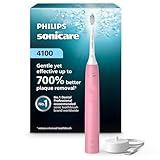
- The C2 Optimal Plaque brush head with soft, flexible, stain-removal bristles helps whiten and polish your teeth; it also removes up to 700% better plaque than a manual toothbrush
- Electric toothbrush for adults providing gentle yet effective cleaning: the Advanced Sonic Technology pulses fluid between teeth and along the gumline for even more effective oral care
- Safe and gentle electric toothbrush with pressure sensor: if you apply too much pressure, the handle will pulse slightly, reminding you to ease off the pressure, protecting your teeth and gums
- Optimize your routine: EasyStart for a gradual, gentle increase in brushing power, SmarTimer informing when you've reached 2 minutes, and QuadPacer to brush each section of a mouth for 30 seconds
- Brush head replacement reminder tracks how often and how hard you brush, then notifies you when it's time to replace the brush head; dental professionals recommend changing your brush head regularly
| Professional measure | What it contributes | Who may need it |
|---|---|---|
| Routine examination | Finds decay, gum disease, and other problems before symptoms become obvious; allows risk-based planning. | Adults and children, including people with dentures or missing teeth. |
| Professional cleaning | Removes tartar that home tools cannot brush away. | People with detectable calculus or a cleaning interval recommended after examination. |
| Fluoride varnish | CDC reports a one-third reduction in cavities in primary teeth in its evidence summary. | Often considered for children or people with elevated decay risk. |
| Dental sealants | Coat pits and grooves in back teeth where plaque is difficult to reach; CDC reports prevention of 80% of cavities in back teeth. | Especially relevant to children’s newly erupted permanent molars, when a dentist finds them suitable. |
The percentages above are CDC evidence summaries, not personal guarantees. Sealants can wear or chip and should be checked. Fluoride varnish and sealants complement, rather than replace, brushing, interdental cleaning, and dietary changes.
The Tool Desk
Outbyte Driver Updater FREEFix the driver behind crashes, sound loss and screen glitchesFind Drivers →Outbyte PC Repair FREERepair Windows errors before they cause bigger problemsFix Now →How often to schedule care
CDC adult guidance recommends seeing a dentist at least once a year, with more frequent visits when a professional advises them. There is no safe universal interval: active decay, periodontitis, orthodontic appliances, dry mouth, tobacco use, diabetes, pregnancy-related changes, and previous treatment can all alter the plan. A person who has lost some or all teeth or wears dentures still benefits from regular oral examinations.
ADA’s caries-risk assessment and management approach illustrates why prevention is individualized. The clinician may combine history, examination findings, saliva or diet concerns, fluoride exposure, and previous disease rather than prescribing one product or visit schedule to everyone.
Adjust the plan for children and higher-risk adults
Children
Children need supervised brushing until they can reliably clean every surface. Parents should discuss toothpaste amount, fluoride exposure, varnish, and sealants with a dental professional because age, swallowing ability, local water, and cavity history matter. Frequent sweet drinks in bottles or cups, particularly at bedtime, can create prolonged acid exposure.
Adults with elevated risk
Tell the dental team about medications, medical conditions, pregnancy, radiation treatment, eating disorders, reflux, tobacco use, and symptoms of dry mouth. These details can change recommendations for fluoride, cleaning technique, diet, and recall frequency. Do not borrow someone else’s prescription-strength fluoride product or use a supplement without a professional assessment.
Recommended Free Tools
Troubleshooting common obstacles
- Bleeding when you start flossing: use a gentle daily technique and arrange an examination if bleeding does not settle or gums are swollen.
- Floss will not fit: try an appropriately sized interdental brush or another tool after instruction; forcing it can injure tissue.
- Repeated new cavities despite brushing: review sugar frequency, fluoride exposure, dry mouth, reflux, medications, and hidden plaque with a dentist rather than simply brushing harder.
- Tartar returns quickly: improve plaque removal, but expect professional cleaning because hardened deposits cannot be brushed away.
- Tooth sensitivity: request an examination. Sensitivity can reflect recession, erosion, decay, a crack, or another condition that needs a specific solution.
When to seek prompt dental care
Arrange care promptly for a loose permanent tooth, facial or gum swelling, fever, pus, severe or escalating pain, trouble swallowing, or difficulty breathing. These signs can indicate infection or damage that home prevention cannot resolve. Bleeding, recession, persistent bad breath, painful chewing, or new sensitivity also merit an appointment even when discomfort is mild.
Quick Recap
A practical prevention checklist
- Brush twice daily with fluoride toothpaste.
- Clean between every tooth once daily with a suitable tool.
- Choose water as the main drink and limit free-sugar exposures.
- Avoid tobacco and reduce alcohol.
- Use fluoridated water where available, confirming local guidance.
- Ask about varnish or sealants when a child or adult has elevated cavity risk.
- Attend examinations at least yearly, or more often when your dental professional recommends it.
- Contact a professional for bleeding, swelling, recession, loose teeth, painful chewing, swelling, fever, or persistent sensitivity.





Leave a Reply