
Recommended Free Tools
Some links on this page are affiliate links: if you buy through them we may earn a commission, at no extra cost to you.
An adoption event is a temporary, time-limited setup; a shelter adoption takes place through an ongoing facility or foster network. Events can be convenient and may offer a concentrated selection or temporary promotion, but they often have registration rules, shorter interactions and a changing group of animals. Shelter visits generally allow more counseling and follow-up, although some shelters are walk-in and fast while others require appointments. Same-day pickup, fees, screening and required supplies are controlled by the organization hosting the adoption, not by a universal industry rule.
Check the host’s current instructions before you leave, prepare your home and transportation, and ask exactly what must happen before an animal can go home.
As an Amazon Associate I earn from qualifying purchases.
What is the difference between an adoption event and a shelter visit?
An event is usually a mobile or temporary adoption site operated by a shelter or rescue. A shelter visit uses a permanent facility or the organization’s foster-adoption system. The setting changes how much time you have, which animals are present and whether paperwork, counseling or pickup can happen on the same day.
| What to compare | Adoption event | Shelter or foster-network visit |
|---|---|---|
| Appointment and registration | May require advance registration, a time slot or event-specific check-in; hours are limited. | May accept walk-ins, appointments or separate scheduling for foster pets. |
| Animals available | Usually a smaller, changing group selected for that event; an advertised animal may not be present. | Broader ongoing inventory, including animals housed at the facility and pets in foster homes. |
| Time and queues | Many adopters can arrive during the same short window, so lines and brief meetings are possible. | There may be a queue, but counseling and repeat visits are often easier to arrange. |
| Application and counseling | Staff or volunteers commonly review an application and contract on site, sometimes under time pressure. | There is usually more room for a counselor-led discussion, additional meet-and-greets and follow-up. |
| Same-day eligibility | Often possible only if the host advertises it and you arrive prepared to transport the pet. | Some shelters release animals the same day; others require approval, an appointment or completion of medical care first. |
| Fees and promotions | A temporary fee waiver or supply bundle may apply to selected animals or dates. | Fees are normally posted by age, animal type, health or adoptability and can change independently of events. |
| Transport | You generally need a carrier or leash at the event because there may be no later trip home. | You still need safe transportation, but a delayed pickup may be arranged when surgery or treatment is pending. |
| Records | Ask staff what medical and behavior information is available before signing. | Organizations may provide a fuller file, including records from the shelter or foster home. |
| Resident-pet introductions | Space and time may limit introductions; follow the event host’s instructions. | A shelter may arrange a dog-to-dog meeting or counselor-guided introduction when appropriate. |
| Post-adoption support | Support may be explained quickly at discharge and then handled through the parent organization. | Ongoing counseling, transition resources and follow-up are often easier to access through the established facility or foster coordinator. |
These are tendencies, not guarantees. Organization-level rules differ, and there is no national evidence showing that events are universally faster, cheaper or more successful than shelter adoptions.
Popular on Amazon
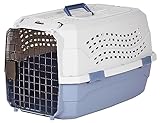
- Hard sided pet carrier with 2 doors for front and top entry; suitable for cat or medium size dog weighing 12 - 20 pounds
- Durable plastic construction with steel wire doors; screws keep the top and bottom sections securely connected
- Spring load latches ensure easy one-handed door opening and closing; top door swings open to the left or right and includes a top carry handle
- Plenty of air ventilation on the sides, top, and back of the carrier
- Note: Be sure to measure the size of the pet when choosing carrier size
How should I prepare before going to an adoption event or shelter?
Preparation prevents the most common delays: arriving at the wrong place or time, lacking housing approval, or discovering that you cannot safely take the animal home.
- Verify the current listing. Check the host’s page for the exact date, address, hours, participating animals, registration or appointment requirement, payment methods and whether same-day pickup is offered. Mobile calendars and promotional dates can be separate listings, so read both.
- Start paperwork early. Review the available pets and submit an application or interest form when the organization encourages it. New Hampshire Humane Society strongly encourages applications before a visit, and Humane Pennsylvania says advance paperwork can speed the process. An advance application does not override the host’s approval rules.
- Confirm that your home qualifies. Ask your landlord or head of household for written approval if required. Check building pet policies, species or size restrictions and local licensing obligations before selecting an animal.
- Prepare resident animals. Gather current vaccination information for dogs and cats already living with you. Ask whether the organization requires a dog-to-dog introduction or another meeting before approval.
- Plan the ride home. A cat or kitten needs a secure carrier; a dog needs a properly fitted collar and leash. Decide who will drive, where the animal will ride and how you will avoid an unsafe loose-animal trip.
- Set aside enough time. Reserve at least one to two hours, with extra time for crowds, multiple meet-and-greets, foster scheduling or unfinished veterinary work.
What happens when I adopt at an event?
Expect a compact sequence rather than a leisurely shelter appointment. The exact order depends on the host, but most events combine check-in, animal meetings, screening, contract completion and a decision about pickup.
Check-in and registration
Show identification and, if required, your registration confirmation. Some events limit attendance by time slot; others allow walk-ins until the closing hour. Arriving late can reduce the animals you can meet or leave too little time for screening.
Meeting available animals
Staff or volunteers direct you to the animals present that day. The group may be smaller than the shelter’s online inventory and can change before the event begins. Ask about age, temperament, medical status, behavior notes, diet and whether the animal is already promised to another adopter.
Application, counseling and contract
You may complete an application on paper or online, discuss your household with a counselor, sign an adoption agreement and pay the fee. Have landlord approval and resident-pet vaccine information available if the host requests them.
Pickup decision
Before signing, confirm whether the animal can leave that day, what supplies are included and what medical care remains. A temporary promotion may waive a fee or include food, a leash and an identification tag, but such offers apply only to the stated animals and dates.
PC Slower Than It Used to Be?
A free scan shows the junk files, broken settings and background clutter dragging Windows down - then fixes them in one click.Free scan · Windows 10 & 11Crashes, No Sound, or Screen Glitches?
Random freezes, missing sound and display glitches usually trace back to one bad driver. Find and replace yours safely.Free scan · under a minuteWhat happens during a shelter adoption?
A shelter visit commonly includes browsing, counseling, a meet-and-greet, application review, contract signing, payment and discharge instructions. A permanent facility may give you more opportunities to compare animals and ask follow-up questions.
Also popular on Amazon
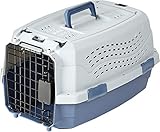
- Hard sided pet carrier with 2 doors for front and top entry; suitable for cat or extra-small dog breeds, such as chihuahuas and toy poodles (up to 11 pounds)
- Durable plastic construction with steel wire front door; screws keep the top and bottom sections securely connected
- Top door can swing open to the left or right for easy access and convenience
- Plenty of ventilation on sides, top, and back of the carrier
- Note: Be sure to measure the size of the pet when choosing carrier size
Walk-in shelter process
Some organizations use first-come, first-served adoptions. Humane Pennsylvania describes walk-in adoptions in which a counselor-led completion typically takes about one hour. Busy periods can extend the total visit, especially if you meet more than one animal.
Appointment-based or foster adoption
Some pets are not housed at the shelter. Seattle distinguishes shelter animals from foster pets, whose meetings and paperwork may be scheduled separately. Confirm the meeting location and time before traveling; a shelter’s open hours do not necessarily apply to a foster home.
Discharge instructions
At approval, staff should explain medications, feeding, behavior observations, identification, licensing and follow-up contacts. Ask what to do if the animal will not eat, shows unexpected behavior or needs a scheduled appointment after adoption.
Can I adopt a pet at an event or shelter and take it home the same day?
Sometimes, but only when the organization permits it, the match is approved and the animal is medically ready. Same-day language on one organization’s page cannot be applied to another organization.
| Organization example | What its published process indicates |
|---|---|
| ASPCA adoption center in New York City | Same-day adoptions are offered; adopters are told to bring government-issued photo ID and be prepared to take the pet home that day. |
| New Hampshire Humane Society | Same-day adoption can occur when the match is right and medical and behavioral evaluations are current. |
| Nevada SPCA | The typical process takes about one hour, and an approved adopter may take the pet home the same day. |
| Seattle animal shelter | Most shelter pets leave the same day, but additional veterinary care or spay/neuter surgery can delay pickup. |
| Humane Society of New York | No same-day adoptions; an approved application and appointment come first, with home visits used to support the transition. |
Ask three direct questions before you commit: “Can this specific animal leave today?”, “What treatment or surgery is still pending?”, and “What must I bring for discharge?” If the answer is no, get the expected pickup conditions and a contact person in writing.
What should I bring to a pet adoption event or shelter?
- Government-issued photo ID. Many organizations require adopters to be at least 18. Verify age and identification rules with the host.
- A secure, hard-sided carrier for a cat or kitten. ASPCA guidance requires cats and kittens to leave in a secure carrier; Humane Pennsylvania recommends an appropriately sized hard-sided carrier.
- A collar and leash for a dog. Humane Pennsylvania and Harrisburg guidance list these as required or recommended handling equipment.
- Payment method. Confirm whether the host accepts cards, cash or another method and whether fees differ for promotions.
- Housing documentation. Bring landlord or head-of-household approval, proof of address or other documents if the organization requests them.
- Resident-pet records. Vaccine dates and veterinarian details can help staff assess introductions and household safety.
- A safe transport plan. Do not rely on carrying a frightened animal in your arms or letting a dog ride loose in a vehicle.
Pack any additional items the host lists, such as a crate, blanket or medication container. Requirements vary, so the host’s checklist takes priority over a generic packing list.
How long does it take to adopt a dog or cat?
Plan for one to two hours as a baseline, not a promise. Nevada SPCA reports a typical process of about one hour, and Humane Pennsylvania gives about one hour for counselor-led completion. Seattle advises allowing at least one or two hours because timing varies widely.
Also popular on Amazon

- Hard sided pet carrier with 1 door for front entry; suitable for a cat, dog, or other small pet
- Durable molded plastic construction; locking door mechanism for secure closure
- Top handle for easy carrying
- Metal wire door and side panels provide ventilation
- Product Dimensions: 23.6 x 15.7 x 13 inches (LxWxH)
- Shorter visit: You have an appointment, one animal to meet, completed paperwork and no pending medical work.
- Longer visit: The site is crowded, you meet several animals, staff need additional housing information or a resident-pet introduction is required.
- Separate visit: The animal is in foster care, needs a scheduled meet-and-greet or must complete surgery, vaccination or another treatment before discharge.
Do not schedule a flight, work shift or long drive immediately afterward. The organization may need extra time to review your application even when the animal is available.
How much do adoption fees cost, and what is included?
Fees are set locally and can vary by age, breed, health, adoptability and promotion. A fee is generally a contribution toward care and the adoption process, not a standardized national price.
| Published example | Amount or inclusion | Qualification |
|---|---|---|
| ASPCA New York City | $150 suggested adoption fee | ASPCA page checked in 2026; local figure, not a national rate. |
| ASPCA New York City | $40 carrier purchase or rental | Listed option on the same 2026 page; confirm availability at your visit. |
| Humane Pennsylvania | $375 for dogs aged 2–6 months | Published 2026 age-based example. |
| Humane Pennsylvania | $225 for dogs aged 6 months–2 years | Published 2026 age-based example. |
| Humane Pennsylvania | $25 for senior cats | Published 2026 age-based example. |
| Humane Pennsylvania package | Sterilization, vaccinations, deworming, flea treatment, microchip registration and starter food | Included items described by the organization; verify what applies to the animal you choose. |
New Hampshire Humane Society explains that its rescue fee offsets part of the animal’s care and adoption-process costs. Events may advertise a waived fee or bundled supplies, but a promotion is temporary and may cover only selected animals. Compare the total package, not just the headline fee: ask which procedures are complete, which medicines you receive and whether licensing or follow-up veterinary costs remain.
What screening, landlord and home checks should I expect?
Expect questions designed to confirm that the animal can be housed and cared for safely. The host may verify your age and identity, housing permission, household composition, resident-pet vaccinations, experience and plans for exercise or supervision.
Free tools Windows power users keep installed
One-click scans. No signup required.
Landlord or head-of-household approval can be decisive. Dallas guidance asks for landlord or head-of-household approval, while ASPCA guidance advises checking a building’s pet policy. Do this before the appointment rather than assuming a verbal “probably” will satisfy the adoption counselor.
Screening depth is organization-specific. Some applications are completed during a single visit; others require an approved application, an appointment or additional transition steps. Answer consistently and disclose resident animals, work schedules and restrictions so staff can evaluate the match accurately.
How do resident pets affect the adoption?
Tell the organization about current dogs, cats and other animals before you select a new pet. Staff may request vaccine information, ask about past behavior and decide whether an introduction is appropriate.
Also popular on Amazon
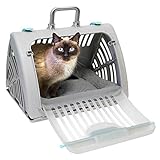
- DESIGNED SPECIFICALLY FOR CATS – PATENTED SIDE-OPENING DOOR - Original SportPet patented wide side-opening door allows cats to walk in naturally reducing fear, stress, and resistance. Ideal for anxious cats, vet visits, grooming, and everyday transport. Veterinarian recommended design for easier handling.
- HARD-SIDED CAT CARRIER WITH COMFORT BED INCLUDED - Includes 1 light gray hard-shell carrier with gray door plus an extra-comfy removable pet bed. Sturdy construction provides a safe, enclosed space cats prefer, while the soft bed adds comfort for travel or waiting rooms.
- TRAVEL-READY & VET VISIT ESSENTIAL - Perfect cat carrier for car travel, road trips, moving, and trips to the veterinarian. Smooth-closing secure door keeps pets safely contained while allowing fast, stress-free loading and unloading.
- EASY TO CLEAN & FOLD-FLAT STORAGE - Wide door opening makes cleaning quick after accidents. Carrier folds down flat for compact storage in closets, cabinets, or vehicles. Machine-washable & dryer-safe bed for hassle-free maintenance.
- IDEAL SIZE FOR LARGE CATS & SMALL PETS - Carrier dimensions: 18.5” L x 15.25” W x 14.25” H. Bed dimensions: 18” L x 13.75” W. Supports pets up to 25 lbs. Works great for large cats, small dogs, and small animals like rabbits, ferrets, and guinea pigs.
Humane Pennsylvania asks for resident-pet vaccine information and uses dog-to-dog introductions in special circumstances. Harrisburg guidance encourages household preparation and counselor advice. A host may decline an on-site meeting when space, stress or safety makes it unsuitable; follow its alternative introduction plan rather than attempting an uncontrolled meeting in a parking lot.
Quick wins for a faster PC:
Fix the driver behind crashes, sound loss and screen glitchesFind Drivers →Clear out junk files and repair common Windows errorsFree Scan →Scan for outdated or missing drivers - takes under a minuteDriver Scan →What medical and behavior records should I receive?
Ask for vaccination dates, spay/neuter status, microchip information, medical notes, behavior observations and the pet’s current food. Also request medication instructions, the next required appointment and a contact for follow-up questions.
New Hampshire Humane Society provides a digital medical file, a sample of the current food and familiar toys or bedding when available, along with pet-specific resources. Seattle says adopters receive available medical and behavioral records. “Available” matters: a shelter may not have a complete history for a transferred or recently found animal.
Read the records before leaving and make sure the microchip number and your contact details are correct. If surgery or another procedure is scheduled later, obtain the appointment date and the organization’s pickup or transport instructions.
Independent reader supportYour contribution helps us test, update, and keep practical guides available for everyone.What if the pet still needs vaccines, spay/neuter surgery or other care?
Do not assume an approved application means immediate release. Seattle notes that extra veterinary care or spay/neuter can postpone pickup, and New Hampshire Humane Society ties same-day eligibility to current medical and behavioral evaluations.
What’s actually slowing this PC down?
Pick the symptom - the matching free tool is one click away.
Ask whether the organization will complete the work before pickup, send the animal to your veterinarian after adoption or schedule a return visit. Clarify who pays, which records you will receive and what happens if the procedure reveals a new medical issue. Keep your transport plan flexible until staff confirm the animal is cleared to leave.
Which setting is better for my situation?
Choose based on the process you need, not on the assumption that one setting is inherently easier.
Also popular on Amazon

- Multi-Scenario Safe Travel: Measuring 22.8" L x 14.6" W x 13.4" H, this premium hard shell cat carrier is fully airline approved. It serves perfectly as a cat carrier, dog carrier, cat crate and small dog crate, comfortably holding small pets up to 22 lbs. Suitable for air travel, car rides, vet visits, house moving and daily outdoor outings.
- Full Surround Ventilation: This hard cat carrier is designed with four-sided hollow ventilation to achieve smooth 360° air circulation. The breathable cat carrier hard shell maintains a fresh and cool interior environment, effectively alleviating pets’ travel anxiety and stress during long trips
- Impact Resistant & Durable: Made of high-strength impact-resistant plastic material, this pet carrier features an integral sturdy frame that resists cracking and deformation. It can withstand frequent carrying and bumpy transit, supporting long-term daily and travel use.
- Dual Door & Comfort Handle: Comes with top and front dual-door design, making it convenient to load and unload pets. Equipped with a built-in foldable ergonomic handle for effortless carrying. This portable pet carrier can be stacked neatly to save storage space when not in use.
- Reinforced Secure Lock & Integrated Food Bowl: Adopts reinforced hardware buckles and thickened connection structure to ensure tight closure and prevent accidental separation. This airline approved cat carrier and dog carrier is equipped with an integrated food bowl, great for long-distance travel and outdoor feeding on the go.
- Choose an event when: you can attend during limited hours, have completed preparation, can bring transport equipment and are comfortable deciding among the animals present that day.
- Choose a shelter visit when: you want broader inventory, more counseling, several meet-and-greets or a structured follow-up process.
- Contact the organization first when: you rent, have resident pets, need a foster-pet appointment, cannot transport immediately or require accessibility accommodations.
- Delay the visit when: housing permission is unresolved, your carrier or leash is missing, resident-pet vaccines are overdue or you cannot afford both the adoption fee and immediate supplies.
The best match is the one whose requirements you can meet and whose staff can give you enough information to make a responsible decision.
How can I avoid common adoption-day problems?
- The advertised pet is not there: call the host before leaving and ask whether the animal is still available and at that location.
- You arrive without registration: ask whether walk-ins are accepted; do not assume event staff can add you after capacity is reached.
- You cannot take the pet home: tell staff before completing the contract and ask whether a later pickup is permitted.
- Your landlord cannot confirm approval: postpone the adoption until you have the documentation the host accepts.
- The animal needs treatment: get the medical plan, cost responsibility and release date in writing.
- Your resident dog reacts badly: stop the introduction, follow counselor guidance and do not force a same-day decision.
- You lack a carrier or leash: ask whether the organization sells or rents one; ASPCA’s New York City page, for example, lists a $40 carrier purchase or rental, but availability is local.
Recheck the host’s page immediately before attending. Hours, inventory, fees, promotions and same-day policies can change.
Do these 3 things before closing this tab:
1Fix the driver behind crashes, sound loss and screen glitches2Repair Windows errors before they cause bigger problems3Scan for outdated or missing drivers - takes under a minuteFrequently Asked Questions
Is a home visit required for every adoption?
No. Requirements are set by each organization. The Humane Society of New York uses home visits as part of its transition process, while other shelters may rely on an application, counseling and housing documentation instead; ask the host what applies to your chosen animal.
Can I meet a foster pet at the same time as shelter animals?
Not necessarily. Seattle separates animals housed at the shelter from foster pets, and foster meetings and paperwork may be scheduled separately. Confirm the foster coordinator’s appointment before arriving during general shelter hours.
What happens if an adoption event reaches capacity?
A registration or time-slot system may limit entry even when animals remain available. Contact the host about another event date or a shelter appointment rather than assuming staff can accommodate an unscheduled visit.
Does submitting an application online reserve a specific pet?
An advance application can speed screening, but the host still decides whether the match is appropriate and whether that animal is available. Ask the organization whether it holds animals or processes applications in another order.





Leave a Reply