A cat may still need close veterinary monitoring after a urinary blockage is relieved. The next decision—continue hospitalization, transfer to a facility with overnight staff, or discharge—depends on the cat’s stability, catheter and fluid needs, stress, and the care available at home. There is no single discharge time that fits every cat.
Why a cat may need care after the blockage is relieved
Relieving the obstruction is an important step, but it does not immediately end the risks. A cat may still have a urinary catheter in place, produce unusually large amounts of urine, need fluid therapy, or have kidney or electrolyte abnormalities that require treatment. Problems can also develop with the catheter or urinary tract.
The American Animal Hospital Association (AAHA) describes monitoring for issues including catheter kinking or clogging, urethral trauma, self-removal of the catheter, dehydration, electrolyte changes, abnormal heart rhythms, and infection. The 2025 iCatCare consensus guideline also discusses acute kidney injury, possible urine leakage into the abdomen, urethral stricture after traumatic catheterization, low potassium, poor circulation, persistent urinary signs, and a bladder muscle that temporarily cannot contract effectively.
What hospital monitoring is meant to catch
While a catheter remains in place, the clinical team can check whether urine is flowing, track urine output and hydration, reassess fluid needs and laboratory results, and respond if the cat deteriorates. Pain and stress also need attention. Post-obstructive diuresis—high urine output after the obstruction is relieved—can contribute to dehydration and electrolyte changes, so fluid needs may change as the cat recovers.
#1 Best Overall

- Purina ONE +Plus Urinary Tract Health cat food made with real chicken to help provide the protein she needs for strong muscles, including a healthy heart
- Urinary care cat food provides low magnesium and supports urinary tract health by reducing urinary pH
- Easily digestible SmartBlend of high-quality ingredients in Purina ONE urinary tract cat food includes four antioxidant sources for a strong immune system
- Deliciously crunchy cat food bites deliver great taste with no artificial flavors or colors
- Urinary health cat food crafted in Purina-owned, U.S. facilities
AAHA’s interviewed feline veterinarian, Ashley Love, BVMS, DABVP (Feline Practice), considers continuous observation ideal at least until catheter removal. As she explains, “Without continuous observation,” early signs of trouble can go unnoticed, potentially leading to serious outcomes. That is clinical guidance, not a universal rule that every cat must stay for the same length of time.
How families can weigh continued care, transfer, and discharge
Ask the treating veterinarian to explain the cat’s current status and what each available option can realistically provide. The decision should reflect the individual cat and the family’s circumstances—not a blanket rule about overnight stays.
Rank #2

- Treats for cats that support urinary health
- When fed in conjunction with Purina Pro Plan Veterinary Diets UR Urinary Cat Food St/Ox, these treats help reduce the risk of both struvite and calcium oxalate stone recurrence
- Cat snacks delivering high-quality protein
- Cat food treats containing antioxidants
- Comes in a stay-fresh treat pouch
| Option | What to consider |
|---|---|
| Continue at the current hospital | Ask whether staff can observe the cat and respond during the hours it remains there, and whether the facility can manage catheter, fluid, pain, or laboratory needs. |
| Transfer to another facility | A referral may provide overnight monitoring or support unavailable at the current hospital. Balance that benefit against availability, cost, and the stress of transport or a change in setting. |
| Discharge home | Discuss whether the cat is medically stable and unblocked, what care is still required, and whether the caregiver can observe the cat and obtain prompt veterinary help if needed. |
| Stay in a hospital without overnight staff | Clarify what monitoring is available while staff are present, what happens overnight, and whether transfer or another plan is safer for this cat’s unresolved needs. |
AAHA’s article presents Love’s view that home may be appropriate in some cases when a cat is stable, no longer obstructed, highly stressed by hospitalization, and cared for by someone able to observe closely. She identifies a urinary or IV catheter still in place, ongoing azotemia or hyperkalemia, and post-obstructive diuresis that has not stabilized as reasons more monitoring may be needed. These are factors for the treating clinician and family to discuss, not a substitute for a patient-specific discharge decision.
Practical questions matter alongside medical ones: whether a responsible caregiver is available, how confident they feel observing the cat, how quickly they can reach the veterinary team, and whether a suitable facility is locally available and affordable. Love describes the decision as a balance of “ideal medical standards, patient stability, and practical limitations, with client education and risk management at the forefront.”
Rank #3

- URINARY SUPPORT: This formula is designed to promote healthy mineral content in the urinary tract
- VETERINARIAN FORMULATED: BLUE True Solutions is formulated by veterinarians and animal nutritionists
- REAL CHICKEN FIRST: The first ingredient in this BLUE True Solutions wet cat food recipe is real chicken, which provides high-quality protein and tastes delicious
- NATURAL CANNED FOOD: This natural cat food is made with the finest natural ingredients enhanced with vitamins, minerals, and other nutrients
- INCLUDED IN PACKAGE: Contains four (4) 3-oz cans of BLUE True Solutions Urinary Care Wet Food for Adult Cats, Chicken Recipe
What to clarify before taking a cat home
Before discharge, ask the veterinary team to explain the cat’s current plan in terms you can follow. Confirm the medication instructions, how to contact the clinic or emergency service, and what follow-up arrangements have been made. Discuss what you are expected to observe and what changes should prompt reassessment. The AAHA article and 2025 consensus guideline do not set one standard home checklist or follow-up schedule for every cat, so follow the plan given for your pet.
Seek urgent veterinary advice if your cat has no urine or a markedly reduced stream, repeatedly strains without producing urine, becomes increasingly lethargic, vomits, collapses, or appears to be in obvious distress. A suspected repeat blockage is an emergency; contact your veterinarian or an emergency clinic rather than waiting to see whether it resolves.
Rank #4
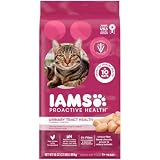
- Urinary Tract Health: IAMS Proactive Health Hairball & Urinary Tract Health dry cat food features clinically proven technology to promote urinary health in 10 days
- Cat Dry Food Reduces Hairballs: This cat food dry recipe includes a unique fiber blend clinically proven to reduce hairballs
- #1 Ingredient Is Real Chicken: IAMS Proactive Health Hairball & Urinary Tract Health cat food is made with real chicken as the #1 ingredient
- Quality Recipe: This recipe provides 100% complete and balanced nutrition for adult cats, delivering the nutrition they need
- Supports A Healthy Heart: IAMS Proactive Health Hairball & Urinary Tract Health dry cat food is crafted with essential nutrients including calcium and potassium to help nourish a healthy heart
What the outcome figures can—and cannot—tell you
The 2025 iCatCare consensus guideline summarizes cited studies in which 91–94% of cats treated with traditional indwelling-catheter protocols survived to discharge. The same guideline reports recurrence rates of 11–58% at varying follow-up times and eventual euthanasia in 21% of cats in the cited studies. These are population findings from different studies and follow-up periods, not a personal forecast for an individual cat or figures that can be combined into one prediction. The guideline notes that appropriate post-discharge management and communication with caregivers may improve long-term outcomes.
Reducing the chance of future urinary signs
Lower urinary tract signs can have different causes. “FLUTD” is an umbrella term, not a diagnosis, so the underlying cause needs investigation before prevention is tailored. For feline idiopathic cystitis, the consensus guideline describes multimodal environmental modification as standard practice and as effective in reducing recurrence of disease signs. A urinary diet, fountain, supplement, or litter product should not be presented as a universal way to prevent obstruction; ask the veterinarian what is appropriate for the cat’s diagnosis.
Quick wins for a faster PC:
Clear out junk files and repair common Windows errorsFree Scan →Fix the driver behind crashes, sound loss and screen glitchesFind Drivers →Quick Recap
Best Value

- Adult wet cat food variety pack supports the entire urinary system with optimal levels of magnesium.
- A good source of natural fiber to help comfortably reduce hairballs in adult cats.
- Each meal in this wet cat food variety pack supports healthy skin and coat with omega-6s and vitamin E.
- High-quality protein to help maintain muscle.
- Made with natural ingredients, this variety pack offers a range of delicious wet meal options.
Product prices and availability are accurate as of the date/time indicated and are subject to change. Any price and availability information displayed on Amazon at the time of purchase will apply.




