The Tool Desk
Outbyte PC Repair FREERepair Windows errors before they cause bigger problemsFix Now →Outbyte Driver Updater FREEFix the driver behind crashes, sound loss and screen glitchesFind Drivers →Getting older is not itself an illness, but new changes in an older cat deserve attention rather than an automatic “that’s just age” explanation. Regular veterinary checkups, careful observation at home, and a few practical changes can help you spot problems and make everyday tasks easier.
When is a cat considered senior?
There is no single age cutoff used by every veterinary framework. The AAFP senior-care summary classifies cats as mature or middle-aged at 7–10 years, senior at 11–14, and geriatric at 15 and older. The 2021 AAHA/AAFP life-stage guidelines use “senior” for cats 10 and older. These are different ways to describe life stages, not a diagnosis or a guarantee of how a particular cat will feel. AAFP senior-care summary; AAHA/AAFP senior-care guidelines.
How often should a senior cat see the vet?
The AAFP summary recommends veterinary examinations at least every six months for apparently healthy senior cats, with more frequent care when disease is present. Ask your veterinarian what schedule makes sense for your cat; age, health history, and new symptoms can all affect it. Regular visits matter because changes in a cat’s health or behavior can be subtle.
What might a checkup include?
The AAFP guidance describes a minimum database of tests beginning in the mature years, with screening frequency increasing as cats age. Depending on the cat’s age and circumstances, this may include a blood count, blood chemistry, urinalysis, thyroid assessment, and blood-pressure assessment. Your veterinarian should decide which tests are appropriate and how often to repeat them. Comparing results over time can help put an individual result in context. AAFP senior-care summary.
#1 Best Overall

- Purina indoor cat food made with real chicken as the number 1 ingredient to support strong muscles, including a healthy heart
- High fiber cat food made with high-quality nutrients and glucosamine helps support the health of cats age 7+
- A natural fiber blend in Purina indoor dry cat food helps minimize hairballs
- Adult cat food includes four antioxidant sources to help support a strong immune system in a crunchy kibble with calcium for strong teeth and healthy gums
- Hairball control cat food features a great taste and deliciously crunchy bites with no artificial flavors or preservatives
Which changes should you discuss with a veterinarian?
Keep an eye on patterns rather than waiting for a dramatic sign. Cornell and FelineVMA guidance identify changes that may deserve a veterinary conversation, including:
- Appetite, food intake, or weight
- Drinking or urination
- Activity, mobility, or reluctance to jump
- Grooming, sleep, or vocalization
- Litter-box habits
Dental disease, arthritis, kidney disease, hyperthyroidism, high blood pressure, diabetes, and cognitive or sensory changes are among the concerns associated with older cats. A symptom list cannot tell you which, if any, is affecting your cat. Note when a change began and how it has developed, then contact your veterinarian instead of assuming it is inevitable aging. Cornell puts the caution plainly: “Never assume that changes you see in your older cat are simply due to old age, and are therefore untreatable.” Cornell Feline Health Center; FelineVMA senior-care caregiver guidance.
Rank #2

- Purina indoor cat food made with real chicken as the number 1 ingredient to support strong muscles, including a healthy heart
- High fiber cat food made with high-quality nutrients and glucosamine helps support the health of cats age 7+
- A natural fiber blend in Purina indoor dry cat food helps minimize hairballs
- Adult cat food includes four antioxidant sources to help support a strong immune system in a crunchy kibble with calcium for strong teeth and healthy gums
- Hairball control cat food features a great taste and deliciously crunchy bites with no artificial flavors or preservatives
Why is my older cat losing weight?
Weight loss is a change to investigate, not a normal consequence to accept without asking why. A home weight trend can give your veterinary team useful context: weigh your cat regularly with a scale suited to small weight ranges, such as a baby scale, and record the results. Share the trend with the clinic, especially if your cat has a diagnosed condition or is eating a therapeutic diet. FelineVMA caregiver guidance.
Is my senior cat in pain?
Pain can be difficult to recognize from one behavior alone. Changes in movement, jumping, grooming, or litter-box use are worth noting and discussing with your veterinarian; do not use an online symptom list to diagnose arthritis or another cause. A low-entry litter box, steps, or a ramp may make movement easier, but these adaptations do not diagnose or treat the underlying problem. AAFP chronic-pain toolkit.
Rank #3

- 100 percent complete and balanced nutrition for adult cats 7 and older. Includes antioxidants to support immune system health
- Contains taurine, an essential amino acid for cats. High levels of vitamin E support a healthy coat
- High protein cat food recipe supports strong muscles. Our Fancy Feast Senior 7+ recipes are crafted in U.S. facilities
- From the number 1 gourmet cat food brand in the U.S.. The delectable flavors and appealing textures you expect from Fancy Feast
- Convenient pull-tab cans for easy feeding. Tailored nutrition to help meet senior cats’ special needs
How can you make home life easier?
Adapt the setup to your cat’s abilities and preferences, and to what you can maintain in your home. The aim is to make ordinary activities accessible—not to substitute household changes for veterinary care.
Make the litter box easier to enter
A low-entry box can help a cat that has difficulty stepping over a high side. Place it where your cat can reach it comfortably. A change in litter-box habits can also signal a health concern, so mention it to your veterinarian rather than treating it only as a setup problem. FelineVMA caregiver guidance; AAFP chronic-pain toolkit.
Rank #4

- Veterinarians Recommend IAMS: Feed your favorite feline IAMS Proactive Health dry cat food to support their whole-body health
- Discover the Proactive 5 Difference: The Proactive 5 health benefits for IAMS Proactive Health are scientifically designed to support five key areas of your cat’s health, keeping them full of life, for more of life
- #1 Ingredient is Real Chicken. This nutrient-rich senior cat food is made with real chicken, contains high-quality protein sources, and supports a healthy body
- Maintains Healthy Digestion: A specialized fiber blend and prebiotics help nourish the intestinal cells and improve the absorption of nutrients
- Healthy Immune System: IAMS Proactive Health Senior dry cat food contains an elevated level of vitamin E, which helps restore immune response to that of a healthy adult cat
Help your cat reach favorite places
Steps or a ramp can make a favorite resting place easier to reach when jumping becomes difficult. Other options described in the AAFP toolkit include distributing water sources and using night lights. Whether a change helps depends on your cat, the layout of your home, and how practical it is to keep in place. AAFP chronic-pain toolkit.
Respond thoughtfully to changes in eating
If your cat is having trouble eating, arrange a veterinary check. If your cat is otherwise healthy, you can ask the veterinary team whether food texture, smell, temperature, or feeding location might be adjusted. Do not change a prescribed diet for a cat with a diagnosed condition without veterinary advice. FelineVMA caregiver guidance.
Free tools Windows power users keep installed
One-click scans. No signup required.
Best Value
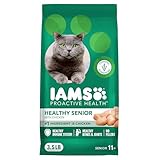
- Veterinarians Recommend IAMS: Feed your favorite feline IAMS Proactive Health dry cat food to support their whole-body health
- Discover the Proactive 5 Difference: The Proactive 5 health benefits for IAMS Proactive Health are scientifically designed to support five key areas of your cat’s health, keeping them full of life, for more of life
- #1 Ingredient is Real Chicken. This nutrient-rich senior cat food is made with real chicken, contains high-quality protein sources, and supports a healthy body
- Maintains Healthy Digestion: A specialized fiber blend and prebiotics help nourish the intestinal cells and improve the absorption of nutrients
- Healthy Immune System: IAMS Proactive Health Senior dry cat food contains an elevated level of vitamin E, which helps restore immune response to that of a healthy adult cat
What do the kidney and joint-disease figures mean?
Cornell’s chronic-kidney-disease page reports that up to 40% of cats over age 10 and 80% over age 15 have chronic kidney disease; the page does not state a publication year. Those figures describe groups, not an individual cat, and cannot tell you whether your cat has the condition. Cornell Feline Health Center: chronic kidney disease.
The FelineVMA caregiver brochure says studies show as many as 92% of cats have degenerative joint disease; the brochure does not state a year or identify the underlying study in the material cited here. Treat that as a qualified population figure, not proof that a particular cat has painful arthritis. A veterinarian can assess your cat’s signs and discuss an appropriate plan. FelineVMA caregiver guidance.
A simple way to prepare for the next appointment
- Write down changes in appetite, weight, drinking, urination, mobility, grooming, sleep, vocalization, and litter-box habits.
- Record when each change began and whether it is stable, improving, or getting worse.
- Bring any home weight records and note your cat’s current food, including a prescribed diet.
- Ask the veterinarian which examination schedule and screening tests fit your cat’s age and health.
- Discuss household changes that could make eating, resting, drinking, or using the litter box easier.
These observations help you describe what you see; they do not replace an examination. Cornell’s reminder is useful for the whole process: “Growing older is not a disease,” said Richard Goldstein, DVM, of Cornell University College of Veterinary Medicine. Cornell: Loving Care for Older Cats.
Quick Recap
Product prices and availability are accurate as of the date/time indicated and are subject to change. Any price and availability information displayed on Amazon at the time of purchase will apply.
What’s actually slowing this PC down?
Pick the symptom - the matching free tool is one click away.




