Recommended Free Tools
Guinea pigs are approachable, social companion animals—but they are not low-maintenance pets. They need a spacious solid-floor enclosure, unlimited grass hay, fresh water, vitamin C, daily observation and cleaning, compatible companionship, enrichment, and access to a veterinarian familiar with exotic small mammals.
Are guinea pigs right for you?
Guinea pigs can be affectionate, engaging companion animals, but they are not “easy” or disposable pets. They need daily care, continuous grass hay, fresh water, appropriate vegetables and vitamin C, a spacious solid-floor enclosure, compatible companionship, regular cleaning, and access to a veterinarian familiar with guinea pigs or other exotic small mammals.
As an Amazon Associate I earn from qualifying purchases.
They are domesticated South American rodents, also called cavies, and strict herbivores. They communicate with sounds such as squeaks and purrs as well as posture and movement. Many form strong bonds with compatible guinea pigs and learn to recognize familiar people and routines.
Free tools Windows power users keep installed
One-click scans. No signup required.
Captive lifespan varies. A reasonable general range is approximately four to eight years, with many veterinary references using about five years as an average. Genetics, diet, housing, illness, and veterinary care all influence an individual guinea pig’s lifespan.
#1 Best Overall

- 🏆【Multiple Combinations】Our small animal cage is made of high-quality coated steel, which is more durable and sturdy. The distance between the encrypted fence iron mesh is about 0.5 inches, which will not trap small animals. There is a small animal pet playpen with a door inside the set for easy management of your pet's entry and exit. Add a unique transparent panel design and place it at the top of the baby chicken cage for easy observation of small pets. The assembled size is 48"L x 24"W x 16"H.
- 🐇【Transparent Panel Top Cover】Our fence kit includes 8 transparent Panels, that can be assembled on top of the bunny play pen as lids to prevent bunny,chick and other small animals from jumping out of the indoor bunny cage and transparent design provide a more comprehensive view of the pet's every move, very suitable for pets who enjoy jumping, such as rabbits, puppies, and cats.
- 🐕🦺【Waterproof Floor Mat】Guinea pig cages with waterproof floor mat is suitable for placing inside the assembled fence with a size of 24 x 48in. Our floor mats are made of 600D oxford cloth, which is more wear-resistant and has a height of 4.7 inches, effectively protecting your floor. The inner lining is made of PVC waterproof coating, which is easy to clean and only needs to be wiped with a towel. The floor mat needs to be installed around the inside of the fence, not around the outside of the fence
- 🦔【Convenient Installation】Connect the ABS connector with the rounded corners of the metal grating plate, and gently tap the ABS connector with a small wooden hammer to make the fence tightly connected. Coupled with nylon ties, forming a very sturdy rabbit cage. ATTENTION: To ensure its stability: ①The connectors need to be fully tightened. ②Use the wooden hammer to reinforce the connectors. ③Tie the panels with zip ties to further reinforce the entire product. ④Read the manual carefully.
- 🐈【Ideal C&C Cage】VISCOO pet cage designed specifically for small animals. Ideal as Midwest guinea pig cage, rabbit playpen, bunny pen, puppy pen, kitten playpen and chicken brooder box, cat playpen, dog fences indoor. It is also suitable for pets such as ferret, rat, hamster, hedgehogs, little duck and little chicken. They can all have fun in this playpen, easy to keep an eye on them from any angle.
Before bringing one home, make sure you can provide:
- A genuinely spacious enclosure, not just a small starter cage.
- A cool, dry, well-ventilated location away from direct sunlight, smoke, aerosols, drafts, and predatory pets.
- Unlimited grass hay, fresh water, measured guinea-pig pellets, fresh produce, and a reliable source of vitamin C.
- Daily observation, feeding, spot-cleaning, enrichment, and interaction.
- Compatible companionship, with a plan for careful introductions and prevention of unwanted breeding.
- Routine and emergency veterinary care, including care during holidays, travel, or relocation.
- An adult who remains the primary caregiver and supervises children.
What guinea pigs need every day
| Need | What responsible care involves |
|---|---|
| Hay | Unlimited, clean grass hay available at all times. |
| Water | Fresh water constantly available, with the bottle or bowl checked to ensure it works and is clean. |
| Food | Measured guinea-pig pellets plus gradually introduced fresh vegetables and leafy greens. |
| Vitamin C | A dependable dietary source, because guinea pigs cannot make their own vitamin C. |
| Observation | Check appetite, droppings, breathing, movement, posture, coat, and behavior. |
| Hygiene | Remove wet bedding, spoiled produce, and heavily soiled material. |
| Social and mental stimulation | Compatible companionship, safe hides, tunnels, foraging, and appropriate exercise. |
A guinea pig that stops eating or produces noticeably fewer droppings can become seriously ill quickly. Daily observation is not optional; it is one of the most important parts of ownership.
Enclosure size, flooring, bedding, and temperature
Choose usable floor space over height
Use the largest practical enclosure. Merck gives a starting point of at least 7.5 square feet for one guinea pig, with approximately two to four additional square feet per additional animal. Other guidance gives smaller historical figures, so no single measurement should be treated as a universal legal minimum for every country or housing system. The welfare-focused choice is to provide substantially more usable floor area whenever possible.
Guinea pigs need room to walk, run, explore, and separate themselves from a companion. Extra shelves or height do not compensate for insufficient floor space. If you keep a pair, plan the enclosure around their combined needs rather than assuming that a cage marketed for two animals is adequate.
Use a solid floor
The floor must be solid and stable. Wire-mesh flooring can injure feet and limbs and contribute to painful pododermatitis. Avoid cramped cages, sharp edges, unstable platforms, and openings that could trap a foot or head.
Glass aquariums are also a poor choice for normal guinea-pig housing because ventilation is inadequate. The enclosure should allow fresh air to circulate without exposing the animals to persistent drafts.
Keep the enclosure cool, dry, and well ventilated
A comfortable target range cited by Merck and UC Davis is approximately 65–79°F (18–26°C). Guinea pigs are particularly vulnerable to overheating. Keep the enclosure out of direct sun and away from hot rooms, radiators, poorly ventilated areas, and sudden temperature changes.
Do these 3 things before closing this tab:
1Repair Windows errors before they cause bigger problems2Fix the driver behind crashes, sound loss and screen glitches3Clear out junk files and repair common Windows errorsA quiet part of the home where the guinea pigs can observe ordinary household activity is usually preferable to a high-traffic or constantly noisy location. Keep them away from cigarette smoke, vaping aerosols, strong fragrances, cleaning fumes, and pets that may frighten or attack them.
Select safe bedding and clean it consistently
Recycled paper bedding and properly maintained fleece liners are common options. Whichever you use, it should remain dry and free of loose fibers, strings, and other material that could wrap around a limb or be swallowed.
Wood shavings or chips associated with aromatic oils can irritate the respiratory system and are best avoided. Spot-clean wet and dirty areas frequently, then deep-clean the enclosure and wash accessories on a schedule suited to its size, the number of guinea pigs, the bedding system, and how quickly moisture accumulates. A larger, well-ventilated enclosure generally gives you more time between full cleanings, but it does not eliminate routine maintenance.
Rank #2

- 🐹 Protective Liner – This guinea pig cage is designed with a waterproof liner placed outside the frame, effectively preventing pets from chewing and ensuring long-lasting use.
- 🌟 Escape-Proof Design – This bunny cage features a fully enclosed structure with ultra-dense 0.6'' wire mesh, creating a highly secure enclosure that prevents small pets from escaping while effectively blocking external disturbances.
- 🚪 Convenient Door Opening – The waterproof liner includes a reserved space for the cage door, allowing it to open smoothly so pets can freely enter and exit without obstruction.
- 🧩 Secure Hook Connection – The liner attaches with hooks, keeping it stable while making removal and reinstallation simple. Smart design makes cleaning your rabbit cage faster and easier.
- 🔧 Customizable Layout – Create the perfect habitat with freely connectable panels. Whether you need a spacious guinea pig cage, a compact rabbit cage, or an expandable bunny cage, the modular design adapts to your space and your pet’s needs.
Add hides, tunnels, and safe enrichment
Provide multiple hiding places; a useful welfare principle is to offer more hides than guinea pigs, so an animal can retreat without being blocked by its companion. Cardboard tunnels, safe chew items, foraging opportunities, and nontoxic toys encourage normal exploration.
What’s actually slowing this PC down?
Pick the symptom - the matching free tool is one click away.
Do not use enrichment with toxic materials, loose strings, unstable structures, narrow openings, or gaps that could trap a head or limb. Inspect toys and hides regularly and discard damaged items.
What to feed a guinea pig
Grass hay is the foundation
High-quality grass hay should be available at all times. Timothy, orchard, and oat hay are common choices. Hay provides the fiber needed by a hindgut-fermenting herbivore and supports normal tooth wear. It should make up the central part of the feeding plan, not serve as an occasional treat.
Store hay in a cool, dry, dark, ventilated place. Discard it if it becomes damp, moldy, or badly contaminated. Because hay is used continuously, buying grass hay for guinea pigs is a practical first-week and recurring-care consideration; choose fresh, appropriately stored hay rather than assuming that any compressed or scented product is suitable.
Healthy adult guinea pigs generally should not rely on alfalfa hay as their everyday staple because it is higher in calcium and protein. Growing, pregnant, and lactating guinea pigs may have different nutritional requirements, so ask a veterinarian about the appropriate hay and diet for those life stages.
Quick wins for a faster PC:
Repair Windows errors before they cause bigger problemsFix Now →Scan for outdated or missing drivers - takes under a minuteDriver Scan →Clear out junk files and repair common Windows errorsFree Scan →Use guinea-pig-specific pellets sparingly
Choose a guinea-pig-specific, grass-based pellet and offer a measured portion rather than keeping a large amount available for unrestricted eating. Avoid seed-heavy mixes, sugary muesli-style foods, and treat blends that encourage selective feeding or displace hay.
Vitamin C in pellets gradually degrades with heat, light, moisture, and age. Check manufacturing or expiration information, store the food as directed, and avoid keeping an old bag for too long. Pellets supplement the diet; they do not replace hay.
Offer vegetables gradually
Fresh vegetables and selected leafy greens add variety and can contribute vitamin C. Bell peppers are one useful option. Introduce new produce slowly, especially after adoption, and remove uneaten food before it spoils. Sudden diet changes can cause gastrointestinal upset or appetite loss.
Fruit is sugary and should be an occasional, small treat rather than a dietary staple. Never allow treats to crowd out hay, water, or balanced food.
The Tool Desk
Outbyte PC Repair FREERepair Windows errors before they cause bigger problemsFix Now →Outbyte Driver Updater FREEFix the driver behind crashes, sound loss and screen glitchesFind Drivers →Vitamin C is essential
Guinea pigs cannot synthesize vitamin C, so they must obtain it through food or an appropriate supplement. Deficiency may cause poor appetite, weakness, a rough coat, lameness, dental problems, abnormal bleeding, and potentially life-threatening illness.
Rank #3

- Protective Liner – This guinea pig cage is designed with a waterproof liner placed outside the frame, effectively preventing pets from chewing and ensuring long-lasting use.
- Secure Hook Connection – The liner attaches with hooks, keeping it stable while making removal and reinstallation simple. Smart design makes cleaning your rabbit cage faster and easier.
- Convenient Door Opening Design – The waterproof liner includes a reserved space for the cage door, allowing it to open smoothly so pets can freely enter and exit without obstruction.
- Customizable Layout – Create the perfect habitat with freely connectable panels. Whether you need a spacious guinea pig cage, a compact rabbit cage, or an expandable bunny cage, the modular design adapts to your space and your pet’s needs.
- Multi-Pet Friendly – Ideal not only as a guinea pig cage but also as a rabbit cage, or even a small pet playpen. A versatile choice for families seeking a secure and cozy home for their furry companions.
Do not routinely add vitamin C to drinking water. It can degrade in water and may alter the taste enough that a guinea pig drinks less. If a guinea pig is ill, pregnant, nursing, very young, or eating a restricted diet, ask a veterinarian for individualized advice about the amount and form of supplementation.
Companionship, introductions, and handling
Plan for compatible companionship
Guinea pigs are social animals, and welfare guidance generally supports keeping compatible companions rather than routinely housing one alone. A companion does not remove the need for human interaction, but it can provide social contact that people cannot fully replicate.
Introductions should be gradual and supervised. Confirm each animal’s sex, because an accidental male-female pairing can result in unwanted breeding. Discuss neutering with a veterinarian experienced in guinea pigs; reproductive surgery requires appropriate small-mammal expertise and is not a decision to make solely to solve a housing problem.
Do not place unfamiliar guinea pigs together without a plan. Use neutral space where appropriate, provide enough room and resources, and be prepared to separate them safely if serious aggression occurs. A rescue or experienced veterinarian can help assess compatibility.
Handle with two hands
Approach calmly and support both the chest and hindquarters. Keep the body close to a stable, low surface so a frightened guinea pig cannot fall far. Never chase, grab from above, squeeze the chest, or lift by a limb.
Children should always be supervised. Guinea pigs can jump or struggle when frightened and can be badly injured by a fall. Let a newly adopted animal acclimate before expecting prolonged handling, and allow it to retreat to a hide when it shows fear.
Daily, weekly, and routine care
Every day
- Refill hay and provide fresh water.
- Offer the measured pellet portion and fresh produce.
- Observe appetite, droppings, breathing, movement, posture, and interaction.
- Remove wet or soiled bedding and spoiled food.
- If using a bottle, check that the nozzle is not blocked, leaking, contaminated, or clogged with mineral deposits or hair.
- Provide safe enrichment and supervised exercise or floor time in a secure area.
Regularly
- Deep-clean the enclosure and wash bowls, bottles, hides, and other accessories.
- Trim nails when needed, or have a veterinarian or experienced professional demonstrate the safe technique.
- Brush long-haired guinea pigs more frequently than short-haired guinea pigs.
- Inspect the feet, skin, coat, mouth, and rear end for abnormalities.
- Weigh the guinea pig periodically. A scale can reveal gradual weight loss before it is obvious by sight.
- Arrange routine examinations with a veterinarian who treats guinea pigs.
Keep a simple record of weight, appetite, diet changes, medications prescribed by a veterinarian, and unusual droppings or behavior. It can make subtle changes easier to identify and gives the veterinarian useful history.
Windows Errors? Fix Them Before They Spread
Repair common Windows errors and clear accumulated junk for a smoother, more stable PC - no reinstall needed.Free scan · no reinstallCrashes, No Sound, or Screen Glitches?
Random freezes, missing sound and display glitches usually trace back to one bad driver. Find and replace yours safely.Free scan · under a minuteWarning signs that need a veterinarian
Guinea pigs often hide illness until they are significantly unwell. Contact a qualified veterinarian promptly if you notice:
- Reduced appetite, refusal to eat, or difficulty chewing.
- Fewer droppings, unusually small droppings, or no droppings.
- Lethargy, weakness, collapse, or a marked change in normal behavior.
- Bloating, a swollen abdomen, diarrhea, or severe digestive changes.
- Tooth grinding, drooling, facial swelling, or trouble picking up food.
- Breathing difficulty, nasal discharge, or noisy breathing.
- Abnormal bleeding, lameness, swollen feet, or inability to move normally.
- A rough coat, sudden weight loss, or a substantial change in drinking or urination.
Gastrointestinal stasis can become fatal quickly, and dental disease may be advanced before obvious signs appear. Do not casually “wait and see” when appetite or droppings change. Do not give leftover medication or over-the-counter antibiotics: some drugs can severely disrupt guinea-pig gut flora and cause fatal complications.
For transport, place the guinea pig in a secure carrier with a towel or familiar safe bedding, minimize noise and handling, and prevent chilling or overheating. Warmth should be gentle rather than excessive. Call the veterinary practice while arranging care and follow its instructions; diagnosis and medication require professional assessment.
Rank #4
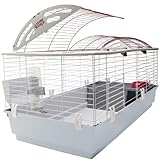
- VERSATILE SMALL ANIMAL HABITAT: Living World Deluxe Habitat provides everything needed for safely housing rabbits, guinea pigs, chinchillas, ferrets, and other small pets; It's a safe, well-ventilated, and comfortable environment for everyday living
- HYBRID CAGE DESIGN: Features a durable plastic bottom base and an upper wire frame with an elegant arcing red wire top and white wire sides; The top opens in two separate sections for easy access, while the front wire door provides additional convenience
- COMFORTABLE & SECURE LIVING SPACE: Includes an elevated balcony with an access ramp, a tip-proof food dish that secures to the balcony floor, and a hideaway area underneath that gives pets a quiet and secure place to rest
- SPACE-SAVING ACCESSORIES INCLUDED: Comes equipped with a drip-proof water bottle and external hay guard that help maximize interior living space while making feeding and maintenance easier
- QUICK TOOL-FREE ASSEMBLY: Assembles in minutes using eight easy-to-use plastic clips with no tools required; Measures 46.9 x 22.8 x 24 inches and provides ample room for bedding, toys, hideouts, litter boxes, and other small animal accessories
Hygiene and household safety
Guinea pigs can carry Salmonella and other germs even when they look clean and healthy. Wash your hands with soap and water after handling the guinea pig, food, bedding, toys, or enclosure. Keep habitat-cleaning equipment away from human food-preparation areas where practical, and clean contaminated surfaces promptly.
Supervise young children during all contact. Children under five, adults over 65, and people with weakened immune systems have a higher risk of serious illness from germs carried by small mammals and should take particular care with handwashing and habitat hygiene. Do not allow a guinea pig to roam on kitchen counters, dining tables, or areas used to prepare food.
Independent reader supportYour contribution helps us test, update, and keep practical guides available for everyone.Responsible adoption and first-week preparation
Adoption from a shelter or rescue is one responsible option, although availability varies by location. Whether adopting or obtaining a guinea pig from another source, ask about sex, age, health history, current diet, compatibility, and veterinary records. Confirm the animal is eating normally and find out what foods it has been receiving so that any transition can be gradual.
Do not buy impulsively because guinea pigs are small or inexpensive to acquire. Before the animal arrives, confirm all of the following:
- The enclosure is assembled, spacious, solid-floored, and escape-proof.
- Safe bedding, hides, tunnels, bowls or a working water bottle, and cleaning supplies are ready.
- There is a supply of fresh grass hay, guinea-pig pellets, and suitable produce.
- The enclosure is positioned away from heat, direct sun, drafts, smoke, aerosols, and dangerous household pets.
- A veterinarian familiar with guinea pigs has been identified, including an emergency-care plan.
- Everyone in the home knows how to lift and handle the animal safely.
- There is a plan for introductions, holidays, cleaning, ongoing costs, and possible relocation.
During the first week, keep the diet familiar, establish a predictable feeding and cleaning routine, weigh the guinea pig if you can do so safely, and spend quiet time nearby. Avoid overwhelming a new arrival with constant handling.
Frequently asked questions
How long do guinea pigs live?
Approximately four to eight years is a reasonable broad range, with about five years often used as an average. Individual lifespan depends on genetics, nutrition, husbandry, illness, and veterinary care.
How large should a guinea-pig cage be?
Use the largest practical enclosure. Merck recommends at least 7.5 square feet for one guinea pig and about two to four additional square feet per additional animal, while other sources cite smaller figures. Treat these as guidance rather than a universal legal minimum, and prioritize generous usable floor space over height.
Can a guinea pig live alone?
Guinea pigs are social and generally do best with a compatible companion. If one must be housed alone temporarily or for a health-related reason, provide additional human interaction and seek advice from a veterinarian or rescue about safe companionship and introductions.
What kind of hay do guinea pigs need?
Clean grass hay, such as timothy, orchard, or oat hay, should be available at all times. Avoid damp, moldy, or badly contaminated hay. Adult guinea pigs generally should not use alfalfa as their everyday staple unless a veterinarian recommends it for their life stage or medical needs.
Do guinea pigs need a water bottle?
They need constant access to fresh water, but the delivery method can be a bottle or a suitable bowl. Bottles reduce tipping and contamination but can block, leak, or become dirty, so check the nozzle every day and verify that the guinea pig is actually drinking.
Best Value

- Spacious & Expandable: Designed with modular panels, this guinea pig cage provides a roomy living space for guinea pigs, rabbits, hamsters, hedgehogs, and other small animals. The customizable C&C design allows you to expand or reconfigure the enclosure to create the perfect rabbit cage or play area as your pet grows.
- Waterproof Liner: This guinea pig cage with waterproof liner includes a durable, leak-resistant liner that helps protect your floors from urine, water spills, bedding, and food debris. Making daily maintenance quick and hassle-free while keeping your pet's habitat clean and comfortable.
- Convenient Side Door: The built-in side door provides effortless access for feeding, cleaning, and interacting with your pets. Whether used as a bunny cage, rabbit cage, or hamster cage, the easy-entry design reduces stress for pets and allows owners to reach inside without dismantling the enclosure.
- Dense Wire Mesh: Built with reinforced metal panels featuring narrow wire spacing, this small animal cage helps prevent escapes while providing excellent ventilation and visibility. The dense mesh design is ideal for young rabbits, guinea pigs, hamsters, and other small pets, offering a safer and more secure environment than standard playpens.
- Indoor & Outdoor Playpen: Suitable for use as a guinea pig enclosure, rabbit cage, bunny playpen, or hamster habitat, this versatile pet fence can be used indoors or outdoors. The sturdy metal construction and customizable layout make it perfect for exercise, playtime, and everyday living.
Should guinea pigs be bathed?
Routine bathing is usually unnecessary and can cause stress or leave the animal chilled. Keep the enclosure and rear end clean, brush as appropriate, and ask a veterinarian about persistent dirt, diarrhea, skin changes, or a coat that cannot be maintained normally.
Can children care for guinea pigs?
Children can participate in age-appropriate tasks with close supervision, but an adult must remain the primary caregiver. Guinea pigs can be injured by rough handling or falls, and household hygiene is especially important around young children and people at higher risk of infection.
Bottom line
Good guinea-pig care is built around generous floor space, solid flooring, ventilation, dry safe bedding, unlimited grass hay, appropriate pellets and vegetables, vitamin C, compatible companionship, enrichment, hygiene, and prompt veterinary attention. Their small size makes them approachable, not maintenance-free. If your household can commit to daily care and several years of recurring food, cleaning, and veterinary responsibility, guinea pigs can be rewarding companions.
Frequently Asked Questions
How long do guinea pigs live?
Approximately four to eight years, although genetics, diet, husbandry, illness, and veterinary care affect each animal’s lifespan.
How large should a guinea-pig enclosure be?
Use the largest practical solid-floor enclosure. Merck recommends at least 7.5 square feet for one guinea pig, plus about two to four additional square feet per additional animal; more usable floor space is better.
Can a guinea pig live alone?
Yes, guinea pigs are social and generally do best with compatible companions. Introductions should be gradual and supervised, with sex managed to prevent unwanted breeding.
What hay do guinea pigs need?
Clean grass hay such as timothy, orchard, or oat hay should be available at all times. Adult guinea pigs generally should not rely on alfalfa hay as their everyday staple unless a veterinarian advises it.
Do guinea pigs need a water bottle?
They need constant access to fresh water. A bottle or bowl can work, but bottles must be checked daily for blockages, leaks, contamination, and actual use.
Should guinea pigs be bathed?
Routine bathing is usually unnecessary. Keep the enclosure clean, brush as appropriate, and consult a veterinarian about persistent dirt, diarrhea, skin changes, or coat problems.
The Bottom Line
Guinea pigs are social, hay-dependent companion animals—not low-maintenance starter pets. Provide spacious solid-floor housing, unlimited grass hay, fresh water, vitamin C, compatible companionship, daily observation, and prompt veterinary care when appetite or droppings change.
Quick Recap
Product prices and availability are accurate as of the date/time indicated and are subject to change. Any price and availability information displayed on Amazon at the time of purchase will apply.




