
Free tools Windows power users keep installed
One-click scans. No signup required.
Some links on this page are affiliate links: if you buy through them we may earn a commission, at no extra cost to you.
The best placement is the one that can safely meet this dog’s medical, behavioral, and welfare needs—not whichever label sounds most caring. For many abused dogs, the safest route is intake through an animal shelter or animal-control service for examination, identification checks, documentation, and triage, followed by a carefully matched foster home or qualified rescue. A specialized rescue, sanctuary, or intensive behavior program is more appropriate when fear, aggression, injuries, or rehabilitation needs exceed an ordinary foster home’s capacity.
A shelter can be an essential short-term safety and assessment setting, but prolonged kennel stress may worsen fear or shut down behavior. Foster care can provide a calmer routine and reveal how a dog behaves in a home, yet it is safe only when an organization supplies screening, veterinary care, behavior support, secure equipment, records, and emergency backup. The decision should follow the dog’s condition and the receiving organization’s demonstrated capacity.
As an Amazon Associate I earn from qualifying purchases.
Where should I take an abused dog first?
Start with an open, established animal shelter, animal-control service, or reputable rescue that can provide immediate veterinary examination, secure housing, identification checks, and written case records. An informal handoff to an unknown individual can leave an injured or fearful dog without treatment, legal intake documentation, or a safe plan if behavior deteriorates.
Call before transporting the dog. Intake may be open, appointment-based, restricted by jurisdiction, or limited by capacity. Describe the dog’s location, visible injuries, ability to walk, breathing, level of fear, any bite or attack, and whether children or other animals are at risk. If there is an immediate public-safety or medical emergency, contact the appropriate local emergency or animal-control service rather than attempting a risky capture.
Popular on Amazon
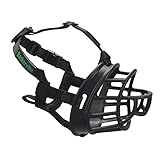
- DOGS CAN PANT AND DRINK: The Baskerville Ultra Muzzle PATENTED HUMANE DESIGN allows dogs to pant (when hot or stressed) and drink. SUITABLE FOR DAILY WALKS and longer periods of wear.
- SHAPE FOR CUSTOM FIT: Like a mouth-guard, the Ultra Muzzle can be HEAT SHAPED using warm water to fit DIFFERENT DOG NOSE SHAPES. See fitting guide for more info and to find the BEST SIZE for your dog.
- IDEAL FOR REACTIVE DOGS: you can TRAIN and REWARD treat your dog if they are reactive around other dogs, people or in new situations like the vet.
- STRONG & SAFE: Built with strong Thermo Plastic Rubber (TPR) the Ultra Muzzle is SAFE TO PREVENT BITES. Extra secure with LOCKABLE NECK STRAP CLIP, HEADSTRAP and COLLAR ATTACHMENT if needed.
- COMFORTABLE FIT: Comes in 6 sizes with PADDED STRAPS and NO METAL WORK ON DOGS FACE. Great for dog owners looking for SMALL, MEDIUM or LARGE sized dog muzzles.
Ask the organization to record the dog’s condition at intake. A useful record includes photographs of injuries, body condition, veterinary findings, identification checks, the circumstances in which the dog was found, and the names of people who observed relevant events. These records travel with the dog when it moves to foster care, rescue, sanctuary, or an adoption partner.
Why the first stop matters
- Medical triage: Pain, dehydration, infection, fractures, parasites, malnutrition, and untreated illness can look like “bad behavior.” Treatment may change the dog’s responses.
- Secure containment: Staff can select housing, barriers, handling procedures, and separation from people or animals according to risk.
- Behavior information: The organization can collect observations over time instead of relying on one frightening incident.
- Transfer pathways: Shelters and established rescues may have foster networks, veterinary partners, behavior specialists, and placement organizations.
What is the difference between a shelter, foster home, and rescue group?
A shelter is usually the intake and triage hub, a foster home is a supervised temporary home setting, and a qualified rescue or sanctuary provides specialized management or long-term placement. The name on the door does not prove that an organization can handle a particular dog; capacity, staff expertise, records, and backup plans do.
| Option | Best use | Main strengths | Main risks or limits | Questions to ask |
|---|---|---|---|---|
| Animal shelter or animal-control service | Immediate safety, identification, medical triage, documentation, and transfer coordination | Staff, veterinary access, behavior observation, legal intake pathways, and connections to foster or rescue partners | Kennel stress, capacity limits, variable behavior presentation, and deterioration during a long stay | Is intake open or appointment-based? What medical and behavior support is available? Is there a foster or rescue-transfer plan? |
| Foster home through a reputable organization | Recovery in a quieter home after screening and matching | Lower-stress observation, individualized routine, and detailed information for adoption or transfer | A private home may lack secure housing, clinical care, behavior expertise, or emergency backup without organizational support | Who owns the case? Who pays for veterinary care? What safety plan, trainer access, and emergency contact are provided? |
| Qualified rescue or sanctuary | Severe fear, significant bite history, cruelty cases, complex medical needs, or structured rehabilitation | Specialized behavior and medical capacity, secure management, foster networks, and placement coordination | Limited intake, uneven expertise, waiting lists, and the fact that “rescue” alone does not establish competence | Can the organization show relevant case experience, secure housing, veterinary access, behavior credentials, complete records, and a realistic placement plan? |
Can a shelter help an abused dog, or will kennel stress make things worse?
A shelter can protect, diagnose, document, and connect a dog to the next placement, but it should actively manage stress and avoid leaving a fearful dog in a kennel without a progression plan. Shelter environments expose dogs to unfamiliar people, noise, confinement, and repeated handling. The Association of Shelter Veterinarians’ guidelines state that animals showing high levels of stress or fear must not be forced to interact.
Ask how the shelter will reduce stimulation and monitor the dog. Useful measures may include quiet housing, visual barriers, hiding options where safe, predictable feeding and cleaning, gradual handling, enrichment suited to the dog, and separation from triggers. The plan should identify who reviews behavior observations, how often medical checks occur, and what event would prompt a foster transfer or specialist referral.
The ASPCA describes abused and neglected dogs as potentially having physical and psychological wounds such as injury, illness, malnutrition, disabling fear, handling sensitivity, and severe stress. Its recovery programs combine medical intervention, stress-reducing housing, and individualized behavioral care. A local shelter may not offer the same resources, so ask what it can actually provide rather than assuming every facility has a rehabilitation unit.
Signs a shelter stay needs to change
- The dog stops eating or drinking, develops repeated diarrhea or vomiting, or shows worsening pain or illness.
- Fear escalates into frantic escape attempts, freezing, self-injury, or inability to rest.
- The dog cannot be handled safely with the current equipment and staffing.
- Observations are being recorded only from kennel reactions, with no plan to gather information in a quieter setting.
- No one can explain the next step, responsible case manager, veterinary funding, or transfer options.
These signs do not automatically mean the shelter is failing. They indicate that the dog’s plan should be reviewed and possibly moved to a screened foster home, qualified rescue, or specialist behavior program.
Also popular on Amazon
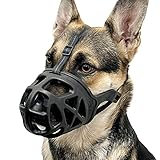
- The Only Muzzle You Need: Say goodbye to your old muzzle. The BARKLESS practical muzzle has features you need to prevent your dog from nipping, destroying, fighting and digging and eating everything while the basket-style design gives all-around mouth protection allowing your pet unrestricted drinking and panting. This muzzle for dogs make it the ideal choice for reactive dogs’ daily walks, occasional use, dog park socialization, grooming, vet visits, training, traveling, and walking
- Safe & Humane: Friendly dog muzzles are more pliable and softer, making them comfortable for the dog. Humane muzzle for dogs allow your dog to pant, drink and treat train while being worn with the uniquely designed bar spacing which forms the canine muzzle
- Easy to Use: Comfort-fit design for most sizes of breeds with adjustable head and neck straps allow you to quickly adjust the size to fit your dog, making it ideal for the puppy, small, medium, and large dogs. The twist on each side of the strap is part of a unique design, ensuring a better fit for your dog’s head shape. This is a thoughtful feature, not a defect, aimed at providing a more comfortable and secure fit
- Prevent Muzzle Slippage: An incorrect size, improper fit, or lack of muzzle training can cause the dog to remove the cage muzzle. Adjust the straps to ensure a snug fit—secure enough to keep the basket muzzle for dogs in place without causing discomfort. Check the head strap to prevent slippage. Refer to the included instructions to help your dog adjust to the dog muzzles to prevent biting
- Desensitizing Your Dog to a Muzzle: Many dogs may resist wearing cage muzzles for dogs initially, especially if they've never worn one before. To help them adjust, use gradual desensitization training—start with short periods and reward calm behavior. Over time, your dog will accept it as part of their routine
Is a foster home safer than a shelter for a traumatized dog?
Often, a properly supported foster home reduces shelter stress and reveals home behavior, but an unsupported private placement can be more dangerous than a well-run shelter. Foster care is most suitable when the dog is medically stable, risks can be managed in the home, and an organization remains responsible for the case.
In a home, staff and future adopters may learn whether the dog can sleep, eat, walk, play, use stairs, tolerate ordinary sounds, and recover after a trigger. That information is more useful than a single kennel reaction when deciding on adoption or transfer. The calmer routine can also make gradual behavior work possible for dogs whose fear prevents progress in a busy shelter.
What a safe foster arrangement includes
- Written ownership: A named organization remains responsible for decisions, records, and the dog’s next placement.
- Veterinary funding: The foster knows which clinic to use, what costs are covered, and how emergencies are authorized.
- Secure physical setup: Doors, gates, crates, leashes, harnesses, and separation areas are appropriate to the dog’s size and escape risk.
- Behavior instructions: The foster receives trigger information, handling rules, a decompression routine, and contact with a qualified behavior professional when needed.
- Emergency backup: There is a reachable contact and a prearranged place for the dog to go if a bite, escape, illness, or household conflict occurs.
- Continuity of records: Daily observations, medication, incidents, and progress are shared with the organization.
Do not accept a foster placement that depends on the volunteer paying every bill, improvising safety equipment, or deciding alone what to do after a serious incident. A foster home is a setting within a care system, not a substitute for one.
When does an abused dog need a qualified rescue, sanctuary, or specialist program?
Escalate to a qualified rescue, sanctuary, or intensive behavior program when the dog has severe fear, a significant bite history, serious public-safety concerns, complex medical needs, or rehabilitation requirements beyond a normal foster home. Austin Animal Services, for example, distinguishes dogs suitable for ordinary adoption or fostering from cases requiring rescue partners equipped for rehabilitation and structure.
Recommended Free Tools
“Rescue” is not a credential. Before transferring a dog, verify that the organization has handled comparable cases and can provide secure housing, veterinary access, behavior expertise, complete records, and a realistic outcome plan. A sanctuary may be appropriate when safe lifelong management is more realistic than adoption, but it should explain its capacity, daily care, and intake limits.
Questions that reveal real capacity
- How many dogs with comparable fear, aggression, injuries, or handling needs have you managed?
- Who performs veterinary examinations, and where are emergencies treated?
- What behavior professional writes and monitors the plan?
- What secure housing, double-door systems, barriers, or separation procedures are available?
- How are bites, escapes, medication problems, and failed placements reported and handled?
- Who pays for treatment, equipment, transport, and follow-up care?
- Will the dog’s full medical and behavior record travel with it?
- What is the realistic next outcome: adoption, another transfer, sanctuary care, or long-term management?
An organization that cannot answer these questions clearly may still be well intentioned, but it is not ready to accept a high-risk case.
Also popular on Amazon
- The Only Muzzle You Need: Say goodbye to your old muzzle. The BARKLESS practical muzzle has features you need to prevent your dog from nipping, destroying, fighting and digging and eating everything while the basket-style design gives all-around mouth protection allowing your pet unrestricted drinking and panting. This muzzle for dogs make it the ideal choice for reactive dogs’ daily walks, occasional use, dog park socialization, grooming, vet visits, training, traveling, and walking
- Safe & Humane: Friendly dog muzzles are more pliable and softer, making them comfortable for the dog. Humane muzzle for dogs allow your dog to pant, drink and treat train while being worn with the uniquely designed bar spacing which forms the canine muzzle
- Easy to Use: Comfort-fit design for most sizes of breeds with adjustable head and neck straps allow you to quickly adjust the size to fit your dog, making it ideal for the puppy, small, medium, and large dogs. The twist on each side of the strap is part of a unique design, ensuring a better fit for your dog’s head shape. This is a thoughtful feature, not a defect, aimed at providing a more comfortable and secure fit
- Prevent Muzzle Slippage: An incorrect size, improper fit, or lack of muzzle training can cause the dog to remove the cage muzzle. Adjust the straps to ensure a snug fit—secure enough to keep the basket muzzle for dogs in place without causing discomfort. Check the head strap to prevent slippage. Refer to the included instructions to help your dog adjust to the dog muzzles to prevent biting
- Desensitizing Your Dog to a Muzzle: Many dogs may resist wearing cage muzzles for dogs initially, especially if they've never worn one before. To help them adjust, use gradual desensitization training—start with short periods and reward calm behavior. Over time, your dog will accept it as part of their routine
How should medical and behavior urgency be assessed?
Assess physical condition and behavior together, then interpret behavior across multiple settings and observers. Pain, illness, hunger, sleep deprivation, and frightening handling can produce defensive responses that change after treatment and decompression.
Medical information to record
- Visible wounds, swelling, bleeding, limping, breathing difficulty, eye problems, or signs of pain
- Body condition, hydration, appetite, vomiting, diarrhea, coughing, and mobility
- Vaccination, parasite, medication, and surgical history when available
- Identification information, including a microchip scan and ownership records where applicable
- Handling limitations, such as inability to touch a body area or safely enter a crate
Behavior information to record
- Fear triggers, including people, voices, rooms, noises, leashes, crates, or specific handling
- Freezing, hiding, fleeing, growling, snapping, lunging, or biting, with the context and distance involved
- Resource guarding around food, toys, resting places, or people
- Responses to dogs, cats, children, strangers, and familiar caregivers
- Recovery time after a trigger and behavior in quiet versus busy environments
The ASPCA recommends gathering as much information as possible from multiple sources. A single assessment should not control a euthanasia decision except in egregious cases. The Association of Shelter Veterinarians likewise emphasizes individualized behavior support and warns against forcing interaction when an animal is highly stressed or fearful.
Do these 3 things before closing this tab:
1Scan for outdated or missing drivers - takes under a minute2Clear out junk files and repair common Windows errors3Fix the driver behind crashes, sound loss and screen glitchesWhat safety precautions are needed for a fearful or aggressive dog?
Use management first: prevent another bite or escape while qualified professionals evaluate the dog. Keep the dog separated from children and other animals, limit visitors, use secure doors and barriers, and avoid cornering, grabbing, punishing, or forcing contact. Every caregiver should receive the same written instructions.
A basket muzzle can be useful for some dogs during veterinary care or carefully planned public movement, but it must be correctly fitted and introduced through gradual conditioning by a qualified professional. It is not a substitute for supervision, medical treatment, secure containment, or behavior rehabilitation. A muzzled dog still needs space, water, careful handling, and protection from overheating or entanglement.
After a bite, preserve accurate details: what happened immediately beforehand, whether skin was broken, the number and location of bites, who was involved, what containment was used, and what medical care occurred. Follow local reporting and quarantine requirements; those rules vary by jurisdiction. Do not conceal a bite history when contacting a rescue or foster coordinator.
How do I choose between foster care and specialized rescue?
Choose the least stressful setting that can safely manage the dog’s known risks and deliver the required care. Use a screened foster home when the dog is stable, risks are manageable, and the organization can provide close oversight. Choose specialized rescue, sanctuary, or a behavior program when secure management, clinical care, or rehabilitation exceeds a typical household’s resources.
The Tool Desk
Outbyte Driver Updater FREEScan for outdated or missing drivers - takes under a minuteDriver Scan →Outbyte PC Repair FREERepair Windows errors before they cause bigger problemsFix Now →Also popular on Amazon
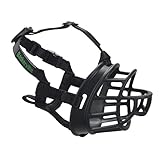
- DOGS CAN PANT AND DRINK: The Baskerville Ultra Muzzle PATENTED HUMANE DESIGN allows dogs to pant (when hot or stressed) and drink. SUITABLE FOR DAILY WALKS and longer periods of wear.
- SHAPE FOR CUSTOM FIT: Like a mouth-guard, the Ultra Muzzle can be HEAT SHAPED using warm water to fit DIFFERENT DOG NOSE SHAPES. See fitting guide for more info and to find the BEST SIZE for your dog.
- IDEAL FOR REACTIVE DOGS: you can TRAIN and REWARD treat your dog if they are reactive around other dogs, people or in new situations like the vet.
- STRONG & SAFE: Built with strong Thermo Plastic Rubber (TPR) the Ultra Muzzle is SAFE TO PREVENT BITES. Extra secure with LOCKABLE NECK STRAP CLIP, HEADSTRAP and COLLAR ATTACHMENT if needed.
- COMFORTABLE FIT: Comes in 6 sizes with PADDED STRAPS and NO METAL WORK ON DOGS FACE. Great for dog owners looking for SMALL, MEDIUM or LARGE sized dog muzzles.
| If the dog is… | More suitable starting plan | Reason |
|---|---|---|
| Medically stable, fearful but manageable, and able to rest around a screened caregiver | Organization-supervised foster home | Lower-stress observation and individualized routine may support recovery. |
| Injured, ill, severely underweight, or unable to tolerate handling | Shelter or rescue with veterinary capacity | Examination, treatment, pain control, and secure handling come first. |
| Showing severe fear, repeated escape attempts, or self-injury | Qualified behavior program or rescue with secure housing | The home must provide specialized management and a structured rehabilitation plan. |
| With a serious bite history or substantial public-safety concern | Qualified rescue, sanctuary, or specialist placement | These cases need professional consultation, secure containment, and clear risk management. |
| Improving in a supported foster placement | Continue with monitored foster care while planning the next outcome | Stable progress and detailed observations can guide an appropriate adoption or transfer. |
What should happen after the dog is placed?
Placement is the beginning of a documented care plan, not the finish line. The receiving organization should set review dates, track medical treatment and behavior, and decide whether the dog is ready for adoption, needs another transfer, or requires long-term sanctuary care.
Keep the dog’s routine predictable. Feed, walk, rest, and handle the dog according to the written plan. Introduce new people, places, equipment, and animals gradually, stopping before the dog becomes overwhelmed. Record what happened before each reaction and how long recovery took; patterns help professionals adjust the plan.
When adoption is considered, disclose known triggers, handling limits, bite history, medication, equipment, and management requirements. The most suitable adopter may not be the first applicant. A careful match is safer than an optimistic description that places the dog in another failed home.
How can I verify that a rescue or foster program is reputable?
Look for transparent records, defined responsibility, relevant experience, and a realistic plan for setbacks. Reputation should be demonstrated by operations, not only by social-media appeals or a promise to “save” every dog.
What’s actually slowing this PC down?
Pick the symptom - the matching free tool is one click away.
- Ask to see the organization’s veterinary and behavior protocols, intake criteria, and emergency contact process.
- Confirm that animals receive examinations and that treatment decisions are made with veterinary professionals.
- Ask how foster homes are screened, trained, supervised, and relieved when a placement is unsafe.
- Verify that behavior and medical records accompany every transfer.
- Request references or documented outcomes for comparable cases, while respecting the privacy of adopters and animals.
- Be cautious if the group minimizes a bite, refuses to discuss containment, or cannot explain who pays for care.
- Make sure there is a humane fallback if adoption is not appropriate.
ASPCA placement partners receive detailed medical and behavioral records and may receive continuing support for foster or adoptive homes. That model illustrates what a responsible transfer should provide: information, accountability, and support after transport.
What is the safest placement sequence?
Move from stabilization to assessment, then to the least stressful safe setting and a documented next outcome. Use this sequence as a practical checklist:
Also popular on Amazon
- DOGS CAN PANT AND DRINK: The Baskerville Ultra Muzzle PATENTED HUMANE DESIGN allows dogs to pant (when hot or stressed) and drink. SUITABLE FOR DAILY WALKS and longer periods of wear.
- SHAPE FOR CUSTOM FIT: Like a mouth-guard, the Ultra Muzzle can be HEAT SHAPED using warm water to fit DIFFERENT DOG NOSE SHAPES. See fitting guide for more info and to find the BEST SIZE for your dog.
- IDEAL FOR REACTIVE DOGS: you can TRAIN and REWARD treat your dog if they are reactive around other dogs, people or in new situations like the vet.
- STRONG & SAFE: Built with strong Thermo Plastic Rubber (TPR) the Ultra Muzzle is SAFE TO PREVENT BITES. Extra secure with LOCKABLE NECK STRAP CLIP, HEADSTRAP and COLLAR ATTACHMENT if needed.
- COMFORTABLE FIT: Comes in 6 sizes with PADDED STRAPS and NO METAL WORK ON DOGS FACE. Great for dog owners looking for SMALL, MEDIUM or LARGE sized dog muzzles.
- Stabilize and document: Contact an established shelter, animal-control service, or rescue that can provide veterinary examination, secure housing, identification checks, and written history.
- Screen urgency: Record injuries, pain, illness, fear triggers, handling sensitivity, bite history, guarding, and reactions to people and animals.
- Match the setting: Use a supervised foster home if the dog is stable and risks are manageable; use qualified rescue, a behavior program, or sanctuary for severe fear, serious bites, or complex rehabilitation.
- Attach professional support: Confirm who pays for veterinary care, who monitors the behavior plan, what equipment and separation rules apply, and where the dog goes if placement fails.
- Plan the next move: Establish a realistic route to adoption, long-term sanctuary, transfer, or another humane outcome before the current placement becomes a crisis.
The central question is not “Which label is best?” It is “Which team can safely meet this dog’s needs now and remain accountable for what happens next?”
Frequently Asked Questions
Can I keep an abused dog overnight before contacting an organization?
Only if you can safely confine the dog away from children and other animals and can obtain prompt professional guidance. Use closed doors, secure barriers, and minimal handling; do not transport an injured or highly fearful dog in an unsecured vehicle. Contact local animal control, a shelter, or a reputable rescue as soon as possible so the temporary arrangement does not become an unmanaged long-term placement.
How long does it take for an abused dog to recover?
There is no reliable universal timeline. Recovery depends on pain and illness, the dog’s history, triggers, genetics, learning opportunities, housing, and consistency of care. Progress should be judged by safer behavior, improved ability to rest and recover, and professional review rather than a promised number of days.
Should an abused dog meet other dogs to become socialized?
Not automatically. Introductions should wait until the dog is medically stable and a qualified professional has assessed safety, with distance, barriers, and gradual exposure used as needed. Forced greetings can increase fear or trigger defensive behavior.
What information should accompany a dog when it changes organizations?
Send veterinary records, medication details, identification information, photographs of injuries when appropriate, daily observations, triggers, bite or escape reports, equipment instructions, and the current behavior plan. Include what helps the dog settle and what has caused setbacks so the next caregiver does not have to rediscover risks through trial and error.





Leave a Reply