
The Tool Desk
Outbyte PC Repair FREEClear out junk files and repair common Windows errorsFree Scan →Outbyte Driver Updater FREEScan for outdated or missing drivers - takes under a minuteDriver Scan →Some links on this page are affiliate links: if you buy through them we may earn a commission, at no extra cost to you.
Short answer: A reputable animal shelter or rescue is usually the safer default because it is more likely to document veterinary care, check identification, assess behavior, screen adopters and offer a return process. A private rehoming can be just as safe when you can verify the owner and animal, inspect the current home, review original records, confirm the microchip and sign a written transfer before paying. The label matters less than the safeguards you can independently confirm.
Which is safer: a shelter or private rehoming?
There is no reliable, general safety or fraud rate comparing every shelter with every private rehoming. Quality varies within both groups. A well-run nonprofit rescue may provide far more information than an overstretched facility, while an honest owner may know an individual pet better than any organization. Conversely, a poorly managed shelter can have incomplete records, and a deceptive private listing can conceal illness, behavior problems or even the fact that the animal exists.
As an Amazon Associate I earn from qualifying purchases.
Use a process-based test. Choose the option that can show verifiable identity and ownership, credible veterinary evidence, candid behavior information, thoughtful matching, accountable contacts and a written plan if the placement fails. If a private listing cannot meet those standards, a reputable shelter or rescue is the safer choice.
| Safety question | Reputable shelter or rescue | Private rehoming | What you should verify |
|---|---|---|---|
| Who legally controls the animal? | Intake records, municipal or organizational records and a microchip check should exist. | The current owner must prove possession and authority to transfer the pet. | Scan the chip, confirm the registry details and obtain a signed transfer identifying both parties and the animal. |
| What is known about health? | Examination, vaccinations, parasite treatment, medications and sterilization status are commonly recorded, although gaps can occur. | Information depends on the owner’s records and candor; there may be no standardized examination. | See original veterinary records, ask what is still due and arrange an independent examination after transfer. |
| How reliable is behavior information? | Observations from staff, volunteers and foster carers can reveal patterns over time. | The owner may provide useful history from the home, but may also minimize problems. | Ask about bites, escape attempts, aggression, anxiety, resource guarding and reactions to children and other animals. |
| How are adopters matched? | Many organizations ask about housing, landlord permission, experience and household members. | Screening may be thoughtful, informal or absent. | Expect questions, a conversation and, where appropriate, a home visit. |
| Who is accountable afterward? | A named organization, published policies and post-adoption contact provide a clearer remedy. | Accountability rests on the person’s identity, reliability and written agreement. | Get a real name, working contact details and a documented return or transfer arrangement. |
| How exposed are you to fraud? | Physical premises and established records make the animal and organization easier to verify, though not every facility is equally transparent. | Risk rises when you cannot see the animal and its home before money changes hands. | Never pay a deposit, shipping charge or “insurance” fee before an in-person meeting and record check. |
Ask for evidence rather than relying on a reassuring story. The ASPCA describes shelters as including municipal and private facilities and nonprofit rescues, and says they should maintain records, check identification at intake and provide necessary care. It also cautions that staffing, capacity and veterinary shortages differ by facility, so the word “shelter” is not a guarantee of complete information.
Popular on Amazon

- 【Support Multipe Microchip Formats】Universal microchip scanner supports EMID / ISO11784 / ISO11785 / FDX-B(15 digit microchips). Please note, the microchip reader CAN NOT read Avid chips, and the 9-digit ID can not be recognized. Only the 15-digit international standard protocol can be recognized. Please check the format of the microchip before purchasing.
- 【Easy To Operate & Fast Scan】Our pet microchip scanner is easy to operate, one button to read. Our microchip scanner adopt advanced RFID technology, responsive and fast scanning, it can better improve the efficiency of work. Please note, if no label is scanned, the device will automatically turn off after 180 seconds, or you can press and hold the button for 3 seconds to turn off the device.
- 【 Large Data Storage】Our pet microchip scanner can save 128 animal chips. It can be transferred to a computer or mobile phone via a USB cable connection. Our pet chip scanner also features a data-erase function, refer to the user manual for instructions.
- 【Rechargeable Battery】Our pet chip scanner supports USB charging, eliminating the need for frequent battery replacements, it can last for more than one year after being fully charged.
- 【Easy To Carry】Our scanners are lightweight and compact, making them easy to carry and ideal for both indoor and outdoor use. The package includes one scanner, a USB cable, and a user manual.
What should a reputable shelter or rescue provide?
A responsible organization can explain what it knows, what it does not know and what support it offers after adoption. Before you commit, ask to see the following.
Identification and ownership checks
The organization should scan for a microchip when the animal arrives and investigate a matching registry entry or other identification. Ask for the chip number, the organization’s intake or license record and paperwork showing that it has authority to place the pet. At adoption, confirm that the registry transfer instructions name you accurately; a chip that is not updated will not help a lost animal get home.
Recommended Free Tools
Veterinary evidence
Request examination notes, vaccination dates, parasite treatment, current medications, known diagnoses, sterilization status where appropriate and any treatment still required. A record should identify the treating clinic and animal, not just list claims in an advertisement. If a condition is unresolved, ask for the diagnosis, likely costs, warning signs and follow-up schedule in writing.
Behavior observations from more than one setting
Behavior decisions should draw on observations by staff, volunteers and foster carers rather than only a surrender form. Ask how long the animal was observed, whether it has lived with children, cats or dogs, and how it responds to handling, confinement, food, visitors and being left alone. A responsible rescue will disclose known aggression, fear, separation anxiety, escape behavior and other special needs instead of promising that every problem will disappear immediately.
Matching and adopter screening
Good matching is a safety measure, not unnecessary gatekeeping. Expect questions about your housing, landlord permission, household composition, work schedule, previous pet experience, other animals and plans for exercise and supervision. The BC SPCA says an adoption matching process helps ensure that an animal fits the adopter’s lifestyle. Ask what circumstances would make the organization decline or postpone a placement and whether it can suggest a better match.
Accountability and a return policy
Look for a registered organization, a physical or verifiable operating address, a named contact and written policies. Ask exactly how long the return window lasts, whether you must contact the rescue before rehoming the animal elsewhere, who pays transport and what happens if the pet becomes ill. The BC SPCA and UK government guidance both emphasize suitability, medical information, microchip records and a clear route back to the organization.
Also popular on Amazon

- ❤ Supports Multiple Protocols – Compatible with ISO 11784/11785, FDX-B microchips for seamless reading with one-button operation. Does NOT support FDX-A or AVID chips. The 9-digit ID CANNOT be recognized. Only the 15-digit international standard protocol can be recognized.
- ❤ Efficient Data Management – Built-in storage holds up to 128 tags, eliminating redundant scanning and improving efficiency. The USB transfer feature allows seamless data upload to computers or mobile devices for backup, analysis, and sharing, making it ideal for pet owners, farms, and research institutions.
- ❤ Portable & Durable Design – Lightweight and easy to carry, suitable for both indoor and outdoor use. The robust casing provides strong impact resistance, ensuring stable performance in farms, field research, and rescue operations, even in harsh conditions.
- ❤ Built-in Rechargeable Battery – Eliminates the need for frequent battery replacements, with USB charging for convenience. Includes an auto-shutdown function after 180 seconds of inactivity or manual shutdown with a 3-second press.
- ❤ Support turn on/off the pet reader prompt sound. The pet reader is equipped with a speaker, when you scan successfully, the pet reader will "di" to indicate that the scan is successful. If your pet is afraid of the sound of the card reader, please check the instructions in the package and follow the instructions to turn off the sound.
How do I verify a private rehoming before paying?
Private placement is safest when you treat it as an adoption with due diligence, not a quick sale. RSPCA Queensland recommends a veterinary check, updated microchip and ownership details, phone screening, two meetings and a home visit. Use this sequence.
- Speak by phone first. Ask why the pet is being rehomed, how long the person has had it, where it has lived and whether anyone else has cared for it. Notice whether the answers are specific and consistent. Someone who cannot answer basic questions or refuses ordinary screening deserves extra caution.
- See the animal in its current home. Arrange an in-person visit while the pet is with the person who claims ownership. Observe housing, cleanliness, body condition, temperament and the animal’s reaction to the caregiver. A public-place handoff prevents you from checking the home and is a warning sign in NSW guidance.
- Inspect original records. Ask for veterinary invoices or clinic records, vaccination and parasite dates, medication labels and any behavior or training information. With permission, call the clinic using a number you locate independently, not only a number typed into a message, to confirm that the records belong to this animal.
- Scan and transfer the microchip. A veterinarian, shelter or other qualified service can scan the chip. Compare the number with the registry record and ask the registry how ownership will be changed. A scanner only confirms an identifier; it does not by itself prove that the person presenting the animal has legal title.
- Check the person’s authority to rehome. Ask whether another family member, co-owner, breeder, landlord, shelter, court order or adoption contract has an interest in the pet. If the animal came from a rescue, that organization may retain a return right. Do not proceed until any competing claim is resolved in writing.
- Meet the household and other caregivers when relevant. If children, partners or another regular caregiver are part of the pet’s life, ask to speak with them. Their account can reveal medical or behavior history that a single seller omits.
- Sign a complete transfer agreement. Include both parties’ legal names and contact information, the pet’s species, name, age or estimated age, color, sex, microchip number, medical disclosures, payment, date, and the exact procedure if the match fails. Each party should receive a copy before the animal leaves.
- Pay only after verification. Do not send deposits, wire transfers, gift cards, shipping charges or insurance fees before seeing the animal and records. A legitimate rehoming may involve reasonable adoption or veterinary costs, but those costs should be explained and documented rather than imposed as surprise charges.
Direct rehoming platforms can keep pets out of shelters, but the platform does not replace your checks. Austin Animal Services advises checking a private rescue’s nonprofit registration and independent charity ratings; the same principle applies to an individual listing—verify the person, animal, records and ownership yourself.
What paperwork should I receive when adopting?
Keep a digital scan and a paper copy of every document. Your file should contain enough information for a veterinarian, registry or lost-pet service to identify the animal and understand its history.
- Transfer or adoption agreement: names and contacts of the parties, date, animal description, microchip number, fee and any return conditions.
- Microchip documentation: chip number, registry name, transfer instructions and confirmation that your contact details were submitted.
- Veterinary records: examination findings, vaccinations, deworming or other parasite treatment, medications, diagnoses, laboratory results and sterilization status where applicable.
- Behavior disclosure: known bites, aggression, fear, escape attempts, separation problems, resource guarding, triggers and management advice.
- Licensing or import documents: local license, rabies certificate or other legally required records for your jurisdiction.
- Care instructions: current food, feeding schedule, restrictions, training cues, equipment and emergency contact information.
- Return policy: the contact method, time limits, transport responsibility and whether the animal must be returned rather than transferred to another person.
If a provider says a record is unavailable, ask it to state that limitation in writing and explain how it will be addressed. Missing paperwork is not automatically proof of wrongdoing, but it increases the importance of an independent veterinary examination and ownership check.
Crashes, No Sound, or Screen Glitches?
Random freezes, missing sound and display glitches usually trace back to one bad driver. Find and replace yours safely.Free scan · under a minutePC Slower Than It Used to Be?
A free scan shows the junk files, broken settings and background clutter dragging Windows down - then fixes them in one click.Free scan · Windows 10 & 11What are the warning signs of an adoption scam or unethical rehoming?
The Animal Legal Defense Fund identifies vague descriptions, copied photographs, limited adopter screening and people who cannot answer basic questions as common warning signs. NSW guidance also flags invalid identification numbers, refusal to show the animal and payment requested before an in-person visit. Treat several small inconsistencies as seriously as one dramatic demand.
- You are pressured to decide immediately or told that many other adopters are waiting.
- The person refuses a video call, home visit or meeting at the animal’s current home.
- Photos appear elsewhere online or the description changes when you ask follow-up questions.
- You are asked for a deposit, wire transfer, gift card, shipping charge, insurance fee or other payment before inspection.
- The animal is supposedly in another city or country and must be “shipped,” with new charges appearing at each stage.
- The microchip, license or registration number is invalid, belongs to a different animal or cannot be independently checked.
- The seller asks no questions about your housing, experience, household or ability to care for the pet.
- The person claims to be a rescue but will not provide a legal name, registration information, physical location or written policies.
- You are told to meet in a car park or other public place specifically to avoid showing the home or original records.
Stop the transaction when these signs appear. Do not send more money or personal documents. Save messages and payment records, report the listing to the platform or local authorities where appropriate, and contact a municipal shelter or established rescue with verifiable records instead. As the Animal Legal Defense Fund puts it, “If the situation feels like a scam, it probably is.”
Also popular on Amazon

- Stores lost pets chip numbers
- Alerts the user that a pet is missing
- Rechargeable by plugging into a pc
- Reads most microchips in pets, dogs, cats
What should I do immediately after the pet changes hands?
Arrange an independent veterinary examination soon after transfer, even when the source supplied a recent health certificate. The veterinarian can scan the microchip, compare the animal with the records, assess urgent problems, review parasite and vaccination needs and explain any quarantine or introduction precautions for your household.
- Transport the pet securely and keep the first environment quiet.
- Bring every record and the signed transfer agreement to the appointment.
- Ask the veterinarian to document the pet’s condition on arrival and list recommended follow-up care.
- Keep the animal separated from resident pets until the veterinarian advises that introductions are appropriate, especially when health history is incomplete.
- Update the microchip registry and local license immediately, then save confirmation.
- Follow the written return process rather than privately passing the pet to someone else if serious problems emerge.
A veterinary check cannot uncover every future behavior or medical issue, but it creates an independent baseline and gives you a timely opportunity to correct an inaccurate record.
When should I choose a shelter, rescue or private owner?
Use the decision rule below instead of assuming that one channel is always safe.
Choose the shelter or rescue when
- It can show intake or ownership records, a microchip check and a named organization responsible for the placement.
- It provides veterinary and behavior information, including uncertainties and ongoing treatment.
- It asks meaningful questions about your home and household and explains its matching process.
- It offers a written return policy and post-adoption contact.
- A private listing will not allow an in-person home visit, record verification or a written transfer.
Consider private rehoming when
- You can meet the owner and animal in the current home more than once if needed.
- The owner provides original veterinary records, answers detailed behavior questions and permits independent confirmation.
- The microchip and ownership details can be checked and transferred before or at handover.
- All co-owners or responsible caregivers agree to the transfer.
- The written agreement states what happens if the placement fails.
Pause either option when
- Information changes between conversations or the provider will not document important claims.
- You are discouraged from consulting your own veterinarian or checking the registry.
- The animal’s condition suggests an urgent problem that has not been disclosed or treated.
- You feel pressured to pay before the identity, records and return plan are settled.
What do regional rules add to these checks?
Legal requirements differ by country, state and municipality, so confirm the rules where the animal will live. UK government guidance updated 4 December 2025 advises checking suitability, obtaining medical and microchip records and using reputable rehoming organizations; it also says not to buy a cat or dog from unknown sources. Massachusetts regulatory guidance describes veterinarian-signed health certificates before placement for dogs and cats covered by its rules. NSW guidance highlights identification, in-person inspection and payment timing. These examples are not a universal legal checklist: local licensing, rabies, transport and import rules may add requirements.
Ask the shelter, rescue or owner which jurisdiction’s rules apply and obtain required certificates before transport. If the animal crosses a border, confirm permits and quarantine requirements with the relevant government authority rather than relying on a seller’s summary.
Can a private rehoming be as safe as a shelter adoption?
Yes, but only when the private process reaches the same practical safeguards: verified identity and ownership, credible medical records, candid behavior disclosure, appropriate matching, an independent veterinary check and a written failure plan. A private owner may offer unusually detailed knowledge of the pet’s routines, while a shelter may offer stronger organizational accountability; neither advantage matters if basic verification is blocked.
Free tools Windows power users keep installed
One-click scans. No signup required.
Also popular on Amazon
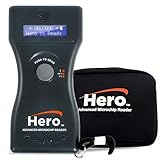
- UNIVERSAL MICROCHIP COMPATIBILITY: Reads all ISO microchips plus 9-, 10-, and 15-digit chips from any brand. Ideal for scanning horses, livestock, pets, and other animals in clinics, shelters, barns, or field settings.
- BLUETOOTH CONNECTIVITY FOR FAST, ACCURATE DATA TRANSFER: Easily sends scanned chip numbers to Bluetooth-enabled devices within a 25-foot range for quick syncing to computers, tablets, or shelter management software. Reduces manual data entry errors and speeds up check-in and intake processes—perfect for busy clinics or multi-pet facilities.
- BACKLIT LCD SCREEN WITH 15-MINUTE DISPLAY HOLD: Features a bright blue backlit LCD screen with bold white text displaying the full chip number on one line for easy reading—day or night. The 15-minute display hold gives ample time to record the scan without rushing, ideal for high-volume or field settings.
- RECHARGEABLE BATTERY WITH AUTO POWER-SAVE MODE: Includes a rechargeable 9V battery and charging unit for long-lasting performance. The auto shut-off function conserves power between uses—great for mobile vets, rescue teams, or animal control officers who need dependable scanning during long sessions.
- LIGHTWEIGHT, DURABLE DESIGN WITH PROTECTIVE CASE: This 7-inch handheld microchip scanner is compact, ergonomic, and easy to carry. Includes a protective carrying case to guard the reader during storage and transport. Built for dependable use in clinics, shelters, barns, or field settings.
The defensible conclusion is therefore process-based, not a universal success percentage. Select the person or organization that can demonstrate the most transparent, independently checkable care and ownership history, and walk away from any transaction that depends on urgency, secrecy or untraceable payment.
Frequently Asked Questions
Can I adopt a pet privately without meeting the owner in person?
You can, but it removes one of the best ways to verify the animal’s living conditions, ownership and records. If distance makes an in-person meeting impossible, use a trusted local veterinarian or animal-welfare professional to inspect the pet and documents, and do not send money until that independent check is complete.
Does a microchip prove who legally owns a pet?
No. A microchip is an identification device and registry entry, not conclusive title. Ownership can also depend on adoption contracts, purchase documents, court orders or another person’s rights, so review the transfer paperwork and resolve competing claims.
Are adoption fees evidence that a rescue is legitimate?
No. Responsible organizations may charge fees that help cover examination, vaccination, sterilization, food and shelter, but a fee alone proves nothing. Ask for the organization’s legal identity, policies, a receipt and an explanation of what the fee covers.
What if my new pet becomes ill before the return period ends?
Contact the placing organization or former owner immediately and keep written records of every conversation and veterinary visit. Follow the agreement’s notice and transport requirements; urgent medical treatment should not be delayed while you negotiate responsibility.





Leave a Reply