
Recommended Free Tools
Some links on this page are affiliate links: if you buy through them we may earn a commission, at no extra cost to you.
Start with the cat’s condition and relationship with people. Call animal control or an emergency veterinarian first for a life-threatening injury or immediate danger. A local shelter is the broadest first contact for lost-and-found reports, legally required intake, owner surrender, adoption and referrals. A foster-based cat rescue is usually the right route for a socialized cat or kitten that needs foster care and adoption placement. A TNR/TNVR (trap-neuter-return) group is designed for a healthy, unowned, free-roaming or unsocialized cat that is thriving outdoors.
Those categories overlap, but they are not interchangeable. Intake hours, appointment rules, legal obligations, foster space, voucher eligibility and medical services vary by locality, so use the routing guide below and confirm the current policy with the local program before moving the cat.
As an Amazon Associate I earn from qualifying purchases.
Windows Errors? Fix Them Before They Spread
Repair common Windows errors and clear accumulated junk for a smoother, more stable PC - no reinstall needed.Free scan · no reinstallOutdated Drivers Are Slowing You Down
One free scan finds every outdated or missing driver and matches the right update for your exact hardware.Free scan · exact hardware matchWhich organization should I call about a cat?
The best first call depends on urgency, socialization, ownership status, medical condition and whether the cat is thriving outdoors. Use this comparison to choose a starting point rather than contacting every organization at random.
| Help channel | Best first use | What it can usually do | Main constraint |
|---|---|---|---|
| Animal shelter or animal control | Lost or found reports, urgent welfare, owner surrender, adoption, or a legally required intake | Hold, identify, reunite, provide or arrange treatment, adopt, transfer, operate community-cat programs, or refer you to a local service | Intake rules, hours, capacity and service area are local |
| Foster-based cat rescue network | A socialized cat or kitten needing foster care, veterinary preparation or adoption placement | Foster homes, veterinary coordination, adoption placement, courtesy posts and referrals | Often selective, foster-capacity dependent and unable to provide emergency medicine or open-ended owner surrender |
| TNR/TNVR or community-cat group | A healthy outdoor community cat, feral cat or colony | Humane trapping, spay/neuter, rabies vaccination, ear-tipping, return, monitoring, trap loans and sometimes vouchers | Requires a safe return site, a caregiver or monitoring plan, veterinary coordination and a program available in your area |
| Emergency animal control or emergency veterinarian | Immediate danger, severe illness, an open wound, a cat hit by a car or an animal that cannot wait | Urgent stabilization, triage and directions for the next placement step | Rescue placement normally follows medical stabilization, not the other way around |
Shelters are often the broadest local starting point because they handle several pathways and can tell you which rules apply. They are not automatically the best destination for every outdoor cat: healthy, unsocialized community cats generally do better in a managed TNR pathway than in routine shelter intake.
Popular on Amazon

- High Quality Materials:SZHLUX Live Animal Cage Trap use low carbon steel wire and medium frequency welding. In this way, the product surface is flat, the welding is firm, and it is not easy to solder off.Weather and rust resistant.
- Convenient Design: Our cat trap is foldable and can be easily loaded into the trunk of the car.It only takes 4 simple steps to set up,from nearly flat to assembled in seconds--no tools needed.
- Humane Live Animal Trap: Our raccoon trap use oblong support frame to secure the cage shape and use fixing clips to fix rear door,smoothed internal edges protect and prevent trapped animal being injured.All you need is some bait to catch and then release them back to the wild.
- User-friendly Design: The top cover guard board of the cage prevents people injured by the trapped animal's mistake.The connecting rod of the pedal mechanism is set inside the cage to prevent animals from touching the mechanism by mistake.A new tool has been designed to extend the safe distance when releasing the animal.
- Dimensions: Product Size: 32inch*10inch*12inch; Package Size: 38.2inch*11.8inch*3.15inch.Excellent choice when attempting to capture smaller animals such as stray cats, raccoons, squirrel, skunk, mole, groundhog, armadillo, rabbit and small dogs.
What should I do if the cat is injured or in immediate danger?
Use the emergency route before arranging foster or adoption. A cat hit by a vehicle, unable to stand, struggling to breathe, bleeding heavily, severely dehydrated, profoundly lethargic or suffering from an open wound needs animal control’s emergency channel or an emergency veterinary clinic.
When to call animal control
Call the local emergency animal-control number when the cat is in traffic, trapped in a dangerous location, threatening public safety or cannot be safely transported by a member of the public. Austin Animal Services, for example, directs life-threatening community-cat cases to 311; other jurisdictions use a different number or dispatch system.
When to go to an emergency clinic
If you can safely contain and transport the cat, an emergency veterinarian can provide stabilization. Phone first if possible, explain that the cat may be unowned, and ask how the clinic handles authorization and payment for stray or community animals. Do not delay urgent care while waiting for a rescue group to find a foster home.
Safe handling at the scene
- Use a carrier, sturdy box with ventilation, or a humane live trap; avoid carrying an injured cat loose.
- Keep the cat warm, quiet and separated from pets and children.
- Do not force food, water or medication into an animal that is unconscious, vomiting or having trouble breathing.
- Tell responders where the cat was found, because a community cat may need to return to that territory after treatment.
How can I tell whether an outdoor cat is lost, stray or feral?
Check ownership before relocating an outdoor cat. A friendly cat may be an owned pet that is temporarily outside, while a fearful cat may be a socialized pet in distress. Behavior, appearance, location and time of day provide clues, but none proves ownership by itself.
Look for an owner
- Check for a collar or identification tag, while keeping your hands away from a frightened animal.
- Ask nearby residents, delivery workers and property managers whether they recognize the cat.
- Ask a shelter or veterinary clinic to scan for a microchip.
- Post a found notice with a general description and location, withholding a detail that an actual owner can use to verify the claim.
- File the found-animal report required by your municipality before moving the cat far from where it was found.
A straight-edged tip on one ear commonly indicates that a community cat has already been sterilized. It is useful evidence, not proof that the cat has no owner; still check for identification and ask local caregivers before taking action.
Use socialization as a practical guide
Best Friends summarizes the distinction this way: “A stray cat has been socialized to humans and can be returned to their home or adopted into a new home. A feral cat has little or no socialization with people and is generally not suited to indoor life.”
Also popular on Amazon

- HUMANE CAPTURE: This large live animal trap safely captures raccoons, cats, possums, and other small animals with a 1-door design that allows full entry before closing, reducing escape chances for effective pest control
- HEAVY-DUTY CONSTRUCTION: Built with galvanized wire mesh and solid steel door, this raccoon trap resists rust and corrosion while providing long-lasting durability for outdoor use in all weather conditions
- SAFETY FIRST: Features smooth internal edges to prevent animal injuries and protective handle guards for safe handling, making this humane animal trap ideal for both novice and experienced users in wildlife management
- PROFESSIONAL DESIGN: Engineered with a refined trip mechanism specifically calibrated for heavier animals like bobcats and coyotes, this live trap minimizes false triggers while ensuring reliable capture performance
- VERSATILE SOLUTION: Perfect as a feral cat trap, skunk trap, or armadillo trap, this large animal cage trap handles a wide range of pest control situations effectively for comprehensive wildlife management
- Socialized: approaches people, accepts touch or handling, uses indoor spaces comfortably, or appears formerly owned. These cats fit reunification, shelter support, foster or adoption pathways.
- Unsocialized or feral: avoids handling, hides, reacts defensively to confinement and is established outdoors. If healthy and thriving, the usual route is TNR/TNVR.
- Unclear: give the cat time to settle, ask a shelter or experienced community-cat group for an assessment, and do not label a frightened cat feral based on one encounter.
When should I call an animal shelter or animal control?
Call the local shelter or animal-control agency first when you need a lost-or-found report, an urgent welfare response, a legally required intake, owner-surrender guidance, adoption assistance or a verified referral to another program.
Lost and found cases
Shelters can compare your report with stray-hold records, scan for a microchip, explain identification requirements and tell you whether the law requires the cat to be brought in or held for a defined period. Ask about current intake hours and whether an appointment is required.
Owner surrender and retention help
If you can no longer keep your cat, start with the shelter that originally adopted the animal, if known. Then ask the municipal shelter about surrender appointments and alternatives such as self-rehoming, temporary foster care, food assistance, veterinary or behavioral help, transfer to another organization, or a community-cat referral. The ASPCA recommends managed admissions and owner-support alternatives rather than directing every animal to an unplanned drop-off.
Rules differ. Gwinnett County, for example, requires owner-surrender appointments. A shelter may also limit intake by residence, species, legal status or capacity, so confirm the exact process before transporting the cat.
Do these 3 things before closing this tab:
1Scan for outdated or missing drivers - takes under a minute2Repair Windows errors before they cause bigger problems3Fix the driver behind crashes, sound loss and screen glitchesWhen a shelter is not the right destination
ASPCA guidance says healthy, unsocialized community cats generally should avoid shelter intake unless they are ill, injured, an unmitigated nuisance or too young to return. Socialized cats should enter an adoption pathway only when the shelter has capacity and has made substantial efforts to identify an owner.
When is a foster-based cat rescue network the best option?
Contact a cat rescue network for a socialized cat or kitten that needs foster care, veterinary preparation or adoption placement, especially when you can provide temporary care while the organization evaluates the case.
Also popular on Amazon

- Wide Application: As urban and wilderness ecosystems intertwine, animals may disturb your life. Our cat trap is a versatile solution for various animals, including cats, raccoons, rabbits, groundhogs, armadillos, and opossums. It effectively addresses issues such as farmland invasion, release, and harassment.
- Humanized Designs: We prioritize humane care with our raccoon trap. The L-shaped lever ensures the trap won't harm animals when triggered. The dense mesh prevents escapes and protects against external attacks or stolen food. Smooth wire edges prevent animals from panicking or biting the wire, ensuring their safety.
- Sturdy and Durable: Our animal trap is built to last. It is constructed with sturdy, thickened wires that withstand animal bites and impacts without deformation or cracking. The galvanized coating provides excellent corrosion resistance, ensuring stability and durability in all weather conditions.
- Simple and User-friendly: Our live trap is designed for your convenience. It comes pre-assembled, saving you from tedious setup steps. Just unfold the cage, secure the rear door, and connect the trap mechanism to start using it quickly. This saves time and effort, allowing you to engage in capture work promptly.
- Portable and Easy to Store: Our efficient groundhog trap is portable and easy to store. It features a convenient handle for easy mobility, with an extended design that prevents accidental injuries from animals. The collapsible design allows for easy storage, freeing up space when not in use.
Ask about capacity before bringing the cat
Many rescues have no public facility and accept animals only when a named foster home is available. Ask whether the group accepts owner surrenders, serves your geographic area, handles medical cases, provides supplies, and can take the cat immediately or only place it on a waiting list.
What a rescue may offer
- Foster placement and daily care while an adoption plan is created.
- Veterinary examination, vaccination, sterilization and other preparation when resources allow.
- Adoption listings, screening and placement.
- Courtesy posts that help you rehome the cat while it remains with you.
- Referrals to a shelter, low-cost clinic, TNR program or emergency provider.
Rescue groups are not usually emergency hospitals. Nashville Cat Rescue states that intake depends on foster availability, that it does not provide emergency services or accept owner surrenders, and that it refers feral cats to TNR. That is an example of why you must read the local group’s current intake policy instead of assuming every “rescue” offers the same service.
What’s actually slowing this PC down?
Pick the symptom - the matching free tool is one click away.
When should I use a TNR or TNVR group?
Use a TNR/TNVR pathway for a healthy, unowned or apparently unowned, free-roaming cat that is thriving outdoors, especially when the cat is fearful or feral and not a realistic indoor-adoption candidate. TNRM means humanely trapping community cats, having them spayed or neutered and vaccinated against rabies, then returning them to their managed location to live out their lives.
What the normal TNR process includes
- Identify the territory and caregiver. Confirm where the cat regularly lives and who can provide food, water, shelter and observation after return.
- Arrange veterinary access. Book a participating clinic or program before trapping; ask about surgery days, rabies vaccination, ear-tipping, fasting instructions and recovery requirements.
- Obtain a humane live cat trap. A properly sized trap is the basic operational tool. Local instructions should control baiting, placement, trap size, timing and transport. Some programs lend traps or provide vouchers.
- Trap humanely. Monitor the trap continuously or at the interval specified by the program. Never leave a trapped cat exposed to heat, cold, rain, predators or public interference.
- Transport and surgery. Keep the trap covered and level, and follow the clinic’s instructions for sterilization, rabies vaccination and ear-tipping.
- Recover and return. Hold the cat in the trap for the program’s specified recovery period, then return it to the exact territory where it was caught unless a veterinarian directs otherwise.
- Monitor the colony. Record which cats are sterilized, watch for illness or new arrivals, and continue humane population management.
TNR versus return-to-field
TNR/TNVR usually begins with a cat still living outdoors. Return-to-field or shelter-neuter-return applies after a community cat has already entered a shelter, where it is sterilized and vaccinated before release. Both approaches depend on a safe return location and ongoing monitoring.
When TNR is not appropriate by itself
- The cat is seriously ill, injured, emaciated or too young to return safely.
- The location is being demolished, is contaminated or presents an unavoidable danger.
- The cat is socialized and likely owned or adoptable.
- No safe return site or caregiver exists.
- Local law or a veterinarian requires a different disposition.
In those cases, start with animal control, an emergency clinic or a shelter that can coordinate medical and placement decisions.
What should I do with kittens found outside?
Do not assume a clean, quiet, plump litter is orphaned. The mother may be nearby obtaining food or waiting for people to leave. In most safe situations, keeping the family together is better than removing healthy kittens immediately.
Free tools Windows power users keep installed
One-click scans. No signup required.
Also popular on Amazon
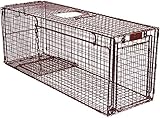
- Works for cats, skunks, rabbits, and other small animals
Observe before intervening
Watch from a distance so the mother will return. If the site is safe, provide food, water and dry shelter without crowding the nest. Check for hazards such as traffic, flooding, extreme temperatures, dogs or construction.
When kittens can enter foster care
The ASPCA says kittens may be brought into foster care once they eat wet food on their own, often around four to five weeks. Austin guidance advises waiting with a healthy mother and litter until roughly six to eight weeks when it is safe to do so. Local programs may use different age, weight or health thresholds.
When to act immediately
Contact a shelter, rescue or veterinary provider promptly if kittens are cold, injured, persistently crying, covered in parasites, failing to nurse or located in immediate danger. If you cannot foster, tell the organization exactly how many kittens there are, their estimated age, whether the mother is present and whether any are sick.
How do I surrender or rehome my own cat?
Begin with the organization that adopted out the cat, if applicable, then contact the local shelter and established rescue networks. Ask specifically about a surrender appointment, retention resources, self-rehoming support, foster placement, transfer options, food, veterinary help and behavior assistance.
The Tool Desk
Outbyte PC Repair FREERepair Windows errors before they cause bigger problemsFix Now →Outbyte Driver Updater FREEFix the driver behind crashes, sound loss and screen glitchesFind Drivers →Prepare useful information
- Medical records, vaccination dates, sterilization status and microchip number.
- Age, sex, temperament, bite or scratch history and compatibility with children or other animals.
- Current medications, diet, litter habits and triggers for stress.
- Clear photographs and an honest explanation of why placement is needed.
Never abandon a cat outdoors or leave it at a closed facility. If the cat is dangerous to handle or medically unstable, say so before transport so the receiving organization can plan safely.
Independent reader supportYour contribution helps us test, update, and keep practical guides available for everyone.What information should I give the organization I call?
A concise, factual report helps staff route the case quickly. Have these details ready:
Also popular on Amazon

- NON-FOLDABLE design, fully assembled, just open and use, 17 x 7 x 7 inches outer dimensions
- Suitable for squirrels, weasels and other similar-sized animals, catch and relocate them easily
- Not suitable for big cats or other large animals because the interior space is not large enough
- Not suitable for mice and little chipmunks, since they are too light to trip the pedal and they may escape through the mesh hole (hole size: 1 x 1 inches)
- Once the pedal is triggered, the powerful door will close instantly and prevent rodents from escaping. Made of sturdy galvanized iron, animals can’t chew through the mesh anymore
- Exact location and how long the cat has been there.
- Whether the cat is approachable, handleable, hiding, or defensive.
- Visible injuries, breathing problems, discharge, weight loss or other symptoms.
- Collar, ear tip, microchip scan result and any owner reports.
- Photographs, dates and the number of cats or kittens involved.
- Whether you can provide temporary foster care, transport or post-treatment monitoring.
- Your address or jurisdiction, because eligibility and legal requirements are local.
Ask for the program’s current hours, appointment requirement, emergency number, after-hours instructions and the name of the person or case number attached to your report.
What local rules and capacity limits should I expect?
There is no single national intake procedure. Municipal shelters may have legal duties that private rescues do not, while a rescue may close intake as soon as its foster homes are full. Some TNR programs serve only defined neighborhoods, require a caregiver, limit vouchers to certain income groups or operate on scheduled clinic days.
Quick wins for a faster PC:
Scan for outdated or missing drivers - takes under a minuteDriver Scan →Clear out junk files and repair common Windows errorsFree Scan →Fix the driver behind crashes, sound loss and screen glitchesFind Drivers →Confirm whether the program accepts the species and case type, whether you must live in its service area, whether a stray-hold or found report is required, and what happens if no placement is available. A referral is not the same as a confirmed intake appointment; obtain the appointment or written instructions before transporting the cat.
How common are shelter cats, and what does that mean for routing?
The ASPCA reports that about 3.2 million cats enter the U.S. animal-sheltering system in a typical year; the cited page does not state a publication year for that figure. The same organization reports that shelter euthanasia fell from around 15 million animals annually in the 1970s to fewer than 1 million today, also without a year stated on the cited page.
Those national figures do not predict whether your local shelter has room today, nor do they establish a success rate for a particular rescue or TNR program. Capacity, staffing, foster homes and clinic appointments remain local variables, which is why a confirmed call is essential.
Which route fits common situations?
| Situation | First contact | Why |
|---|---|---|
| Friendly cat found near homes with no identification | Shelter or animal control | File a found report, scan for a chip and check for an owner before relocation |
| Fearful, ear-tipped cat eating regularly outdoors | TNR/community-cat group | Likely a managed community cat; verify health and caregiver status |
| Cat struck by a car | Emergency animal control or emergency veterinarian | Stabilization takes priority over foster or adoption placement |
| Friendly kitten needing a home | Local shelter or foster-based rescue | Placement and veterinary preparation are the main needs |
| Healthy mother with nursing kittens in a safe location | Shelter or rescue for a foster plan; monitor mother first | Keeping the family together is usually safer than immediate separation |
| Owner can no longer keep a cat | Original adoption agency, then shelter or rescue | Ask about retention help, appointments and managed alternatives |
| Colony producing repeated litters | TNR/TNVR group | Coordinated sterilization, vaccination, return and monitoring address the source |
What mistakes should I avoid?
- Taking a healthy feral cat straight to a shelter: ask about TNR first unless the cat is sick, injured, unsafe or too young to return.
- Assuming friendliness means abandonment: complete owner checks and found-report steps.
- Removing kittens immediately: observe for the mother when the site is safe.
- Trapping without a clinic appointment: secure surgery, vaccination and recovery instructions before setting a trap.
- Moving a cat to a new outdoor location: community cats are territorial; relocation can cause them to disappear, fight or die. Ask an experienced program about alternatives.
- Leaving a trapped cat unattended: monitor it as the local program directs and protect it from weather and hazards.
- Assuming every rescue is open admission: confirm foster space, geography, medical scope and surrender policy first.
- Dropping an animal at a closed facility: use the agency’s after-hours instructions or emergency channel.
Frequently Asked Questions
Does an ear-tipped cat still need an owner check?
Yes. Ear-tipping strongly suggests prior sterilization, but it does not identify the current caregiver or prove that no one owns the cat. Check for a microchip, ask nearby residents and contact the local community-cat program before changing the cat’s routine.
Can I relocate a healthy community cat to another neighborhood?
Do not move the cat on your own. Relocation can separate it from food sources and bonded cats and may expose it to territorial conflict; discuss the hazard with a TNR organization, shelter or animal-control officer and follow a supervised relocation protocol only when necessary.
What if no shelter, rescue or TNR group answers my call?
Leave a detailed message and use the agency’s online reporting or after-hours number if available. For immediate danger, contact emergency animal control or a veterinary clinic; for a nonurgent case, document the cat’s condition and try the municipal shelter, a nearby clinic or another local community-cat organization for a referral.
What should I bring when transporting a trapped cat to surgery?
Bring the trap or carrier requested by the clinic, the cat’s exact capture location, your contact information and any voucher or appointment confirmation. Keep the trap covered, level and secured in the vehicle, and do not open it during transport unless clinic staff instruct you to do so.





Leave a Reply