City residents can help wild bees by planting regionally native flowers that bloom across the season, avoiding pesticides, and protecting places to nest and overwinter. Urbanisation can remove and fragment habitat, but its effects are not the same everywhere: some city landscapes support substantial bee diversity, while natural areas remain especially valuable. Evidence cited here does not establish one global decline caused jointly by climate change, pollution and urbanisation.
What is happening to bees in cities?
Urbanisation can replace or divide natural habitat, reducing food and nesting opportunities. Yet cities are not uniformly poor habitat: gardens, parks and other green spaces can offer flowers and nesting sites, and some studies find cities compare favorably with agricultural or rural landscapes on certain measures. Outcomes depend on the habitat, the scale considered and which bees are counted.
As an Amazon Associate I earn from qualifying purchases.
A 2024 scoping review of 276 articles concluded that natural areas are particularly valuable for bee biodiversity, while recommending that urban planning connect natural and urban areas, increase green space, and promote abundant, varied flowers. A 2023 meta-analysis of 133 studies found widespread negative urbanisation impacts on pollinator richness and abundance, but responses varied by traits; findings about pollination services were not uniformly negative. These results describe different measures and do not mean every city or bee species responds alike. The 2024 scoping review and the 2023 meta-analysis provide details.
PC Slower Than It Used to Be?
A free scan shows the junk files, broken settings and background clutter dragging Windows down - then fixes them in one click.Free scan · Windows 10 & 11Outdated Drivers Are Slowing You Down
One free scan finds every outdated or missing driver and matches the right update for your exact hardware.Free scan · exact hardware matchClimate change and pesticides are recognized pressures on pollinators, but the sources cited here do not quantify climate change’s independent contribution to urban bee population change or establish a single worldwide decline attributable to climate change, pollution and urbanisation together. Nor should losses in managed honeybee colonies be treated as a measure of trends in wild native bees.
#1 Best Overall
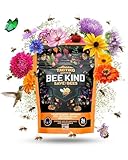
- SAVE THE BEES AND ATTRACT POLLINATORS: Vibrant wildflower seed mix formulated to attract and support honeybees, native bees, butterflies, and hummingbirds while filling your yard with season-long color
- LARGE 4 OZ BAG WITH 120K+ SEEDS: Waterproof and rodent-proof pouch with over 120,000 U.S.A. grown and harvested wildflower seeds for a lush pollinator garden; suitable for backyards, meadows, borders, raised beds, and larger landscape projects
- 26 ANNUAL AND PERENNIAL FLOWER SEEDS VARIETIES: Curated blend of quick-blooming annuals and lasting perennials so you get first-year flowers plus blooms that return year after year for bees and other beneficial pollinators
- COVERS 300-600 SQ FT: Use for dense, flower-packed coverage on up to 300 sq ft, or spread more lightly over up to 600 sq ft to refresh tired lawns, fill bare spots, and improve biodiversity
- EASY TO PLANT AND MAINTAIN: Loosen soil, scatter seeds, rake in lightly, and keep moist until established; includes a simple planting guide so beginners and kids can create a thriving pollinator habitat
How can I help bees in the city?
Prioritise food and habitat for wild bees. Toronto’s native-pollinator guidance calls planting native plants the easiest and most effective way to help native pollinators. Choose plants suited to your region and site, and aim for flowers from early through late in the growing season rather than a brief burst of bloom.
Plant a long-lasting, locally appropriate food supply
- Choose regionally native plants, preferably locally grown, that provide pollen and nectar. Local climate, soil, sunlight and water conditions affect what will thrive.
- Plan for a succession of flowers across the season. A diverse mix helps provide resources at different times, rather than relying on one flowering period.
- Use municipal or regional plant guidance. Toronto’s species recommendations are not universal; a plant suitable there may not suit another region.
Keep nesting and overwintering places
- Where conditions allow, leave some bare, undisturbed soil. Many wild bees nest in the ground.
- Retain some hollow or pithy stems through winter where safe and practical; they can provide nesting or overwintering habitat.
- Avoid tidying every corner of a garden if doing so removes all potential nesting and shelter sites.
Reduce hazards and provide water
- Avoid chemical pesticides. They can expose bees to harmful substances, including when applied to flowering plants.
- A shallow dish with stones partly submerged gives bees places to land while accessing water. Refresh it as needed.
The European Commission’s environment directorate says private gardens and balconies can serve as refuges for pollinators and other insects. A container planting can contribute, but small gardens and balconies are one part of a wider network: preserving natural areas, connecting green spaces and increasing their area matter too. The Commission’s 20 April 2026 guidance and Toronto’s wild-bee guidance offer practical advice.
Rank #2

- DESIGNED FOR MIDWESTERN GROWING CONDITIONS – A premium blend of 16 carefully selected annual and perennial wildflower species chosen for the Midwestern climate. Creates colorful meadows that attract butterflies, bees, hummingbirds, and other beneficial pollinators throughout the growing season.
- PURE WILDFLOWER SEED—NO GRASS OR FILLERS – Unlike many economy mixes, Paper Street Perennials contains only premium wildflower seed with no grass seed or inexpensive fillers. Ideal for pollinator gardens, naturalized landscapes, meadows, field borders, habitat restoration, and wildlife plantings.
- DESIGNED FOR LASTING BEAUTY – This blend combines annual and perennial wildflowers for season-long color and a meadow that continues to mature over time. Depending on the species, planting conditions, and planting date, some flowers may bloom the first season, while many perennials establish strong root systems before producing their best displays in future years.
- EASY TO PLANT & GENEROUS COVERAGE – One 4 oz bag covers up to 500 square feet (approximately 10–20 lbs per acre). Plant in spring, early summer, or fall with proper soil preparation. Includes planting instructions for the best possible germination and long-term success.
- FAMILY-OWNED QUALITY YOU CAN TRUST – Proudly packaged by Paper Street Perennials, a family-owned American small business dedicated to producing premium wildflower seed mixes with environmentally friendly packaging, exceptional customer service, and seeds selected for outstanding performance.
Do bee hotels help wild bees?
Bee hotels are optional, not a substitute for flowers or natural nesting habitat. The 2024 scoping review found the evidence on bee housing too limited for systematic conclusions. A hotel may suit some cavity-nesting species, but it will not serve all wild bees, many of which nest in soil. If you use one, treat it as a targeted addition and follow reliable local advice on suitable design and maintenance rather than assuming it is a general solution.
Quick wins for a faster PC:
Repair Windows errors before they cause bigger problemsFix Now →Scan for outdated or missing drivers - takes under a minuteDriver Scan →Should city residents keep honeybee hives to help bees?
Not as a universal conservation measure. Managed honeybees are different from wild native bees, and more hives do not automatically mean better conditions for native species. Toronto’s Pollinator Protection Strategy cautions that honeybee hives may compete with native bees for resources or spread parasites and disease. For most residents focused on wild bees, habitat and pesticide reduction are more broadly applicable actions. Toronto’s Pollinator Protection Strategy discusses these concerns.
Rank #3

- 19 Native Perennial Wildflower Seeds - This premium perennial wildflower seed mix features Bergamot, Black-Eyed Susan, Purple Coneflower, Gayfeather, Blanketflower, Lewis Flax, Columbine, and more. Native flower seeds that strengthen each season.
- Perennial Flower Seeds That Return Year After Year - Unlike annuals, this perennial wildflower seeds bulk mix settles in and improves each growing season. Enjoy layered waves of color and texture from spring through fall that deepen with time.
- Throw and Grow Wildflower Seeds - These native wildflower seeds for planting outdoors are easy to establish. Sow wild flower seeds in any sunny garden bed, border, or meadow for a low-maintenance perennial garden that practically cares for itself.
- Attracts Bees, Butterflies & Hummingbirds - These native plant seeds provide specialized nectar and pollen that local pollinators rely on. This wildflower seed mix creates real habitat with blooms that support bees and hummingbirds naturally.
- 100% Pure Seed No Fillers - These open-pollinated native wildflower seeds contain zero inert filler material. Every seed is a real flower seed, not filler. Bulk wildflower seeds for planting that deliver genuine wildflowers in your outdoor garden.
How can I choose the most useful action for my space?
Assess a garden, balcony or community project by the habitat it provides, not just whether it looks pollinator-friendly. A locally suitable planting with flowers across the season and low pesticide exposure is more useful when it is complemented by nesting places and connected green space nearby. A seed mix can be convenient, but check that its species are appropriate for your region and growing conditions rather than buying a generic mix on the assumption it will help everywhere.
Independent reader supportYour contribution helps us test, update, and keep practical guides available for everyone.What the available figures do—and do not—tell us
A 2024 study of 286 online survey responses from residents with gardens or balconies in Woking, England, found that 98.3% reported at least one bee-friendly intervention and 75.9% reported planting pollinator-friendly plants; 94.8% reported positive feelings about bees. The survey was distributed in 2023 and describes respondents in one English town, not all city residents or a measured change in bee populations. The study examines barriers and opportunities for wild-bee conservation in gardens.
Rank #4

- A Pollinator Garden in One Bag: Sow these 18 wildflower varieties (sunflower, cosmos, calendula, coneflower, zinnia, aster and more) to create a vibrant, bee- and butterfly-friendly display across garden beds, borders, containers, and meadows.
- Generous, Easy-Sow Seed: Simply scatter over prepared soil, lightly cover, and water, no gardening experience needed.
- Fast, Rewarding Sprouts: Many of these varieties germinate in about 2 to 3 weeks, giving you quick, satisfying progress and a long season of color from spring to fall.
- Feeds the Bees and Butterflies: A diverse, nectar-rich blend that supports pollinators and brings life and movement to your yard all season long.
- Premium Quality You Can Count On: Premium tested Non-GMO seeds in a resealable 1 lb bag, plus a friendly support team cheering for your first sprout.
Toronto’s strategy page reports more than 360 native bee species in Toronto. That is a city-specific figure, not an estimate for other cities. Taken together, these sources support practical habitat actions, but they do not provide a globally comparable estimate linking urban bee population change to climate change, pollution and urbanisation as a combined cause.
Quick Recap
Best Value

- PREMIUM WILDFLOWER SEED MIX: Contains 24 prairie wildflower varieties; High germination rate with non-GMO USA-sourced seeds; Perfect for midwest regions including Indiana, Missouri, Michigan, and Pennsylvania; Creates stunning flower mix for all gardens
- THROW AND GROW SIMPLICITY: Easy planting for beginners and experts; Simply scatter seeds in prepared soil and watch your wildflower mix flourish; Includes perennial wildflowers that return year after year; Ideal for bulk coverage of large or small areas
- POLLINATOR PARADISE: Attracts bees, butterflies, and birds with nectar-rich blooms; Features Black Eyed Susan, Purple Coneflower, Cornflower, and more favorites; Creates a biodiverse habitat that supports local ecosystem; Vibrant colors throughout seasons
- CALIFORNIA POPPY, CHINESE FORGET ME NOT, CLARKIA. California Poppy, the state flower, glows in vivid orange with lacey foliage and reseeds naturally. Chinese Forget Me Not fills gardens with tender blue blooms and abundant clusters. Clarkia adds vertical color with tall spikes of coral-pink ruffled petals resembling delicate garden rosettes.
- CONTINUOUS BLOOMS ALL SEASON: Experience waves of color from spring through fall; Mix includes early bloomers like California Poppy and Blue Flax; Summer standouts include Cosmos and Coreopsis; Fall favorites like New England Aster extend the display
Product prices and availability are accurate as of the date/time indicated and are subject to change. Any price and availability information displayed on Amazon at the time of purchase will apply.




