The Australian Retriever is usually a cross between an Australian Shepherd and a Golden Retriever. Despite its name, it is not an Australian dog breed: the Australian Shepherd was developed in the United States, while the Golden Retriever originated in Scotland.
This cross can be an affectionate, highly trainable companion, but it is rarely a low-maintenance one. Australian Retrievers may inherit the Golden Retriever’s sociability and retrieving instinct alongside the Australian Shepherd’s herding drive, vigilance, sensitivity, and need for purposeful work. Because there is no official breed standard, puppies from different litters—and even puppies in the same litter—can differ considerably in size, coat, energy, and temperament.
As an Amazon Associate I earn from qualifying purchases.
Australian Retriever at a glance
| Characteristic | What to expect |
|---|---|
| Other names | Australian Shepherd Golden Retriever mix; Golden Aussie |
| Breed status | Mixed-breed cross, not an AKC- or Dogs Australia-recognized breed |
| Parent breeds | Australian Shepherd and Golden Retriever |
| Adult size | Usually medium to large, but there is no official range |
| Coat | Double-coated; medium to moderately long coats are common |
| Shedding | Regular, with potentially heavy seasonal shedding |
| Exercise | High; requires daily physical activity and mental work |
| Trainability | Generally high, although sensitivity and herding behavior can complicate training |
| Good for first-time owners? | Possible for an active, prepared owner; not ideal as an easy beginner dog |
Published figures for Australian Retriever height, weight, lifespan, and disease rates should be treated as estimates. The cross has no universally accepted standard or large, authoritative health survey.
Recommended Free Tools
How big does an Australian Retriever get?
There is no authoritative Australian Retriever height or weight range. The parents themselves overlap but are not identical in size. Under the Australian Shepherd standard, males are preferably 20–23 inches tall and females 18–21 inches. The Golden Retriever standard gives males a height of 23–24 inches and females 21½–22½ inches, with males weighing 65–75 pounds and females 55–65 pounds.
#1 Best Overall

- DUAL-SIDED DESIGN: Our Undercoat Rake Dog brush is perfect for deshedding your pet's coat. Designed with a dual-sided design, start with a 9-teeth side to tackle stubborn mats and tangles, and finish with a 17-teeth side to thin out and deshed after.
- HEALTHY COAT AND REDUCED SHEDDING: Our deshedding brush for dogs is designed with sharpened but finely rounded teeth that allow you to easily and safely remove mats, tangles, knots, and loose hair without irritation or scratching.
- EFFECTIVE DESHEDDING TOOL: This dematting and deshedding brush gently removes loose hair and eliminates tangles, knots, dander, and trapped dirt. The perfect cat grooming tool solution for pets with thick fur or dense double coats.
- COMFORTABLE TO USE: Keep your pet clean and healthy with our dog and cat brush for grooming. Designed with a lightweight, comfortable handle and a non-slip rubber base to keep the brush from moving around as you brush your pet.
- PERFECT GIFT FOR PET LOVERS: Our dog comb brush is a must-have grooming products for dogs and cats. A great gift undercoat rake dog for pet lovers who want to keep their fur buddies clean, healthy, and well-groomed!
An Australian Retriever may therefore mature as a medium-to-large dog. Parent size, sex, generation, nutrition, and individual genetics are more useful predictors than the crossbreed label. Ask to see both parents and check their actual adult measurements rather than choosing a puppy based on a promised size.
Appearance and coat
Both parent breeds have double coats, so many Australian Retrievers have a weather-resistant outer coat and an insulating undercoat. The cross may have a medium coat, longer feathering around the legs, chest, tail, and ears, or a denser coat that resembles one parent more strongly. Coat texture and length can vary even within one litter.
Possible colors include black, red, brown, cream, and different shades of gold. White and tan markings may also occur. An Australian Shepherd parent can contribute black, blue merle, red, or red merle patterning, while the Golden Retriever parent contributes gold shades. No particular color, eye color, or marking is required for an Australian Retriever.
Do these 3 things before closing this tab:
1Repair Windows errors before they cause bigger problems2Scan for outdated or missing drivers - takes under a minute3Clear out junk files and repair common Windows errorsMerle deserves special attention when choosing a puppy. If a puppy inherits two copies of the merle allele—usually called double merle—the risk of deafness and serious eye abnormalities increases. Responsible breeders avoid merle-to-merle matings and use genetic testing when a dog’s pattern is unclear. A merle coat is not automatically unhealthy, and coat appearance alone cannot reliably identify every merle carrier.
Australian Retriever temperament
The two parent breeds bring different working histories. The Australian Shepherd is an athletic, work-oriented herding dog. The Golden Retriever is generally friendly, adaptable, affectionate, eager to please, and trainable.
An Australian Retriever may combine those traits into a sociable dog that learns quickly and enjoys being involved in family activities. Some are cheerful and outgoing; others are more watchful, intense, or sensitive. Genetics, early handling, socialization, training, and the home environment all affect the adult dog, so “friendly family dog” should not be treated as a guarantee.
Herding behavior
Australian Shepherd ancestry can produce behavior that surprises Golden Retriever owners. A dog may try to chase, circle, control, or nip at moving children, dogs, bicycles, joggers, or other animals. This is not acceptable behavior simply because it is instinctive, and it should not be punished harshly. Interrupt the chase, create distance, reward calm attention, and provide appropriate outlets such as structured games, scent work, or obedience training.
Rank #2

- 【Professional Pet Grooming Kit 】3 Pet grooming tools selected by pet lovers, which can meet daily all the grooming needs of pets. Let you, as the groomer, personally give your furry friend a shiny and healthy coat. This is a must-have beauty product set for pet lovers! The Best Dog Gifts - Merry Christmas
- 【Why Choose Augwind 3PCS ?】 Augwind Pet Grooming Rake makes it easy to remove stubborn, tangled hair. Augwind Self-Cleaning Slicker Brush quickly removes loose hair, dander, and residual dirt. Augwind Flea Comb effectively remove small objects and Dandruff Flakes. Our 3-in-1 Pet Grooming Kit handles all your needs: detangling, hair removal and removes fleas and ticks – The Ultimate Pet Essentials
- 【Dematting and Deshedding Tools】 Augwind Pet Grooming Rake features a double-sided design: The 9-tooth bristle side detangles stubborn knots and mats. The 17-tooth bristle side trims excess pet hair. Augwind self-cleaning dog brush includes a push-button retractable mechanism – simply retract the bristles after use to remove loose hair quickly and effortlessly
- 【Flea Comb】Use this fine-toothed lice comb regularly to effectively remove small debris and dandruff, help keep away fleas and ticks, and maintain your pet’s coat tidy and healthy
- 【2-Year Warranty】We are a professional pet products company, committed to bringing the safest, practical and affordable pet products to pets and owners. We promise to solve it for you at any time if there is any quality within 2 years. We provide 7*24 hours after-sales service, if you have any questions, please feel free to contact us
Children should always be supervised around dogs. Families with young children should choose an individual with a stable, well-observed temperament and should be prepared to manage movement-triggered behavior with gates, leashes, training, and clear household rules.
Exercise and mental stimulation
Treat an Australian Retriever as an active, working-type cross. A yard does not replace interaction or training. Without enough activity and companionship, some dogs may bark excessively, become frustrated, dig, chew, herd household members, or invent their own jobs.
Suitable activities include:
- Retrieving games and controlled fetch
- Hiking, walking, and swimming
- Obedience, rally, and trick training
- Scent work and food-puzzle activities
- Agility or dock diving once physically mature and appropriately conditioned
- Herding-style activities where available and suitable
Use a mixture of physical and mental work rather than trying to tire the dog with endless high-impact exercise. A young puppy needs short, age-appropriate play, exploration, training, and rest. Avoid forced running and repetitive jumping while the skeleton is developing; ask your veterinarian when more demanding exercise is appropriate for your individual dog.
Training an Australian Retriever
These dogs are often quick learners, but intelligence does not mean automatic obedience. Australian Shepherd influence may bring sensitivity, independence, or intense focus on movement. Golden Retriever influence may bring enthusiasm and food motivation. Short, consistent, reward-based sessions usually work better than drilling the same behavior until the dog becomes frustrated.
Quick wins for a faster PC:
Repair Windows errors before they cause bigger problemsFix Now →Fix the driver behind crashes, sound loss and screen glitchesFind Drivers →- Start early. Teach name response, recall, loose-leash walking, handling, settling, and basic cues from the beginning.
- Socialize thoughtfully. Introduce people, surfaces, sounds, dogs, travel, grooming, and veterinary handling gradually, pairing new experiences with food or play.
- Reinforce calm behavior. Reward the dog for lying down, watching movement without chasing, and disengaging from distractions.
- Manage rehearsal. Use leads, secure fencing, baby gates, and supervision so the dog cannot repeatedly practice nipping, chasing, or bolting.
- Use enrichment. Food puzzles, scent games, retrieving tasks, and trick training give a clever dog appropriate ways to work.
The Australian Shepherd owner guidance from the United States Australian Shepherd Association emphasizes early socialization, obedience, praise, food-based reinforcement, and daily activity. Harsh corrections can increase fear or conflict, particularly in a sensitive dog.
Grooming and shedding
Expect regular shedding and potentially heavy seasonal coat loss. Neither parent is reliably hypoallergenic. Brush at least weekly as a baseline, increasing this to every few days or daily during heavy shedding if the dog has a dense undercoat or long Golden Retriever-style feathering.
Routine care includes:
- Brushing through the undercoat and checking for mats
- Trimming nails before they become overgrown
- Inspecting ears and cleaning them when your veterinarian recommends it
- Brushing teeth regularly
- Checking paws, skin, eyes, and coat after outdoor activity
Do not routinely shave the double coat. Shaving does not reliably stop shedding and may interfere with the coat’s protective function and regrowth. Trimming should be limited to hygienic or medical needs, or performed with professional grooming advice.
Rank #3
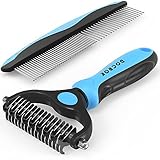
- 【Easy Dematting and Deshedding Tools】: Our Grooming brush and comb combo help effortlessly dematting and reduces shedding. A must have dog brush for shedding, pet supplies, cat supplies, dog supplies metal comb for dogs shedding.
- 【Safe Design】: Soft and protective edge brush and comb creating a comfortable feeling while detangling matted hair and deshedding without hurting your pet. Perfect metal comb for dogs, dematting comb for cats, undercoat rake for dogs double coat.
- 【2-in-1 Rake】: Our undercoat rake is perfect for medium and long-haired dogs and cats and other double coat pets. Wide side for easy dematting, dense side for deshedding. Well made deshedding tool, grooming brush and deshedder brush for dogs.
- 【2-in-1 Comb】: Wide sided for comb knot, smoothing and modeling your pet's hair, dense side for removal of loosen hair, you can use it on the legs, head or tail of your pets where the brush can’t. Perfect metal comb for dogs, dematting comb for cats deshedding tool for dogs.
- 【Sturdy and Comfortable Design】: Premium Stainless steel metal teeth and compact design make our product sturdy and durable. High-quality & lightweight TPR handle make your grooming effortlessly. High-quality undercoat rake for dogs double coat, metal comb for dogs, dematting comb for cats, dog comb for matted hair.
Australian Retriever health concerns
There is no reliable disease-rate survey for Australian Retrievers as a cross. Health planning should instead consider the risks and screening priorities of both parent breeds. Crossbreeding does not guarantee hybrid vigor and does not eliminate inherited disease.
What’s actually slowing this PC down?
Pick the symptom - the matching free tool is one click away.
Hip and elbow disease
Both parent breeds can be affected by orthopedic problems, including hip and elbow dysplasia. Ask the breeder for verifiable evaluations of both parents. Keep a growing puppy lean, feed an appropriate life-stage diet, and avoid overfeeding or encouraging rapid growth. Body condition and exercise management matter throughout the dog’s life.
Eye and heart disease
The Golden Retriever Club of America identifies four core areas for breeding-dog evaluation: hips, elbows, eyes, and heart. For prospective breeding Goldens, final OFA hip certification requires the dog to be at least 24 months old, and cardiac evaluation should be performed after 12 months by a board-certified veterinary cardiologist.
Golden Retriever lines may also carry risks involving cancer, epilepsy, skin disease, and hypothyroidism. Screening can reduce risk but cannot rule out every condition, especially diseases without a dependable test.
Australian Shepherd-related inherited conditions
Australian Shepherd breeding programs commonly investigate hips, elbows, eyes, and relevant inherited conditions. Depending on the lines, DNA testing may include:
- MDR1/ABCB1 drug sensitivity
- HSF4-associated hereditary cataracts
- Collie Eye Anomaly
- Merle status
MDR1 drug sensitivity
MDR1, also called ABCB1, is a genetic variation that can make some dogs react seriously to particular medications. Washington State University estimates that the mutation occurs in about 50% of Australian Shepherds and notes that mixed-breed dogs can carry it too.
Potentially affected drugs include some high-dose dewormers, loperamide, sedatives, opioids, and chemotherapy medicines. The risk depends on the dog’s genotype and the drug and dose used. Tell your veterinarian that your dog has Australian Shepherd ancestry and ask whether MDR1 testing is appropriate. Never give human medication or livestock medication without veterinary direction.
Rank #4
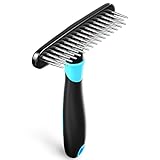
- One of the best dog brushes on the market, It has a double row of stainless steel pins/teeth to reduce pulling the coat without damaging it or hurting your pet. It is a very gentle experience for your dog, cat, rabbit, or any other furry friend that needs brushing.
- Our undercoat Rake dramatically reduces shedding by up to 90% after just 1 short session. This is compared to only 30% with the average Brush or comb. Perfect for matted, heavy shedding undercoats and fur.
- Our professional grooming brushes can be used on both dogs, cats, rabbits, or equestrian horses that have short, Medium or long hair. This professional, high quality brush is priced well, so you can buy one to keep in the house and one for the car.
- Recommended and used by veterinarians, groomers, and pet professionals. The perfect brush for removing unwanted shedding hair. Scientifically designed to promote healthy skin and a shiny top coat. Protects you and your pet from skin allergies, and minimizes irritation from build up, which reduces allergic airborne elements.
- The innovative design allows air to your pet's skin and stimulates the hair follicles, allowing the release of healthy oils. The contouring handle is strong and durable, made of a non-slip, non-toxic silicone. The stainless pins take the unnecessary ’hurt’ out of grooming your pet.
How to choose an Australian Retriever breeder
Because there is no single Australian Retriever health protocol, assess the parents using the screening priorities of both parent breeds. Be wary of a breeder who offers only a generic “health certificate” or relies on the crossbreed name as proof of health.
Before placing a deposit, ask for:
- The registered names and identities of both parents
- Verifiable hip and elbow results
- Current eye examinations
- Cardiac evaluation for the Golden Retriever parent
- Relevant DNA results, including MDR1 and merle status where applicable
- Health histories for the parents, siblings, and previous offspring
- Details of early socialization, vaccinations, parasite control, and veterinary care
- A written contract, health terms, and return policy
Search the OFA database using the parents’ registered names or registration numbers and verify results independently. An OFA CHIC number means that required tests were completed and made publicly available; it does not mean every result was normal.
Good breeders should also ask you detailed questions about your schedule, experience, exercise plans, fencing, children, and other pets. They should be willing to discuss the less convenient possibilities—shedding, herding behavior, barking, medication sensitivity, and the dog’s need for daily involvement—not just advertise unusual coloring.
Daily care, feeding, and living arrangements
Feed an Australian Retriever for its life stage and maintain a lean body condition. Large, fast-growing puppies need particular care with portions and diet selection; your veterinarian can help choose an appropriate food and monitor growth.
This cross is best suited to a home that can provide daily walks or activity, training, companionship, secure outdoor access, and regular coat care. An active family may be an excellent match, but a large yard alone is not enough. A dog left outside without interaction can still become bored, noisy, destructive, or escape-prone.
Plan for safe introductions to cats, livestock, and other dogs. A dog with strong chase or herding behavior may need lifelong management around fast-moving animals, even if it is affectionate with people.
Is an Australian Retriever right for you?
An Australian Retriever may suit you if you want a trainable, energetic dog for hiking, retrieving, swimming, dog sports, scent games, and family activities. You should also be comfortable with shedding, regular training, variable temperament, and the possibility of herding or chasing behavior.
Best Value

- COMPLETE GROOMING COMBO: Includes our dual-sided deshedding brush and a premium metal comb to effortlessly remove stubborn mats, tangles, and loose hair.
- 2-IN-1 METAL COMB: The included stainless steel comb features dual-density teeth perfect for detailed detangling on sensitive areas like the face, paws, and tail.
- DUAL-SIDED DEMATTING BRUSH: Start with the 9-teeth side for stubborn mats and tangles, then finish with the 17-teeth side for thinning and deshedding to reduce shedding by up to 95%.
- SKIN-FRIENDLY DESIGN: Both tools feature rounded, scratch-free teeth that gently massage your pet's skin, ensuring a pain-free and comfortable grooming experience.
- COMFORTABLE & DURABLE: Designed with a soft, ergonomic anti-slip grip for comfortable, long grooming sessions for both cats and dogs of all hair types.
It may be a poor fit if you want a quiet, independent dog that needs little exercise, if the dog would spend most of the day alone, or if you cannot supervise interactions with children and other animals. Meet adult dogs from the same line whenever possible; their behavior gives more useful information than a puppy’s color or a sales description.
FAQ
Is an Australian Retriever a real dog breed?
The name is commonly used for an Australian Shepherd–Golden Retriever cross, but it is not a separately standardized purebred. It is not listed as a recognized breed by the AKC or in Dogs Australia’s recognized breed listing.
Why is it called an Australian Retriever?
The name combines “Australian,” from Australian Shepherd, with “Retriever,” from Golden Retriever. It does not mean the dog originated in Australia. Australian Shepherds were developed in the United States, and Golden Retrievers originated in Scotland.
The Tool Desk
Outbyte Driver Updater FREEScan for outdated or missing drivers - takes under a minuteDriver Scan →Outbyte PC Repair FREEClear out junk files and repair common Windows errorsFree Scan →How big will my Australian Retriever be?
There is no official size range. Most are expected to mature as medium-to-large dogs, but adult size depends on the parents, sex, generation, nutrition, and individual genetics. Seeing both parents is more useful than relying on a label.
Do Australian Retrievers shed a lot?
They usually shed regularly and may shed heavily during seasonal coat changes because both parent breeds have double coats. Weekly brushing is a reasonable starting point, with more frequent brushing for dense or feathered coats.
Are Australian Retrievers good family dogs?
Some are affectionate, sociable, and excellent family companions. Others may inherit strong herding or chasing instincts, sensitivity, or high activity needs. Children must always be supervised, and the individual dog’s temperament and training matter.
Can Australian Retrievers have merle coats?
Yes, an Australian Shepherd parent may pass on merle patterning. The important risk is inheriting two merle copies, which increases the chance of deafness and serious eye abnormalities. Responsible breeders do not intentionally breed merle to merle.
Free tools Windows power users keep installed
One-click scans. No signup required.
Do Australian Retrievers have MDR1 drug sensitivity?
Some may. MDR1/ABCB1 variants are relatively common in Australian Shepherds and can also occur in mixed-breed dogs. Ask your veterinarian about genetic testing and disclose the dog’s Australian Shepherd ancestry before medication is prescribed.
What health tests should Australian Retriever parents have?
Ask for verifiable hip and elbow evaluations, current eye examinations, and a cardiac evaluation for the Golden Retriever parent. Relevant DNA tests may include MDR1, hereditary cataracts, Collie Eye Anomaly, and merle status, depending on the parents’ lines.
The Bottom Line
The Australian Retriever can be a bright, affectionate, athletic companion, but it is not a predictable or low-effort “designer breed.” Expect variation in size and appearance, regular shedding, substantial exercise needs, and possible herding behavior. Choose a breeder who tests both parent breeds appropriately, verify the records yourself, start reward-based training early, and involve your veterinarian in MDR1 testing, growth management, and preventive care.




