The best brush for a shedding dog depends on coat length, texture, and whether the dog has a dense undercoat. A grooming mitt or short-bristle brush usually suits a smooth, short coat; a slicker brush handles many medium, long, dense, or curly coats; an undercoat rake reaches loose undercoat in double-coated dogs; and a long-tooth metal comb helps with long hair and minor tangles.
Choose the tool that reaches your dog’s coat without scraping skin or pulling hair. Brush gently, adjust the schedule to the coat and season, and have a veterinarian check unusual thinning, bald patches, or irritated skin instead of trying a more aggressive brush.
As an Amazon Associate I earn from qualifying purchases.
Why there is no single best shedding brush
Dogs shed different layers of hair. A short, smooth coat lies close to the skin and releases loose hairs that are easy to lift from the surface. A double coat combines a weather-resistant outer layer with a softer undercoat; loose undercoat can remain below the guard hairs unless the tool reaches it. Long, silky, or curly hair can hold loose strands in the coat and form tangles. One brush cannot work equally well on all of these structures.
The Tool Desk
Outbyte PC Repair FREERepair Windows errors before they cause bigger problemsFix Now →Outbyte Driver Updater FREEScan for outdated or missing drivers - takes under a minuteDriver Scan →The American Kennel Club explains that the appropriate grooming schedule depends on a dog’s coat type, length, and shedding pattern (AKC guidance on managing shedding). Treat the categories below as a starting point, not a breed-by-breed prescription. If you cannot tell whether your dog has an undercoat, a groomer or veterinary healthcare team can identify the coat and demonstrate a safe technique.
#1 Best Overall

- DUAL-SIDED DESIGN: Our Undercoat Rake Dog brush is perfect for deshedding your pet's coat. Designed with a dual-sided design, start with a 9-teeth side to tackle stubborn mats and tangles, and finish with a 17-teeth side to thin out and deshed after.
- HEALTHY COAT AND REDUCED SHEDDING: Our deshedding brush for dogs is designed with sharpened but finely rounded teeth that allow you to easily and safely remove mats, tangles, knots, and loose hair without irritation or scratching.
- EFFECTIVE DESHEDDING TOOL: This dematting and deshedding brush gently removes loose hair and eliminates tangles, knots, dander, and trapped dirt. The perfect cat grooming tool solution for pets with thick fur or dense double coats.
- COMFORTABLE TO USE: Keep your pet clean and healthy with our dog and cat brush for grooming. Designed with a lightweight, comfortable handle and a non-slip rubber base to keep the brush from moving around as you brush your pet.
- PERFECT GIFT FOR PET LOVERS: Our dog comb brush is a must-have grooming products for dogs and cats. A great gift undercoat rake dog for pet lovers who want to keep their fur buddies clean, healthy, and well-groomed!
Match the brush to your dog’s coat
| Coat or grooming need | Tool category to consider | How it helps and what to watch |
|---|---|---|
| Smooth, short coat | Grooming mitt or glove; short-bristle brush | A mitt follows the body and lifts surface hair. Short bristles collect loose hair; use light pressure. |
| Short coat with visible loose hair | Bristle brush | Bristles can lift shed hair from a short coat. Very stiff bristles may be uncomfortable on sensitive skin. |
| Medium, long, dense, or curly coat | Slicker brush | Fine angled pins separate and collect loose hair. Work in small sections and do not press the pins into the skin. |
| Double coat with loose undercoat | Undercoat rake or de-shedding brush | Longer pins reach the undercoat. Match pin length to coat length and use especially gentle pressure with blade-type tools. |
| Long coat or minor tangles | Long-tooth metal comb | Separates longer hair and removes loose clumps or small tangles. Stop rather than pulling when a knot resists. |
These are tool classes, not endorsements of a particular model. The American Kennel Club’s brush guide describes bristle brushes as useful for short coats and slicker brushes for many longer or denser coats. VCA Animal Hospitals likewise notes that coat care varies and that long, silky, or curly coats need regular attention (VCA grooming and coat-care guidance).
How to identify the coat you are brushing
Smooth or short hair
Run your hand from the neck toward the tail. If the hair lies close to the body, is relatively uniform in length, and you can see skin easily when you part it, start with a mitt or short-bristle brush. A bristle brush can pick up hair after a mitt loosens it, but there is no need to force a long tool through a short coat.
Medium or long outer hair
If the coat forms a visible fringe, feathering, skirt, or tail plume, use a tool that can separate sections rather than only wiping the surface. A slicker brush can work through many medium and long coats. Follow with a long-tooth comb around ears, legs, tail, and other areas where hair tends to overlap.
What’s actually slowing this PC down?
Pick the symptom - the matching free tool is one click away.
Dense or double coat
Part the hair with your fingers at the neck, chest, flank, or rump. A softer, shorter layer beneath the outer hairs suggests an undercoat. Loose undercoat may require an undercoat rake or de-shedding tool, but the pins must be long enough to reach the loose layer without digging into skin. If the tool only skims the top, it is not reaching the coat you intend to remove.
Rank #2
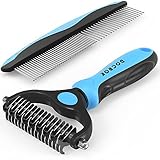
- 【Easy Dematting and Deshedding Tools】: Our Grooming brush and comb combo help effortlessly dematting and reduces shedding. A must have dog brush for shedding, pet supplies, cat supplies, dog supplies metal comb for dogs shedding.
- 【Safe Design】: Soft and protective edge brush and comb creating a comfortable feeling while detangling matted hair and deshedding without hurting your pet. Perfect metal comb for dogs, dematting comb for cats, undercoat rake for dogs double coat.
- 【2-in-1 Rake】: Our undercoat rake is perfect for medium and long-haired dogs and cats and other double coat pets. Wide side for easy dematting, dense side for deshedding. Well made deshedding tool, grooming brush and deshedder brush for dogs.
- 【2-in-1 Comb】: Wide sided for comb knot, smoothing and modeling your pet's hair, dense side for removal of loosen hair, you can use it on the legs, head or tail of your pets where the brush can’t. Perfect metal comb for dogs, dematting comb for cats deshedding tool for dogs.
- 【Sturdy and Comfortable Design】: Premium Stainless steel metal teeth and compact design make our product sturdy and durable. High-quality & lightweight TPR handle make your grooming effortlessly. High-quality undercoat rake for dogs double coat, metal comb for dogs, dematting comb for cats, dog comb for matted hair.
Curly or easily tangled hair
Curly hair can hide knots close to the skin. Use a slicker in small sections, then check each section with a comb. Do not assume that hair coming out in a clump is ordinary shedding; it may be a mat that needs professional removal.
What each brush type does
Grooming mitt or glove
A rubber or fabric mitt lets you use an open hand over a smooth coat. It is useful for dogs that dislike a rigid brush because the contact feels similar to petting. Move with the direction of hair growth, rinse or peel away collected hair as needed, and keep pressure low over bony areas. A mitt is mainly a surface tool; it will not replace an undercoat rake on a dense double coat or a comb for long tangles.
Bristle brush
Bristles sweep loose hairs toward the surface and can leave a short coat looking neat. Softer bristles are generally more comfortable for sensitive skin, while firmer bristles may lift more hair from a medium-length coat. Test a few strokes on your forearm first: if the brush feels scratchy to you, it is likely too harsh when pressed on the dog. Bristles do not open tight mats, so switch tools instead of repeatedly brushing one knot.
Do these 3 things before closing this tab:
1Scan for outdated or missing drivers - takes under a minute2Repair Windows errors before they cause bigger problems3Fix the driver behind crashes, sound loss and screen glitchesSlicker brush
A slicker has many fine pins designed to separate and collect hair. It is a versatile choice for medium, long, dense, and some curly coats. Hold it almost parallel to the body, use short strokes, and lift the brush before the pins reach the skin. Work from the outer ends of a section toward the roots, checking progress with your fingers. “Line brushing”—parting a small strip of hair and clearing it before moving to the next—helps you see whether the pins are actually reaching the coat.
Rank #3
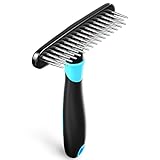
- One of the best dog brushes on the market, It has a double row of stainless steel pins/teeth to reduce pulling the coat without damaging it or hurting your pet. It is a very gentle experience for your dog, cat, rabbit, or any other furry friend that needs brushing.
- Our undercoat Rake dramatically reduces shedding by up to 90% after just 1 short session. This is compared to only 30% with the average Brush or comb. Perfect for matted, heavy shedding undercoats and fur.
- Our professional grooming brushes can be used on both dogs, cats, rabbits, or equestrian horses that have short, Medium or long hair. This professional, high quality brush is priced well, so you can buy one to keep in the house and one for the car.
- Recommended and used by veterinarians, groomers, and pet professionals. The perfect brush for removing unwanted shedding hair. Scientifically designed to promote healthy skin and a shiny top coat. Protects you and your pet from skin allergies, and minimizes irritation from build up, which reduces allergic airborne elements.
- The innovative design allows air to your pet's skin and stimulates the hair follicles, allowing the release of healthy oils. The contouring handle is strong and durable, made of a non-slip, non-toxic silicone. The stainless pins take the unnecessary ’hurt’ out of grooming your pet.
Undercoat rake or de-shedding brush
An undercoat rake is intended for loose undercoat, especially during a heavy shed. Select pin length that corresponds to the dog’s coat; pins that are too short skim the surface, while pins that are too long can catch and pull. Use a few gentle passes, inspect what comes out, and stop when the dog shows discomfort or the skin becomes pink. The AKC specifically advises gentle pressure with shedding tools that use blades. A rake is not a universal replacement for a mitt, slicker, or comb, and it should never be used to cut through a mat.
Long-tooth metal comb
A comb provides a useful final check on long hair. After brushing a small section, draw the comb from the roots outward. If it passes smoothly, move on; if it stops, isolate the tangle and loosen it with your fingers or a suitable brush. A comb can remove minor tangles and loose undercoat clumps, but forcing it through a dense mat can hurt the dog and break hair.
How to brush a shedding dog safely
- Choose a calm location. Put the dog on a stable, non-slip surface. Begin when the dog is relaxed, not immediately after an exciting walk or when it is trying to sleep.
- Inspect before brushing. Look for redness, scabs, parasites, wounds, damp patches, bald areas, or mats. Avoid brushing over painful or inflamed skin.
- Introduce the tool. Let the dog sniff it. Touch the shoulder or back with the tool, reward calm behavior, and make only a few strokes during the first session if necessary.
- Divide the coat. Work in sections—neck, shoulder, side, back, hindquarters, legs, chest, tail, and ears—rather than dragging a brush over the whole body repeatedly.
- Use the least force that works. Follow hair growth and keep strokes short. With a slicker or rake, lift the brush before it contacts skin. Do not yank a knot or increase pressure to make a brush pass.
- Check each section. Run your fingers or a long-tooth comb through the area. A section is finished when the tool moves through without catching and the dog remains comfortable.
- Reward and stop early. End on a calm note. Several brief sessions are safer and more productive than one prolonged struggle.
- Clean the tool. Remove hair after the session and wash the brush according to its material. A clean tool gives you a clearer view of what it is collecting.
How often should a shedding dog be brushed?
There is no fixed calendar that fits every dog. The AKC says heavy shedders may need brushing several times a week, or daily during peak shedding. VCA notes that long, silky, or curly coats may need daily brushing to prevent tangles and mats. Use those ranges as examples and adjust for the amount of hair your dog releases, the coat’s tendency to knot, activity level, and the dog’s tolerance.
| Coat situation | Practical starting pattern | When to increase or reduce |
|---|---|---|
| Smooth short coat | Brief mitt or bristle sessions a few times per week | Increase during a noticeable shed; reduce if the skin becomes irritated. |
| Heavy-shedding double coat | Several sessions each week; consider daily short sessions during peak shedding | Use shorter sessions rather than repeated hard passes. Stop if the dog is uncomfortable. |
| Long, silky, or curly coat | Daily section-by-section brushing is often needed to prevent tangles | Keep the schedule consistent; waiting until knots are visible makes grooming harder. |
| Dog that is new or fearful of grooming | One to five calm minutes with rewards | Build duration gradually instead of forcing a full-body session. |
Track the coat rather than counting strokes. If a comb begins catching between sessions, shorten the interval. If the coat remains clear and the skin is comfortable, there is no benefit to aggressive daily de-shedding.
Rank #4
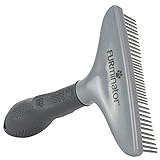
- Removes loose hair, tangles and prevents mats
- The rotating metal teeth help to remove loose hair from undercoat in dense fur
- Best for dogs and cats with thick fur or dense double coats
- Convenient daily solution for undercoat care
- The ergonomic non-slip handle gives you maximum control
Technique adjustments for common coat problems
Loose undercoat everywhere
Brush outdoors or on a washable surface. Start with a slicker or rake suited to the coat, use a few passes, and remove the collected hair before continuing. Follow with a comb on long areas. Do not keep raking simply because hair is still coming out; the goal is to remove loose hair without stripping or irritating the skin.
Small knots behind the ears or on the legs
Separate the knot from the skin with your fingers. Brush the outer edge in tiny movements, then work inward. If the dog flinches, the knot is tight, or the skin is hidden, stop and ask a professional groomer or veterinary team to remove it. Cutting blindly with scissors risks cutting skin.
Hair that mats after bathing
Comb and brush before bathing when possible. Water can tighten existing tangles, so do not use a bath as a substitute for detangling. Dry the coat fully and inspect it afterward; damp, compacted hair can conceal a mat.
Free tools Windows power users keep installed
One-click scans. No signup required.
A dog that resists brushing
Pair the brush with high-value treats, begin at an easy area such as the shoulder, and increase contact one stroke at a time. Keep the tool moving lightly and pause before the dog struggles. A forceful session can teach the dog that grooming is something to escape, making future care harder.
Best Value

- COMPLETE GROOMING COMBO: Includes our dual-sided deshedding brush and a premium metal comb to effortlessly remove stubborn mats, tangles, and loose hair.
- 2-IN-1 METAL COMB: The included stainless steel comb features dual-density teeth perfect for detailed detangling on sensitive areas like the face, paws, and tail.
- DUAL-SIDED DEMATTING BRUSH: Start with the 9-teeth side for stubborn mats and tangles, then finish with the 17-teeth side for thinning and deshedding to reduce shedding by up to 95%.
- SKIN-FRIENDLY DESIGN: Both tools feature rounded, scratch-free teeth that gently massage your pet's skin, ensuring a pain-free and comfortable grooming experience.
- COMFORTABLE & DURABLE: Designed with a soft, ergonomic anti-slip grip for comfortable, long grooming sessions for both cats and dogs of all hair types.
Common mistakes and how to correct them
- Using an undercoat rake on every dog: A rake is intended for loose undercoat, not a smooth short coat or a curly coat with mats. Choose a mitt, bristle brush, slicker, or comb according to the coat.
- Pressing harder when hair does not come out: Resistance may mean the tool is wrong, the section is tangled, or the pins are too short. Change technique rather than force.
- Brushing only the top layer: Part the coat and work in sections so you can tell whether the tool reaches the roots without scraping skin.
- Ignoring ears, legs, armpits, and tail: These areas tangle easily. Check them separately with your fingers and a comb.
- Continuing over irritated skin: Stop brushing the affected area. More friction can worsen discomfort and obscure the cause.
- Expecting brushing to stop shedding: Brushing removes loose hair; it does not eliminate the normal biological shedding cycle.
When shedding needs a veterinarian, not a stronger brush
Normal shedding should not leave unexplained bald spots or persist with painful skin. Arrange veterinary evaluation for thinning fur, sharply defined bald patches, redness, sores, crusts, persistent itching, an unusual odor, or a sudden change from your dog’s normal pattern. A brush cannot diagnose or treat the causes of abnormal hair loss. Do not scrub, rake, or repeatedly de-shed an area that is inflamed.
Bring notes about when the change began, where it appears, grooming products used, and whether the dog is scratching or licking. A veterinary professional can decide whether the problem involves parasites, allergy, infection, hormonal disease, nutrition, or another cause and can advise on grooming while the skin heals.
What to check before buying a brush
- Coat reach: Measure the coat’s approximate depth with your fingers and choose pins or teeth that reach loose hair without digging into skin.
- Pin or bristle feel: Run the tool over your forearm. Sharp, snagging, or abrasive points are a warning sign.
- Handle and control: A comfortable, secure grip helps you keep pressure light and make short strokes.
- Section size: A brush that is easy to maneuver around legs, ears, and the tail is often more useful than a very large head.
- Cleaning: Look for a design from which hair and skin debris can be removed completely.
- Dog acceptance: If your dog dislikes rigid pins, start with a mitt and condition the dog before introducing a slicker or rake.
- Professional guidance: For a complicated coat, recurring mats, or uncertain undercoat, ask a groomer or veterinary healthcare team to demonstrate the appropriate category.
A quick decision guide
- If the coat is smooth and short, begin with a grooming mitt or short-bristle brush.
- If it is short but releases visible loose hair, add a bristle brush for surface collection.
- If the coat is medium, long, dense, or curly, choose a slicker and work in small sections.
- If you can identify a dense undercoat and the dog is in a heavy shed, consider an undercoat rake with pin length matched to coat depth.
- If the coat is long or catches at the ends, use a long-tooth metal comb to check for minor tangles.
- If any tool causes pain, skin irritation, or persistent resistance, stop and reassess the tool or seek professional help.
Bottom line
Choose by coat, not by the fact that a dog sheds. A mitt or bristle brush is a sensible starting point for smooth short hair; a slicker suits many longer, denser, or curly coats; a correctly sized undercoat rake helps with loose undercoat in double-coated dogs; and a long-tooth comb checks long hair and minor tangles. Gentle, regular sessions protect the skin and make shedding manageable, while bald patches, thinning, or irritated skin warrant veterinary advice.
Crashes, No Sound, or Screen Glitches?
Random freezes, missing sound and display glitches usually trace back to one bad driver. Find and replace yours safely.Free scan · under a minutePC Slower Than It Used to Be?
A free scan shows the junk files, broken settings and background clutter dragging Windows down - then fixes them in one click.Free scan · Windows 10 & 11Quick Recap
Product prices and availability are accurate as of the date/time indicated and are subject to change. Any price and availability information displayed on Amazon at the time of purchase will apply.




