
Some links on this page are affiliate links: if you buy through them we may earn a commission, at no extra cost to you.
The most effective calming setup for a newly adopted rescue dog is not a pile of supplements or gadgets. Start with a quiet, secure retreat, familiar bedding, water, regular meals and bathroom breaks, and permission to withdraw. Add one easy food-enrichment toy, then consider a pheromone diffuser, calming audio or a chew only if the individual dog tolerates it safely. The first days should be deliberately uneventful: do not force greetings, crowded outings or introductions. ASPCA’s 3-3-3 framework describes the first three days as overwhelming, the next three weeks as settling and the first three months as continued adjustment and trust-building. Persistent fear, aggression, separation distress, house-soiling, appetite changes or sudden behavior changes call for a veterinarian and, when needed, a qualified behavior professional.
What should I buy first for a newly adopted rescue dog?
Buy the items that make the dog’s environment predictable and controllable before optional calming products. A washable bed or familiar blanket, a barrier such as a baby gate or exercise pen, food and water bowls, ordinary food, and one beginner food-enrichment toy cover the first priority. A crate can be useful when the dog already finds crates comfortable, but it should never be forced or used as punishment.
As an Amazon Associate I earn from qualifying purchases.
Recommended Free Tools
First-day shopping list
- Quiet-space equipment: washable bedding or a familiar blanket, a gate, pen or appropriately sized crate, and nonslip flooring if the room is slippery.
- Basic care: the food the shelter or foster home was feeding, a water bowl that cannot tip easily, identification and leash equipment, and cleaning supplies for accidents.
- One easy enrichment item: a size-appropriate licking toy such as a KONG- or Toppl-style toy, or a beginner snuffle mat.
- Optional later additions: a dog pheromone diffuser, low-volume calming audio and a chew selected for the dog’s size and chewing style.
Do not buy several unfamiliar foods, noisy electronic toys or a large assortment of chews on the first day. Too many new objects can make it harder to tell whether a dog is becoming calmer or more overwhelmed.
How do I create a decompression room?
Choose a low-traffic room or gated section where the dog can rest without being approached constantly. Cornell University College of Veterinary Medicine recommends a quiet, secure room with familiar bedding, toys and blankets; ASPCA guidance also supports a dedicated room, cozy crate or soft bed with gates limiting access. The space should be positive and should never be used for punishment.
Popular on Amazon

- Satisfy Instinctual Needs: The KONG Classic red rubber toy helps satisfy dogs' instinctual needs and provides mental stimulation; toy helps solve chewing, teething, boredom, crate training, digging, barking and more
- Enticing Chew Toy for Dogs: This unique toy has an erratic and unpredictable bounce, keeping all breeds of dogs engaged and entertained during interactive play sessions
- Treat-Filling Capabilities: The hollow interior allows for stuffing with kibble, peanut butter, or KONG Snacks or Easy Treat, offering an added challenge and extended play time for your pet; dishwasher safe for easy clean up
- Durable Natural Rubber Dog Toy: The KONG Classic red rubber formula is created for average chewing dogs, and is recommended by veterinarians and trainers worldwide
- Made in the USA. Globally sourced materials. KONG has been innovating since 1976 to enrich the lives of pets with the highest quality pet toys and treats. Covered by KONG's Satisfaction Guarantee
Set up the retreat
- Choose the location. Select a room away from the front door, busy hallways, loud appliances and children’s play areas. The dog should be able to hear normal household activity without being in the middle of it.
- Make escape and access predictable. Use a gate or pen so people can leave the dog alone without shutting it away abruptly. Keep the route to water and the toilet area clear.
- Add familiar-smelling bedding. A blanket from the shelter or foster home can be reassuring. Use washable materials and provide a second layer if the dog is likely to have accidents.
- Place food and water carefully. Keep bowls away from the bed so the dog does not have to guard its resting place while eating. If other pets live in the home, feed them separately.
- Control stimulation. Dim harsh lighting, close blinds if outside activity causes alarm, and keep sound low. Leave the dog an unobstructed way to move away from people.
Show every household member the retreat and establish a rule that nobody reaches into it, drags the dog out or follows the dog inside. Wisconsin Humane Society specifically notes that this space should not be a place used for punishment.
What does the 3-3-3 rule mean for a rescue dog?
ASPCA’s 3-3-3 framework is a practical adjustment model, not a guarantee or a population statistic. It describes the first three days as a period when the dog may be overwhelmed, the next three weeks as a time for settling into routines, and the first three months as continued adjustment and trust-building. Some dogs move faster; others need considerably longer.
Do these 3 things before closing this tab:
1Clear out junk files and repair common Windows errors2Fix the driver behind crashes, sound loss and screen glitches3Repair Windows errors before they cause bigger problemsThe first three days
Keep the schedule small and boring: toilet trips, meals, sleep and brief, voluntary interaction. Avoid visitors, dog parks, long shopping trips and introductions to every neighbor. A dog that is silent may be frightened rather than relaxed, so watch body language rather than assuming that quiet means comfortable.
The first three weeks
Once the dog is eating, sleeping and toileting more normally, add short walks in quiet places and simple reward-based training. Introduce household routines one at a time. If the dog begins hiding, panting, licking its lips repeatedly, lowering its body or refusing food, reduce the difficulty and return to a calmer arrangement.
The first three months
Trust develops through repeated, safe experiences. Gradually teach the dog how to settle, walk, remain alone for short periods and interact with visitors. Progress is not linear; a move, illness, loud event or new person can temporarily increase fear.
How should I use routine to reduce stress?
Most dogs find comfort in routine, according to Cornell. Feed, toilet, exercise, enrichment and rest at broadly consistent times, while keeping enough flexibility for the dog’s signals. Predictability lets the dog anticipate what happens next instead of monitoring every movement in the home.
A practical first-week rhythm
- Morning: quiet toilet trip, breakfast, then uninterrupted rest.
- Late morning: a brief sniffing walk or yard visit if the dog is willing; return home before signs of stress escalate.
- Afternoon: sleep, a short food-enrichment session and another toilet break.
- Evening: dinner, a calm chew only with supervision, and low-key household activity.
- Overnight: keep the sleeping location consistent and make toilet access straightforward.
Follow the dog’s capacity rather than a rigid exercise target. Slowing down is the correct response when the dog freezes, hides, pants excessively, repeatedly licks its lips, keeps its body low, scans constantly or tries to escape.
Also popular on Amazon

- Satisfy Instinctual Needs: The KONG Classic red rubber toy helps satisfy dogs' instinctual needs and provides mental stimulation; toy helps solve chewing, teething, boredom, crate training, digging, barking and more
- Enticing Chew Toy for Dogs: This unique toy has an erratic and unpredictable bounce, keeping all breeds of dogs engaged and entertained during interactive play sessions
- Treat-Filling Capabilities: The hollow interior allows for stuffing with kibble, peanut butter, or KONG Snacks or Easy Treat, offering an added challenge and extended play time for your pet; dishwasher safe for easy clean up
- Durable Natural Rubber Dog Toy: The KONG Classic red rubber formula is created for average chewing dogs, and is recommended by veterinarians and trainers worldwide
- Made in the USA. Globally sourced materials. KONG has been innovating since 1976 to enrich the lives of pets with the highest quality pet toys and treats. Covered by KONG's Satisfaction Guarantee
Do licking toys and snuffle mats help anxious rescue dogs?
Food enrichment can support calm, species-typical behavior when it is easy enough for a stressed dog to use. VCA describes KONG and Toppl-style licking toys and snuffle mats as options; foraging toys provide mental and physical exercise by simulating hunting and seeking food. Begin with a simple task and increase difficulty only after the dog uses it comfortably.
Choose a safe beginner toy
- Select a toy that is too large to swallow, will not fracture under the dog’s bite and matches the dog’s mouth size.
- Use a familiar food at first rather than introducing a new diet and a new toy simultaneously.
- Supervise the first several sessions. Stop using the item if it sheds pieces, cracks or becomes small enough to swallow.
- Separate dogs that may guard food toys. A gate or separate room prevents competition.
- For a dog that is too worried to eat, leave the toy nearby and try later rather than pushing it toward the dog.
Start with low difficulty
Offer a loosely packed licking toy or scatter a small amount of food in an easy-to-search snuffle mat. Once the dog can finish without frantic chewing, increase the duration or make the food slightly harder to reach. Enrichment should lower arousal, not become a timed puzzle that causes frustration.
Are pheromone diffusers worth trying?
A dog pheromone diffuser is optional, not a substitute for a quiet retreat and a predictable routine. VCA identifies Adaptil as a dog-pheromone product used for stressful events and separation anxiety. Diffusers typically last about four weeks, while sprays are intended for blankets, towels, carriers or crates rather than directly on the dog.
The Tool Desk
Outbyte Driver Updater FREEFix the driver behind crashes, sound loss and screen glitchesFind Drivers →Outbyte PC Repair FREERepair Windows errors before they cause bigger problemsFix Now →Use a diffuser cautiously
- Place the diffuser in the room where the dog spends the most time, following the manufacturer’s placement and electrical-safety instructions.
- Allow the dog to leave the area. Never confine a frightened dog beside the diffuser.
- Use a spray only on fabric or equipment as directed; do not spray the dog, food, water or skin.
- Observe behavior over days rather than expecting an immediate transformation. Stop if the dog shows irritation or the device becomes hot or damaged.
VCA cautions that “natural” does not automatically mean safe. Supplements and herbs may have side effects, interactions or little rigorous evidence of efficacy, so ask a veterinarian before adding a non-drug calming product, especially if the dog takes medication or has a medical condition.
Can calming music help during the first week?
Soft, calming music can be one part of a retreat. The Merck Veterinary Manual includes calming music among shelter stress-reduction measures, and adoption guidance lists it as an option alongside privacy and reduced stimulation. Keep the volume low, avoid sudden changes and let the dog move away from the speaker.
Audio should not be used to mask a chaotic room. First reduce visitors, barking, television volume and other triggers. If the dog becomes more alert, vocalizes or leaves the room, turn the audio off and restore quiet.
Which chews and treats are safe for an anxious dog?
Chews can occupy a bored or restless dog, but safety depends on the individual product and the dog’s size, bite strength and chewing style. ASPCA advises matching a chew to those factors and watching for rapid consumption, worn ends, swallowed chunks and resource guarding.
Also popular on Amazon

- Knotted Dog Tug Toy: The KONG Floppy Knots dog toy has internal knotted rope to satisfy your dog's natural instincts during play
- Durable Dog Accessories: Durable dog supplies designed to withstand rough and tumble play; features varied texture
- Pet Supplies for Dogs: The toy features squeakers to entice play, making it an ideal addition to your pet supplies
- Dog Toy with Minimal Stuffing: Designed with minimal stuffing, this dog toy minimizes mess, making it a perfect low-maintenance toys
- KONG: Innovating since 1976 to enrich the lives of pets with the highest quality pet toys and treats
Supervise every new chew
- Offer it only when an adult can watch the dog continuously.
- Remove it if the dog breaks off pieces, gulps instead of chewing, or carries it in a way that risks swallowing it whole.
- Discard a chew when it becomes small, sharp, cracked or heavily worn.
- Keep children and other animals away if the dog stiffens, growls, freezes or guards the item.
- Contact a veterinarian urgently for choking, repeated gagging, breathing difficulty, vomiting, abdominal pain or suspected ingestion of a large piece.
No chew is universally safe. A food-enrichment toy that can be inspected may be a better first choice for a dog whose chewing habits are unknown.
How do I match a calming product to the dog?
Choose by function and risk, not by the word “calming” on the package. The table below separates what each option is meant to do and when supervision matters.
| Option | Primary function | Best initial fit | Main risks or limits |
|---|---|---|---|
| Quiet room, gate, pen or crate | Environmental retreat and control over interaction | Every newly adopted dog | Must remain positive; forced confinement can increase fear |
| Washable bed or familiar blanket | Rest and familiar scent | Dogs that need uninterrupted sleep | Soiled bedding must be cleaned promptly; avoid blocking the exit |
| Licking toy | Food enrichment and repetitive licking | Food-motivated dogs able to eat calmly | Swallowing, breakage, guarding and overfeeding |
| Beginner snuffle mat | Low-impact foraging | Dogs that prefer sniffing to chewing | Fabric damage, swallowed pieces and competition between dogs |
| Pheromone diffuser | Optional sensory aid during stressful events | Dogs with a stable retreat and routine | Not a guaranteed treatment; electrical placement and individual response matter |
| Calming audio | Low-level sound masking or relaxation cue | Dogs comfortable with quiet music | Can add stimulation if too loud or inescapable |
| Chew | Oral occupation | Known chewing style with continuous supervision | Choking, obstruction, dental injury and resource guarding |
What should I avoid when trying to calm a rescue dog?
Avoid forced greetings, crowded outings, rapid introductions and attempts to physically remove the dog from its retreat. ASPCA advises giving the dog time and space and not forcing interactions with people or other pets. Invite contact by sitting sideways, speaking softly and allowing the dog to approach; a retreat is a successful choice, not a failure.
Do not interpret appeasement signals as misbehavior. Lip licking, a lowered posture, excessive panting, freezing, hiding, repeated yawning or escape attempts mean the stimulus is too difficult. Increase distance, end the interaction and provide a quiet recovery period.
Free tools Windows power users keep installed
One-click scans. No signup required.
Avoid essential-oil or supplement claims that lack veterinary review. Products marketed as “natural” can still cause adverse effects, and evidence for many herbs and supplements is limited. Never give human sedatives, pain medicines or leftover prescriptions unless a veterinarian has specifically prescribed them for that dog.
Independent reader supportYour contribution helps us test, update, and keep practical guides available for everyone.When is a veterinarian or behavior professional needed?
Shopping cannot resolve every behavior problem. Fear and anxiety can reflect medical illness, pain, neurological problems, prior trauma or an environment that is still too demanding. Arrange veterinary care for persistent or escalating fear, aggression, separation distress, house-soiling, appetite changes or a sudden behavior change.
Seek help promptly when you see
- Growling, snapping or biting that is increasing or difficult to predict.
- Panic when left alone, destructive escape attempts or prolonged vocalization.
- Refusal of food or water, repeated vomiting, diarrhea, marked lethargy or rapid weight change.
- House-soiling that continues despite frequent, calm toilet opportunities.
- Fear so intense that the dog cannot rest, eat, walk outside or safely interact with household members.
A veterinarian can rule out medical contributors and discuss treatment. A qualified positive-reinforcement trainer can help with gradual exposure and daily skills; a veterinary behaviorist is appropriate for severe, complex or safety-critical cases. Ask the shelter or rescue for behavior history and seek professionals who explain plans clearly and avoid punishment-based methods.
Also popular on Amazon
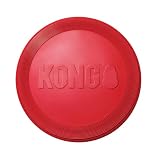
- Durable KONG Classic Rubber: This flying disc is made of forgiving, durable KONG Classic Natural rubber, ensuring a safe, comfortable catch for your pet
- Flying Disc Toy with Dynamic Rebound: The KONG Flyer delivers a dynamic rebound if your dog misses the initial fetch, adding an extra layer of fun to playtime
- Dog Fetch Toy for Healthy Exercise: This dog chase toy encourages your pet to stay active and supports their natural instinct to play
- Made in the USA: Globally sourced materials. KONG has been innovating since 1976 to enrich the lives of pets with the highest quality pet toys and treats. Covered by KONG's Satisfaction Guarantee
- KONG: Since not all toys are created equal, it’s always best to supervise your dog during play. Supervised play will help toys last longer and keep your dog safe. No dog toy is truly indestructible, so always remove the toy from playtime if damaged
How can I tell whether the setup is working?
Look for functional changes rather than a dog that appears constantly cheerful. Useful signs include voluntary rest, regular eating and drinking, normal toileting, softer body posture, willingness to sniff, choosing the retreat and recovering more quickly after a mild startle.
PC Slower Than It Used to Be?
A free scan shows the junk files, broken settings and background clutter dragging Windows down - then fixes them in one click.Free scan · Windows 10 & 11Crashes, No Sound, or Screen Glitches?
Random freezes, missing sound and display glitches usually trace back to one bad driver. Find and replace yours safely.Free scan · under a minuteKeep a brief daily log of meals, sleep, toilet trips, enrichment, triggers and recovery time. The record helps you notice gradual progress and gives a veterinarian or behavior professional concrete information. If the dog’s baseline worsens for several days, reduce stimulation and arrange help instead of adding more products.
Frequently Asked Questions
How long should I leave a rescue dog alone after adoption?
There is no universal number of hours. Begin with absences shorter than the dog can tolerate, after toilet and exercise needs are met, and increase duration gradually while monitoring for panic, destruction or vocalization. A veterinarian or behavior professional can design a separation plan when even brief absences trigger distress.
Should I let my new dog sleep in my bedroom?
Choose the location that allows the dog and household to sleep safely and consistently. A bed or crate in your bedroom can make monitoring easier, but moving the dog repeatedly between rooms can add uncertainty. Once the dog is settled, relocate sleeping arrangements in small steps if needed.
What if my rescue dog will not eat for the first day?
Stress can suppress appetite temporarily, but provide fresh water, the familiar diet and a quiet feeding location without coaxing or crowding. Contact a veterinarian if the dog refuses food beyond the period your veterinarian considers safe, will not drink, vomits, seems weak or has another health concern.
Can I introduce my rescue dog to my resident dog immediately?
Keep them separated at first, exchange scents safely and arrange brief, controlled meetings only when both dogs can remain relaxed. Use neutral space when appropriate, remove high-value resources and provide separate retreats. Stop at stiff posture, hard staring, growling or escalating excitement and obtain professional guidance if introductions are difficult.





Leave a Reply