
Do these 3 things before closing this tab:
1Clear out junk files and repair common Windows errors2Scan for outdated or missing drivers - takes under a minute3Repair Windows errors before they cause bigger problemsSome links on this page are affiliate links: if you buy through them we may earn a commission, at no extra cost to you.
For most first-time families seeking a lower-energy dog, the Cavalier King Charles Spaniel is the broadest fit: it is adaptable, affectionate, trainable and comfortable with people from young children to older adults. A Whippet or Greyhound can be wonderfully quiet indoors when the family can provide secure opportunities to run. A Basset Hound suits a slower household that accepts independent behavior, roaming risk and regular ear care. These are lower-energy choices, not no-exercise choices. Every dog still needs daily movement, enrichment, training, companionship, veterinary care and close supervision around children.
The right choice depends less on a breed label than on your schedule, containment, tolerance for shedding and grooming, and how long the dog will be alone. An adult remains responsible for every part of care, even when children help.
As an Amazon Associate I earn from qualifying purchases.
Which lower-energy family dog is best for a first-time owner?
The Cavalier King Charles Spaniel is the most adaptable starting point for many novice families. The American Kennel Club (AKC) describes Cavaliers as affectionate, adaptable and suitable for people ranging from young children to older adults, while the PDSA describes them as popular family dogs. They still need about an hour of exercise each day, regular human company and careful management around roads and moving objects.
Whippets and Greyhounds are compelling alternatives if you want a dog that settles quietly in the house but can provide safe, controlled running. Basset Hounds are calmer and not jogging partners, yet their independence, tendency to roam and weekly ear cleaning make them a deliberate choice rather than an automatic beginner dog. Labradors and Golden Retrievers can be outstanding family companions, but the Labrador guidance cited here calls for a substantially more active routine, so they are not the lower-energy default.
Popular on Amazon

- Engineered for Ultimate Strength: Constructed from 1/2 inch diameter rock climbing rope, this heavy duty dog leash is distinctively durable and strong. It is designed to withstand the strongest pulls from large and energetic dogs, giving you peace of mind that your pup won't break free during walks
- Comfortable Padded Handle: Say goodbye to rope burn. Our soft, cushioned foam handle provides an amazing grip and protects your hands from sudden tugs. Enjoy longer walks and extended training sessions with total comfort, even if your dog is a puller
- Maximum Nighttime Visibility: Highly reflective threads are woven through the entire length of the rope (not just painted on), keeping you and your fur baby visible to passing cars and cyclists during early morning jogs or late-night strolls. Perfect for urban streets and low-light environments
- Tangle-Free 360° Swivel: Featuring a heavy-duty metal clasp that rotates 360 degrees, this ensures the rope never gets twisted or tangled, no matter how much your dog moves around. The zinc alloy hook is rust-proof and easy to clip onto any dog collar or harness in seconds
- Versatile for Any Activity: Park walks, trail hikes, or yard training. Offers ideal balance of freedom and control. Comes in 4ft, 5ft, 6ft lengths and 12 colors. 3/8" diameter suits small to medium dogs – lightweight and non-bulky. For medium and large dogs, choose 1/2" diameter
| Breed | Why it fits a lower-energy family brief | First-time-owner trade-offs |
|---|---|---|
| Cavalier King Charles Spaniel | Adaptable, affectionate, social and generally easy to live with; AKC describes average exercise needs and an overall low-maintenance profile. | About an hour of daily exercise, frequent human company, grooming, leash or fenced-yard control, child supervision and health-aware ownership. |
| Whippet | AKC describes Whippets as excellent house dogs that sleep much of the day, welcome visitors and can be good with well-trained children. | Still a running dog. Secure sprinting areas, calm handling and reliable containment are essential. |
| Greyhound | AKC characterizes the breed as independent, gentle and noble; Zoetis includes Greyhounds among breeds that can suit a mellow lifestyle. | Large size, individual history and temperament require thoughtful introductions, physical handling and supervision with children. |
| Basset Hound | Calm, even-tempered and unsuitable for people seeking a jogging partner. | Independent thinking, roaming risk, weekly ear cleaning and a need for attention require secure, consistent care. |
| Labrador Retriever | Gentle, intelligent, outgoing, adaptable and highly trainable, with a strong family reputation. | Active rather than low-energy: daily exercise, early training, companionship, retrieving outlets and shedding management are part of the routine. |
Does a lower-energy dog still need daily exercise?
Yes. “Lower energy” usually means a dog can settle more readily between activities, not that it can skip walks or enrichment. A sustainable plan combines physical activity, sniffing and exploration, short training sessions, play, social contact and quiet rest.
- Physical activity: Walks and age-appropriate play maintain fitness. Cavaliers need roughly an hour of exercise daily according to PDSA; a Whippet needs opportunities to run even though it sleeps much of the day; and the Labrador Retriever Club describes Labs as active dogs requiring daily exercise.
- Mental work: Short reward-based training, scent games, food puzzles and calm problem-solving prevent boredom without turning the day into nonstop exertion.
- Companionship: Companion breeds can become distressed when isolated. Plan who is home, when the dog receives attention and what happens during workdays, errands and holidays.
- Recovery: A dog that rests indoors after activity is not “lazy”; settling is a valuable household skill. Increase activity gradually and watch the individual dog rather than chasing a breed stereotype.
Children can participate in simple training or supervised games, but an adult must decide when activity stops, provide water and rest, and ensure the dog is not handled while eating or sleeping.
Quick wins for a faster PC:
Clear out junk files and repair common Windows errorsFree Scan →Scan for outdated or missing drivers - takes under a minuteDriver Scan →Why is the Cavalier King Charles Spaniel often the broadest beginner fit?
The Cavalier combines a small, companion-oriented format with sociability and adaptability. AKC describes the breed as affectionate and good with people from young children to the elderly, and PDSA identifies it as a popular family dog. That combination makes it a practical match for households that want a dog involved in everyday life rather than a specialist working partner.
What routine does a Cavalier need?
PDSA gives about one hour of exercise each day. Split that time into walks and play, then add brief training and opportunities to sniff. The breed may be content to relax afterward, but individual dogs vary in stamina and enthusiasm.
Can a Cavalier be left alone while the family works?
Plan cautiously. PDSA warns that Cavaliers can become very upset when left alone, so a household that is empty for long stretches needs a realistic arrangement for human contact. A midday visit, a family member working from home or another dependable break may be necessary; adding a dog without that plan can create separation-related distress.
What grooming and safety does a Cavalier require?
Regular brushing keeps the coat manageable, and a dog grooming brush belongs on the basic-supplies list. The Cavalier club advises using a leash or a fenced yard because the breed may chase moving objects. Children should never hold or release the dog near traffic, and every outdoor area must prevent an impulsive chase.
Why does health screening matter?
A breed’s friendly reputation does not guarantee an individual dog’s health. Ask a breeder or rescue for available health information, arrange a veterinary visit after bringing the dog home and budget for routine checkups. Health records and the dog’s observed behavior should influence your decision as much as appearance.
Also popular on Amazon

- 【Professional Retractable Dog Leash】 The ultimate combination: 16 ft strong nylon reflective tape, impact-resistant ABS housing, and a stainless steel anti-chew cable. This design greatly reduces the risk of being bitten through, extending the leash’s lifespan. Augwind’s retractable leash is specifically designed for small to medium dogs under 50 lbs, offering the best value on the market
- 【Safe & Effective】16 ft Strong Reflective nylon webbing; Over 100,000 retraction times; Max anti-jerk tensile strength: 350 lbs; . Whether day or night, on the street or lawn, the Augwind retractable leash makes every walk safe and easy
- 【Quick Lock System】 Operate the pause, lock, and unlock buttons with a single thumb. Enjoy smooth braking and instant response. The Augwind retractable dog leash ensures the safety of both you and your pet on every outing
- 【2026 Equipment Upgrades】1. Reflective webbing 2. Chrome-plated, rust-proof 360° rotating clasp 3. Ergonomic soft silicone handle 4. Reserved slot for poop bag holder 5. Stainless steel anti-chew cable
- 【2-Year Warranty】 We are a professional pet products company committed to bringing the safest, most practical, and affordable pet products to pets and their owners. We promise to solve any quality issues within 2 years. We provide 24/7 after-sales service. If you have any questions, please feel free to contact us
Is a Whippet a calm family dog or a high-speed athlete?
It is both: quiet indoors when its needs are met, and built for fast running outdoors. AKC says Whippets make excellent house dogs, sleep much of the day, are friendly with visitors and can be good with well-trained children. The useful mental model is “indoor settler with a need for safe sprinting,” not “no-exercise dog.”
How should a first-time owner exercise a Whippet?
Provide controlled running in a securely enclosed area, followed by calm walks and rest. Do not rely on an unfenced park or an assumed recall around moving wildlife. A secure walking leash and reliable gates are more important than promising the dog unlimited freedom.
What family behavior should you expect?
A Whippet may be sociable with visitors and comfortable around children who have learned to behave calmly. “Well-trained children” is the important qualification: adults must supervise interactions, stop chasing or rough play, and give the dog a quiet retreat. The dog’s individual history still matters more than a generalized breed description.
The Tool Desk
Outbyte PC Repair FREERepair Windows errors before they cause bigger problemsFix Now →Outbyte Driver Updater FREEFix the driver behind crashes, sound loss and screen glitchesFind Drivers →Could a Greyhound suit a mellow household?
Yes, provided the family can manage a large dog and arrange safe exercise. AKC describes Greyhounds as independent, gentle and noble, and Zoetis places Greyhounds among breeds that often suit a relaxing lifestyle. AKC lists a 10–13-year life expectancy on its profile.
What makes Greyhound ownership different for a beginner?
Size changes the practical stakes. Adults must be comfortable guiding and transporting a large dog, setting household boundaries and supervising children. Introductions to visitors, other pets and unfamiliar environments should be gradual and based on the individual dog’s history and temperament, especially when adopting an adult with an unknown past.
How much running does a Greyhound need?
A calm home does not remove the need for regular movement. Schedule walks and secure opportunities to stretch out, then allow substantial rest. Avoid assuming that a dog’s quiet indoor behavior means it can be exercised only occasionally.
Is a Basset Hound easy for a first-time family?
A Basset can be an excellent match for a family that values a slow pace and accepts routine care. The Basset Hound Club of America describes the breed as calm and even-tempered and specifically says Bassets do not make good jogging companions. The same independent streak that makes the breed unhurried can make training and containment more demanding.
Free tools Windows power users keep installed
One-click scans. No signup required.
Also popular on Amazon
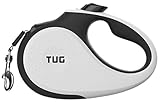
- Small Retractable Dog Leash is Suitable for Dogs Under 35 lbs; Medium For Dogs Under 55 lbs; Large For Dogs Under 110 lbs; Retractable Leashes Not Suitable For Chewing
- 16 ft Tape Retractable Dog Leash With Easy-Adjust Retraction; 360 Degree Tangle-Free Inlet
- Quick Lock And Unlock Feature - Easy Roll-On and Roll-Off With Your Thumb
- Super Comfortable Grip For Those Long Walks! Ergonomic Anti-Slip Handle
- Heavy Duty Internal Coil For Consistent Retraction and Recoil
What care issues should you plan for?
- Containment: The breed may roam, so secure fencing, closed gates and identification are important. Do not treat a relaxed demeanor as proof that the dog will stay in an open yard.
- Training: Bassets can be independent thinkers. Use short, consistent, reward-based sessions and realistic expectations rather than repeating commands angrily.
- Ear care: Weekly ear cleaning is part of the breed guidance. Establish a cooperative routine early and ask your veterinarian to demonstrate safe technique.
- Attention: Calm does not mean indifferent. The dog still needs companionship, interaction and supervision.
Why are Labradors and Golden Retrievers not the lower-energy default?
Labradors are gentle, intelligent, outgoing, adaptable and good with children, which explains their family popularity. They are also active dogs. Guide Dogs UK says adult Labradors generally need at least 90 minutes of exercise daily, while the Labrador Retriever Club says they require daily exercise, consistent training from an early age and regular companionship. Retrieving games, training and shedding management add to the routine.
Golden Retrievers are likewise widely regarded as excellent family dogs, but that reputation should not be confused with low energy. If your household wants a dog for long walks, active play and regular outings, a Labrador or Golden may be appropriate. If your priority is a dog that settles more easily and needs a less athletic schedule, start with the lower-energy comparison set instead.
How do you choose among a Cavalier, Whippet, Greyhound and Basset?
Match the dog to the household you can provide every day, not to an idealized weekend routine. Use the following decision points before contacting a breeder or rescue.
Choose the Cavalier when companionship and adaptability come first
Select a Cavalier if you want a social, affectionate small companion, can provide about an hour of daily exercise and will not leave the dog alone for long, unbroken periods. Be prepared for brushing, leash or fenced-yard management and health-conscious ownership.
Windows Errors? Fix Them Before They Spread
Repair common Windows errors and clear accumulated junk for a smoother, more stable PC - no reinstall needed.Free scan · no reinstallCrashes, No Sound, or Screen Glitches?
Random freezes, missing sound and display glitches usually trace back to one bad driver. Find and replace yours safely.Free scan · under a minuteChoose the Whippet when you can provide secure running
A Whippet fits a family that values a quiet house but has safe access to enclosed exercise. It is a poor match for anyone expecting a dog that never needs to run or for a household that cannot reliably prevent chasing and escapes.
Choose the Greyhound when a larger, gentle dog suits your home
A Greyhound may suit a mellow lifestyle if adults are comfortable with the dog’s size and can supervise introductions and child interactions. Confirm the individual dog’s history, behavior and exercise needs rather than relying only on the breed’s reputation.
Choose the Basset when slow walks and routine care are acceptable
A Basset suits families that do not want a jogging partner and can commit to secure containment, weekly ear care and patient training. Its independent nature makes it less suitable for owners seeking instant, highly reliable obedience.
Also popular on Amazon

- ENHANCED NIGHT VISIBILITY: Keep your dog safe during early morning or evening walks. The upgraded double-sided reflective stitching catches streetlights and car headlights brightly, ensuring you both remain highly visible to traffic in low-light conditions
- CUSHIONED ANTI-BURN HANDLE: A savior for hands when walking active dogs that pull. The soft, thick interior padding prevents painful rope burn and strain, providing a secure, comfortable grip for better control when your furry friend lunges. Includes a sturdy metal D-ring for clipping poop bag dispensers
- PERFECT 6FT BALANCE: The ideal length for urban walks, offering your dog enough freedom to sniff around while keeping them close enough for easy command in busy areas. Choose the 3/4'' width for small breeds, or the robust 1.0'' width for powerful medium to large dogs
- HEAVY-DUTY TANGLE-FREE CLASP: Features a strong metal spinning snap that allows 360° movement, preventing frustrating leash tangles so your dog can move freely around you. Built with high-density nylon webbing for reliable daily strength. NOTE: While tough for pulling, this nylon material is NOT chew-proof. Don't leave unattended with chewers
- COMPLETE THE LOOK: Available in vibrant colors tailored to match your dog's style. For the ultimate coordinated walking set, pair this leash with our matching Joytale reflective nylon collar
What should a first-time family prepare before bringing the dog home?
Preparation prevents many problems that are later mistaken for a breed mismatch. The adult who will manage the dog should complete this checklist before arrival.
- Time map: Write down who handles morning exercise, feeding, training, grooming, midday contact, evening walks and veterinary appointments on ordinary weekdays, not just holidays.
- Containment plan: Check gates, fencing, door habits and leash procedures. This is especially important for Cavaliers that may chase, Whippets that need secure running and Bassets that may roam.
- Child rules: Teach children to let the dog approach, avoid climbing or hugging, leave food and sleeping dogs alone, and call an adult when the dog wants space.
- Quiet retreat: Give the dog a bed or crate area where children and visitors do not interrupt rest. Make the retreat a safe place, never a punishment area.
- Supplies: Have a standard dog leash, identification, food and water equipment, a dog grooming brush, waste bags, safe toys and cleaning supplies ready.
- Veterinary plan: Schedule an initial visit and routine checkups. Include veterinary care and potential pet-insurance costs in the household budget before adoption or purchase.
- Training approach: Agree that everyone will use the same cues and reward-based methods. Inconsistent rules make an otherwise manageable dog appear difficult.
How should children and dogs share a home safely?
Supervision is non-negotiable for every breed, size and age. A calm Cavalier, sleeping Whippet, gentle Greyhound or even-tempered Basset can still react if startled, restrained or hurt. An adult should remain close enough to intervene, and the dog should always have a child-free resting place.
Teach children to read simple signals such as turning away, hiding, stiffening or trying to leave. End the interaction before the dog is overwhelmed. Do not assign a child responsibility for feeding, walking near traffic, administering care or deciding whether a dog is safe to approach; those are adult duties.
How much time alone is too much?
There is no single breed-wide cutoff that guarantees comfort. The practical question is whether the individual dog can remain settled and whether the family can provide breaks and companionship. Cavaliers deserve particular caution because PDSA reports that they may become very upset when left alone, but any dog can develop distress when isolation is sudden or excessive.
Build absences gradually, keep departures and returns calm, and arrange human contact during long workdays. If you see persistent vocalizing, destructive escape attempts, house-soiling or panic, consult a veterinarian or qualified behavior professional rather than simply increasing exercise.
Recommended Free Tools
What grooming, shedding and care complexity should you compare?
Coat length is only one part of the workload. A Cavalier needs regular brushing; Labradors need brushing to help manage shedding, as noted by the Canadian Kennel Club; and Bassets need weekly ear cleaning. Whippets and Greyhounds may have simpler coat care, but their exercise, containment, size or individual-history considerations still matter.
Make a written care schedule for brushing, ear checks, nail care, parasite prevention and veterinary appointments. Ask the veterinarian to show you how to perform any routine task safely. A dog that is easy to groom but difficult to contain is not necessarily lower-maintenance overall.
Also popular on Amazon

- Upgrade: The product has been modified to use nylon thread directly sewing, very strong.All handles was sewn onto the leash instead of the cord ties.Package includes: frosted zipper bag,two handles dog leash.
- MAXIMUM TOUGHNESS AND DURABILITY: Nearly 2X thicker and stronger than standard dog leashes. 3mm thick and 1” wide with tightly webbed nylon for enhanced rugged construction.
- DUAL HANDLES FOR TOTAL CONTROL: Soft Neoprene and padded handle, comfortable than ever ;Equipped with an extra traffic handle for amazing control. Use the standard handle for those casual dog walks or quickly grab the built in traffic handle to guide your pup through crowded areas with ease.
- 360° Rotating Clasp: Swivel clasp prevents the leash from twisting and dog getting tangled. Heavy-duty metal clasp makes our training leashes last longer than most ones. Premium components for maximum strength
- BE SAFE AND VISIBLE AT NIGHT: Luminous reflective threading keeps you both safe and visible on your late-evening walks. Enjoy a large 2” heavy duty clip for added safety and thick D-ring to attach your favorite dog training clicker or dog poop bag holder.Packaging details:Frosted zipper bag,Dog leash with D ring
What are the most common first-time-owner mistakes?
- Confusing quiet indoors with no exercise: Whippets and Greyhounds still need safe running and regular walks.
- Choosing by appearance alone: Size, alone-time tolerance, trainability, grooming and containment can matter more than looks.
- Assuming a family label guarantees behavior: Breed tendencies are not promises; the individual dog’s temperament and health can differ substantially.
- Letting children supervise themselves: Adults remain responsible for feeding, handling, walking, training, veterinary care and all interactions.
- Ignoring escape routes: A chasing Cavalier, fast Whippet or roaming Basset can reach danger quickly if doors, gates or leashes are unreliable.
- Underestimating companionship: A dog that receives walks but spends most of the day isolated may still struggle.
- Waiting for problems before training: Start household rules, leash skills, calm greetings and handling practice from the first days.
What is the practical decision?
Start with the Cavalier if you want the most broadly adaptable small companion and can provide daily exercise plus frequent human company. Choose a Whippet or Greyhound if your home is quiet but you can guarantee secure running and manage the dog’s individual size and temperament. Choose a Basset if you prefer a slower pace and accept independent training, secure containment and weekly ear care. Consider a Labrador or Golden Retriever when your family genuinely wants a more active routine, not as a shortcut to a low-energy dog.
Whichever breed you select, meet the individual dog, review its health and behavior history, and plan the adult-led care routine before bringing it home. That preparation—not a breed name alone—is what makes a first family dog a sustainable choice.
What’s actually slowing this PC down?
Pick the symptom - the matching free tool is one click away.
Frequently Asked Questions
What questions should I ask a breeder or rescue about a prospective family dog?
Ask how the dog behaves after exercise, how it handles ordinary household noise, whether it has lived with children, how it responds to being alone and what containment has been necessary. Request all available health and behavior records, then compare the answers with your actual weekday schedule.
Is a fenced yard required for a Whippet or Greyhound?
A fenced yard is not the only possible arrangement, but both breeds need a reliably secure place for controlled running. If you do not have fencing, identify an enclosed exercise area and use dependable leash management; an open public space is not a substitute for containment.
How can I tell whether my household is too busy for a Cavalier?
Look at the longest uninterrupted period the home is empty on a normal week and who can provide a dependable human break. If the dog would regularly be isolated for long stretches, reconsider the timing or arrange daily help before committing.
What should children learn before the dog arrives?
Practice approaching quietly, stroking only with an adult present, leaving food and sleeping dogs alone, and stopping when the dog moves away. Children should also know that an adult—not a child—decides when walking, handling or play is safe.





Leave a Reply