
Some links on this page are affiliate links: if you buy through them we may earn a commission, at no extra cost to you.
For many first-time owners of a small sheep or goat flock, a well-bred Great Pyrenees is the most approachable starting point. Texas A&M describes the breed as common and generally less aggressive toward people and livestock, while the AKC characterizes it as confident, gentle, affectionate, protective, strong-willed and reserved. A Maremma is another practical choice when staying close to stock matters most. Anatolian Shepherds and Akbash can be excellent for large ranges or heavier predator pressure, but their territorial behavior requires secure fencing, deliberate socialization and confident handling.
There is no universally best livestock guardian dog (LGD). The right choice depends on your terrain, predator load, pasture size, fencing, livestock, human traffic, climate, management style and the working record of the breeder. The individual dog’s temperament and bonding history often matter more than the breed name.

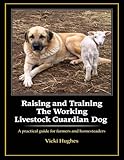


As an Amazon Associate I earn from qualifying purchases.
Which livestock guardian dog is best for a first-time owner?
A well-bred Great Pyrenees is usually the easiest entry point for a first-time small-flock owner who has regular visitors, neighboring properties and moderate predator pressure. It is common, generally more tolerant of people and livestock than some other guardian breeds, and its calm, affectionate manner is easier for a novice to manage. Its independence, territorial instincts, barking and heavy coat still require planning.
Choose a Maremma when the priority is a dog that tends to remain close to the herd. Consider an Anatolian Shepherd or Akbash only when the operation genuinely needs a more territorial, assertive guardian and the owner can provide reliable containment and experienced management. Komondors and Kuvasz can work, but their rarity, protective nature and specialized care make breeder support especially important for a beginner.
Popular on Amazon
This is a practical starting point, not a fixed ranking. Texas A&M’s guidance is that the answer depends on “the type of terrain, predator load, size of pasture, quality of fencing, management style and type of predators.”
What should a first-time owner look for in an LGD?
Look first for a proven working temperament and a breeder who can support you after the sale. Ontario guidance says a reputable breeder is generally more important than breed, sex or age. The breeder should be able to describe how the parents work with the same kind of livestock, in comparable terrain and under similar predator pressure.
The Tool Desk
Outbyte PC Repair FREERepair Windows errors before they cause bigger problemsFix Now →Outbyte Driver Updater FREEFix the driver behind crashes, sound loss and screen glitchesFind Drivers →- Livestock behavior: The dog should show calm interest in sheep, goats or the species it will protect, not intense chasing, grabbing or rough play.
- Human behavior: You need a dog that can be safely caught, examined, transported and treated. Protective does not mean uncontrollable.
- Work setting: Ask whether the parents stay with stock, patrol a perimeter, or do both. Match that pattern to your pasture and fencing.
- Health and records: Request veterinary records, vaccination information and any available health screening for the parents. Confirm the dog has been raised around livestock rather than merely labeled an LGD.
- Ongoing advice: A breeder who answers questions during bonding, adolescence and the first predator encounters is a major advantage for a novice.
Do not assume that any large, white or protective dog can be converted into an LGD. Texas A&M states that established guardian breeds have innate guarding ability, whereas herding or hunting instincts can lead to chasing, biting or killing livestock. Obedience training alone cannot create the correct working instinct.
How do the main livestock guardian breeds compare?
The table shows the distinctions most relevant to a beginner. “More demanding” does not mean ineffective; it means the owner must be better prepared for territorial behavior, containment and visitor management.
| Breed | Strengths for a working operation | First-time-owner watch-outs | Best comparison questions |
|---|---|---|---|
| Great Pyrenees | Common; generally less aggressive toward people and livestock. The AKC describes it as confident, gentle, affectionate, protective, strong-willed, reserved and attentive. | Long coat can be difficult in hot climates. It remains independent, territorial and vocal, so neighbors and fencing matter. | Can the climate accommodate the coat? How much human traffic will the dog see? Is its barking acceptable? |
| Maremma | Common LGD; Texas A&M says Maremmas tend to stay close to herds. | Individual variation is substantial. Working-breeder support is important when selecting a puppy or adult. | Does the dog stay with stock in conditions like yours? How does the breeder manage socialization? |
| Anatolian Shepherd | Calm, protective, courageous, territorial and suited to demanding guardian work; reserved with strangers according to AKC temperament guidance. | Independence and territorial behavior call for secure fencing, early socialization and confident handling. | How severe are predators? How large is the range? Can you control access by strangers and livestock neighbors? |
| Akbash | Texas A&M describes Akbash as among the more aggressive and protective LGD breeds. | More challenging around people, neighboring properties and mixed livestock for an inexperienced owner. | Does the predator threat justify this level of protection? Can you safely manage gates, visitors and veterinary handling? |
| Komondor | AKC describes it as calm, steady, intelligent, affectionate with family, wary of strangers and protective. | Rare breed, distinctive coat and a need to verify that available lines have genuine working ability. Coat management must fit your operation. | Is a proven working breeder available nearby? Can you manage the coat and stranger interactions? |
| Kuvasz | Intelligent, determined, courageous and protective; suspicious of new people according to AKC guidance. | Independent and protective, making breeder support, socialization and containment critical. | How much visitor traffic is there? Can the dog be safely managed at gates, markets and veterinary appointments? |
Is a Great Pyrenees good for beginners?
Often, yes, when the owner wants a common breed with comparatively gentle human and livestock tolerance. Its calm composure can make day-to-day handling less intimidating than with a highly assertive guardian. However, “gentle” does not mean obedient like a conventional pet dog. Great Pyrenees are strong-willed, independent, territorial and vocal.
When a Great Pyrenees is a sensible match
- You keep a small or medium flock near the home and expect regular human contact.
- You can install gates and fencing that prevent roaming and unauthorized encounters.
- You can tolerate nighttime barking and explain the dog’s role to neighbors.
- Your climate and management system can accommodate a long, dense coat.
When to reconsider
A different breed or an adult with a known working record may be wiser if your property is very hot, predators are severe, or the dog must cover a large, isolated range. In those situations, the individual dog’s heat tolerance, patrol pattern and proven performance matter more than a general breed reputation.
When is a Maremma the better choice?
A Maremma is worth considering when staying close to the herd is your primary requirement. Texas A&M identifies the breed as common and notes that Maremmas tend to remain near their stock, a useful trait where sheep or goats are concentrated and the dog should not routinely patrol far from them.
That tendency is not a guarantee for every Maremma. Ask to see the parents or an adult relative working in a comparable flock. Discuss how the breeder introduces puppies to livestock, handles visitors and prevents chasing. A close-to-stock dog still needs secure boundaries, veterinary access and regular, calm human contact.
Also popular on Amazon
Are Anatolian Shepherds or Akbash suitable for a novice?
They can be, but only when the operation’s conditions justify their stronger territorial profile and the owner is prepared to manage it. Anatolian Shepherds are described by the AKC as calm, protective, courageous, territorial and reserved with strangers. Texas A&M places Akbash among the more aggressive and protective LGD breeds.
Choose an Anatolian Shepherd when
Your property has substantial range, meaningful predator pressure and fencing that can contain an independent dog. You must also have a plan for workers, delivery drivers, hunters, neighbors and anyone who may enter the pasture.
PC Slower Than It Used to Be?
A free scan shows the junk files, broken settings and background clutter dragging Windows down - then fixes them in one click.Free scan · Windows 10 & 11Crashes, No Sound, or Screen Glitches?
Random freezes, missing sound and display glitches usually trace back to one bad driver. Find and replace yours safely.Free scan · under a minuteChoose an Akbash only with a clear management plan
An Akbash may fit a demanding predator environment, but a beginner should not select one simply because it looks formidable. Before committing, demonstrate that you can control gates, separate the dog during veterinary care, introduce unfamiliar people safely and prevent conflicts with neighboring livestock. A breeder with a record of producing stable working adults is essential.
Should a first-time owner buy an LGD puppy or an adult?
An adult is usually the better choice when you need reliable flock protection soon. A puppy can be shaped to your livestock and property, but it requires a long development period and close supervision before it becomes dependable.
| Option | Advantages | Limitations and timing | Best fit |
|---|---|---|---|
| Working adult | Known temperament, livestock behavior and response to people; may provide protection immediately after a careful transition. | May need time to learn a new property, flock and fence system. Verify its history rather than accepting an unsupported claim. | Owners facing current predation or lacking time for intensive puppy supervision. |
| Puppy | Can bond from an early age to your species, flock and routines; gives you a long-term relationship with the breeder and dog. | Requires protection from its own mistakes, training, socialization and a lengthy immature period. It is not an instant predator-control solution. | Owners who can supervise daily and already have other protection during development. |
Texas A&M AgriLife Extension (2026) says an LGD takes 18 to 24 months to become effective. Ontario’s Ministry of Agriculture, Food and Rural Affairs (2023) likewise says young LGDs are generally not fully effective until about two years old and may provide roughly five or six years of service after maturity. Plan fencing, backup protection and predator response around that timeline.
How do I bond and train a livestock guardian dog to sheep or goats?
Bonding begins with controlled, continuous contact with appropriate livestock; it is not a single obedience lesson. The following sequence reflects Texas A&M guidance and the practical needs of a working property.
What’s actually slowing this PC down?
Pick the symptom - the matching free tool is one click away.
- Start in the bonding window. When possible, introduce the puppy to suitable livestock at 4 to 8 weeks of age. This is the period Texas A&M identifies for establishing the primary social bond.
- Keep contact continuous after eight weeks. Once the puppy is past eight weeks, it should remain in constant contact with the livestock it is meant to protect. Avoid raising it primarily as a house pet and then expecting it to switch roles later.
- Use a safe bonding pen. Provide enough room for the dog to move away from animals, but not enough space to rehearse chasing. Include shelter, water and a livestock density the puppy can handle without being trampled.
- Interrupt dangerous behavior immediately. Calmly stop chasing, gripping, rough play and persistent harassment. Do not leave a puppy unsupervised with small or vulnerable animals until its behavior is consistently safe.
- Add short, regular human sessions. Texas A&M reports that 15 to 20 minutes of socialization and training three to four times per week during bonding can produce well-socialized adults. Practice being caught, led, examined, loaded and separated briefly from stock.
- Extend the working area gradually. Move from a bonding pen to a small pasture, then to the larger range only when the dog reliably remains with stock and respects fences. Change one variable at a time so you can identify the cause of a problem.
- Continue socialization through maturity. A dog that cannot be safely caught is a management risk. Introduce routine visitors, equipment and veterinary handling in controlled circumstances without undermining its role as a guardian.
- Use a backup plan. During the 18-to-24-month development period, secure night housing, temporary fencing or another effective protection method so a young dog is not asked to handle predators beyond its ability.
Texas A&M warns that beginning the bonding process after 16 weeks may fail to produce a proper livestock bond. If an older dog is already working, evaluate its behavior rather than assuming that late bonding will reproduce a puppy’s result.
What daily management does an LGD require?
An LGD is a working-animal program, not simply a large companion dog. Build the routine around prevention, observation and safe access.
Also popular on Amazon
- Fencing: Inspect perimeter, gates and weak corners frequently. A dog that can roam may become a road hazard, threaten neighboring animals or create a liability even if it guards well.
- Food and water: Feed in a location that livestock cannot monopolize and predators cannot easily exploit. Keep fresh water available in every working area.
- Health care: Schedule vaccinations, parasite control, injury checks and veterinary treatment. Learn to catch the dog before an emergency occurs.
- Identification and tracking: Permanent identification and a GPS tracker can help locate a roaming or injured dog, but technology does not replace fencing or supervision.
- Visitor rules: Post clear signs, lock gates and tell workers how to enter. Never assume a protective dog will distinguish a welcome visitor from a threat.
- Climate planning: Provide shade, airflow and water in hot weather, especially for long-coated breeds. Adjust work areas and monitoring during heat events.
- Neighbor communication: Explain barking, patrol boundaries and livestock proximity before a conflict occurs. Keep records of complaints and corrective steps.
Budget for feed, health care, GPS tracking, fencing and long-term supervision. These recurring obligations are part of the real cost of ownership even when the purchase price of the dog is modest.
How many livestock guardian dogs does a flock need?
Do not assume one dog is the default. South Dakota State University Extension summarizes producer guidance that owners should never have only one LGD with a flock or a single livestock group, although the actual number depends on the operation.
Quick wins for a faster PC:
Clear out junk files and repair common Windows errorsFree Scan →Scan for outdated or missing drivers - takes under a minuteDriver Scan →Repair Windows errors before they cause bigger problemsFix Now →Numbers should follow pasture size, terrain, flock distribution, predator pressure, fencing and the dogs’ working relationship. A pair may watch each other and cover a larger or more complex area, while a small, tightly fenced flock may need a different arrangement. Introduce additional dogs carefully, protect young animals from rough interactions and monitor whether dogs stay with stock rather than forming a roaming pack.
What mistakes do first-time LGD owners make?
Buying by breed label alone
A famous breed cannot compensate for poor temperament, weak bonding or a breeder unfamiliar with your conditions. Inspect the parents or adult dog at work and ask for references from owners facing similar predators.
Expecting instant protection
A puppy is still developing for up to two years. Treating it as mature can expose livestock to predators and the puppy to avoidable danger.
Raising the dog as a house pet
Regular human socialization is valuable, but primary attachment must be to the livestock it protects. Excessive indoor living can weaken the working bond and increase roaming or separation problems.
Ignoring fencing and visitors
Territorial dogs need a physical boundary and a human-access plan. Gates, delivery routes and neighboring livestock should be considered before the dog arrives.
Using punishment instead of management
Chasing or aggression toward stock is a safety problem to interrupt and prevent, not a behavior to excuse because the dog is young. Reduce opportunities for rehearsal, use controlled spaces and obtain breeder or veterinary behavior advice when necessary.
Also popular on Amazon
Choosing an aggressive dog for prestige
More aggression is not automatically better protection. It can increase risks to people, neighboring properties and mixed livestock. Select the least intense temperament that can meet your actual predator and range requirements.
Independent reader supportYour contribution helps us test, update, and keep practical guides available for everyone.How can I decide between breeds before contacting a breeder?
Write down the operating conditions first, then use them to narrow the search. This prevents a dog’s appearance or reputation from driving the decision.
Recommended Free Tools
- List the livestock. Record species, numbers, age groups and any especially vulnerable animals.
- Map the property. Note pasture acreage, wooded areas, water, roads, gates, neighboring homes and places where a dog could leave.
- Describe predators. Identify the species, frequency and time of attacks rather than using a general label such as “high pressure.”
- Count human traffic. Include family, employees, veterinarians, delivery drivers, hunters and recreational users.
- Assess climate and coat care. Decide whether you can provide shade, airflow and grooming for a long-coated dog.
- Choose your management capacity. Be honest about daily supervision, emergency handling, training time and the cost of fencing, food, health care and tracking.
- Interview working breeders. Ask for adult working records, livestock-bonding history, health information, references and post-sale support.
- Watch the dog work. Observe whether it is calm with stock, responsive enough to handle safely and appropriate around people in a setting like yours.
As a practical rule, start with a Great Pyrenees for a small flock and regular human contact when you want the comparatively gentler common option. Put Maremma at the top of the list when staying close to stock is paramount. Reserve Anatolian Shepherds or Akbash for operations whose predators, range and fencing justify their more territorial behavior and whose owners can manage it confidently.
What should I ask a livestock guardian dog breeder?
- At what age were the parents introduced to livestock, and what species do they guard?
- Can I see the parents or an adult relative working, not just photographs or show credentials?
- How do the dogs respond to children, workers, veterinarians and unfamiliar visitors?
- Have dogs from this line worked in terrain, climate and predator conditions like mine?
- What is your plan if the puppy chases, bites, wanders or fails to bond?
- What food, vaccinations, parasite prevention and handling routines have you established?
- Will you provide advice throughout the first two years, when the dog is still maturing?
A breeder who cannot answer these questions clearly is a poor match, regardless of breed. The best purchase is a working temperament backed by practical support.
Frequently Asked Questions
Can a livestock guardian dog live in the house and still guard sheep?
It may receive supervised human socialization, but its primary living arrangement should keep it in constant contact with the livestock it is meant to protect after the early bonding stage. House time that replaces stock contact can weaken the working relationship and make roaming or separation problems more likely.
What should I do if my young LGD chases the livestock?
Move the dog to a smaller, safer bonding area where chasing cannot continue, interrupt the behavior calmly and increase supervision. Contact the breeder promptly; repeated chasing, gripping or rough play can injure stock and may indicate that the individual is unsuitable for the job.
Free tools Windows power users keep installed
One-click scans. No signup required.
How do I introduce an LGD to a new flock after moving it?
Use a secure transition pen with the new animals, shelter and water, then expand its range gradually after it remains calm and stays with stock. Keep gates controlled and maintain extra supervision because a proven adult still needs to learn the new property, boundaries and livestock.
Are two LGDs always better than one?
Not automatically. Additional dogs can improve coverage and provide social support, but the right number depends on terrain, pasture size, predators, fencing and how the dogs work together. Introduce dogs carefully and watch for roaming, pack behavior or rough treatment of livestock.
When should I call a veterinarian or behavior professional?
Seek help for injuries, persistent aggression toward livestock or people, unexplained roaming, heat stress, illness or any dog that cannot be safely caught. Early professional input is safer than waiting for a serious attack or escape.





Leave a Reply